Grok had been generating sexually explicit images of people for some time. But the issue got widespread attention in late December as people used the chatbot to edit a high volume of existing images by tagging the bot in comments and giving it prompts such as "put her in a bikini." While Grok did not respond to all of the requests, it obliged in many cases. In some cases, Bellingcat senior investigator and researcher Kolina Koltai noted, users can get Grok to generate frontal nudes.
From reproductive rights to climate change to Big Tech, The Independent is on the ground when the story is developing. Whether it's investigating the financials of Elon Musk's pro-Trump PAC or producing our latest documentary, 'The A Word', which shines a light on the American women fighting for reproductive rights, we know how important it is to parse out the facts from the messaging.
Downing Street has condemned the move by X to restrict its AI image creation tool responsible for a wave of explicit picture to paying subscribers only as insulting, saying it simply made the ability to generate unlawful images a premium service. There has been widespread anger after the image tool for Grok, the AI element of X, was used to manipulate thousands of images of women and sometimes children to remove their clothing or put them in sexual positions.
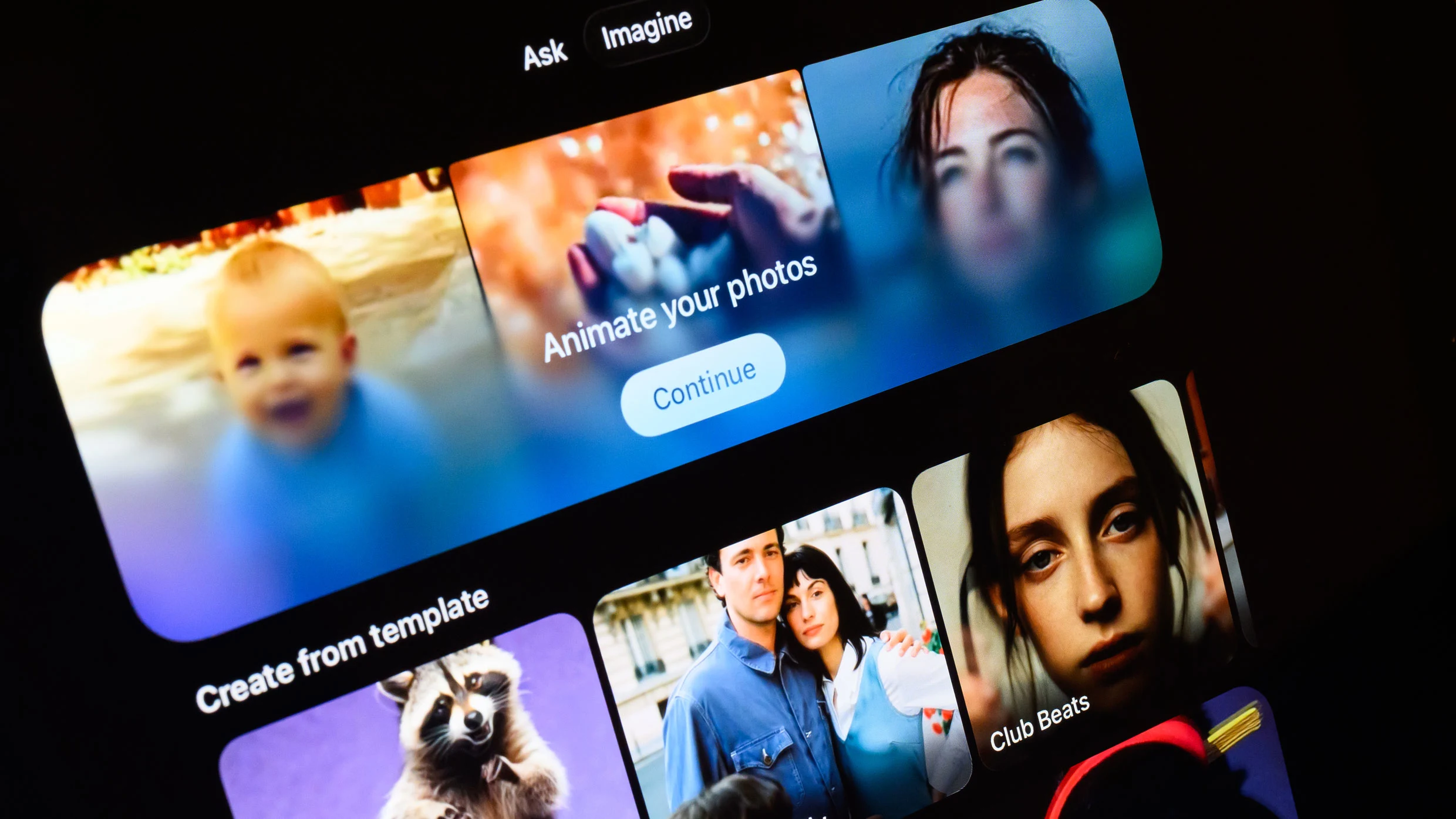
In August 2025, Grok launched an image generator, branded as Grok Imagine, which featured a service geared toward creating nude, suggestive, or sexually explicit content, including computer-generated pornographic images of real women. The feature, which was quickly used to create naked images of celebrities like Taylor Swift, also allowed users to create brief videos, complete with animations and sounds. Musk also rolled out AI girlfriends on the platform: animated personas including female characters with exaggerated breasts and hips that interacted in sexually explicit ways
OpenAI CEO Sam Altman is now maybe taking a page out of Elon Musk's and Trump's playbook, and posting a cheeky AI-generated photo of himself as a sexy calendar firefighter to Xitter. In what's apparently intended to show off the capabilities of Images 1.5, the new image-creation module in ChatGPT, OpenAI's Sam Altman posted the example below. The embedded version cuts off his head, but click through and you'll see it's Sam.
Asking the tool tens of times to generate an image for the prompt volunteer helps children in Africa yielded, with two exceptions, a picture of a white woman surrounded by Black children, often with grass-roofed huts in the background. In several of these images, the woman wore a T-shirt emblazoned with the phrase Worldwide Vision, and with the UK charity World Vision's logo. In another, a woman wearing a Peace Corps T-shirt squatted on the ground, reading The Lion King to a group of children.
German AI lab Black Forest Labs said on Monday that it has raised $300 million in a Series B funding round that values the company at $3.25 billion. The round was co-led by Salesforce Ventures and Anjney Midha (AMP), and saw participation from a16z, NVIDIA, Northzone, Creandum, Earlybird VC, BroadLight Capital, General Catalyst, Temasek, Bain Capital Ventures, Air Street Capital, Visionaries Club, Canva, and Figma Ventures.
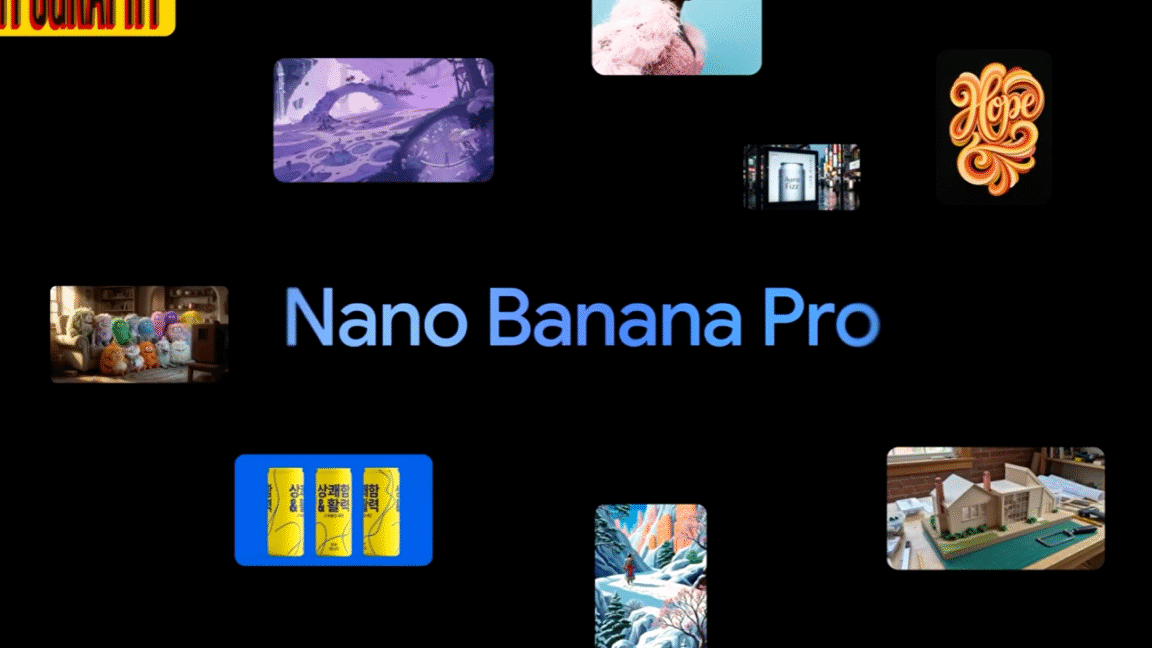
Enter Nano Banana Pro, Google's new AI-powered image generation tool that's redefining the boundaries of creativity. Built on the robust Gemini 3 Pro foundation, this tool doesn't just generate images; it interprets, reasons, and aligns visuals with cultural nuances and current events. Imagine crafting a marketing campaign that seamlessly integrates trending themes or designing educational materials that feel as dynamic as the lessons they support.
Some specific improvements of the model include support for up to 10 reference images, meaning you can incorporate a lot more elements from different pictures in your final product; improved photorealism and detail; more accurate text rendering, a task image generating models frequently struggle with; better prompt following; and a better understanding of real-world knowledge, according to Black Forest Labs.
Powered by Gemini 3, it's effectively an upgrade of the company's popular image generation and editing tool that went viral in a social media trend that turned selfies into hyperrealistic 3D figurines. Google says it lets you create higher quality images that you can print, render legible text onto pictures, and blend multiple images together into a single composition. It's also meant for "people who want to feel like professionals," Naina Raisinghani, a product manager at Google DeepMind, told The Verge.
I couldn't draw much else with the mouse, nothing more complicated than a lopsided house and a tree, so I would ask him, knowing full well he wasn't the artist in the family, to draw something for me; that day I asked for a dog. He tried his best, but what came up on the canvas was a misshapen thing - a kind of pig-dog hybrid that was so bad it had us laughing for a good while.
We didn't go down that route, because even slightly rephrasing the request allowed us to directly get a pic of the iconic Charles Schultz character. "Generate a cartoon image of Snoopy in his original style," we asked - and with zero hesitation, ChatGPT produced the spitting image of the "Peanuts" dog, looking like he was lifted straight from a page of the comic-strip.
The new Androidify app lets you make your own bot avatar, but it does so based on your own photo or text prompt, meaning it has an incredibly deep level of customization. Google says the app uses a combination of tools to create your bot -- Gemini 2.5 Flash to caption the photo, Imagen to generate your custom Android bot, and Veo 3 to animate your bot with different vibes.