#afghan-visa-overstayer
#afghan-visa-overstayer
[ follow ]
#afghanistan


UK politics
fromwww.independent.co.uk
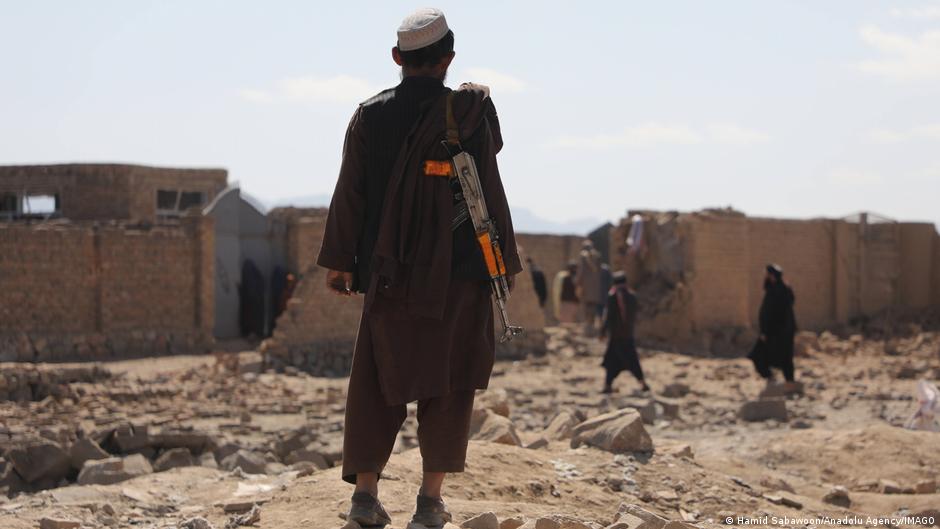
2 weeks agoThousands of Afghans put at risk by MoD data breach still stranded months on
The Independent emphasizes the urgency of evacuating Afghans at risk due to a data leak, highlighting the slow response of the UK government.
fromwww.theguardian.com
2 months agoPublic health
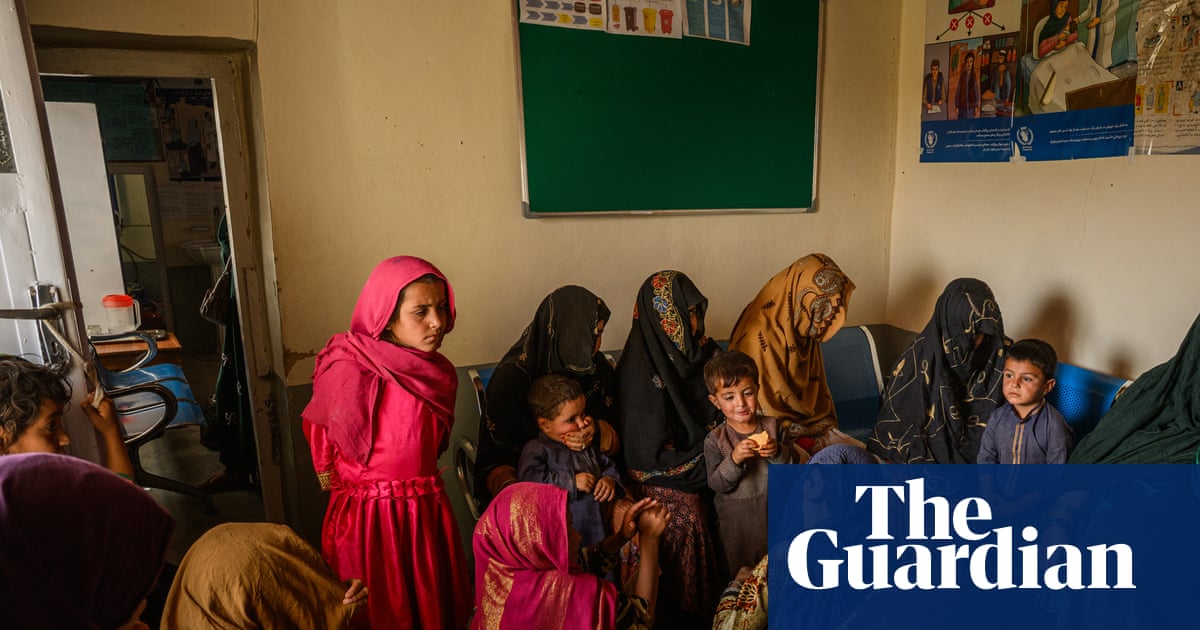
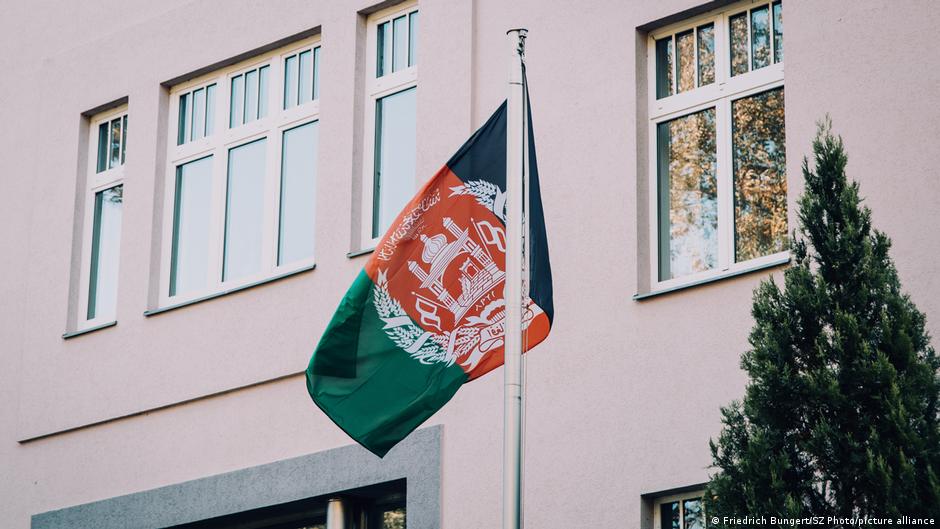
Taliban birth control ban: women broken' by lethal pregnancies and untreated miscarriages
The Taliban's informal birth-control ban has caused a collapse of Afghanistan's reproductive health system, eliminating contraceptives, closing clinics, and causing untreated complications and forced pregnancies.

fromwww.bbc.com
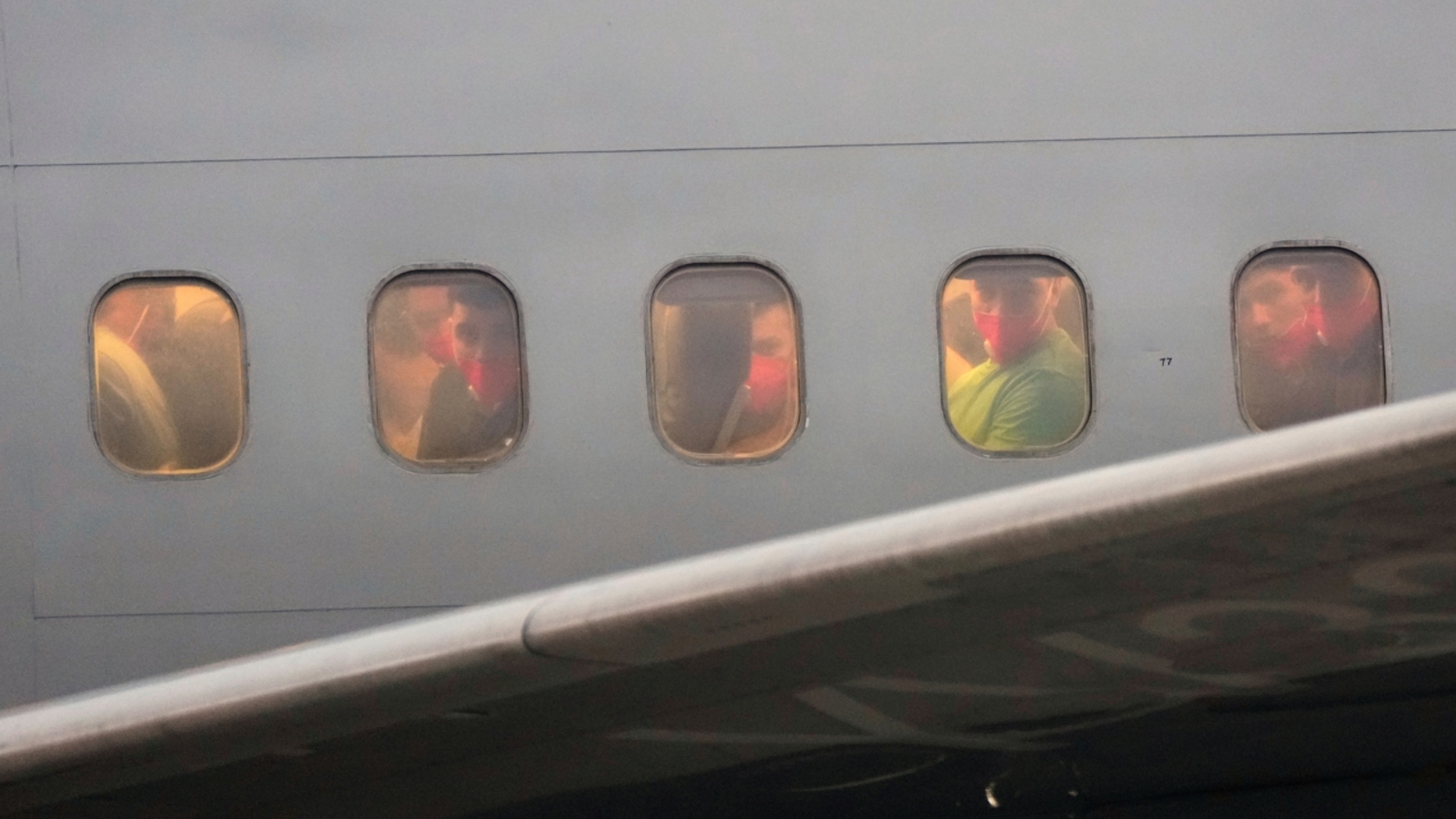
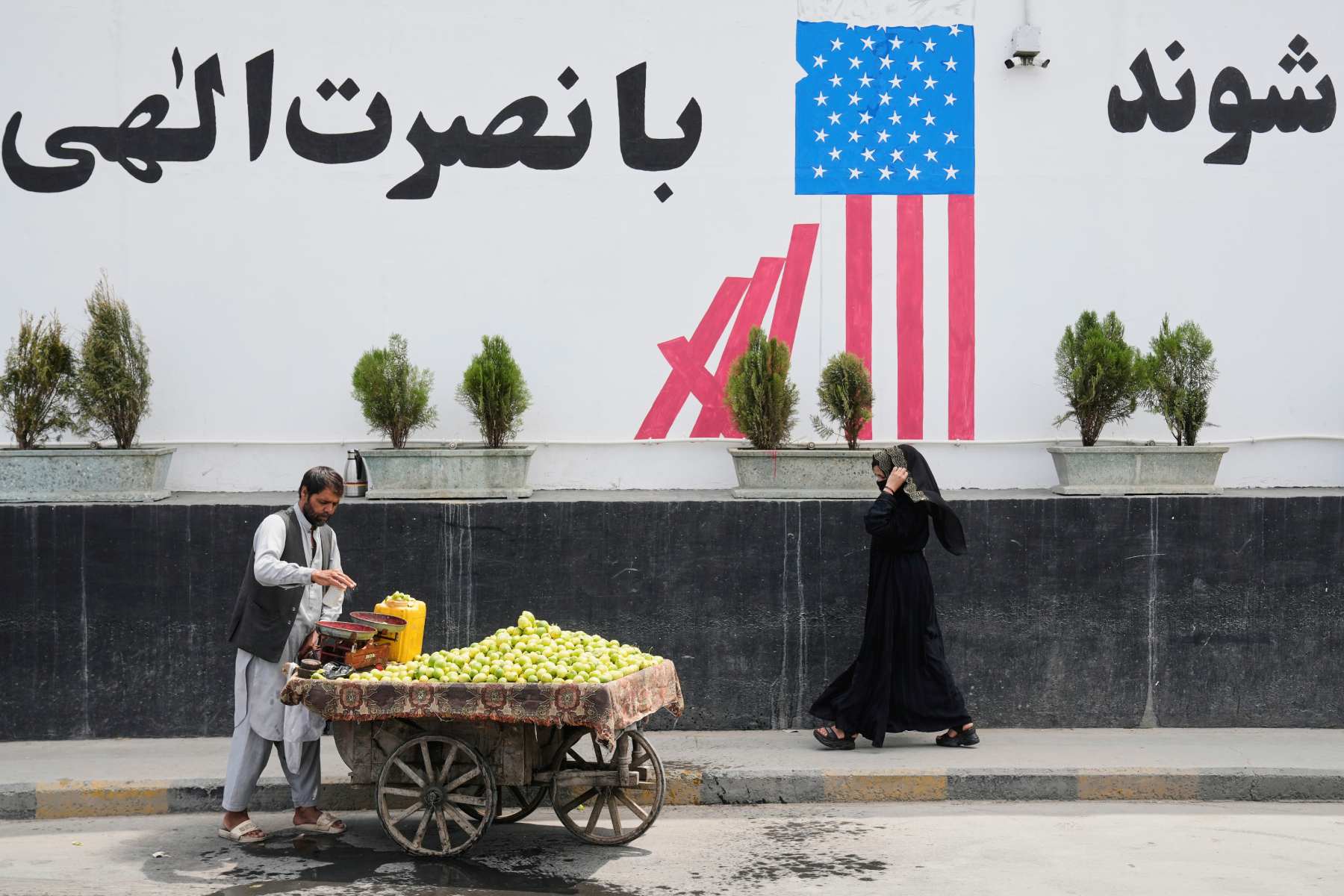
3 weeks agoIranian footballers return home after dropping Australian asylum bids
A number of the players had initially sought humanitarian visas to stay in Australia after concerns they would face repercussions for staying silent during Iran's national anthem at their opening Asian Cup match. Human rights activists have said they may have been pressured to reverse their decisions through threats against their families.
Women
fromFortune
1 month agoMore than 3 million Iranians have been displaced so far since the war started, setting up a potential migration crisis | Fortune
If they let me, I will stay in Van until the war ends. If the war doesn't end, maybe I'll go back and die. Pourkaz is one of the 3.2 million people in Iran who the U.N. refugee agency estimates have been displaced since the U.S.-Israel war with Iran started. While some are seeking shelter in safer parts of Iran or one of its neighboring countries, others are returning from abroad, heading toward the fighting to protect their families and homes.
Europe news
#afghanistan-pakistan-conflict


World news
fromwww.aljazeera.com
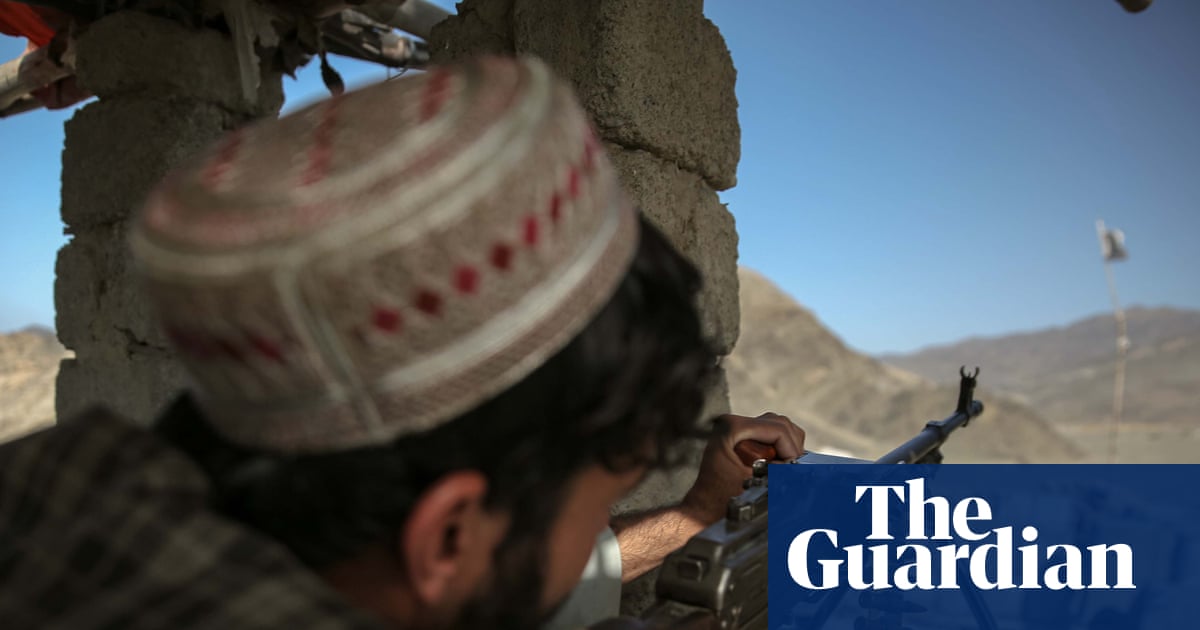
1 month agoNearly 66,000 Afghans displaced amid fierce fighting on Pakistan border: UN
Nearly 66,000 people displaced in Afghanistan due to escalating cross-border violence between Afghanistan and Pakistan along the Durand Line, with ongoing military confrontation risking further humanitarian crisis.
World news
fromwww.aljazeera.com
1 month agoBlasts heard in Kabul as Pakistan-Afghanistan conflict continues
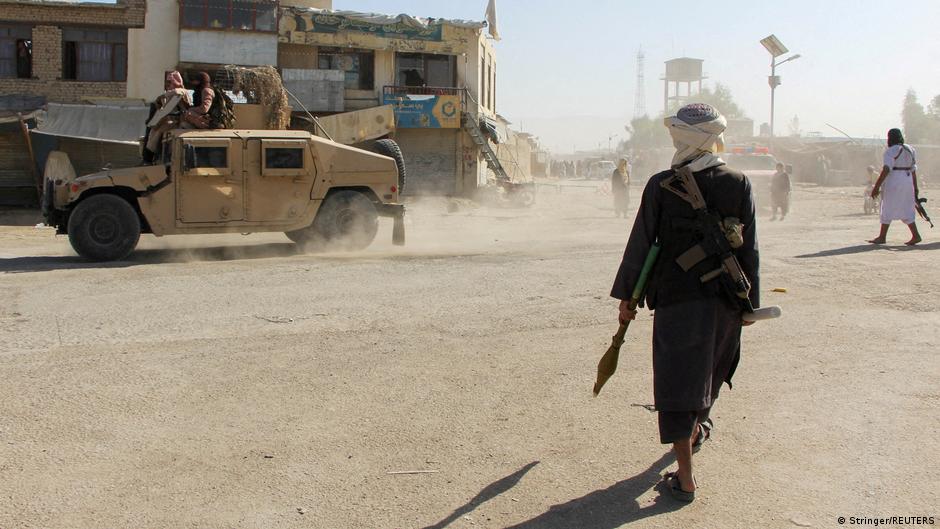
Taliban forces claim to have thwarted a Pakistani strike on Bagram air base as conflict between Afghanistan and Pakistan escalates into its fourth day, with Pakistan declaring open war and rejecting ceasefire negotiations.
World news
fromwww.theguardian.com
1 month agoAfghanistan says it thwarted Pakistan airstrikes on Bagram airbase
Afghanistan and Pakistan engaged in cross-border military conflict for four days, with Afghanistan claiming to have thwarted Pakistani airstrikes on Bagram airbase while Pakistan declared open war and bombed Afghan cities.
#pakistan-afghanistan-conflict
World news
fromwww.theguardian.com
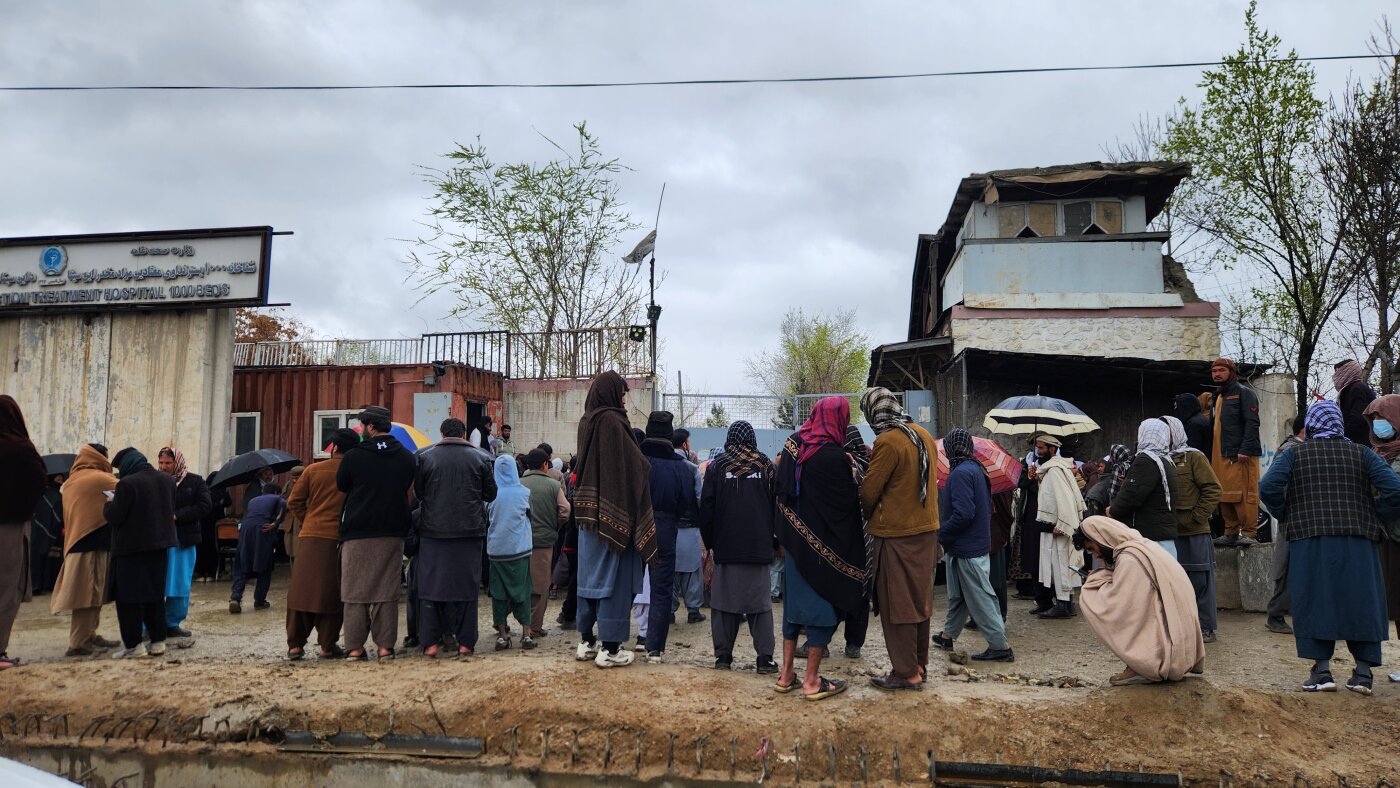
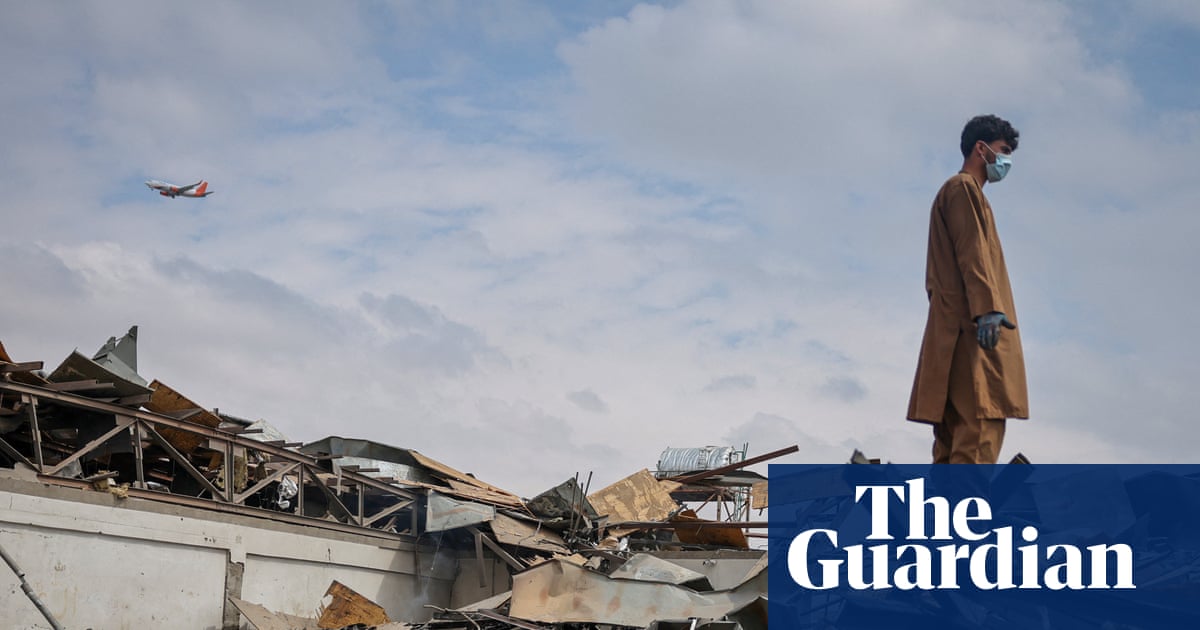
3 weeks agoAfghans search for loved ones at Kabul rehab centre hit by Pakistani airstrike
Pakistan conducted an airstrike on a Kabul drug rehabilitation center, killing over 400 people according to Afghan Taliban claims, marking the deadliest attack in the ongoing conflict between the two countries.
World news
fromwww.theguardian.com
4 weeks agoPakistan targets militant hideouts in Afghanistan as conflict continues
Pakistan and Afghanistan engaged in escalating cross-border military attacks, with Pakistan striking Kandahar province and both nations disputing casualty claims and damage assessments.
World news
fromwww.theguardian.com
3 weeks agoAfghans search for loved ones at Kabul rehab centre hit by Pakistani airstrike
Pakistan conducted an airstrike on a Kabul drug rehabilitation center, killing over 400 people according to Afghan Taliban claims, marking the deadliest attack in the ongoing conflict between the two countries.
World news
fromwww.theguardian.com
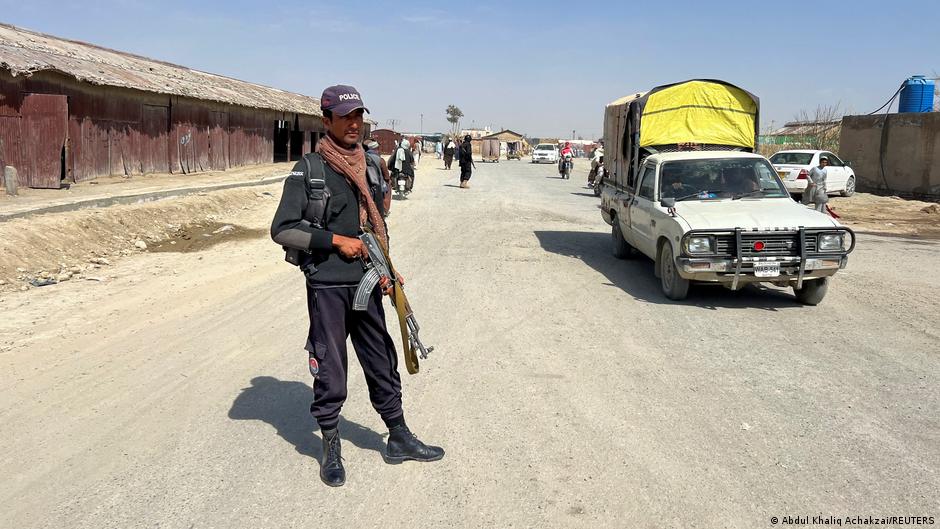
4 weeks agoPakistan targets militant hideouts in Afghanistan as conflict continues
Pakistan and Afghanistan engaged in escalating cross-border military attacks, with Pakistan striking Kandahar province and both nations disputing casualty claims and damage assessments.
fromenglish.elpais.com
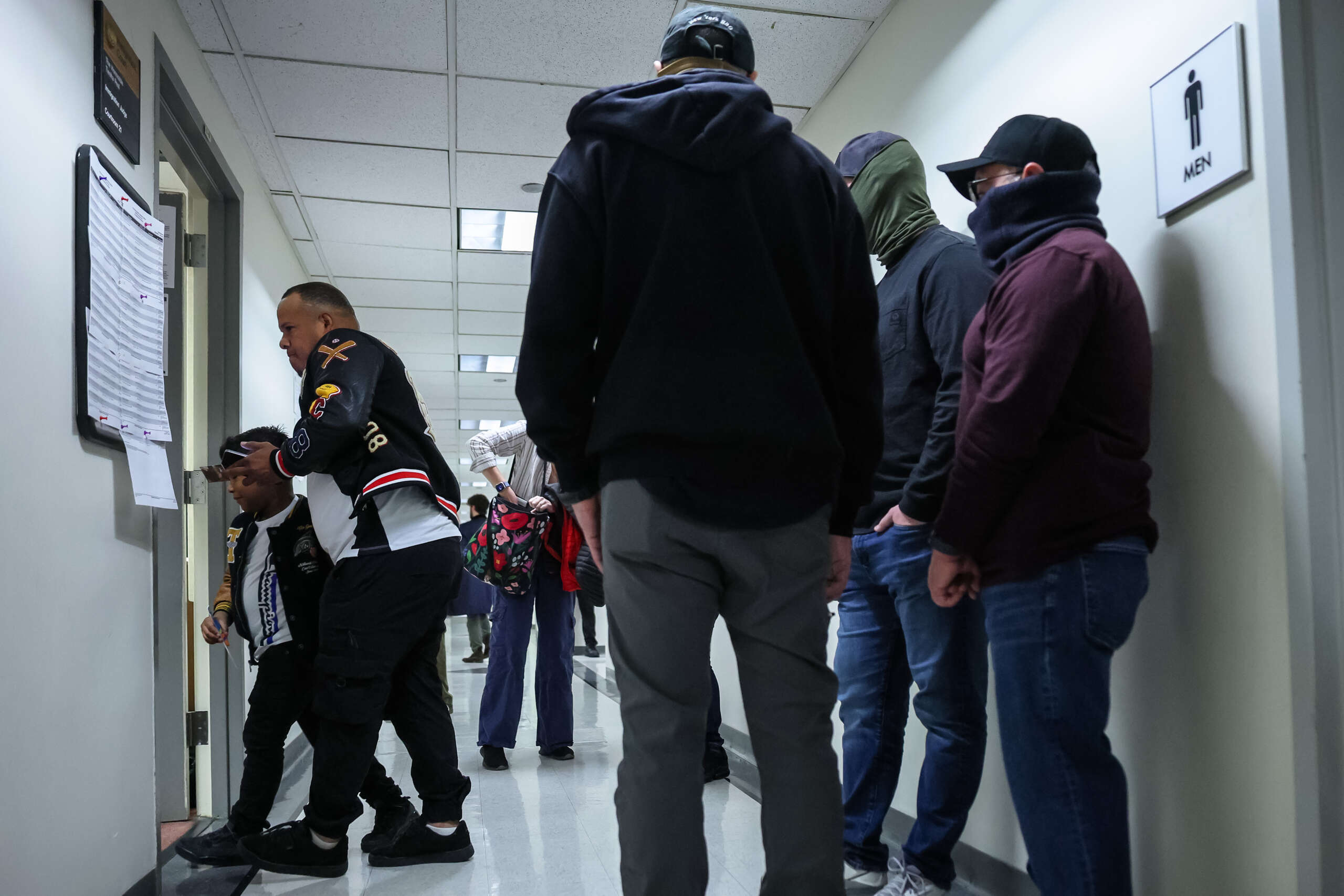
4 weeks agoAfghan asylum seeker dies the day after being detained by ICE: His family deserves answers'
It is not normal for a healthy 41-year-old man to die less than 24 hours after being taken into government custody, said Shawn VanDiver, president of AfghanEvac, a San Diego-based group that helps Afghans who sought refuge in the United States after cooperating with U.S. authorities during the war in Afghanistan.
US news
World news
fromwww.aljazeera.com
4 weeks agoAfghanistan says children among four killed in latest attacks by Pakistan
Pakistani shelling in eastern Afghanistan killed four civilians including three children, with cross-border fighting causing at least 18 civilian deaths in one week and displacing over 20,000 families.
UK politics
fromwww.independent.co.uk
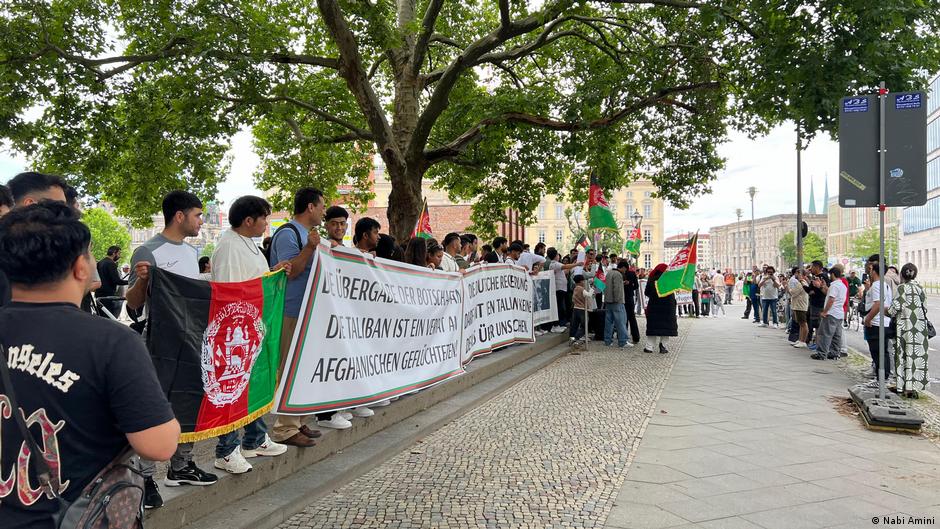
1 month agoHow many visas go to countries that have been affected by the halt on grants?
The UK government banned study visas for citizens from Afghanistan, Cameroon, Myanmar, and Sudan, despite these nations representing less than one percent of all study visas issued.
World news
fromRadioFreeEurope/RadioLiberty
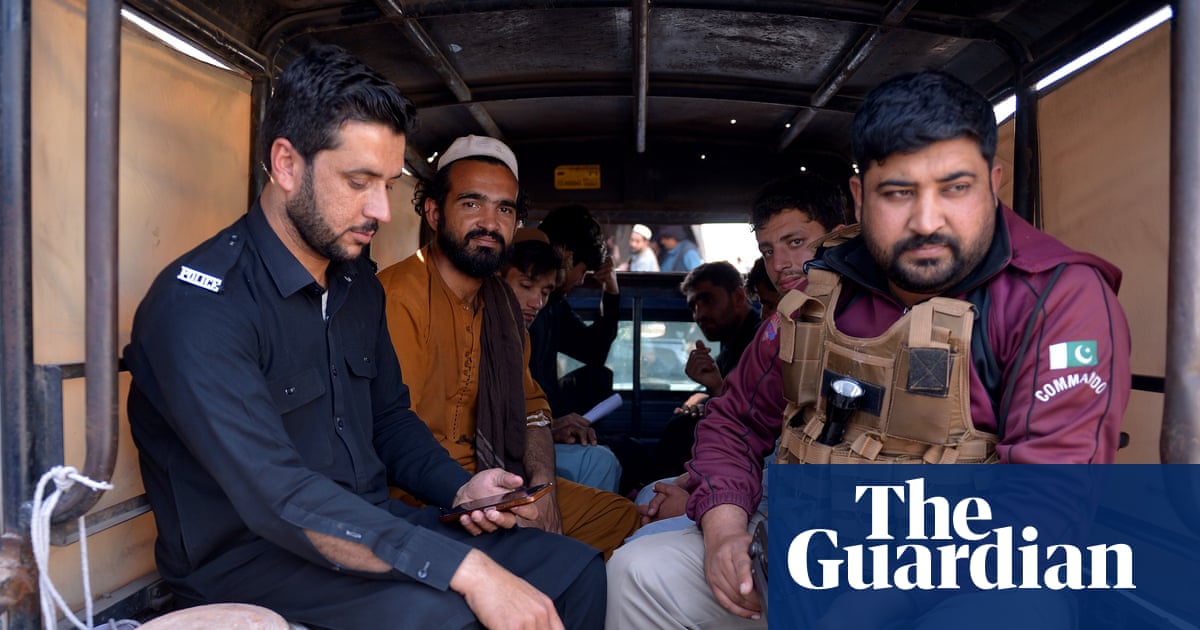
1 month agoUS Adds Afghanistan To New Blacklist Over Taliban's 'Wrongful Detention' Of Americans
The United States designated Afghanistan a state sponsor of wrongful detention, accusing the Taliban of holding American citizens as bargaining chips and imposing sanctions and travel restrictions.
fromwww.theguardian.com
1 month agoTony Burke says Australia has few options to block return of 34 women and children from Syrian camp
Tony Burke says authorities know the state of mind of each of the 34 Australian women and children stuck in a Syrian detention camp, but says his options to prevent them returning to Australia are limited. The home affairs minister, who represents a south-western Sydney electorate with a high Muslim population, also warned Pauline Hanson's recent derogatory comments against Muslims in Australia could incite violence.
World politics

World news
fromenglish.elpais.com
1 month agoThe Taliban's new penal code: Two weeks days in jail for breaking a woman's arm and five months for mistreating a camel
Afghanistan's new penal code legalizes violence against women while imposing harsher penalties for animal mistreatment, codifying systematic gender-based oppression under Taliban rule.
fromwww.aljazeera.com
2 months agoTens of thousands flee northwest Pakistan's Tirah over fears
More than 70,000 people, mostly women and children, have fled from Tirah, a remote region in northwestern Pakistan bordering Afghanistan, as fears grow of an imminent military offensive against the Pakistan Taliban, according to local residents and officials. Pakistan's Defence Minister Khawaja Muhammad Asif has contradicted claims made by locals and provincial authorities, insisting no military operation is occurring or planned in the Khyber Pakhtunkhwa province town.
World news
fromRadioFreeEurope/RadioLiberty
1 month agoPakistan Launches Fresh Attacks Inside Afghanistan Amid Rising Tensions
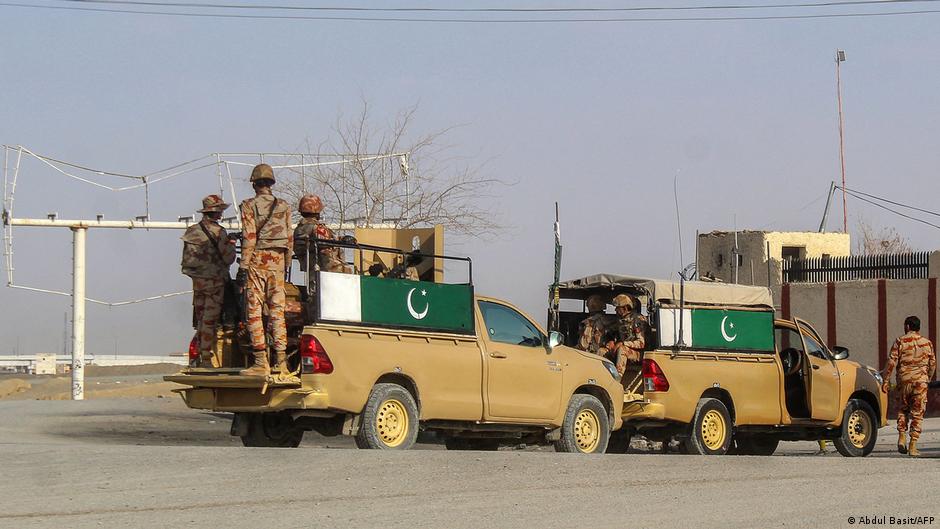
Pakistan said it carried out cross-border strikes on seven militant sites inside Afghanistan in a "retributive response" to recent suicide attacks claimed by Afghan-backed extremists, as tensions escalated between the two South Asian neighbors. Pakistan "has carried out intelligence-based selective targeting of seven terrorist camps and hideouts," the Information Ministry said early on February 22. Islamabad said it had "conclusive evidence" that recent attacks inside Pakistan were carried out by Afghan-based Pakistani Taliban extremists who were allegedly acting on instructions from "their Afghanistan-based leadership and handlers."
World news
[ Load more ]