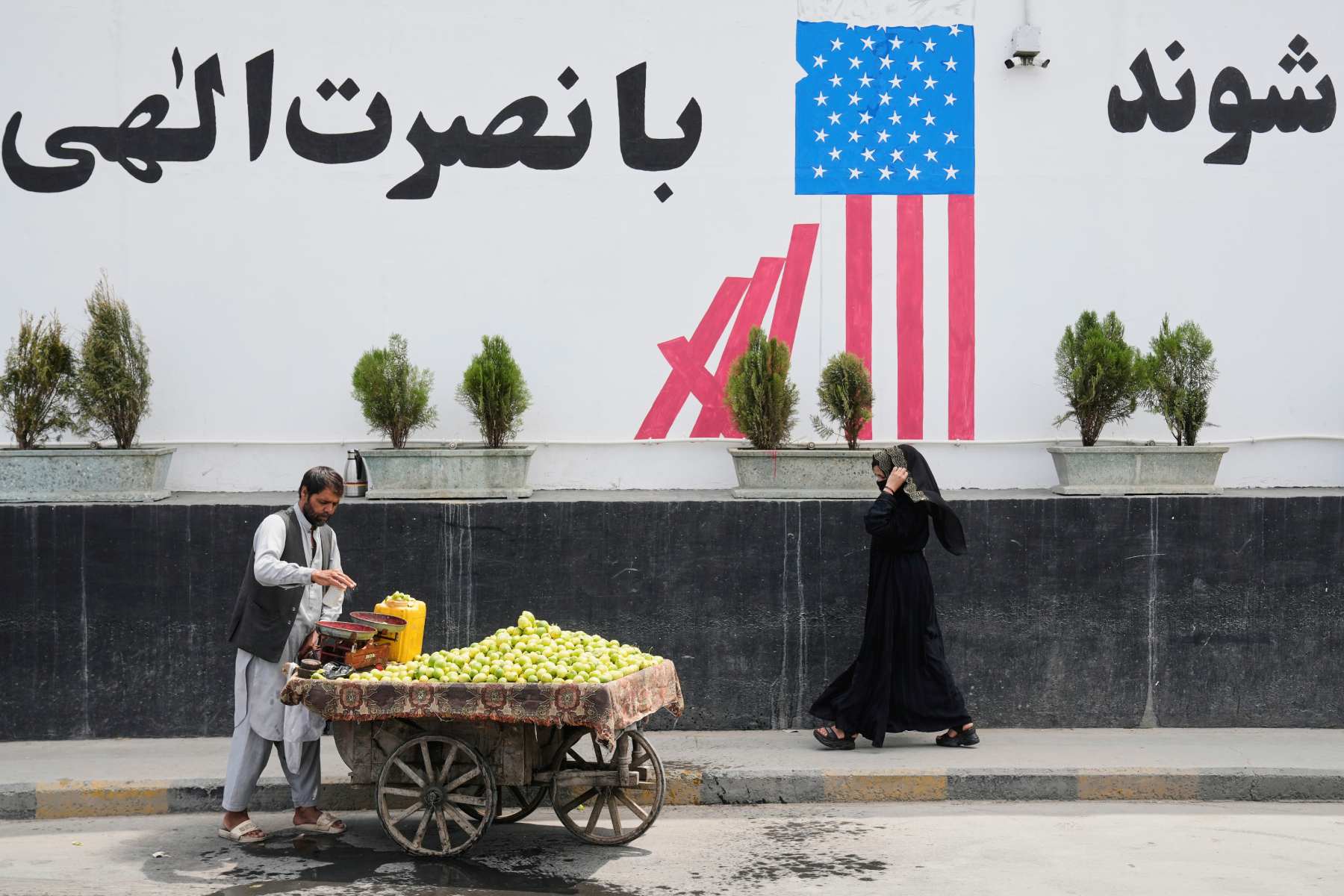
"T his August will mark five years since the Taliban returned to power in Afghanistan. If they hold onto their totalitarian rule for that long, they could go on to surpass their initial reign, which lasted from 1996 until the United States-led invasion in 2001. This time around, in the absence of armed intervention, it's become increasingly clear that the international community's measures to push them out are failing."
"Over the past half-decade, the Taliban have brought one form of shock and pain after another to the Afghan people: girls being denied most types of higher education, the teaching of extremist ideology in schools, heavy restrictions on social media activity, the silencing of women's voices, arrests and torture of dissidents, and strict rules targeting freedom of speech and the press."
"To some human rights activists, there's increasingly another cause for concern: that the Taliban may eventually become accepted on the world stage. Most states have, so far, condemned the Taliban's human rights violations and do not formally recognize the group as Afghanistan's legitimate rulers. But over the past year, some governments have quietly begun engaging with Taliban authorities-what US-based human rights activist Metra Mehran describes as a "soft normalization" of Taliban rule."
August will mark five years since the Taliban returned to power in Afghanistan. If they maintain totalitarian rule that long, they could surpass their 1996–2001 reign. In the absence of armed intervention, international measures to remove them are failing. Over the past half-decade the Taliban have imposed repeated shocks: denying girls most higher education, teaching extremist ideology, restricting social media, silencing women, arresting and torturing dissidents, and enforcing strict limits on speech and the press. In January the Taliban announced a criminal code that allows domestic violence, corporal punishment of children, and appears to legitimize slavery through use of the word "slave." Pakistan and Iran have begun mass deportations of Afghans, compounding humanitarian pressures. Afghanistan faces natural disasters and acute climate vulnerability, worsening its prospects. Some human-rights activists fear growing acceptance of the Taliban as some governments quietly engage with Taliban authorities, a phenomenon described as "soft normalization."
Read at The Walrus
Unable to calculate read time
Collection
[
|
...
]