#warren-buffett
#warren-buffett
[ follow ]
#berkshire-hathaway
Business
fromFortune
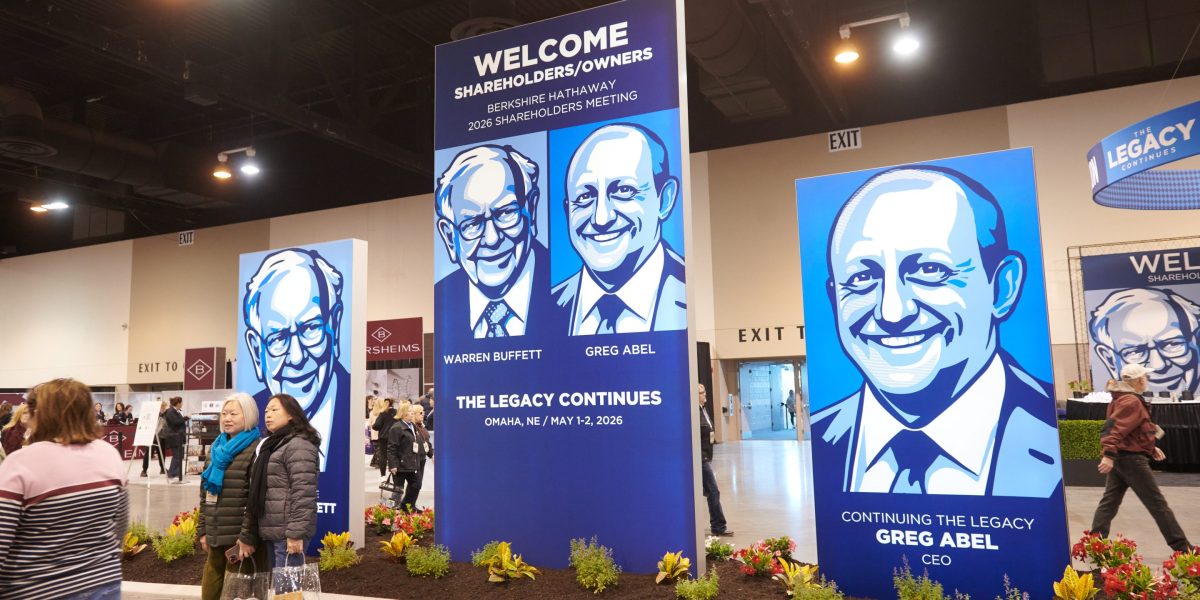
3 hours agoI'm a Berkshire Hathaway investor and I was wrong about Greg Abel. Here's why he's a better fit than Buffett right now | Fortune
Greg Abel fits Berkshire Hathaway’s current needs better than Warren Buffett would, paralleling how Tim Cook successfully led Apple without being Steve Jobs.
#investing
Poker
fromFortune
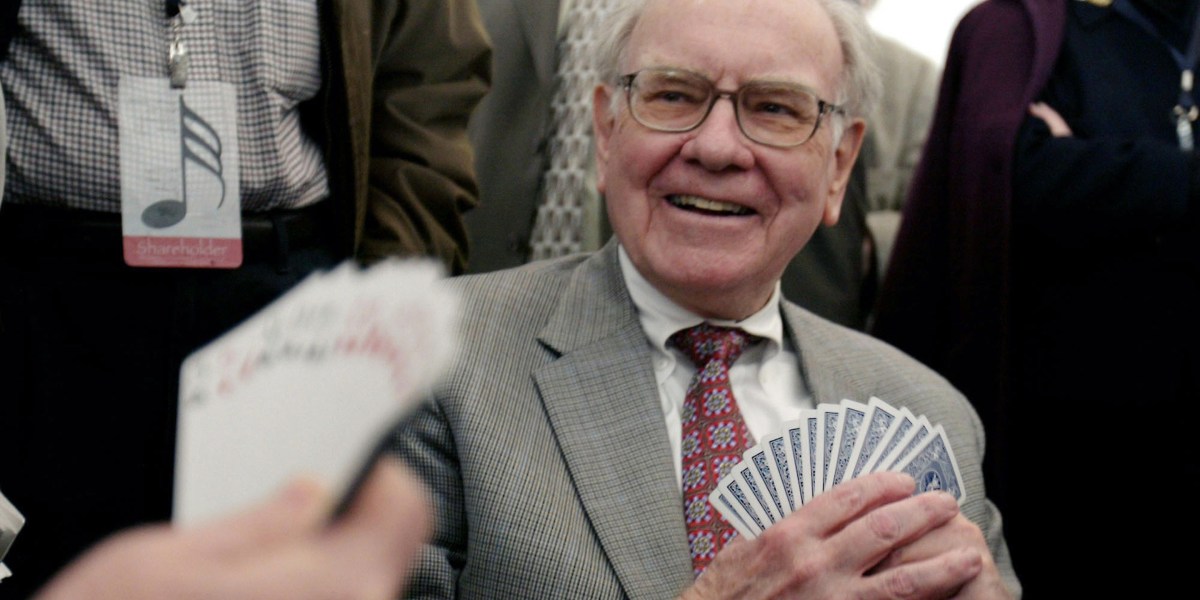
1 week agoWarren Buffett says markets are like a church with a casino attached, but 'we've never had people in a more gambling mood than now' | Fortune
Warren Buffett criticizes the gambling culture in financial markets, emphasizing the importance of patience and caution in investing.
fromFortune
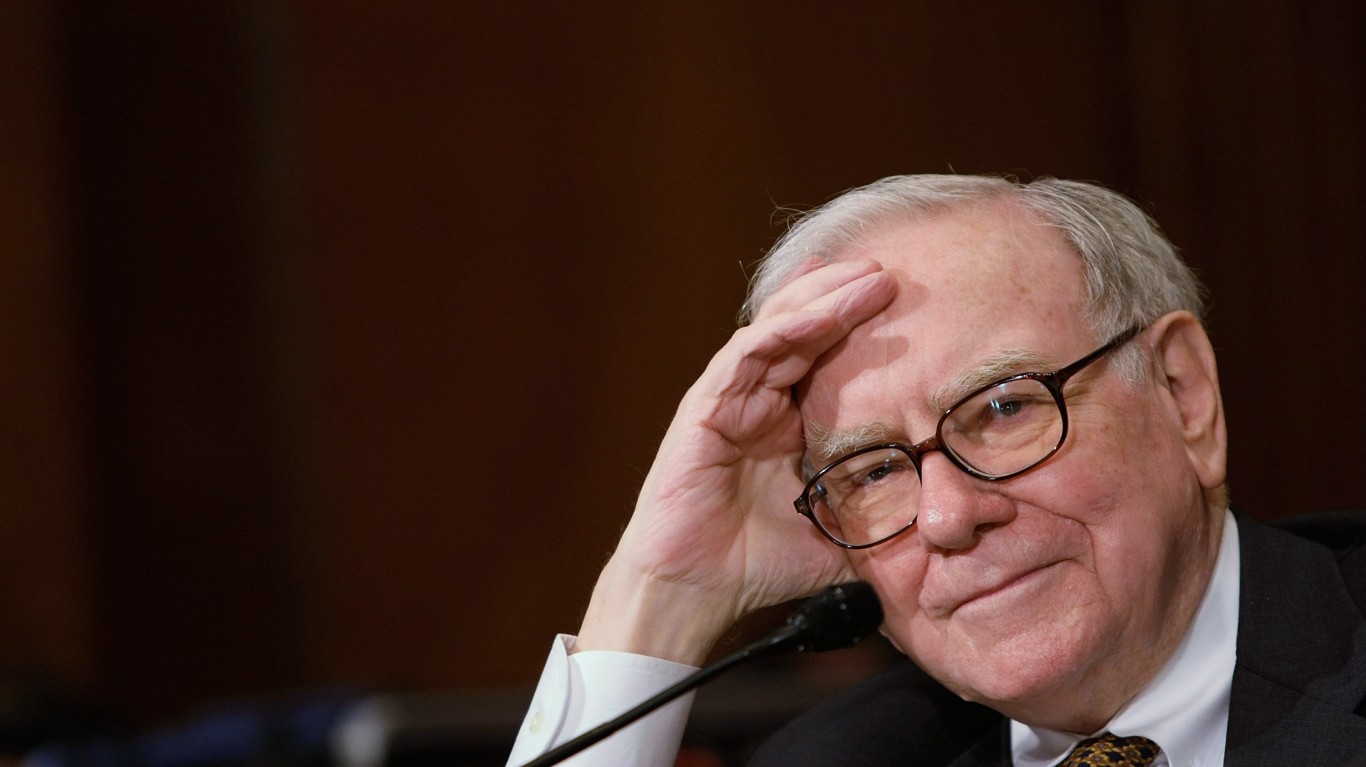
2 weeks agoFrom Warren Buffett to Tim Cook, these 5 Fortune 500 legends all share the same childhood job | Fortune
Warren Buffett started delivering The Washington Post and the Washington Star at 13, earning $175 a month by 14. He noted, 'You learn a lot about human nature when you deliver papers.' This experience taught him valuable lessons about business and customer relations.
Media industry
#stock-market
Business
fromFortune
2 weeks agoAccording to Warren Buffett's math the stock market is officially in 'playing with fire' territory. So when is the next crash coming? | Fortune
Warren Buffett's Indicator suggests current stock market valuations are dangerously high, indicating potential for a significant market correction.
Retirement
fromFortune
4 weeks agoWarren Buffett's first tax return showed $7 owed to the IRS. The then-paperboy and former Berkshire Hathaway CEO is now worth $143 billion | Fortune
Warren Buffett's journey from a teenage paperboy to a billionaire highlights his early work ethic and views on taxation.
fromFortune
1 month agoWarren Buffett says 'accumulating great amounts of money' doesn't achieve greatness-He still lives in a $31,500 Nebraska home and clipped coupons | Fortune
"Greatness does not come about through accumulating great amounts of money, great amounts of publicity or great power in government," Buffett wrote in his final Berkshire Hathaway shareholder letter.
Retirement
#giving-pledge

Fundraising
fromEntrepreneur
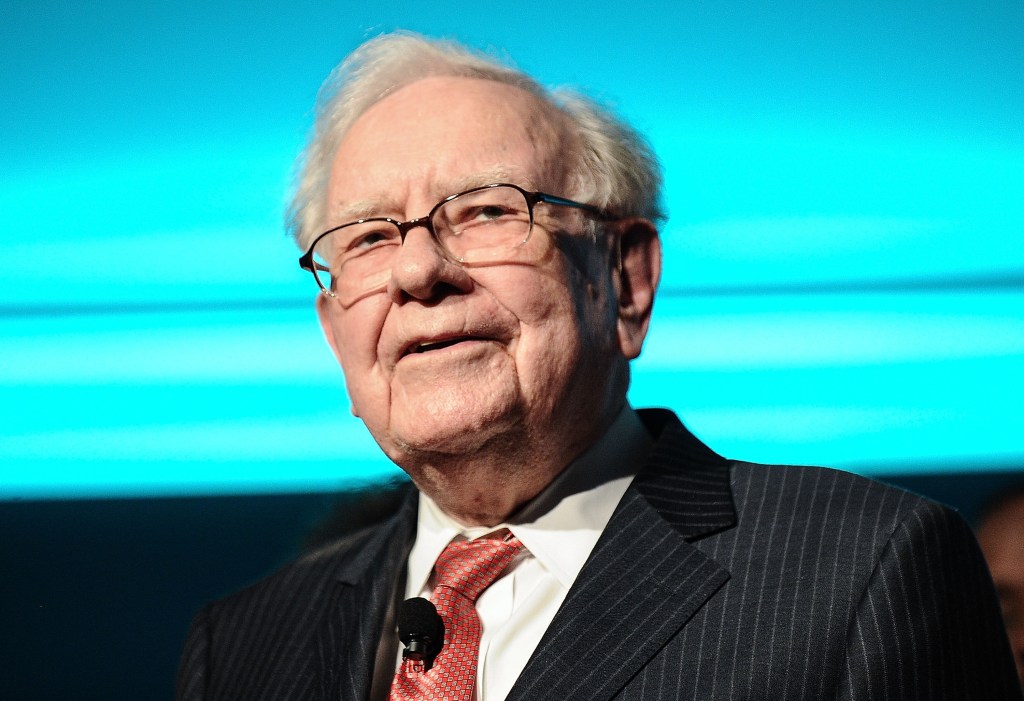
1 month agoWarren Buffett Defends the Giving Pledge as 'Billionaire Backlash' Grows. What's Behind the Revolt?
Warren Buffett reaffirms support for the Giving Pledge amid growing backlash from billionaires, including criticism from Peter Thiel about regret among signatories.
#charity-auction
Fundraising
fromFortune
1 month agoWarren Buffett revives his legendary charity lunch auction-this time with Stephen Curry. His last one raised $19 million | Fortune
Warren Buffett revives his charity lunch auction with Stephen and Ayesha Curry, aiming to raise funds for social justice and community support.
fromFast Company
1 month agoWarren Buffett says 4 timeless principles create lifelong success, fulfillment, and happiness
My managerial model is Eddie Bennett, who was a batboy. In 1919, at age 19, Eddie began his work with the Chicago White Sox, who that year went to the World Series. The next year, Eddie switched to the Brooklyn Dodgers, and they, too, won their league title. Our hero, however, smelled trouble. Changing boroughs, he joined the Yankees in 1921, and they promptly won their first pennant in history.
Business
fromFortune
1 month agoKalshi takes a page from Warren Buffett's March Madness playbook by offering $1 billion for a perfect bracket | Fortune
Kalshi is taking a page from Warren Buffett's playbook by offering a $1 billion prize to any user who has the perfect March Madness bracket, despite the odds being 1 in 120.2 billion.
Poker
#philanthropy
Fundraising
fromFortune
1 month agoWarren Buffett admits his original philanthropic plans were not 'feasible'-he's instead left his three kids $500 million a year to give away | Fortune
Warren Buffett is reallocating his wealth primarily to his children's charitable foundations for more effective philanthropy.
Fundraising
fromFortune
1 month agoWarren Buffett admits his original philanthropic plans were not 'feasible'-he's instead left his three kids $500 million a year to give away | Fortune
Warren Buffett is reallocating his wealth primarily to his children's charitable foundations for more effective philanthropy.
Venture
fromFortune
2 months agoBill Ackman is a self-described 'Buffett devotee'-and wants his $28 billion Pershing empire to be the 'modern-day' Berkshire | Fortune
Bill Ackman is taking Pershing Square public on the NYSE to create permanent capital and replicate Warren Buffett's Berkshire Hathaway model, targeting $5-10 billion through a dual listing structure.
Business intelligence
from24/7 Wall St.
2 months agoWarren Buffett Just Did Something He Almost Never Does - and It's a Signal Retirees Shouldn't Ignore
Warren Buffett has sold stocks for 13 consecutive quarters, accumulating $373 billion in cash, signaling that current equity valuations lack sufficient buying opportunities despite market highs.
Business
fromFortune
2 months agoWarren Buffett once admitted that selling McDonald's shares was 'a very big mistake.' Today, they'd be worth over $10 billion | Fortune
Warren Buffett sold his McDonald's stake in 1998 for $1.4 billion, a decision he later acknowledged as a major mistake that cost Berkshire Hathaway approximately $8.9 billion in unrealized gains.
Business
fromBusiness Insider
2 months agoWarren Buffett's most iconic stock picks are up 10 to 50 times since he bought them
Greg Abel highlighted four of Warren Buffett's most successful stock picks—Apple, American Express, Coca-Cola, and Moody's—in his first shareholder letter, with positions worth 10 to 50 times their original cost.
from24/7 Wall St.
2 months agoWarren Buffett's Final Investment: The Oracle Ends His Career Where He Started
The investment thesis fits Buffett's lens precisely. The Times possesses an irreplaceable brand moat with 175 years of history, digital subscription revenues growing 14% annually, and gross margins stabilized around 48%, demonstrating the pricing power he has always prized in media. NYT has also diversified intelligently. Wordle became a cultural phenomenon. The Athletic acquisition brought the world's largest sports journalism operation into the fold. Cooking offers 25,000+ vetted recipes. This is a portfolio of habit-forming content products anchoring daily routines for millions.
Media industry
from24/7 Wall St.
2 months agoWhy Did Buffett Dump Amazon?
In his final quarter as CEO of Berkshire Hathaway ( NYSE: BRK-B), Warren Buffett reallocated his technology holdings. In the process, he sold 75% of his Amazon (NASDAQ: AMZN) position, according to Bloomberg. He has held the stock since 2019. Buffett also reduced his investment in Apple ( NASDAQ: AAPL | AAPL Price Prediction), a move he has made for several quarters. Like many of the world's largest investors, Buffett does not always provide a rationale for buying or selling a stock.
Business
from24/7 Wall St.
2 months ago3 Billionaires Have One Key Stock As Their Largest Holding. You'll Be Surprised to Know What It Is.
That said, when looking at truly world-class investors with exposure to single-stock names, I thought I'd look for one non-Magnificent-7 stock I think may be intriguing for investors to consider. I think I have it. I'm going to discuss why Costco ( NASDAQ:COST) appears to be so widely-owned in the world of wealthy investors, and why this stock may also be perfect for a small retail investor as well right now.
Business
Business
fromFortune
3 months agoWarren Buffett's son says he didn't know his dad was a billionaire until he was in his 20s-and his friends were just as surprised | Fortune
Peter Buffett did not realize his father's extreme wealth until his twenties despite Warren Buffett becoming the world's richest man in 2008.

fromFortune
4 months agoWarren Buffett's blind spot: Did Big Tech and the digital economy leave him behind? | Fortune
Warren Buffett is to investing what Einstein was to physics, Edison was to invention, and Mozart was to music. There will never be another one like him, and you should pity anyone who says they aspire to be "the next Warren Buffett." Whenever I hear someone talk about "the next Warren Buffett," I think of Antonio Salieri, Mozart's inferior rival, played brilliantly by F. Murray Abraham in the movie Amadeus.
Business
[ Load more ]