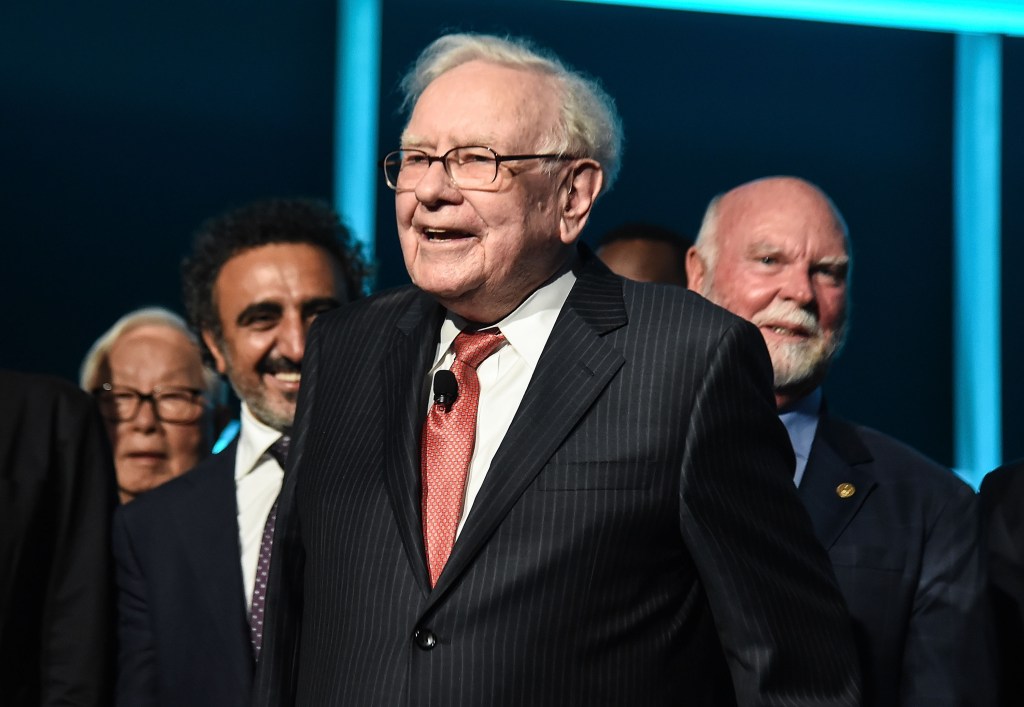
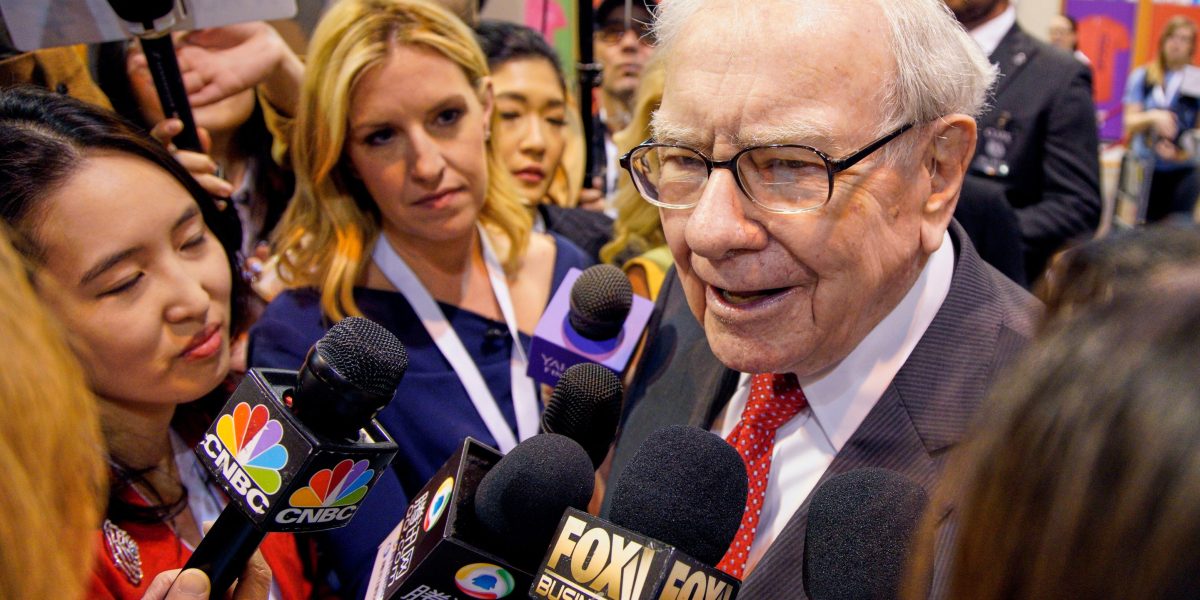
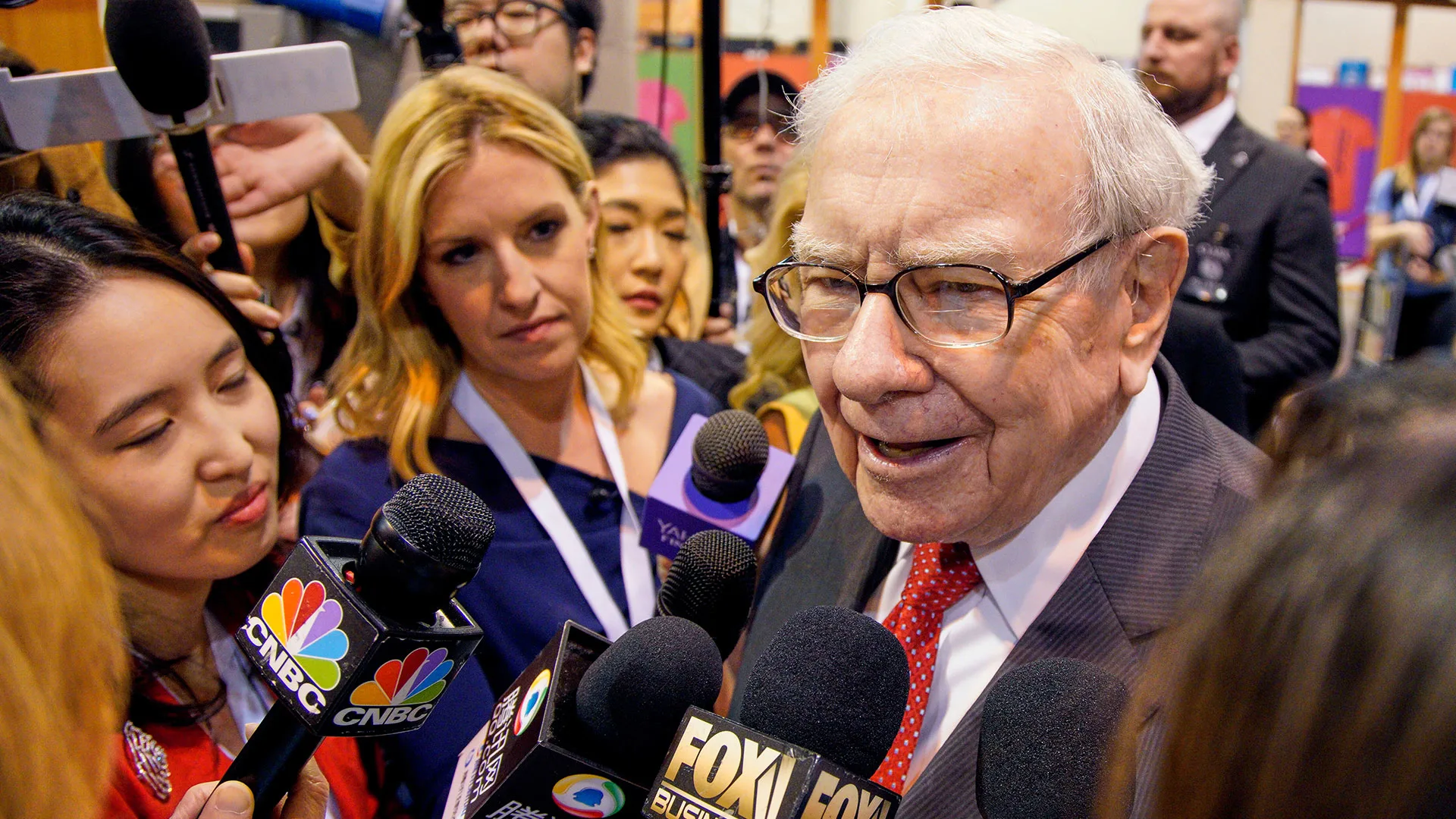
Barbara Goodstein, a managing partner at R360, an invitation-only investment and networking group for ultra-high-net-worth individuals, told CNBC on Monday that longtime Berkshire CEO Warren Buffett's impending departure offered a "lot of opportunity" for investors. Buffett, 95, is set to step down as the CEO of Berkshire at the end of 2025 after nearly 60 years in the role. He will be replaced by Greg Abel, who heads the firm's non-insurance businesses and will stay on as its chairman.
Based on the recent 13F filing, we've noticed Berkshire Hathaway Inc. ( NYSE: BRK-B) make significant moves in the third quarter. While the investor owns several artificial intelligence (AI) stocks, he also focuses on dividend-paying stocks. Apple ( NASDAQ:AAPL), American Express ( NYSE:AXP), and Bank of America ( NYSE: BAC) form 52% of his portfolio, and here's why I think they're an excellent buy.
If you had put $1,000 into the S&P 500 index at the beginning of those 60 years, you'd now have $441,196-a tremendous reward for doing nothing. But if you had put your $1,000 into Berkshire stock, you would now have a truly incredible $59,681,063. Another way to think of it: If you had invested $20,000 back then, you would today be a billionaire. Without doing a thing.
Warren Buffett and Michael Saylor represent two starkly different investment philosophies in the market. Buffett, Berkshire Hathaway's ( )( ) legendary Oracle of Omaha, favors safe, liquid assets like U.S. Treasury bills to preserve capital for future opportunities in undervalued stocks. In contrast, Saylor, executive chairman of Strategy ( NASDAQ:MSTR ), bets aggressively on Bitcoin ( ) as a hedge against inflation and a superior store of value.