#vintage-business
#vintage-business
[ follow ]
#sustainability #interior-design #home-decor #small-business #nostalgia #craftsmanship #shopping-tips
:max_bytes(150000):strip_icc()/TAL-wickford-antiques-estate-liquidators-NEANTIQUES0823-381086c4a2e04ccba568fab4b1ec6037.jpg)
Fashion & style
fromFortune
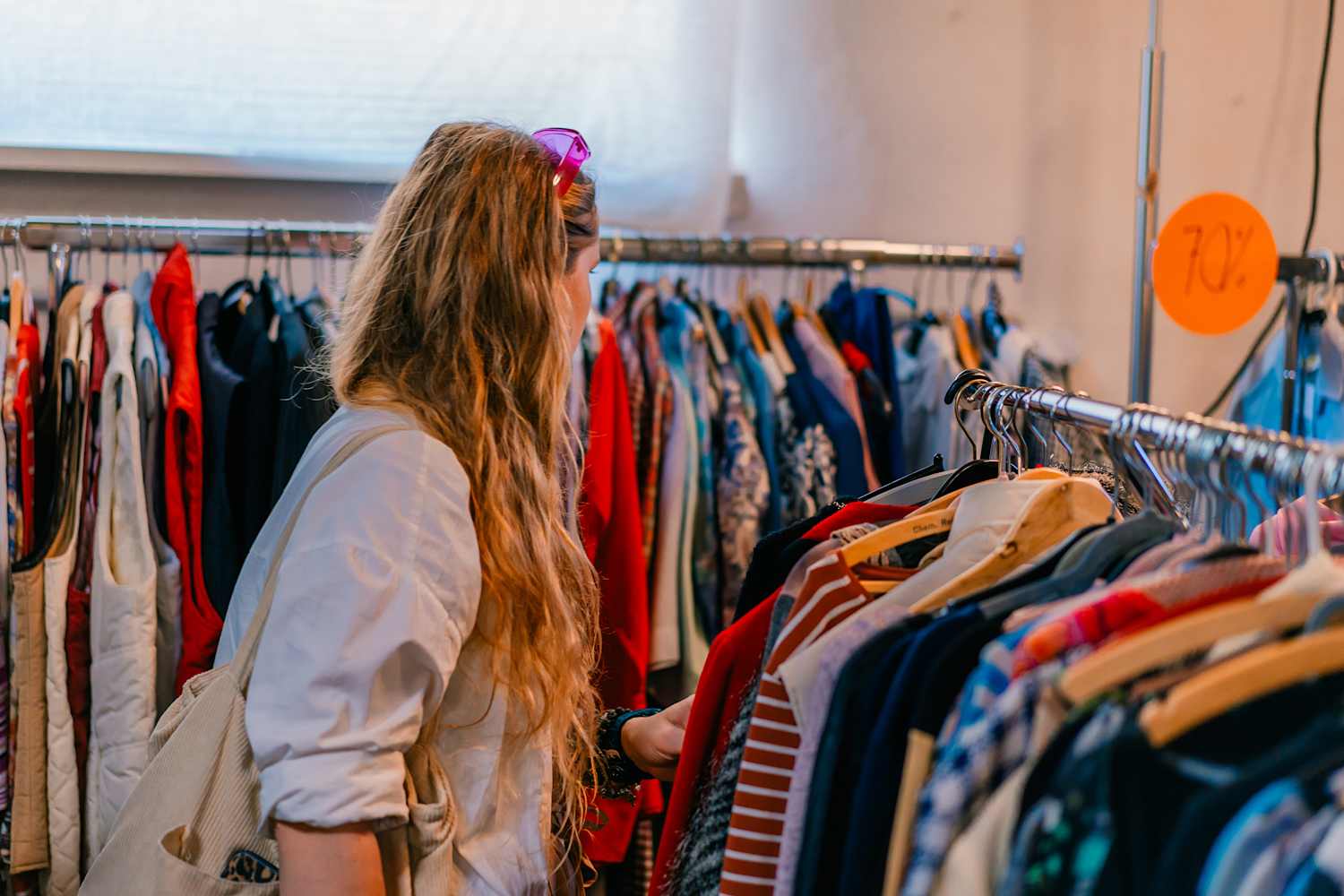
1 day agoAmericans are buying more used clothes, but the real story is who's buying what: luxury resale is booming and so is discount | Fortune
Americans are increasingly spending on secondhand clothes, reflecting a K-shaped economy with growth concentrated among high and low-income earners.
fromSilicon Canals
2 days agoI'm 66 and I sold the business I built over two decades for more money than I ever thought I'd see - and I spent the first week staring at my bank account trying to figure out why I didn't feel anything, and I finally understood that the money was never the point, the building was the point, and once it was gone I had to meet the version of myself who wasn't building something anymore - Silicon Canals
The money was supposed to feel like something. You work your whole life thinking about the payoff. The day you can finally relax. The moment you don't have to worry about making payroll or whether that big invoice will come through.
Retirement
fromScary Mommy
3 days agoThe Mall Raised Us. I Wish My Kids Had The Same Rite Of Passage.
The mall offered us our first taste of independence. By age 11 or 12, I was spending my babysitting money at the mall. My friend and I would promise to meet my mom or hers at a designated spot by a specific time, and then we were off. Just her and me for an hour or two. It was a rite of passage, and we loved how grown-up it made us feel.
Berlin food
Writing
fromwww.businessinsider.com
6 days agoI found boxes of my dad's McDonald's memorabilia from the '70s and '80s. I decided to sell them all.
A father's extensive collection of McDonald's memorabilia reflects his career and passion for collecting, revealing hidden treasures during a family downsizing.
#sustainable-fashion

Fashion & style
fromBusiness Matters
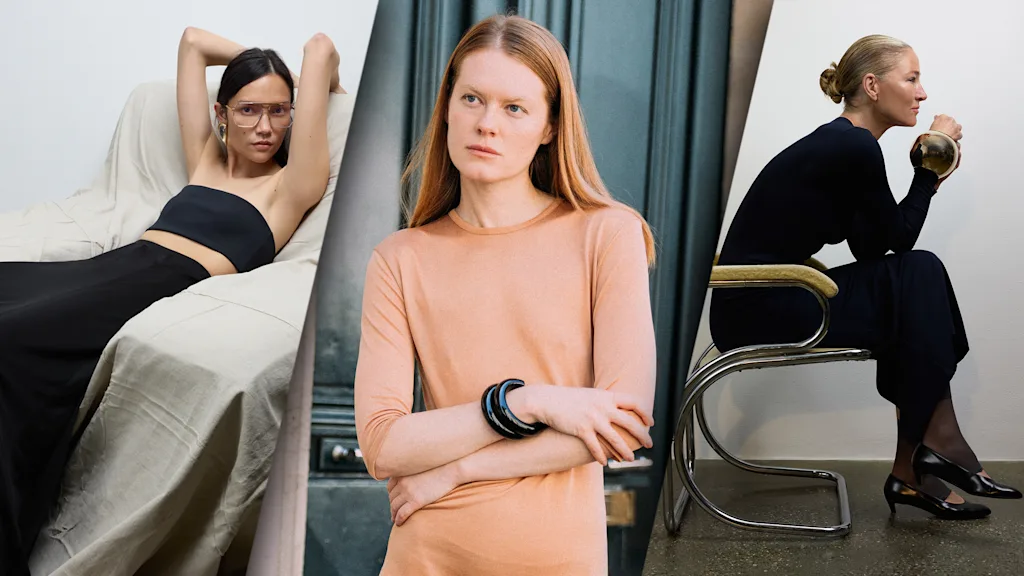
1 month agoWhy Sustainable Fashion is More Than Just a Trend: Clothing, Bags, and Accessories for a Better Future
Sustainable fashion has moved from niche to mainstream as consumers increasingly demand transparency about production, labor practices, and environmental impact of clothing and accessories.
#thrifting
Remodel
fromwww.businessinsider.com
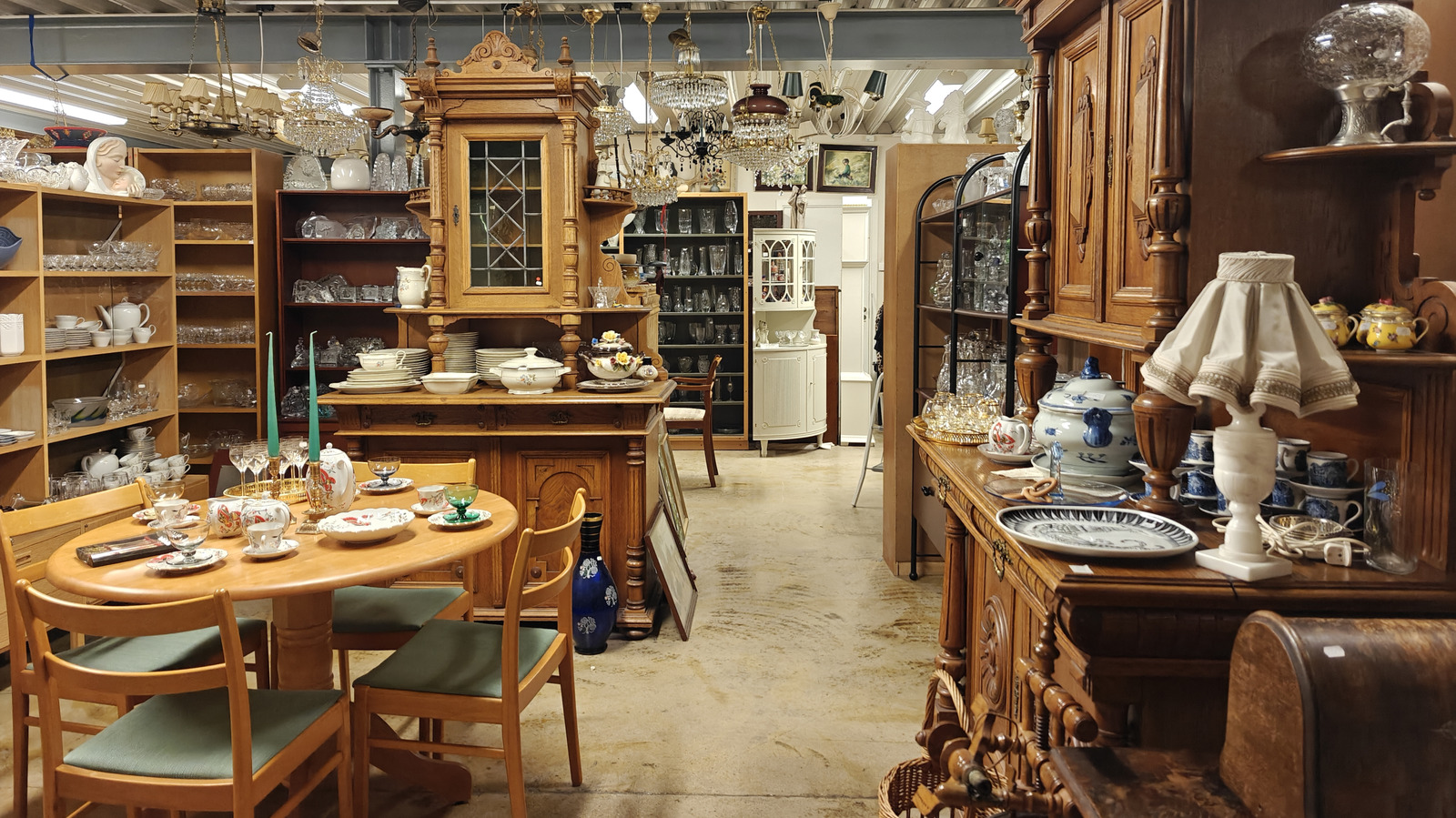
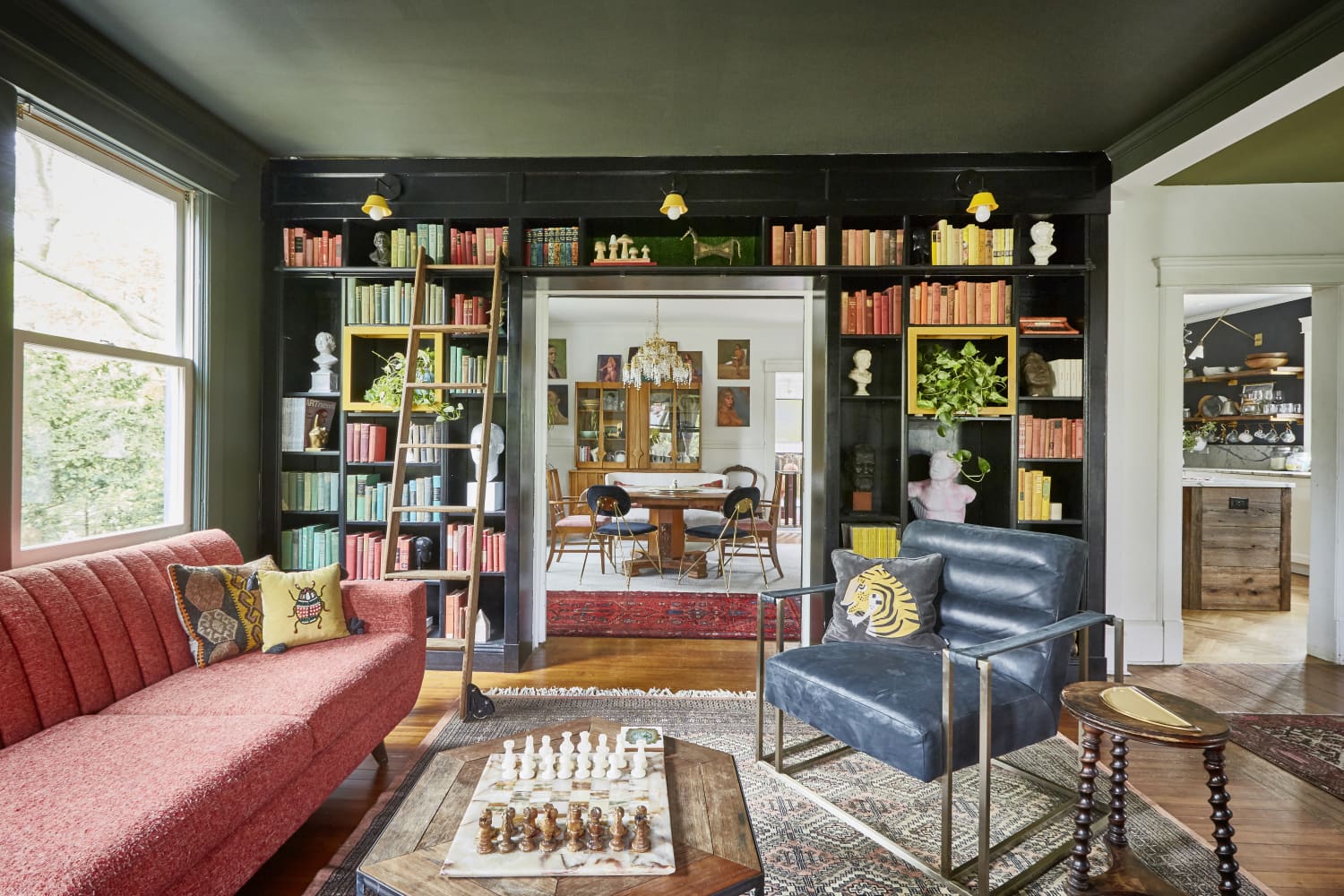
5 days agoWith a family of 6, I have to keep an eye on our budget. Thrift shopping has helped me furnish our home and buy luxury clothes.
Thrifting has transformed from a hobby to a necessity, providing affordable home furnishings while accommodating the challenges of family life.
fromChrbutler
2 weeks agoCraft is Untouchable - Christopher Butler
Craft is often defined as skill in making things by hand, but this interpretation is being challenged by AI. Craft transcends physical interaction; historical figures like Mozart and Beethoven exemplify mastery without traditional methods.
Intellectual property law
Fashion & style
fromEntrepreneur
2 weeks agoThey Brought in $5K Per Weekend at Craft Fairs - Then $1.5M a Year - Thanks to an Unusual Business Model: 'Incredibly Fast Scale'
Chen and Wu launched Never Have I Ever, a beauty startup focused on wearable art, achieving $1.5 million in revenue and a 'Shark Tank' deal.
Women
fromLondon On The Inside
1 month agoSupport Small Businesses and Female Creatives at This Market
Women Will Create hosts makers markets for female creatives and small business owners at Abney Public Hall, with spring markets scheduled for March and April featuring 30 brands across various creative categories.
fromBusiness Insider
1 month agoI went to an estate sale to find out why millennials and Gen Zers love buying cheap stuff from aging baby boomers
I call it the tsunami of stuff. It's cresting. There are a lot of baby boomers. America's over-65 population reached 55.8 million in 2020, and an additional 42.4 million are in the 55-64 age group. This adds up to nearly 100 million people who have amassed a large amount of possessions - stuff they bought, stuff they got from their own parents, stuff their kids stuck them with.
Boston real estate
fromFast Company
3 weeks ago'Leverage the local': The fashion trend that explains why everyone around you is channeling their inner tourist
Clothing that bears the name of a city near or far has become a closet staple for many consumers in recent years, evolving from impulse purchases to mainstream fashion.
Fashion & style
fromBusiness Matters
1 month agoThe Benefits Of Starting A Small Business In Your Golden Years
Turning skills into a fulfilling and profitable venture is a natural next step for active seniors. The transition offers a way to monetize years of dedication and hard work. Creating a business plan for a hobby allows for a low-stress entry into the market. You already understand the product or service better than most competitors.
Retirement
SF parents
fromBusiness Insider
1 month agoI inherited a storage unit from a family friend. It was full of vintage clothes, which I now sell online.
Scottlynn Krause and her mother launched CS80 Vintage after inheriting thousands of pristine 1980s sportswear items from a family friend's defunct sporting goods store, converting a disposal problem into a successful online business.
Business
fromLondon Business News | Londonlovesbusiness.com
2 months agoThe rising appeal of traditional goods in modern investment portfolios - London Business News | Londonlovesbusiness.com
UK investors increasingly allocate to tangible alternative assets for stability, scarcity-driven appreciation, and clearer ownership, balancing portfolios against market volatility.
fromThe Walrus
2 months agoThrifting Was about Frugality. How Did It Become All about Profit? | The Walrus
"I 'm the most hated man in town," Ray McKelvie told me. The town in question was Clinton, British Columbia, approximately 350 kilometres northeast of Vancouver, on Highway 97. Later, I asked another Clinton resident whether McKelvie's claim was true. She thought for a moment. "Well, there's Joe, who lives in the trailer park," she said. "We don't like him much either. But it's about even."
Miscellaneous


Parenting
fromBusiness Insider
1 month agoMy mom has been collecting miniatures for 50 years. They have taken over our 1000-square-foot basement.
Celina Myers' mother has collected miniatures since age 14, filling their entire basement with thousands of organized tiny treasures that continue to bring her joy despite physical disability.
fromSilicon Canals
2 months agoTreasures worth thousands: homeowners discover vintage items hidden in walls during renovation - Silicon Canals
Picture this: you're knee-deep in renovation dust, crowbar in hand, when something unexpected tumbles from behind century-old plaster. A yellowed envelope? A strange metal box? That moment when your heart skips because you realize you might have just found something extraordinary. For some lucky homeowners, these discoveries turn out to be worth thousands of dollars, transforming a simple home improvement project into an unexpected treasure hunt.
Renovation
fromYanko Design - Modern Industrial Design News
2 months agoThe Case for Heirloom Furniture in an Era Obsessed With Biodegradable Everything - Yanko Design
Furniture made from mycelium or algae can decompose in five years, sure, but a well-made antique armoire outlives empires because no one throws it away. Columns takes that logic seriously. Handcrafted in solid oak, natural leather, and horsehair, the pieces are built to last a thousand years, which sounds like marketing hyperbole until you look at the joinery, the hand stitching, and the material choices. This is furniture designed to be inherited, repaired, and remembered.
Design
Fashion & style
fromEntrepreneur
1 month agoYoung Entrepreneurs Are Building Businesses Around 'Grandma Hobbies' and Demand Is Surging
Millennials and Gen Z entrepreneurs are building thriving businesses around analog hobbies like needlepoint, mahjong, and blacksmithing as an antidote to screen fatigue and digital burnout.
Remodel
fromWIRED
1 month agoSpring Cleaning? Here's How to Declutter Responsibly-and Maybe Earn Some Cash
Spring cleaning becomes manageable by separating decluttering from deep cleaning, dividing your home into smaller specific spaces, and choosing one area to start with using proven decluttering strategies.
fromBored Panda
2 months ago80 Vintage Ads That Show Which Values Changed And Which Stayed The Same Over Time
We might be exposed to more ads and commercials today than ever before in human history, but the idea of advertising itself is certainly not a new concept. According to Instapage, the first signs of advertisements actually appeared in ancient Egyptian steel carvings from 2000 BC. Meanwhile, the first printed ad was published in 1472, when William Caxton decided to advertise a book by posting flyers on church doors in England.
Marketing
fromApartment Therapy
1 month agoI Tried the 3-Step Method That Makes Vintage Lamps Look Fancy (Not Thrifted!)
First, you probably have to rewire the lamp. Unless the seller already did it for you, it's best to rewire any vintage finds so you know they've been safely updated. The process isn't that hard, but you will need to buy the supplies and spend the time to do it correctly.
Design
fromVogue
1 month agoHow a New Generation of Designers Are Promoting, and Protecting, Their Names
What if I took my design lens and built out my essentials capsule for the Everlane customer? I felt like that would be a really amazing opportunity for me to introduce myself as a designer to an audience outside of EB Denim.
Fashion & style
[ Load more ]