Everyday cooking
fromTasting Table
6 hours agoThe One-Second Trick That Doubles The Life Of Your Kitchen Sponge - Tasting Table
Cutting kitchen sponges in half doubles their lifespan and saves money.
Windex is an unexpected household cleaner that can degrease your kitchen and dissolve wallpaper glue and residue. The ammonia in Original Windex is a solvent that breaks down the adhesive properties of glue in wallpaper, allowing you to wipe it off the wall easily.
"What surprised me is we are still seeing so many visits to emergency departments associated with very common household cleaning products," Lara McKenzie, Ph.D., stated, emphasizing the ongoing issue despite safety advancements.
The Clean+Wash Hygiene tweaks the way debris is collected. It still has a dirty-water tank and a debris tray, but it keeps both in the head of the device rather than cycling dirty water back up into a separate tank on the cleaner. Disposal looks similar to the old device, with the user still needing to empty both the dirty water and the debris tray, but removal of these items can happen at the same time.
Washing machine rubber door seals are one of the biggest hidden breeding grounds for mould in the home. They trap moisture, detergent residue and fabric fibres during and after washes, creating the perfect warm, damp environment for mould and bacteria to thrive.
Some of my best discoveries, turns out, were found in the most typical of hardware and sundries stores. When it comes to cleaning, the French aren't wielding harsh chemicals or power tools, but rather, sticking to what's worked for generations. Among us at Remodelista, there's at least one tool or product we've each co-opted into our own American homes. Here are our favorites.
Kids and clean cars don't mix. Between snack crumbs, stray toys, and sticky fingerprints, your backseat can feel like a disaster zone. No matter how often you tidy up, the mess always returns. So how to keep the car clean? But a messy car doesn't have to be your reality! With simple systems and quick clean-up habits, you can keep things under control. The key is working with the chaos instead of against it -because kids will always make a mess.
If you were a child of the '70s or '80s, you may remember the bubbling sound of hydrogen peroxide fizzing on an open wound. Back then, it was the go-to for parents who were looking to disinfect the cuts and scrapes that their kids would come home with. Since then, science has shown that it's actually not all that great for a wound, but there's no need to throw out that bottle if you do find one.
When I was growing up, shampoo options were limited, and Johnson's Baby Shampoo was a household staple. It lathered well, smelled clean, and was gentle enough to use every day. At some point, my mom realized that same gentleness made it effective on clothes, too. She believed in the product so completely that I never questioned it - and eventually, I adopted the same habit in my own home.
The grout on my bathroom floor tile haunts me. It's one of those projects I never really have the time or the initiative to tackle, but I hate how dirty it's become. It's beyond the maintenance stage and in need of a really good cleaning. Luckily, I discovered a DIY grout cleaner using common household products that worked wonders in my bathroom.
It's about what happens in those crucial minutes before bed. The psychology behind this makes sense. As behavioral scientists have found, our environment significantly impacts our stress levels and mental clarity. A cluttered space often leads to a cluttered mind. Those who maintain consistently clean homes have figured out that small, nightly rituals prevent the overwhelming buildup that sends the rest of us into cleaning frenzies.
I'll be honest: Washing my actual pillows (not just the cases) used to be one of those chores I knew I should be doing, but rarely actually did. As long as my pillows were tucked inside clean pillowcases, I convinced myself they were fine. But that all changed after I came across this article on Apartment Therapy where three popular pillow-washing methods were put to the test.
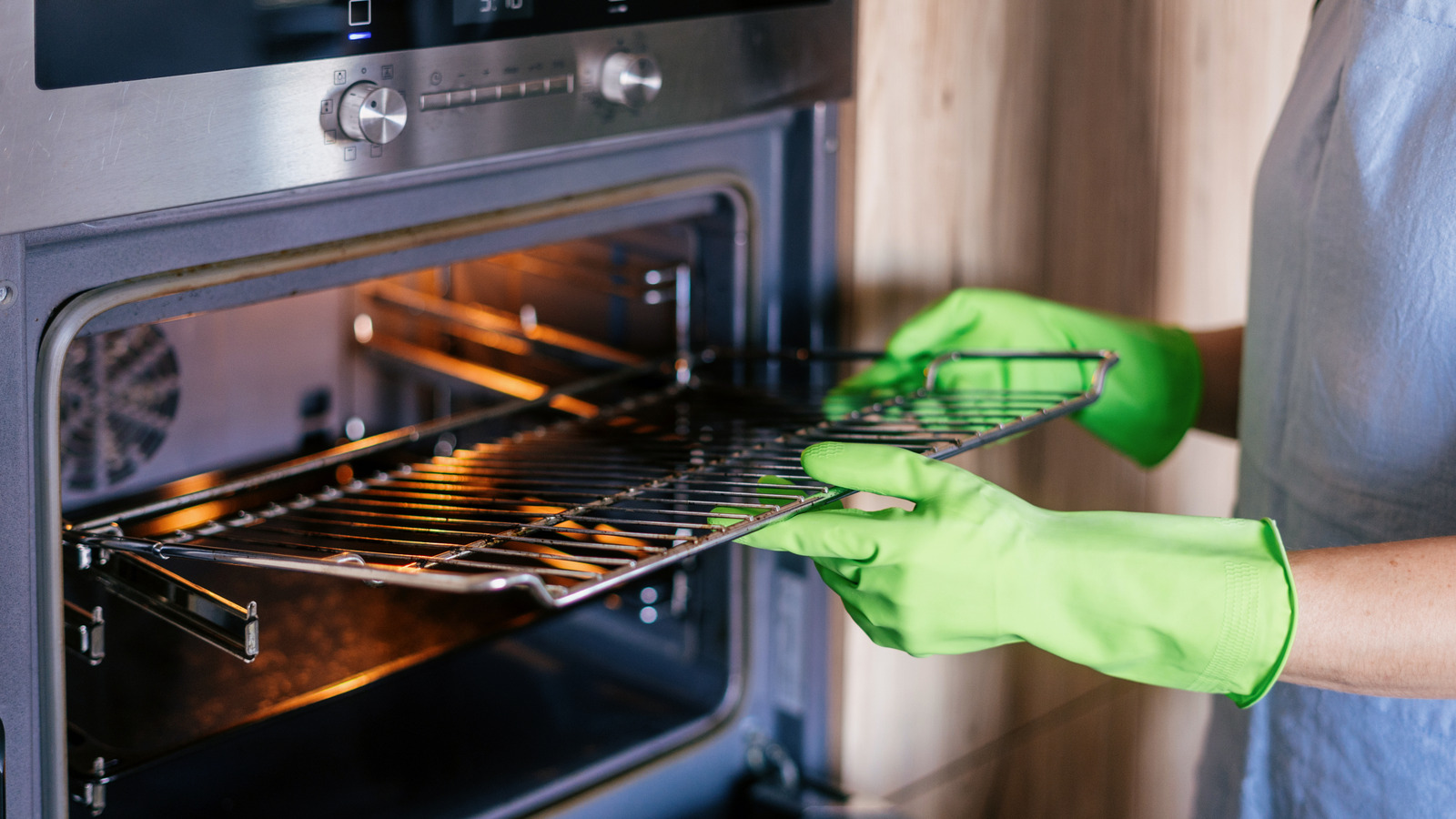
But once food has carbonized and bonded to metal, the issue is mechanical, and you need something to physically break the residue apart. Eggshells are mostly composed of calcium carbonate, the same mineral found in chalk and limestone - you've probably encountered it in your toothpaste, too. When crushed into a powder, these shells become a mild abrasive, which can gently sand down the grime.
If you want to hang art, tighten loose drawer pulls, change lightbulbs, and safely plug in electronics (read: live your day-to-day life!) at home, you'll want to keep a few basic tools on hand. - Former Home Projects Editor, Sarah Everett 1. A Flathead Screwdriver 2. A Phillips Head Screwdriver 4. An Electric Screwdriver or Power Drill 8. An Assortment of Nails 9. Extra Screws, Nuts, and Bolts 16. Oil and Water-Displacing Spray
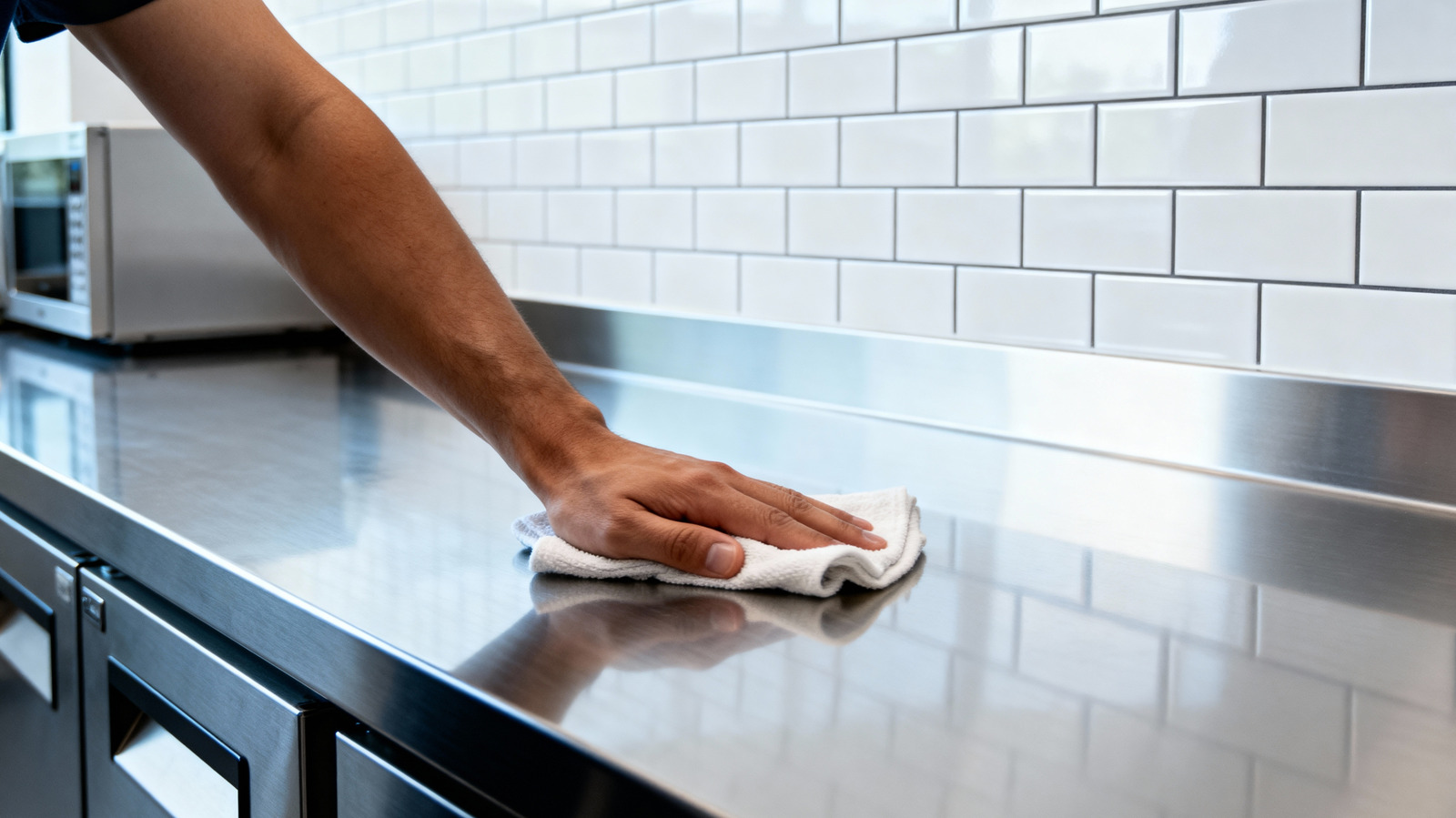
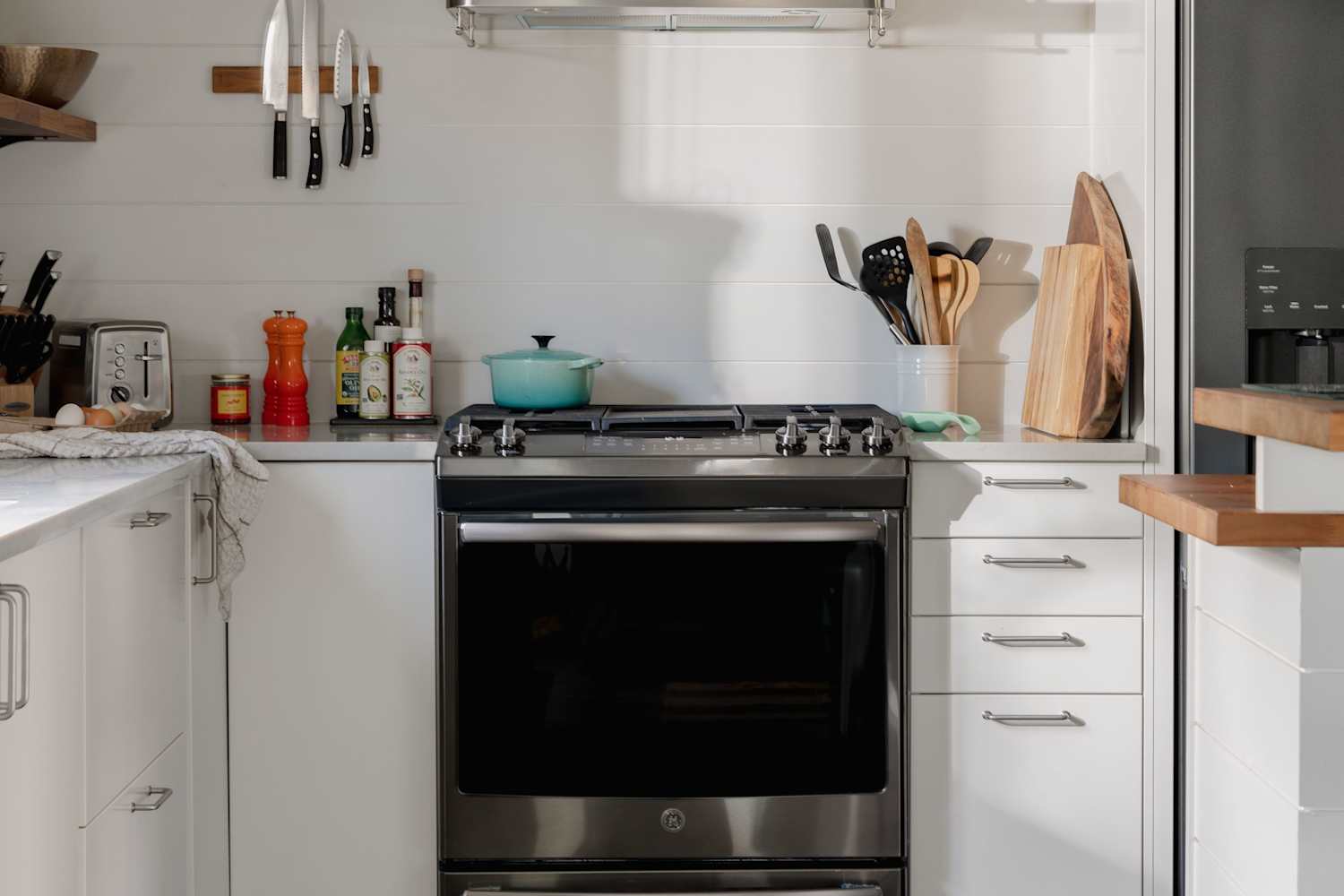
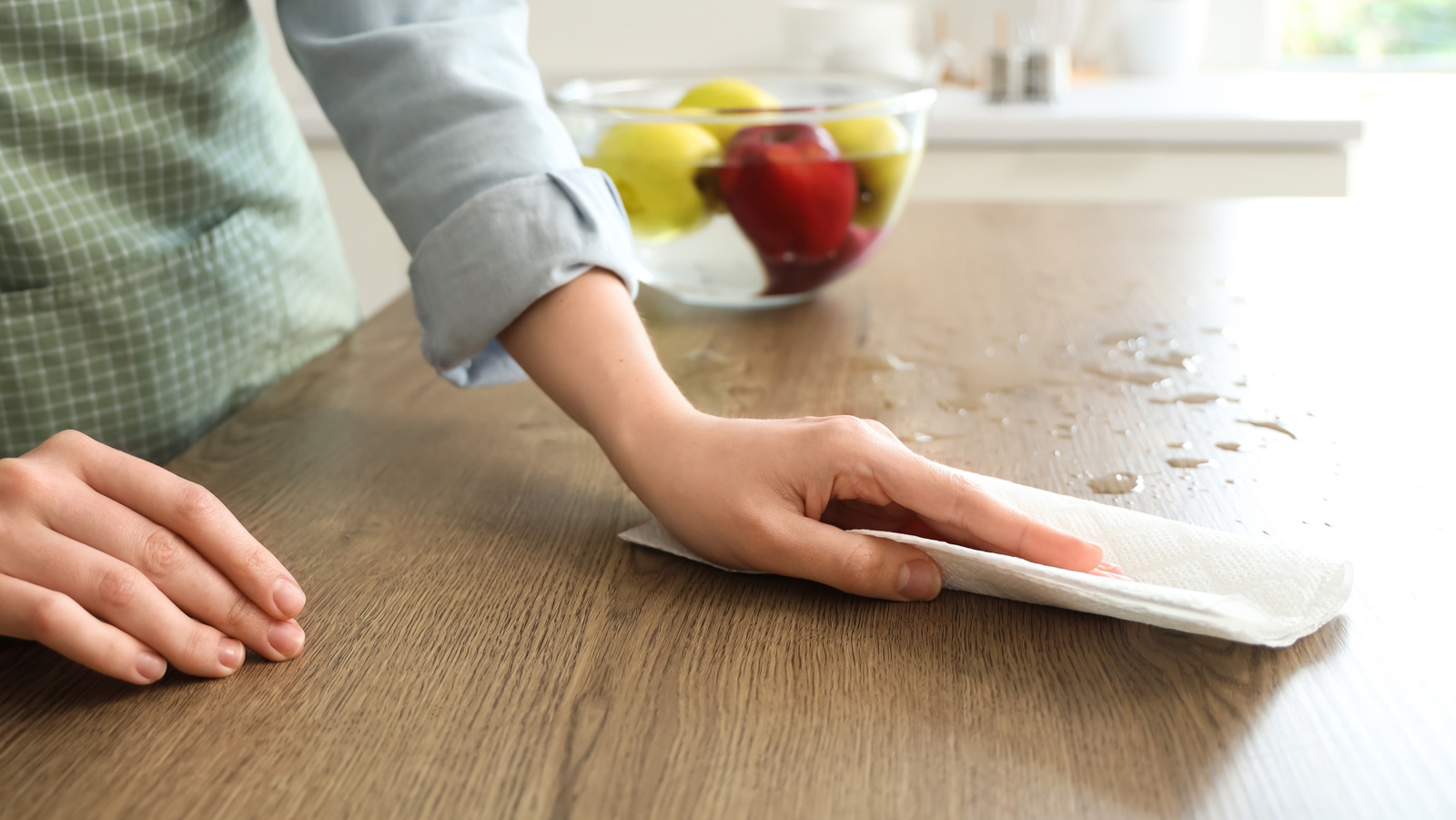
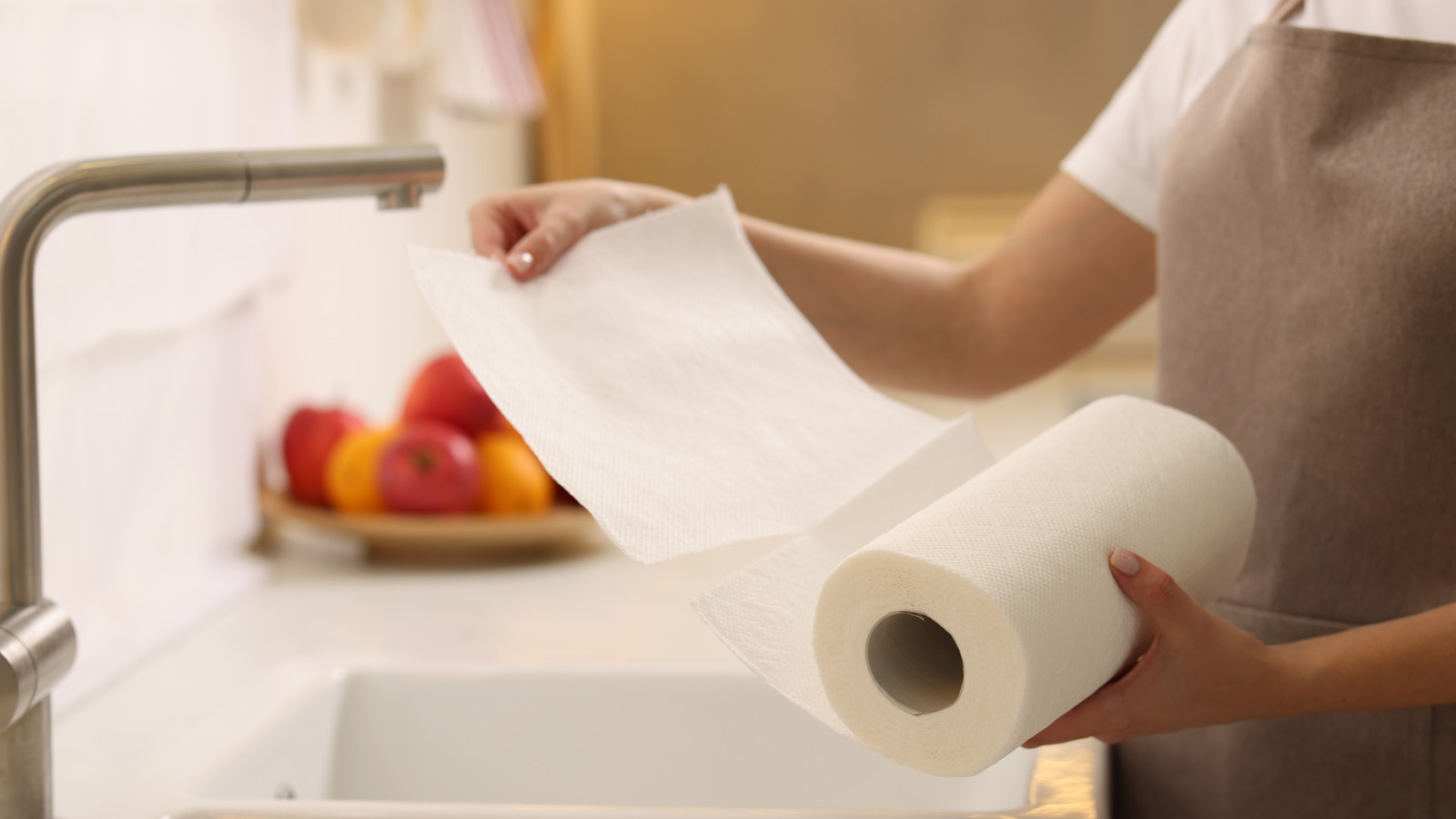
Stainless steel is known for its shiny look and incredible durability, which makes it a great choice in your kitchen, whether we're talking stainless steel appliances or cookware. But when cleaning cooking residue and grease from pans or polishing off your stainless-steel fridge, it's important you don't reach for the paper towels since they can leave scratches and leftover fibers on the surface of the material.
In an Instagram Reel, creator @alyssalanemcnair demonstrates using a leaf blower indoors to push debris out from under furniture, along baseboards, and out of tight, hard-to-reach spaces. The concept is simple: Instead of vacuuming or sweeping, you use the airflow to move dirt, dust, and debris out from areas traditional tools struggle to reach. It sounds chaotic (and it definitely looks dramatic), but in practice, it's surprisingly strategic - especially if you're intentional about where the mess is being directed.
It's not typically harmful to humans, although you may want to avoid cooking your beans in hard water. These minerals can also make cleaning more of a struggle. Soap reacts the way you want it to in soft water. In hard water, parts of soap bond to some of those minerals and create soap scum, reducing cleaning power and leading to deposits that are especially visible on silverware and glassware.