#st-pauls-church
#st-pauls-church
[ follow ]
#london #southbank-centre #architecture #cultural-heritage #brutalism #heritage #london-history #national-gallery
fromConde Nast Traveler
2 days agoA First Look at the V&A East Museum-London's Most Exciting New Cultural Addition
"What we wanted to do was to make this about people. When I came into my role, it was exactly at the time that the pandemic began. We built a team, an idea, and a vision through remote work."
London


fromwww.theguardian.com
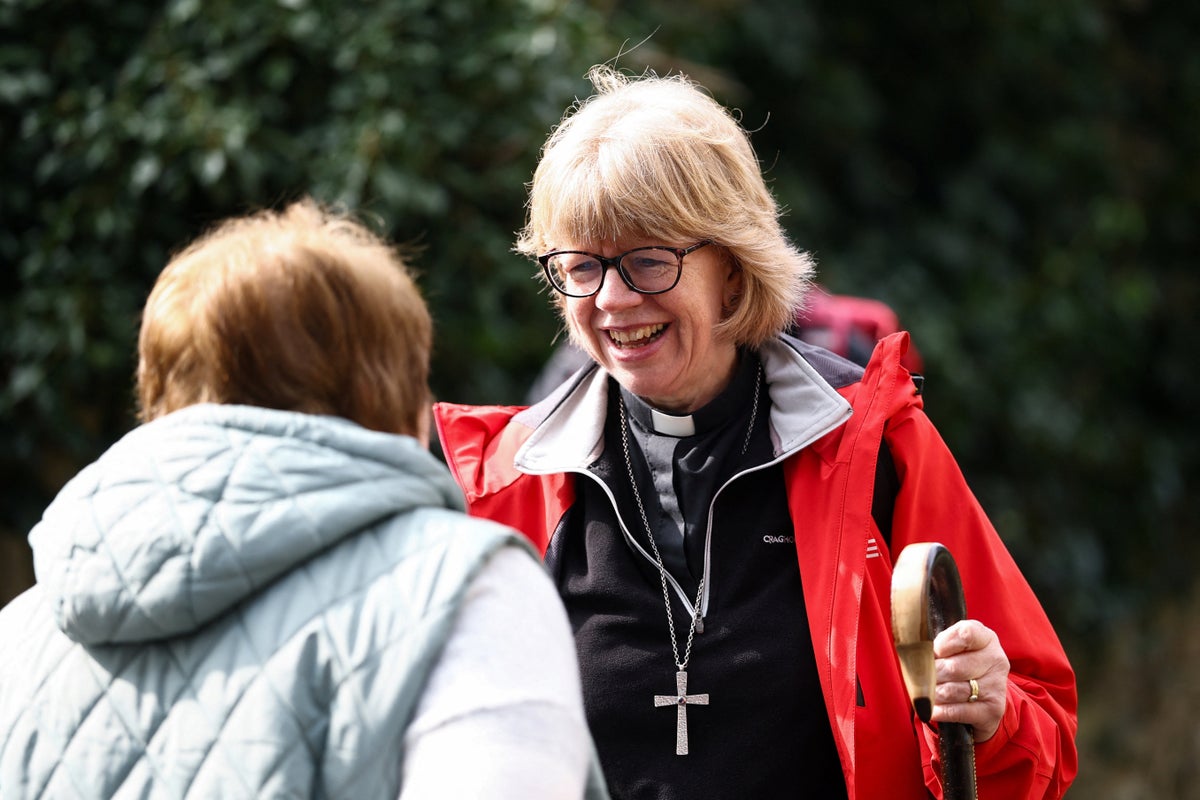
4 days agoLincolnshire church leaning more than Tower of Pisa needs 100k to fix wonky floor
The church was originally built as a Chapel of Ease for older residents to attend rather than walking to neighbouring Westborough. It later became its own parish church and its tower, dating from the 14th century, is estimated to have first moved in the late 19th century or early 20th century.
Renovation
fromMedievalists.net
3 weeks agoHow Many Workers Built a Medieval Cathedral? - Medievalists.net
The financial accounts kept by the fabrique for Girona Cathedral provide exceptionally detailed records, allowing historians to calculate the total number of workers and the average employed per year.
History

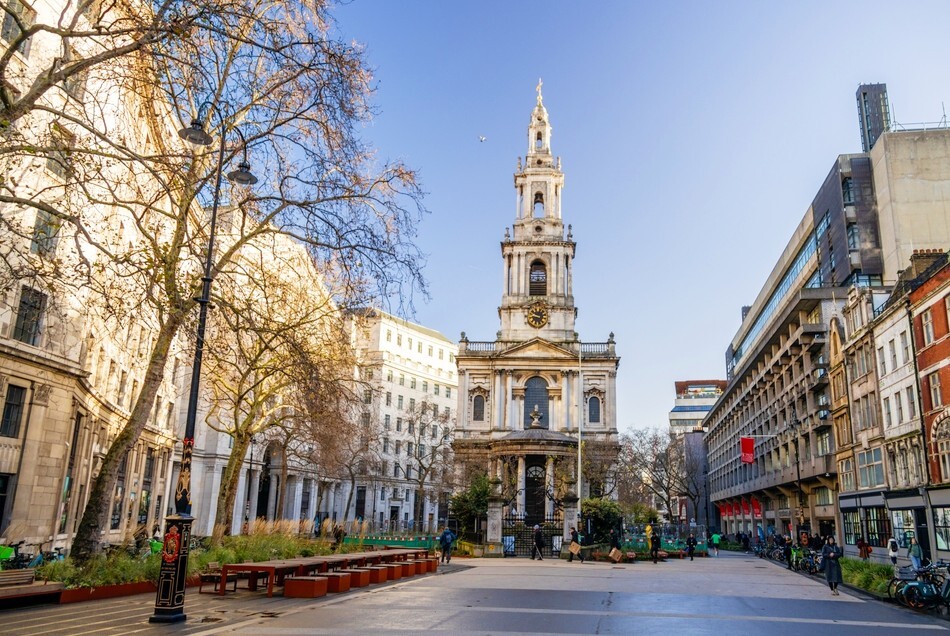
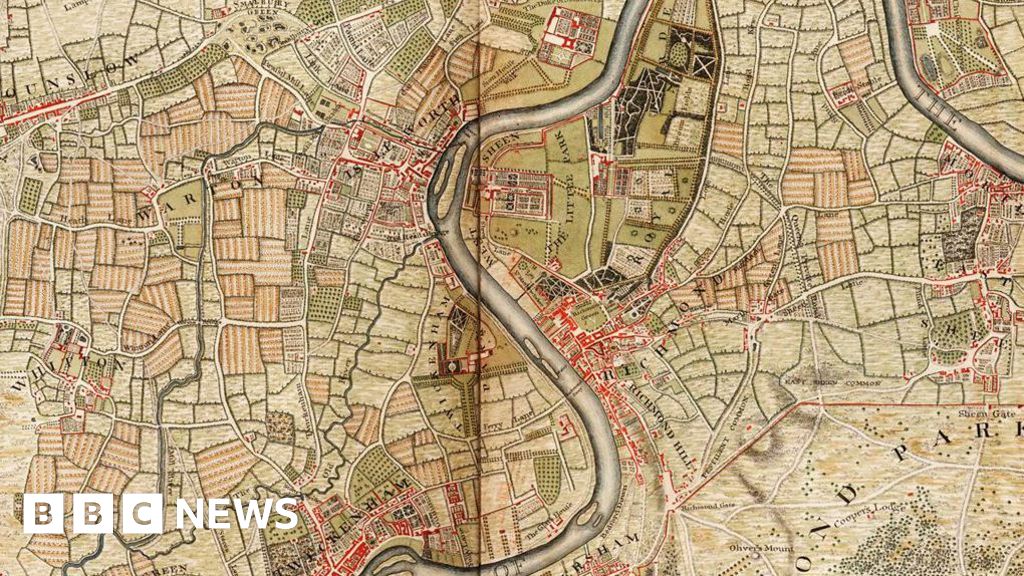
fromwww.amny.com
1 month agoA tale of two Manhattan churches: Landmarks Preservation Commission weighs landmarking one house of worship, demolishing another | amNewYork
The Catholic Church of Saint Mary at 440 Grand St. on the Lower East Side was built in 1833 with a Romanesque Revival facade designed by prolific architect Patrick Charles Keeley in 1864. Keeley, the church's architect, designed nearly 600 churches during his career, but this would mark the first of his works to be landmarked in New York City.
Upper West Side
fromianVisits
1 month agoThe church with anti-aircraft guns: Kilburn's unusual naval relics removed
The Grade II listed building is on Historic England's Heritage at Risk Register and is currently recorded as being in poor condition. The national Marine Society and Sea Cadets (MSSC), which held the lease, has confirmed that it can no longer meet the building's repair obligations and will surrender the lease so that restoration can be carried out by new occupants.
London music


fromTime Out London
2 months agoThis gorgeous art deco office building in the City of London is being converted into a hotel
If you're an art deco architecture geek, you'll no doubt know all about Ibex House. The shimmering pale office building, which you'll find on the east side of the Minories in the City, is renowned for its long streamline moderne curves and mesmerising black-framed windows. The vast H-shaped structure is Grade II-listed and one of London's most remarkable surviving art deco buildings.
Remodel
fromrestlessfeet.com
2 months agoThe Westin London City
The hotel is located on the historic Queenhithe Dock on the Thames, a natural inlet where Alfred the Great arrived in 886 to rebuild the city after it was abandoned by the Romans. Queen Matilda was granted the dues from the dock in the early 12th century, hence the name Queenhithe. Nowadays, the Westin London City is a perfect spot for visiting theatres and museums it has a spectacular view over Shakespeare's Globe and Tate Modern, which are just across the river.
Travel
London politics
fromwww.standard.co.uk
1 month agoTower of London 'at-risk of serious harm' under draft plan for Square Mile
Historic England warns that the City of London Corporation's City Plan 2040 poses serious risks to the Tower of London's preservation due to excessive development scale and location.


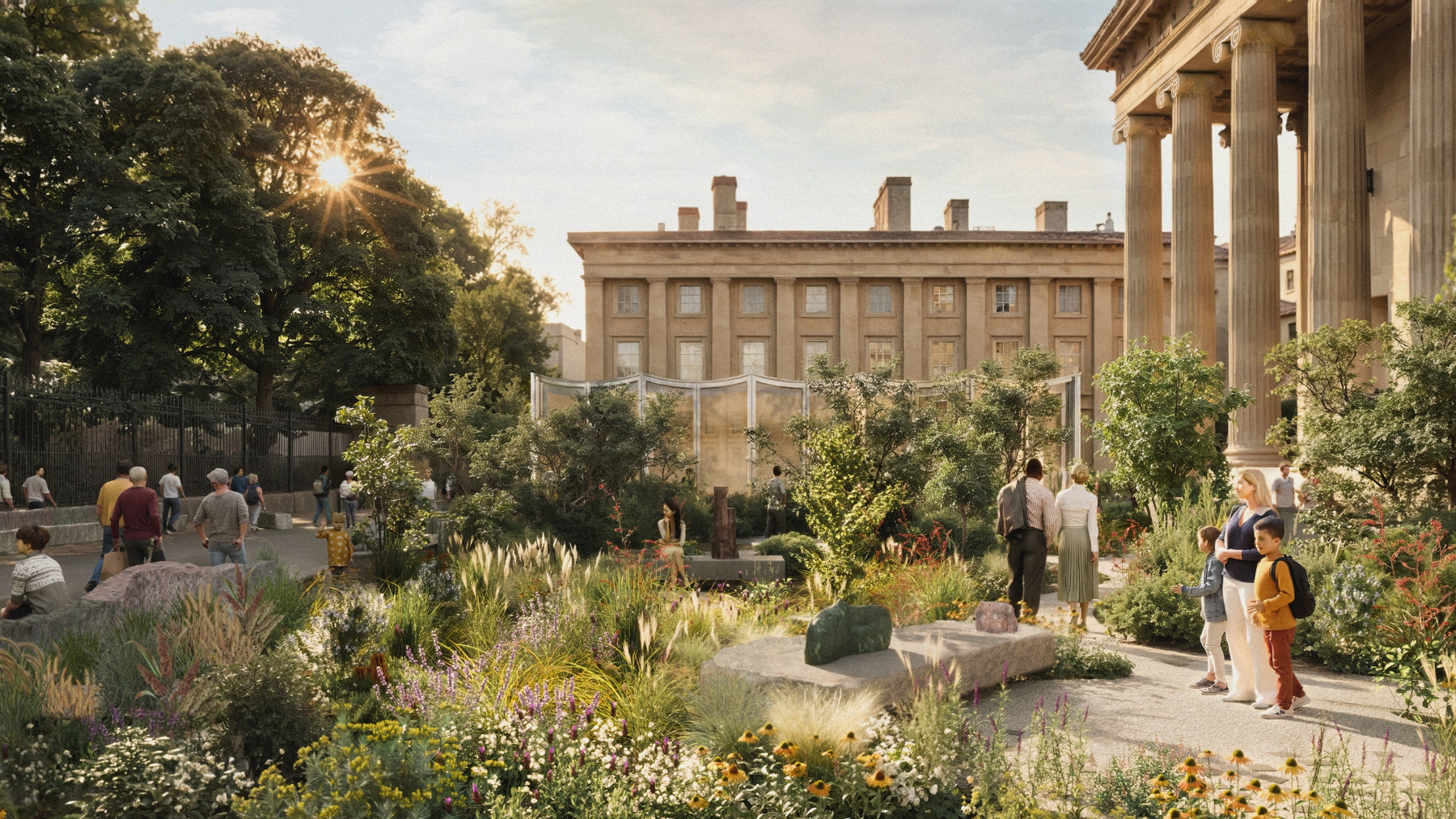
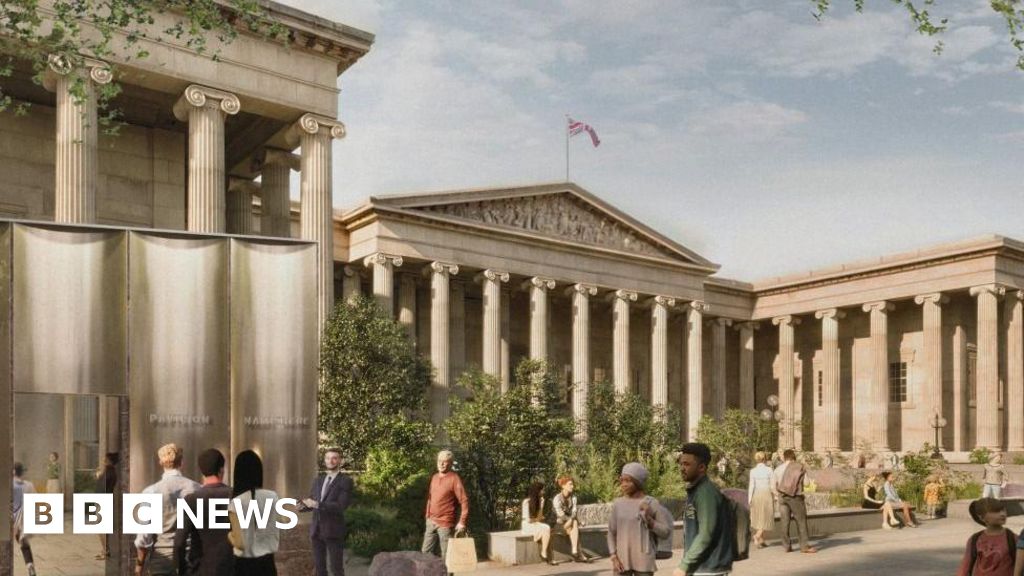
Renovation
fromThe Art Newspaper - International art news and events
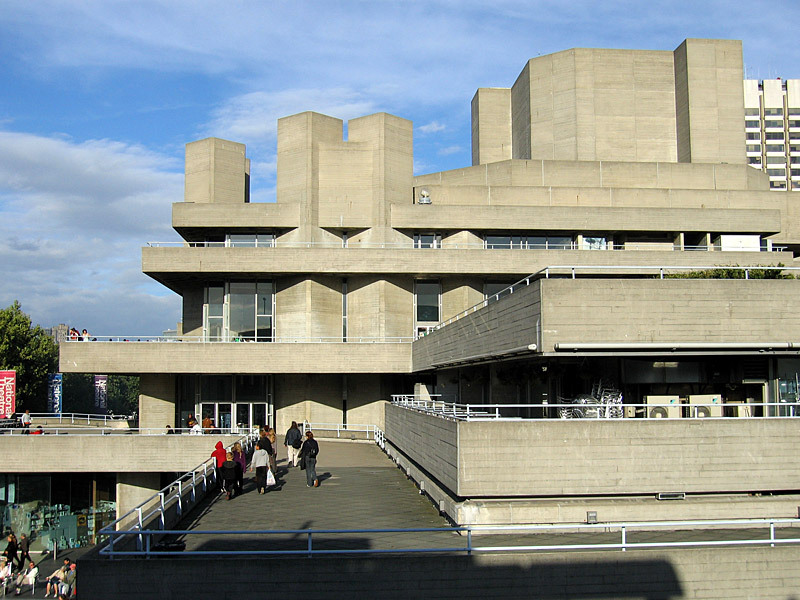
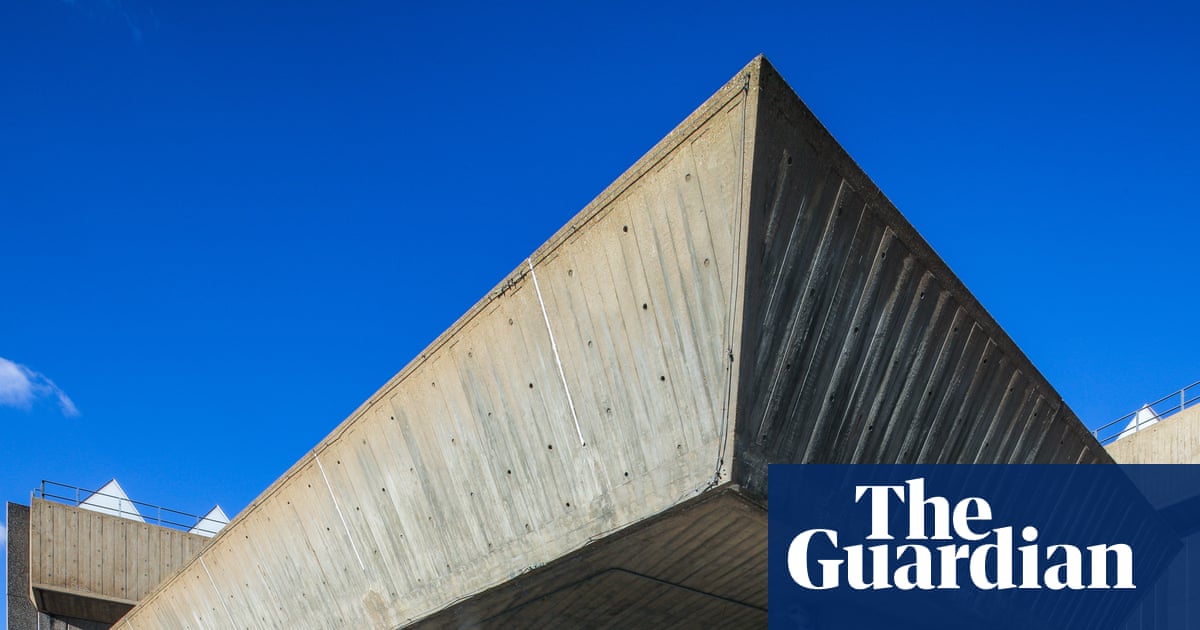
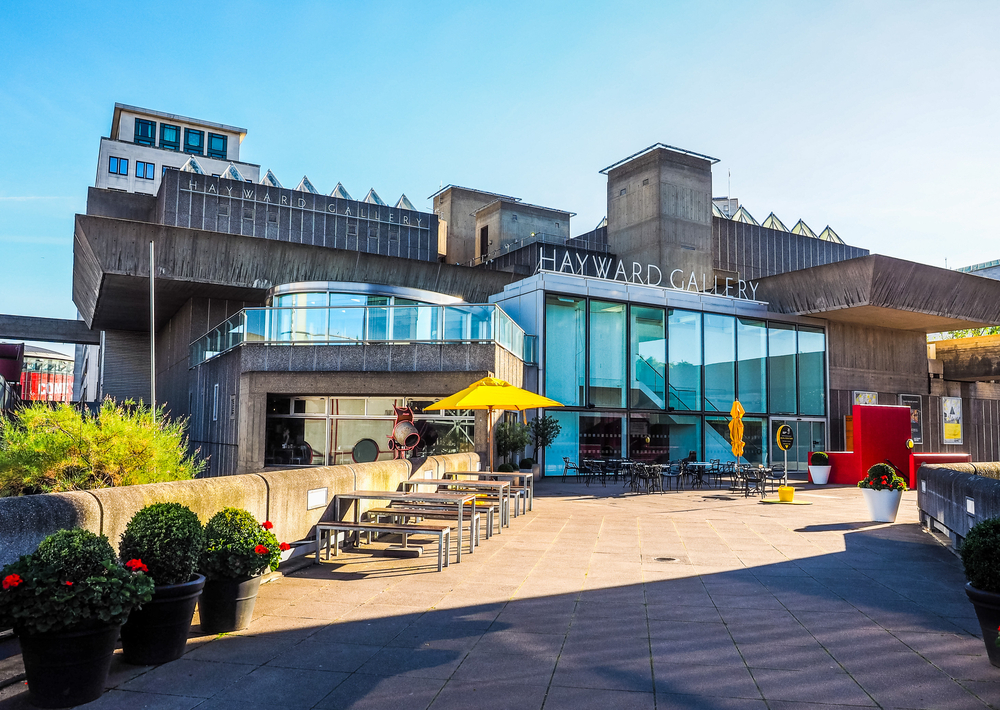
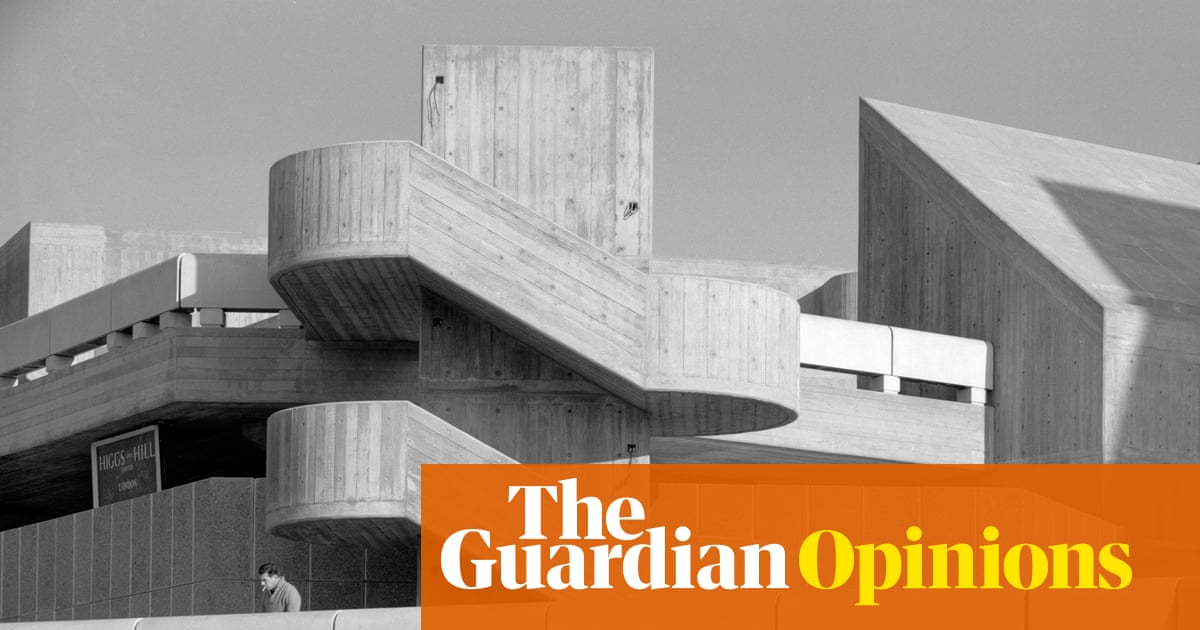
2 months agoLondon's Brustalist Southbank Centre awarded protected heritage status
London's Southbank Centre has received Grade II listing, granting statutory heritage protection to its Brutalist Hayward Gallery, Purcell Room, Queen Elizabeth Hall and adjacent spaces.
fromianVisits
2 months agoTickets Alert: Open days at Whitehall's Banqueting House
Whitehall's Banqueting House, one of the few survivors of the vast Palace of Whitehall, is due to reopen this summer, but is having a few preview days before fully reopening. Inside the highlight is the painted ceiling by Sir Peter Paul Rubens, commissioned by King Charles I and installed in 1636. That painted ceiling would also have been one of the last things the King saw when he was led out onto the scaffolding to be executed.
London
fromTime Out London
1 month agoOne of London's most spectacular houses is opening to the public next month
The Cosmic House, a rare Grade I-listed postmodernist building in Kensington designed by Charles Jencks and Sir Terry Farrell, opens to the public on April 22 with an Isaac Julien film installation.
#bt-tower-redevelopment
London
fromArchDaily
1 month agoOrms Appointed to Lead Redevelopment of London's BT Tower into Hotel
BT Tower in London will be converted into a hotel by MCR Hotels with Orms architecture firm leading the redevelopment, with construction delayed until telecommunications equipment removal completes around 2030.
fromYanko Design - Modern Industrial Design News
1 month agoThis New London Cafe Has a Ceiling Inspired by St Paul's Dome, and It Sits Right on the Thames - Yanko Design
The most arresting is a dramatic circular void carved into the ceiling, a spatial echo of St Paul's dome, translated from the sacred to the everyday. Below it, a monolithic espresso counter holds the room together, its weight and material language borrowed from Tate Modern's industrial character and the infrastructural logic of the riverbanks themselves.
London
London
fromTime Out London
1 month agoYou can visit loads of iconic London attractions for free during National Lottery Open Week 2026
National Lottery Open Week from March 7-15 offers free or discounted entry to hundreds of UK attractions including museums, galleries, and historical sites for lottery ticket holders.
fromianVisits
2 months agoLondon's Alleys: Martin Lane, City of London, EC4
For most of its life, the alley's main feature was the church of St Martin Orgar, possibly named after Ordgarus, a Dane who donated the church to the canons of St Paul's. Sadly, most of the church was destroyed during the Great Fire of London. The badly damaged remains were restored and used by French Protestants right up to 1820.
London
fromianVisits
1 month agoLondon's Alleys: Ship Tavern Passage, City of London, EC3
The alley likely came into existence when the first Leadenhall Market, as a market for herbs, opened, with a long passage leading from the market to Gracechurch Street. The alley used to be longer and straighter, but the eastern half was cut off when a building was constructed on the site. That building was demolished in 2000, and archaeologists researched it for Roman remains in 2002.
London
[ Load more ]