#sensor-surveillance
#sensor-surveillance
[ follow ]
#cybersecurity #ai #facial-recognition #palantir #technology #meta #surveillance #privacy #privacy-concerns
#ai
Marketing tech
fromAol
1 day agoHow AI is reshaping brand visibility: What businesses need to know
AI is transforming brand visibility by prioritizing content clarity, verification, and selection over traditional ranking methods.


fromresund Startups
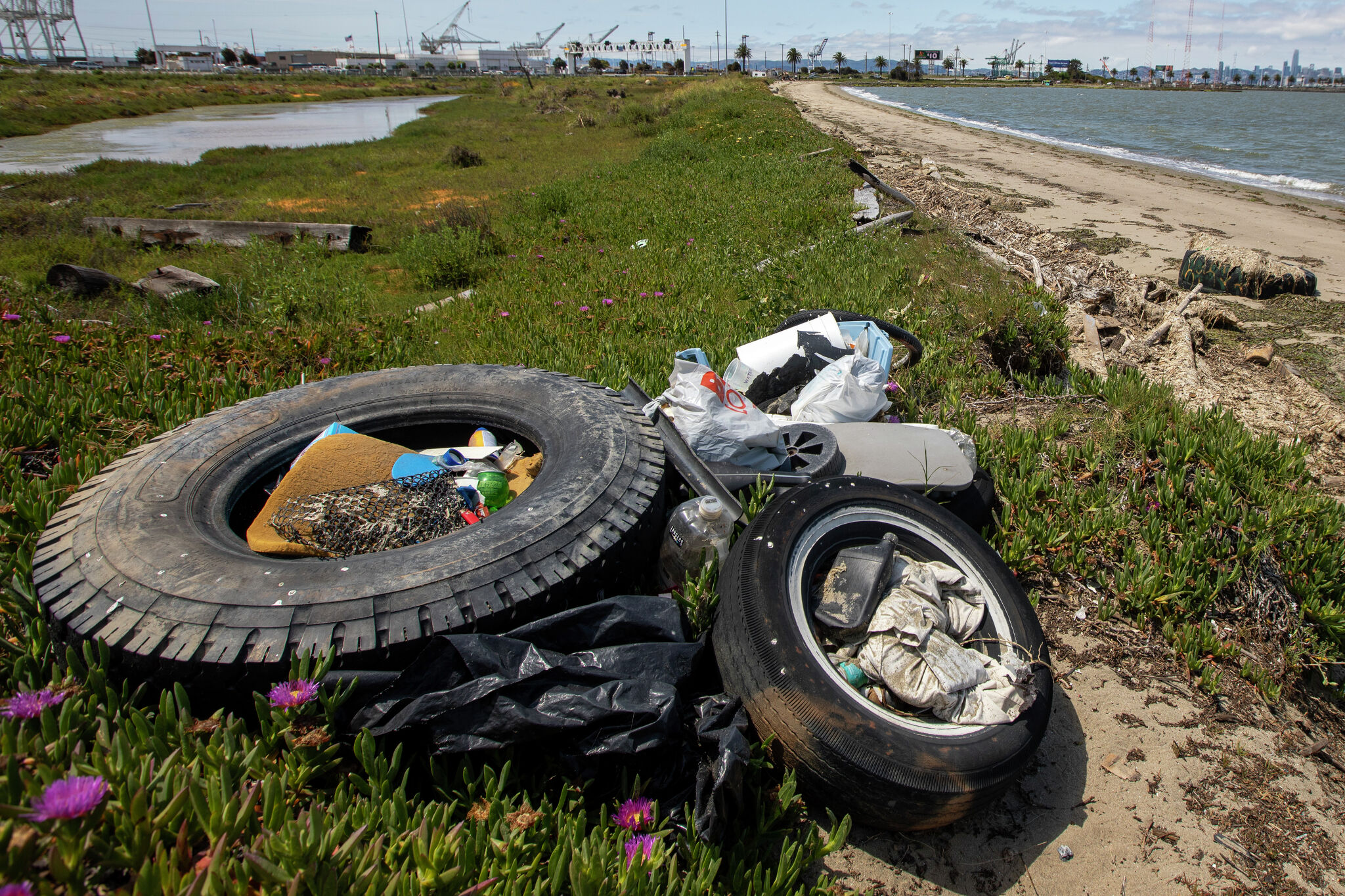
1 day agoRaven Tech's Autonomous Drone Catcher Takes Flight
Raven Tech's system combines detection, autonomous flight, and net-based capture to neutralize unauthorized drones. Once an intruder is detected, the system deploys a drone to intercept and safely transport the rogue drone to a designated location.
European startups
fromThe Washington Post
3 days agoInside a growing movement warning AI could turn on humanity
"That requires a bunch of people to go take things that folks here are figuring out and [explain them] to the rest of the world," said Jeffrey Ladish, emphasizing the need for effective communication about AI risks.
US news
fromFuturism
4 days agoRobot Dogs Patrolling Precious Crops as Food Crisis Deepens
Bayer is supplementing human security patrols around its 8,000 acre Hawaiian corn farm with robotic security dogs, supplied by the tech firm Asylon. The Asylon dogs are meant to guard the company's precious maize from vandals, wildfires, wild fauna, and other hazards around the clock.
Agriculture





fromTechCrunch
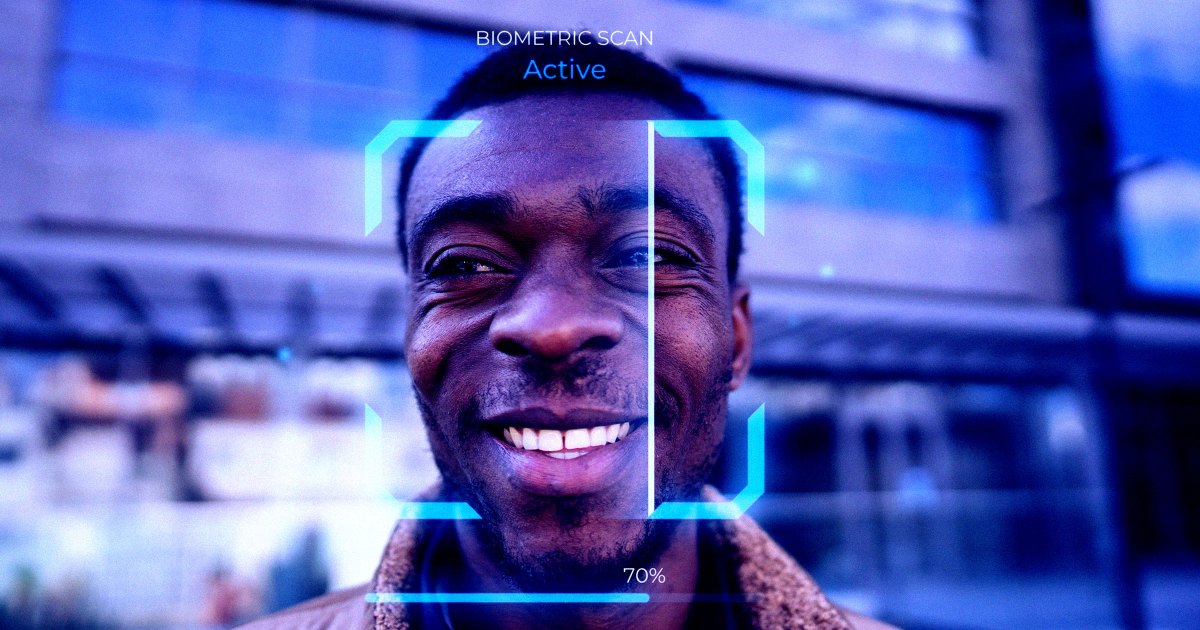
8 hours agoClarifai deletes 3 million photos that OkCupid provided to train facial recognition AI, report says | TechCrunch
"We're collecting data now and just realized that OKCupid must have a HUGE amount of awesome data for this," Clarifai founder and CEO Matthew Zeiler wrote in an email to OkCupid co-founder Maxwell Krohn, according to court documents reviewed by Reuters.
Privacy professionals

fromTechzine Global
12 hours agoSnowflake Intelligence and Cortex Code become the agentic AI control layer
"Snowflake gives customers one place to bring their data together, connect the systems they rely on, and turn AI into something that actually helps teams get work done," says Baris Gultekin, VP of AI at Snowflake.
Artificial intelligence
fromPopular Science
1 week agoHow to stop your smart TV from tracking you
Smart TVs are capable of tracking user data, including viewing habits and app usage, which can lead to personalized advertising and content recommendations. Users may prefer to limit this tracking to protect their privacy.
Privacy technologies
fromFuturism
1 month agoCities Are Shredding Their AI Surveillance Contracts en Masse
Since the start of 2025, at least 30 cities have canceled their contracts with Flock Safety, the AI surveillance company whose CEO wants to end all crime within the decade by blanketing the country in ever-watchful security cameras. That startling figure comes courtesy of NPR, which reports that concerned activists are putting mounting pressure on cities to cut ties with the company. "We are seeing a lot more momentum," Will Freeman, a Colorado-based organizer who runs the website DeFlock.org, told the broadcaster.
Privacy professionals
[ Load more ]