fromLondon Business News | Londonlovesbusiness.com
2 months agoRussian Agents Rented Kyiv Apartments in Assassination Plot - London Business News | Londonlovesbusiness.com
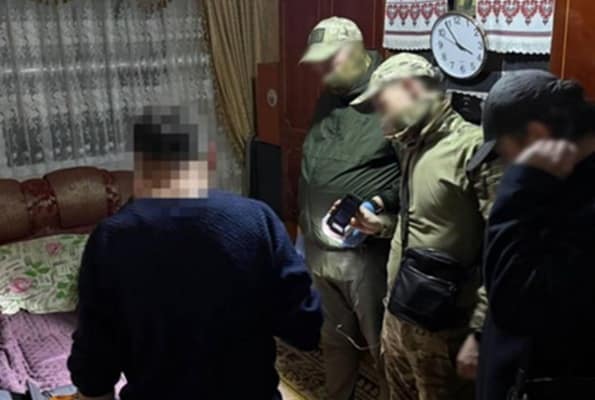
A Russian assassination plot targeting Ukrainian President Volodymyr Zelenskyy was uncovered after intelligence sources revealed operatives rented apartments close to his office in Kyiv. The alleged Kremlin plan aimed to capture or kill the Ukrainian leader during the early stages of Russia's full-scale invasion, according to reporting by CNN. Sources claim Russian agents were instructed to eliminate Zelenskyy if he failed to escape the area.