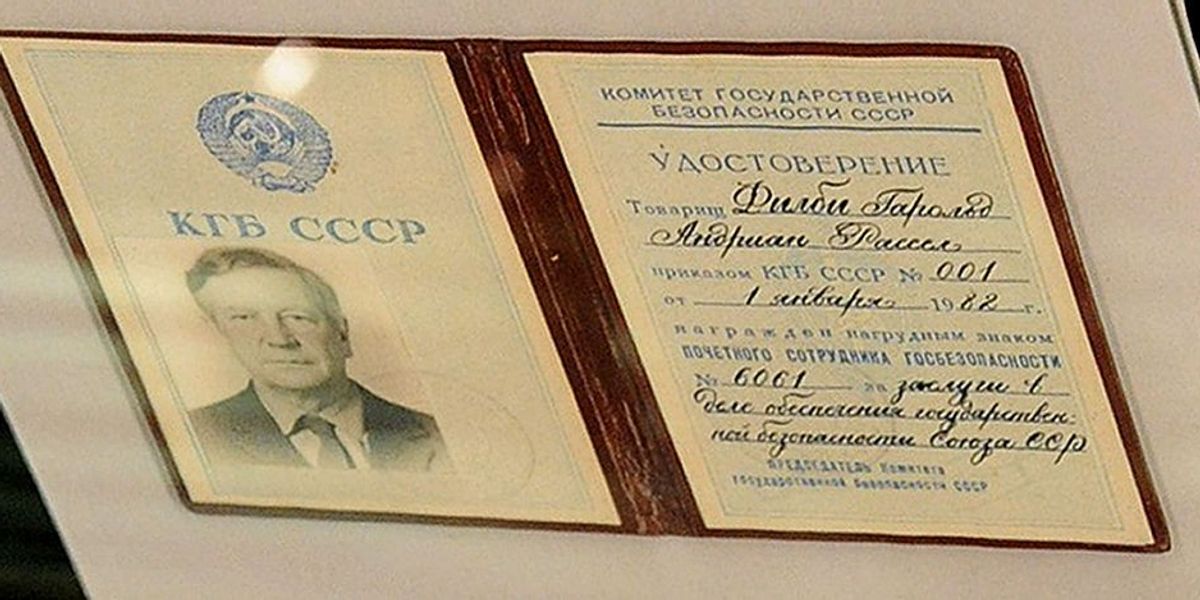
"A double agent, by contrast, is an intelligence asset who is knowingly and deliberately directed by one service to engage another in espionage. The controlling service uses that agent to feed information (called feed material) -true, false, or mixed-to the adversary. They do so to simultaneously study the adversary's tradecraft, collection priorities, and decision-making. In the Russian system, double agents also serve a bureaucratic function: they generate statistics, "success stories," and operational narratives that demonstrate effectiveness to political overseers and ultimately to Putin himself."
"Double agents are used in the West and by the U.S. services, but we don't lie to our government about the origins of the cases or pretend they are real counterintelligence successes when they reach their conclusion. The distinction is not academic. It lies at the heart of how Russian intelligence thinks about espionage. Every year, the FSB publishes an annual report"
Penetrations occur when an agent betrays their own service to spy for a foreign power, exemplified by Aldrich Ames who spied for Russian intelligence. A double agent is deliberately handled by one service to engage and feed information—true, false, or mixed—to an adversary to study tradecraft, collection priorities, and decision-making. In the Russian system, double agents also fulfill bureaucratic aims by generating statistics, "success stories," and operational narratives to demonstrate effectiveness to political overseers and to Putin. Western and U.S. services use double agents but avoid misrepresenting case origins or falsely claiming counterintelligence successes. The distinction shapes Russian espionage priorities. The FSB publishes annual reports.
Read at The Cipher Brief
Unable to calculate read time
Collection
[
|
...
]