#restitution-narratives
#restitution-narratives
[ follow ]
#reparations #human-rights #un-resolution #transatlantic-slave-trade #slavery #colonialism #united-nations
fromwww.theguardian.com
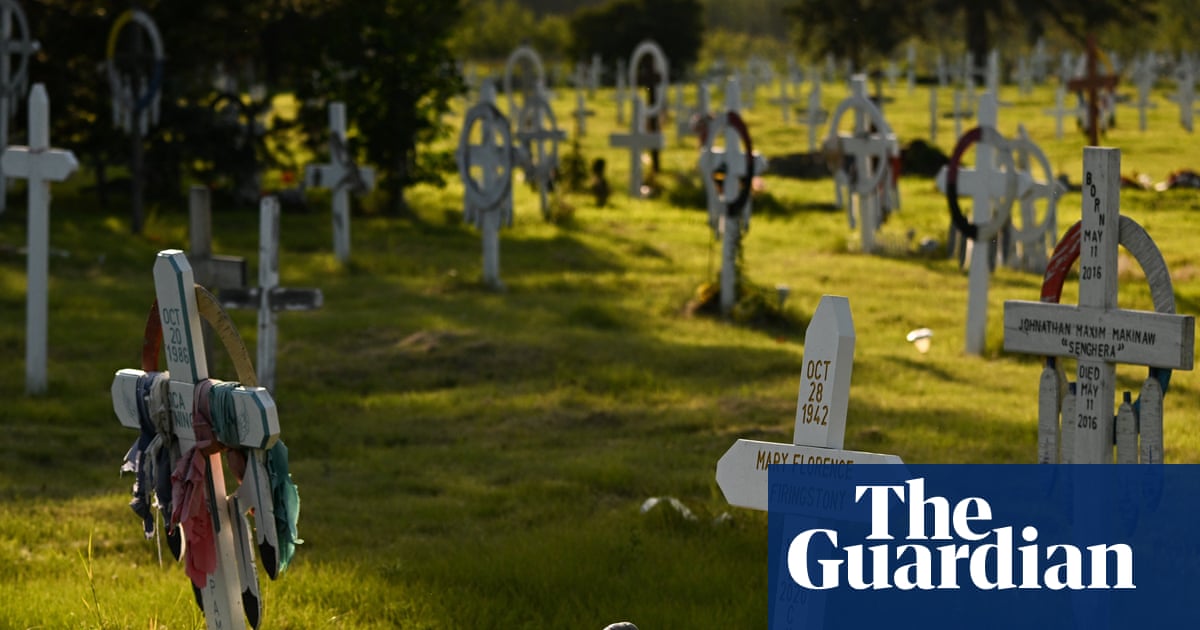
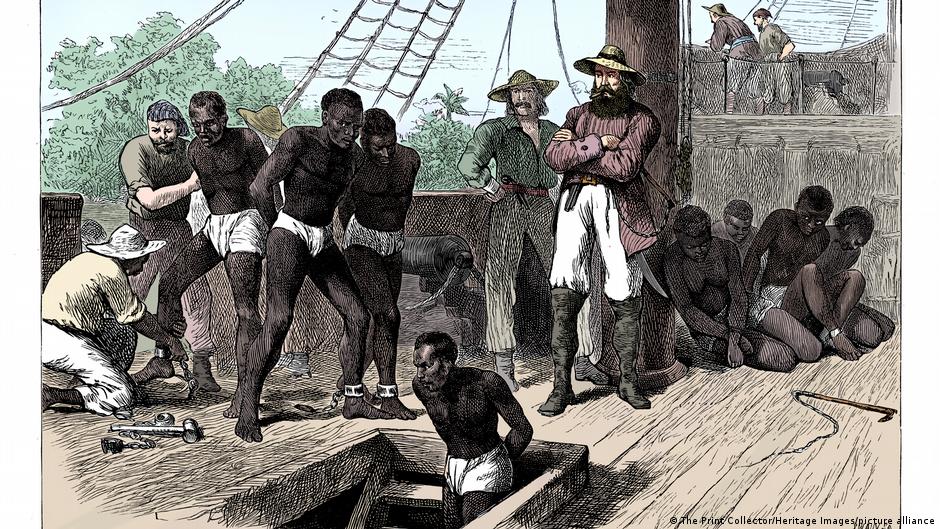
4 days agoReparations take many forms': what the UN's landmark vote on enslavement means for restorative justice
The United Nations voted to describe the transatlantic chattel slave trade as the gravest crime against humanity and called for reparations as a concrete step towards remedying historical wrongs.
Social justice

History
fromThe Art Newspaper - International art news and events
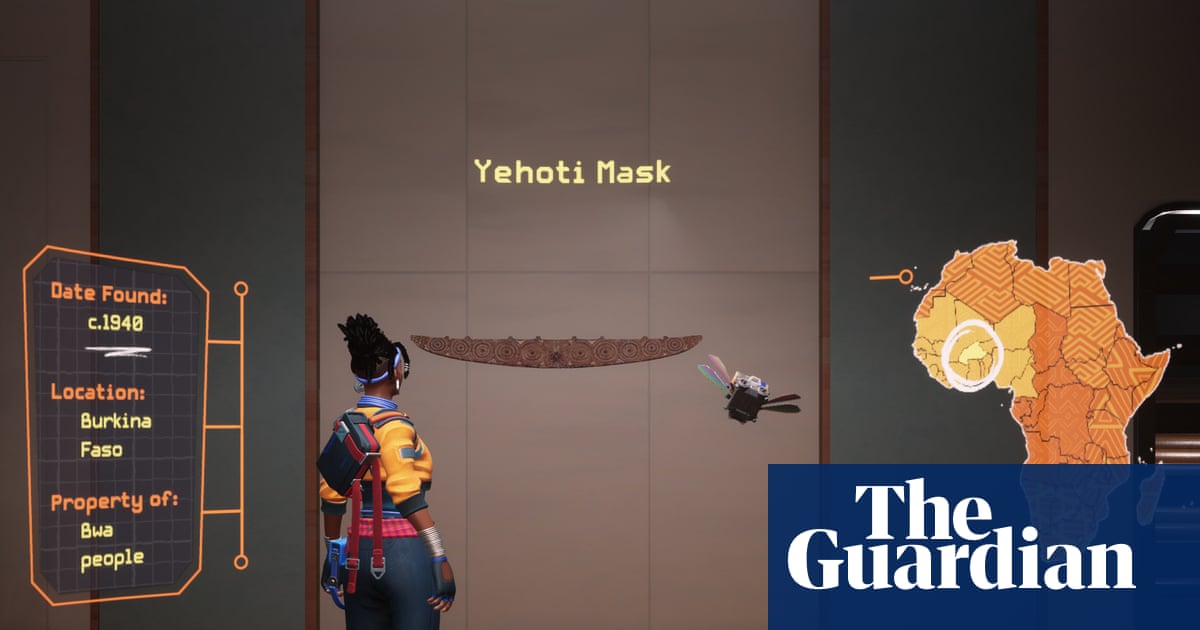
6 days agoDrum and trumpet with human skulls attached complicate plan for restitution from Los Angeles to Ghana
West African musical instruments with human skulls pose restitution challenges for a Los Angeles museum due to ethical concerns regarding their return.
fromwww.aljazeera.com
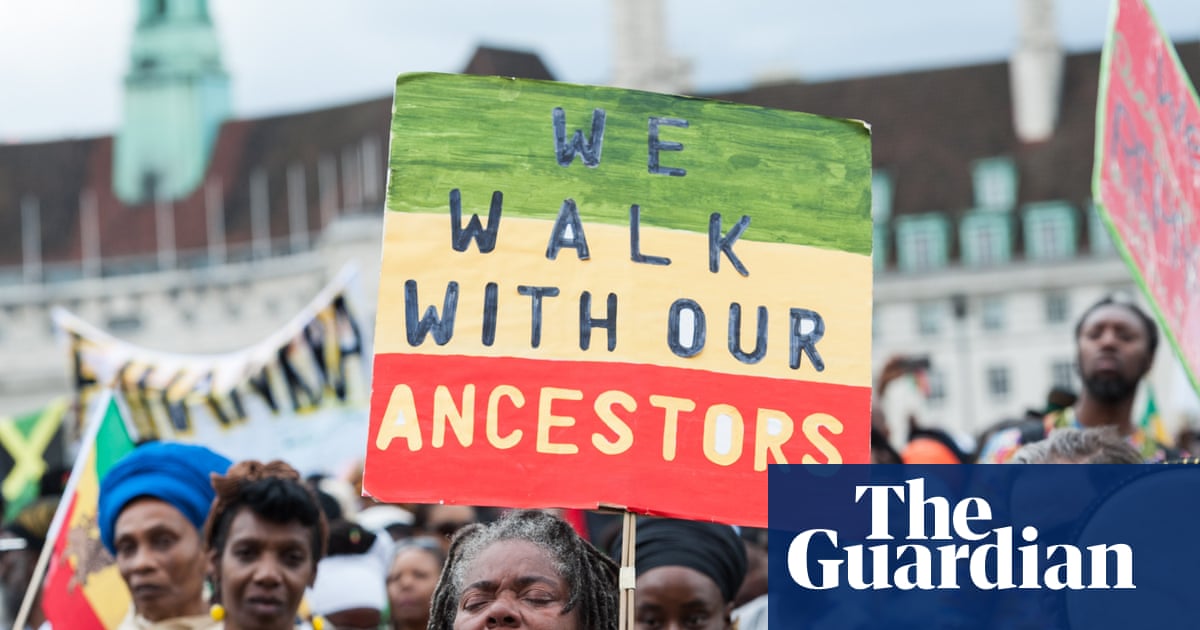
1 week agoSouth Africa appoints former apartheid-era negotiator as US ambassador
Roelf Meyer, who played a crucial role in ending white minority rule in South Africa, has been appointed as the new ambassador to the United States, indicating a shift in diplomatic strategy.
Right-wing politics



fromwww.independent.co.uk
2 weeks agoCrime victims and bereaved families given more time to challenge lenient sentences
Victims' Commissioner Claire Waxman expressed her delight at the government's decision, stating that the change is long overdue and acknowledges the years of campaigning led by bereaved families like Tracey Hanson, who sought justice following the tragic death of her son Josh.
Law
fromwww.theguardian.com
1 week agoJustice denied: why families of apartheid victims are still searching for answers
The four men were pulled over by three white security police officers, handcuffed, and driven back towards Gqeberha. Mkonto was shot after a struggle, while the others were attacked from behind.
Social justice
France politics
fromwww.theguardian.com
1 month agoIt's going to give us closure': could there finally be justice for the murder of Patrice Lumumba?
Patrice Lumumba's assassination symbolizes the suppression of pan-African liberation by colonial forces, with a Belgian diplomat now facing trial decades later.
#un-resolution

Social justice
fromwww.theguardian.com
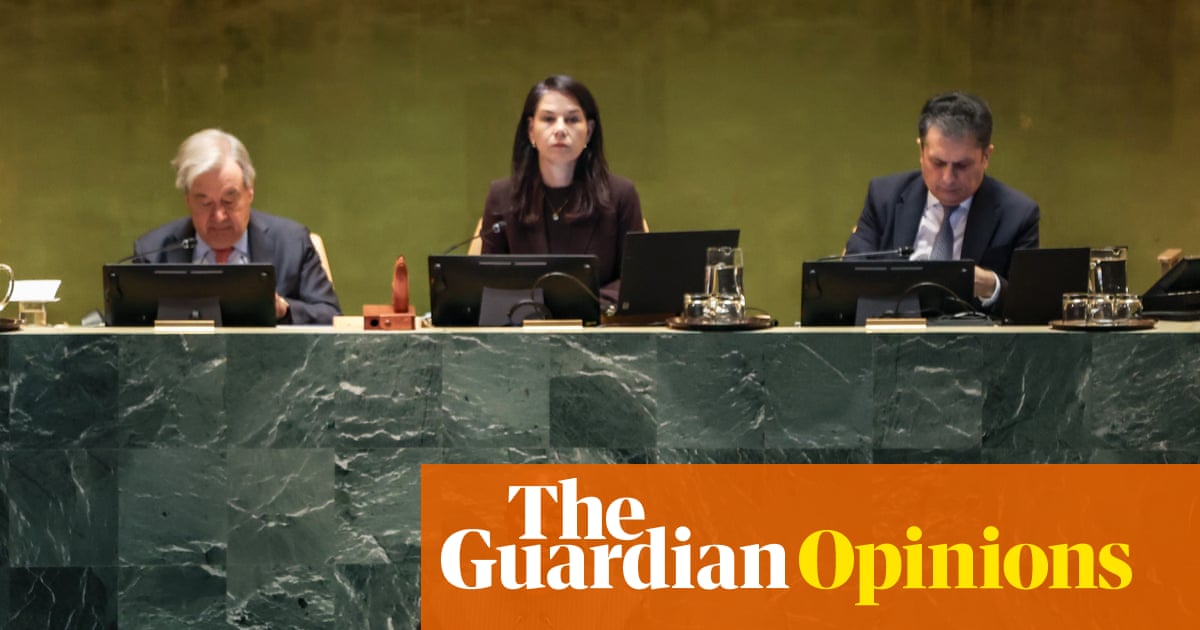
2 weeks agoDon't look at who voted to call the slave trade the gravest crime', look at who didn't | Kenneth Mohammed
The Ghana-led UN resolution on slavery highlights global disparities in acknowledging historical injustices, with significant opposition from Western nations.
LGBT
fromLGBTQ Nation
1 month agoSouth Africa was on the cutting edge of LGBTQ+ equality. Why hasn't it banned conversion therapy? - LGBTQ Nation
Conversion therapy has damaging effects on transgender individuals, and Africa's historical acceptance of queer identities contrasts sharply with current intolerance.
fromThe Walrus
1 month agoWhere Do the Disappeared Go? | The Walrus
There is nothing more dangerous than an enforced disappearance. Think about the word for a moment: disappearance. Imagine waking up to find that a relative has vanished without a trace, or that you've been torn away from your family with no explanation. When you're disappeared, anything can happen to you, from verbal humiliation to physical torture or even death.
World news
fromLos Angeles Times
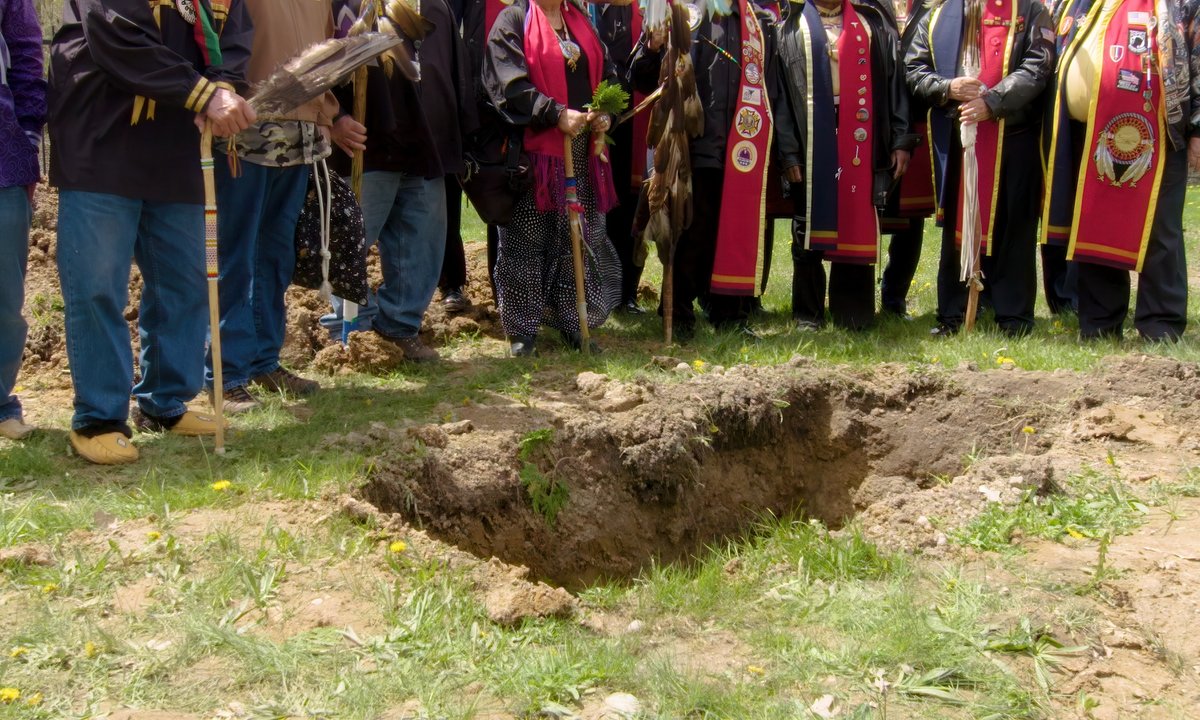
1 month agoCalifornia pledges to open 7% of its land and waters to Indigenous tribes - a step toward healing a 175-year-old broken promise
That number represents roughly 7% of the state's land and waters. It also corresponds with the amount of land the federal government promised it would hold as reservations for Indigenous tribes after California joined the union in 1850. Congress ultimately rejected these treaties in a secret meeting - after pressure from the state - and failed to notify tribes, many of whom upheld their end of the agreement to relocate.
Agriculture


SF politics
fromwww.aljazeera.com
1 month agoSegregation': Multimillion-dollar crime wall causes uproar in S Africa
Cape Town's proposed N2 highway wall to combat crime highlights inequality, as residents lack basic services while authorities fund security infrastructure instead of housing and sanitation improvements.
Miscellaneous
fromwww.aljazeera.com
2 months agoFrom Crimea to Cameroon: Ukraine's minorities reflect on life during war
A Muslim cultural centre offered shelter to displaced Ukrainians, fostering cohesion, dispelling anti-Muslim misconceptions, and promoting understanding of Ukraine's longstanding Muslim heritage.
Education
fromTruthout
1 month agoWe Must Defend Black History - It Fuels Freedom Dreams of Students Under Attack
Teachers must transform curricula to eliminate biases and systems of domination while protecting vulnerable students, particularly Black students and students of color, from contemporary educational injustices.
London
fromwww.theguardian.com
1 month agoVast scale of overseas human remains held in UK museums decried by MPs and experts
UK museums hold over 263,000 human remains from around the world, with 37,000 known to originate from overseas former colonies, representing a colonial legacy that many consider sacrilegious and shameful.
NYC parents
fromIrish Independent
1 month agoFamily at centre of protest deported back to South Africa
Ireland deported 63 people including nine children to South Africa on a charter flight, including a family who fled xenophobic violence and had their asylum application rejected despite safety concerns.
#mother-and-baby-homes
UK politics
fromwww.theguardian.com
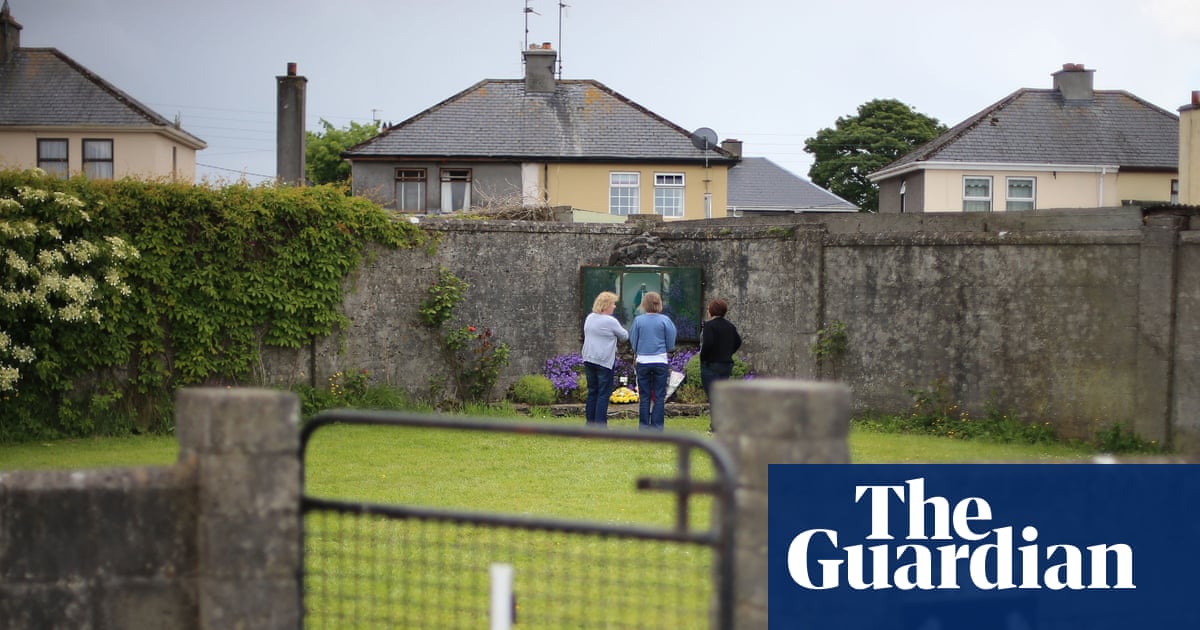
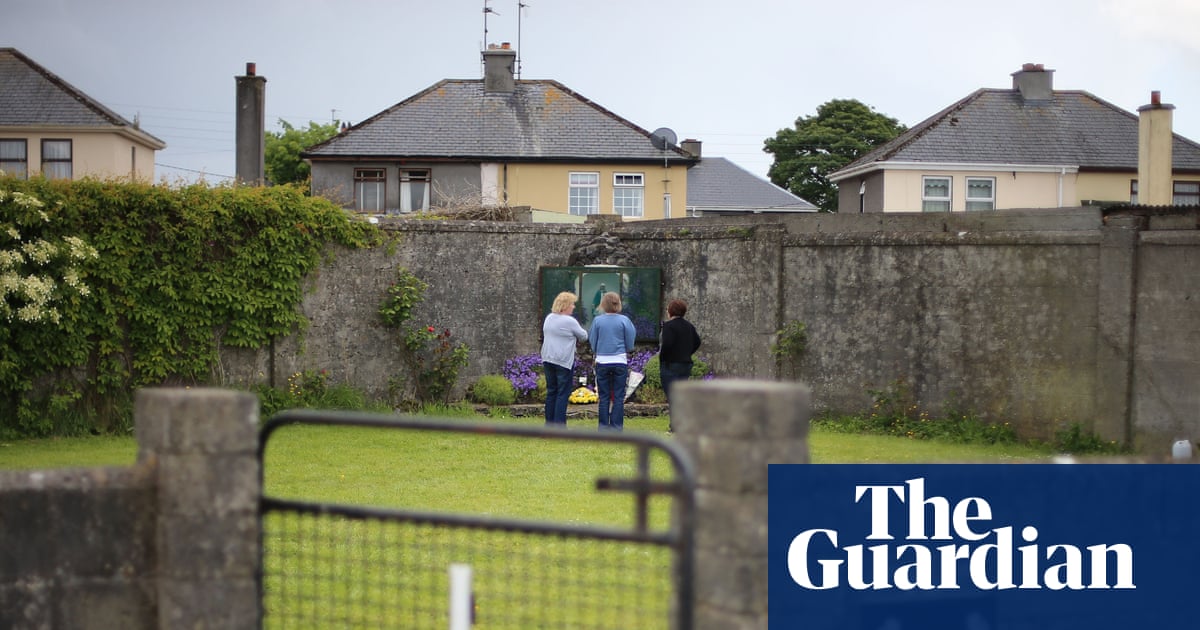
1 month agoSurvivors of Ireland's mother and baby homes face benefit cuts in UK after accepting compensation
Irish mother and baby home survivors in Britain face benefits cuts when accepting Irish government compensation, prompting calls for legal protection through Philomena's Law.
Miscellaneous
fromIndependent
2 months ago'I deserve to see abuser in court, but time is not on my side' - Rockwell survivor on desperate fight for justice
Derek McCarthy suffered childhood abuse by four men at a Spiritan school; three are dead and delays hinder bringing the sole surviving abuser to court.
fromwww.aljazeera.com
2 months agoGambian Jammeh-era victims seek real justice' beyond reparations
Yusupha Mbye's mother pushes his wheelchair slowly across the tiled compound of their home in Kanifing, about 11km (seven miles) from The Gambia's capital, Banjul. The late-afternoon sun hangs low as she pauses to straighten a wrap over his legs, stopping briefly to catch her breath. He has been in this wheelchair since he was a teenager, she told Al Jazeera, wiping away tears. Twenty-six years later, I am still caring for him.
World news
fromwww.dw.com
2 months agoFamilies call for truth on Kosovo War's missing people
"My mother and sisters were killed on that day. For 26 years, I have not known where their bodies are buried. Every time I see a pit, I think they might be lying there," Gashi says. For more than two decades, he has been haunted by the feeling that the truth could lie right beneath his feet, but remains out of reach.
Miscellaneous
fromThe Art Newspaper - International art news and events
2 months agoWhen it comes to restitution, how can museums solve a problem like inalienability?
When Thomas Jefferson wrote about the "inalienable" rights of man in the US Declaration of Independence 250 years ago, it's possible he lifted the term from the French. And long before it was ever used as an adjective to describe human rights, it defined royal property. To this day, "inalienability" remains a cornerstone of public collections in France-and many other countries-impacting museums and their ability to deaccession, including for purposes of restitution.
Arts
Social justice
fromwww.theguardian.com
1 month agoIt's time for the UN to formally recognise the transatlantic slavery trade as a crime against humanity | John Dramani Mahama
Ghana calls for UN recognition of transatlantic slavery as a crime against humanity and seeks reparatory justice with global support.
World news
fromwww.theguardian.com
2 months agoI was overwhlemed, it was a miracle': the jailed mothers getting a second chance in Colombia
Colombia's Public Utility law enables first-time female offenders who are heads of households to serve remaining sentences in the community, allowing early releases for qualifying women.
fromHyperallergic
1 month agoThe Uncertain Future of Colombia's Museum of Memory
In 2011, the Colombian government ordered the creation of a national museum "to achieve the strengthening of the collective memory" around the decades-long armed conflict. That same year, it passed the Victims and Land Restitution Law aimed at providing victims with reparations and justice. More than just a curated collection of objects or artworks, the museum, scheduled to be inaugurated in 2018, was conceived as an archive of the violent civil war.
Arts
Social justice
fromwww.theguardian.com
1 month agoHistory longs to heal': how Africa hopes to advance campaign for reparative justice
The African Union declared 2025 the year of reparations and extended it through 2036, advancing a continental push for justice and redress for colonialism, slavery, and their lasting impacts.
[ Load more ]