Where does such a charge leave Magellan, despoiler of every Eden he encounters? The film, to its credit, does not skimp on paradisiacal visions. Every shot of the tropics is a painterly study in lush foliage and golden-pink sunlight; the beauty of the natural world seems, if anything, magnified by Magellan's encroaching, annihilating threat. Such visual wonders will hardly surprise admirers of Diaz, whose work has encouraged contemplation, and at marathon lengths.
(Courtesy of Disney) James Cameron's latest Avatar movie opens with a scene of innocent wonder. Two young brothers soar through the air on winged beasts, taking in the vertiginous views of their majestic home world. Both are Na'Vi, lithe bipedal inhabitants of the verdant moon Pandora introduced back in 2009 in the series' first entry. The boys experience Pandora as a playground, its psychedelic flora and fauna a boundless source of delight. The catch is that one of the brothers is dead.
The widespread issue of "pretendians" remains under-examined even in Native circles. The topic is politically and socially fraught, with hyper-online crusaders taking up the mantle of pretendian hunting in pursuit of social media clout. The problem is real, but these sometimes vicious vigilante efforts have been known to conflate personal vendetta and erroneous or uneven methodology with rational research and concern for Indigenous communities.
"This system will take your ancestral traditions and twist 'em indigenous", raps billy woods on "Make No Mistake" from Golliwog. Raising questions about where the boundaries of tradition are drawn, that line seems to get longer through repeat listens. Time doesn't move sequentially on Golliwog. The record opens with a back-spinning sample, swiftly followed by an incessant tick-tock. The tracks feel time-dilated, with warm soul, jazz and R&B instrumentation hitting disturbed beats as woods seemingly folds eras into each other.
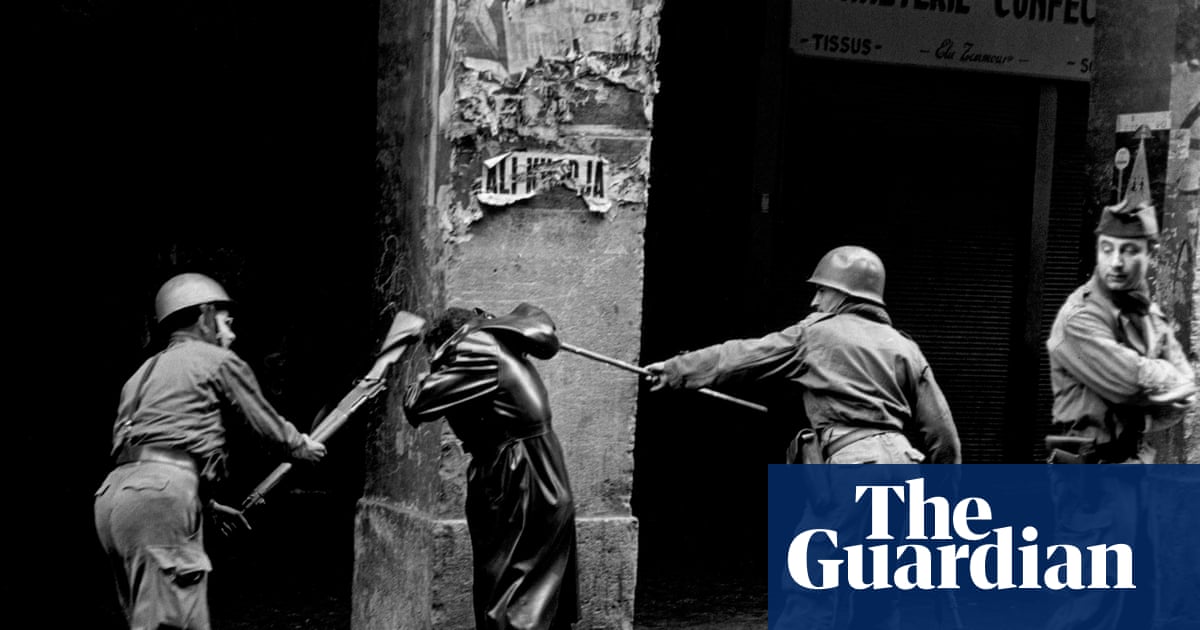
Algeria's parliament unanimously approved on Wednesday a law declaring France's colonisation of the country a crime, demanding an apology and reparations in a move Paris condemned as "hostile". Standing in the chamber, lawmakers wearing scarves in the colours of the national flag chanted "long live Algeria" as they applauded the passage of the bill, which states that France holds "legal responsibility for its colonial past in Algeria and the tragedies it caused".
Alden Pyle (Brendan Fraser) was a quiet American, says Thomas Fowler (Michael Caine) to a French policeman. A friend, he adds, as the lifeless corpse of Pyle stares back at him with a wretched expression. This is the scene that opens Phillip Noyce's Vietnam-set political drama before the film flashes back a few months earlier to 1952 Saigon, where Fowler, an ageing Englishman, lives leisurely as a journalist reporting on the first Indochina war.
That scholarship is rooted in his own experience as a Ugandan citizen of Indian origin who was twice rendered stateless due to political turmoil in East Africa during the 1970s and 80s. "We were migrants, and under the colonial system, migrants were defined as non-Indigenous," Mamdani said. That meant people like him were never made to feel fully at home in Uganda and were stripped of core rights.
A 13-year-old aspiring journalist investigates his father's death in one of Kenya's largest wildlife conservation parks. Simon Ali, 13, finds himself in a world of mystery when his father, a respected conservation guide, is found dead under suspicious circumstances. Armed with his video camera and an unwavering desire for truth, Simon and his best friend Haron embark on a perilous journey to uncover the secrets behind his father's death.
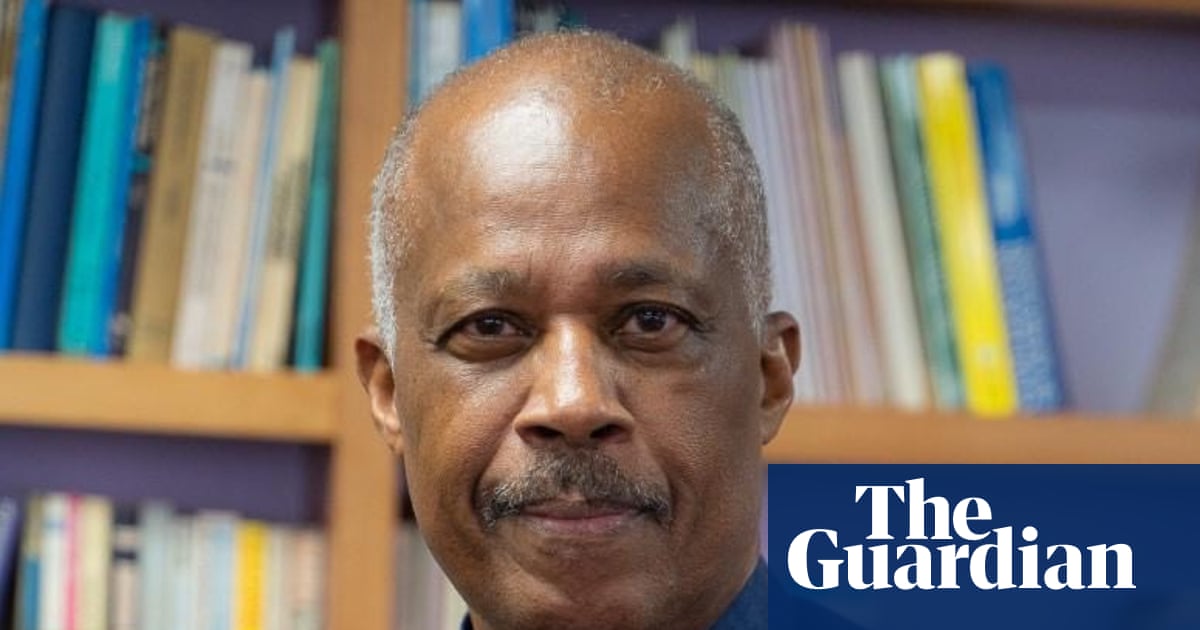
The Caricom Reparations Commission advocacy visit to the UK is historic, as it is the first of what we anticipate will be a series of engagements to raise consciousness and awareness, correct misconceptions about the reparations movement and build strategic partnerships to take this critical agenda to right historical wrongs forward, Dr Hilary Brown, a member of the delegation and Caricom's programme manager of culture and community development, said.
From reproductive rights to climate change to Big Tech, The Independent is on the ground when the story is developing. Whether it's investigating the financials of Elon Musk's pro-Trump PAC or producing our latest documentary, 'The A Word', which shines a light on the American women fighting for reproductive rights, we know how important it is to parse out the facts from the messaging.
I think the conversations we're missing in mainstream media about gentrification-there's a few. A lot of them just lack transparency, right? Like where gentrification starts, where it comes from. Mainstream media tends to leave race out of the conversation because it's an uncomfortable conversation for a lot of folks. We don't talk enough about the history of gentrification. We're especially at a point now in America where there's assumed knowledge around a lot of topics.
I don't think we'll ever reach freedom. I think that it's a thing we sometimes get closer to, and sometimes we move further away from. Some people believe that freedom is an individual matter. And they may have a lived context that allows them to believe that they are free. But something always happens that makes it clear that we are never completely free; we have moments of freedom. Freedom is a desire. Achieving it requires us to move towards it.
Vlaemsch (chez moi) is Flemish-Moroccan choreographer Sidi Larbi Cherkaoui's love letter to his native Flanders. Like so many love letters, it's full of anger, pain and recrimination. Its tone is by turns overblown, infuriated, accusatory, ironic and tender. It is, nonetheless, a love letter in the guise of a piece of dance-theatre. Cherkaoui's background is as complex as that of his native Flanders. He was born in Antwerp, the son of a Moroccan father and a Flemish mother;
Even though apartheid ended in the 1990s, "the residue of 300 years of exploitation and oppression is still very much with us," Kentridge told DW in 2016 of an era that remains a key theme in his work. The "Listen to the Echo" exhibition traces William Kentridge's artistic development from the late 1970s when deep racial divisions persisted in his homeland. In addition to drawings and films from the renowned "Drawings for Projection" that explored the social and political undercurrents of life in apartheid South Africa, the show includes prints, sculptures, tapestries, and multi-channel film installations.
The BBC's first cyber correspondent, Joe Tidy, travels the world interviewing high-profile cybercriminals and cybersecurity experts - part of a growing industry worth US$200 billion. What most intrigues him after a decade is how often hackers are solitary teenage boys, teaming up from their bedrooms, often thousands of kilometres apart, to "cause mayhem". Why? Some want to hurt people, but a "decent chunk" have no idea of the harm and chaos they cause.
With its red fez, broad smile and simplified French, Banania's mascot has been associated with racist stereotypes. In 1909, French journalist-turned-entrepreneur Pierre-Francois Lardet returned from a trip to Nicaragua determined to recreate a beverage he had tasted there. Five years later, in August 1914, Banania was born. The arrival of the chocolate-flavoured banana powder drink came just as France found itself at war.
The Mercator projection, devised in the 16th century to help European sailors navigate their way to conquest and commerce, has quietly shaped how we see the world for centuries. By stretching the higher latitudes and squeezing the equatorial belt, the Mercator projection distorts the relative size of continents. Europe and North America loom vast, while Africa and South America shrink.
"Alert: History Under Construction. Everything on this sign is true but incomplete." This message was part of the exhibit aimed at enhancing historical narratives at Muir Woods National Monument, showcasing untold stories of indigenous peoples and colonial impacts.