Centennial events in 2021 brought national attention and ceremonial recognition to Greenwood, including a new history center, media coverage, concerts, and statements from elected officials. Three elderly survivors testified to Congress, offering eyewitness accounts and claims for justice and redress tied to continuing harm. Two of those survivors died within two years of the centennial, and direct reparations were never enacted by Congress, the city, or the state. The 1921 massacre killed an estimated 300 people, left some 10,000 homeless, and destroyed over 1,000 homes and businesses. Decades of delay thus transformed symbolic recognition into an inadequate substitute for timely redress.
"If recognition alone were capable of repairing harm, then the weeks surrounding the Tulsa Race Massacre's 100th anniversary in 2021 might have begun to make the neighborhood of Greenwood whole. Oklahoma's Republican and Democratic elected officials clamored to release public statements praising the commemoration. President Biden told an audience at Tulsa's Greenwood Cultural Center, "For much too long, the history of what took place here was told in silence, cloaked in darkness.""
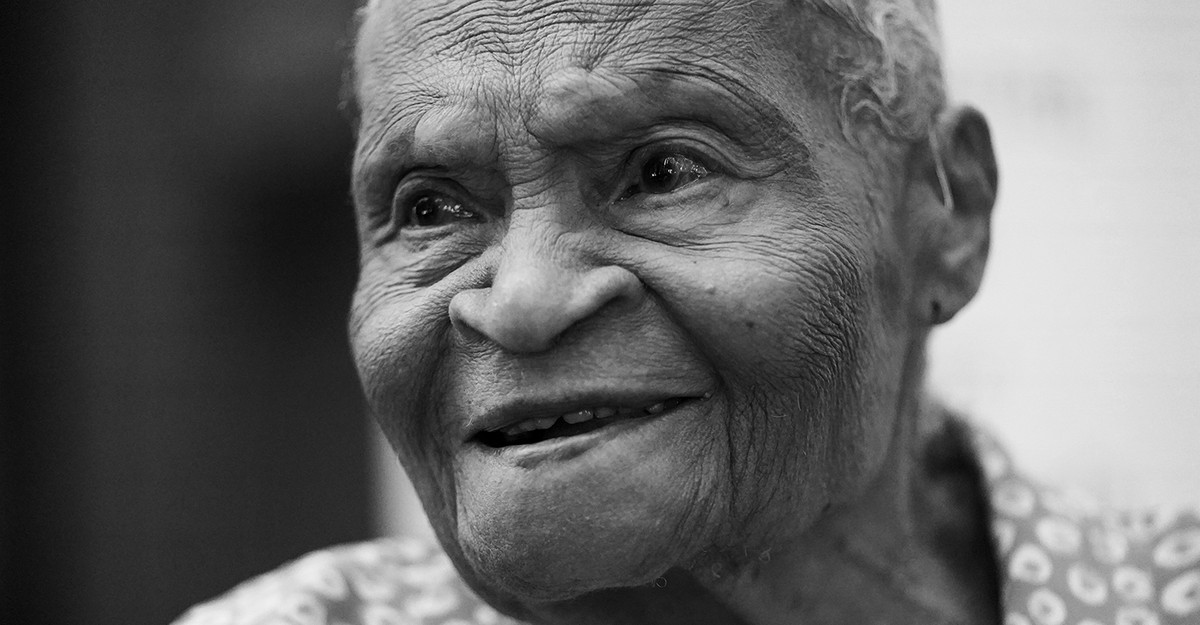
"The problem was what happened before-and has happened since: running down the clock on justice. At the time of the centenary, there were three living survivors: Lessie Benningfield Randle, Hughes Van Ellis, and his sister, Viola Ford Fletcher. That year, they had shared eyewitness accounts of the massacre with Congress, articulating claims for justice and redress rooted in ongoing harm."
Read at The Atlantic
Unable to calculate read time
Collection
[
|
...
]