#nuclear-proliferation-prevention
#nuclear-proliferation-prevention
[ follow ]
#iran #strait-of-hormuz #middle-east-conflict #nuclear-weapons #us-iran-relations #nuclear-negotiations







#nuclear-safety
World politics
fromLondon Business News | Londonlovesbusiness.com
1 month agoFears of nuclear catastrophe as UN prepares for fallout from Iran strikes - London Business News | Londonlovesbusiness.com
Nuclear facilities in conflict zones face catastrophic risks from military strikes, with limited international oversight and potential for decades-long consequences.
US politics
fromwww.scientificamerican.com
2 months agoLoosening Radiation Rules Won't Help Us Get Nuclear Power Any Faster
Removing the linear no-threshold radiation model would relax protections and could increase health risks, especially for women and children, to accelerate nuclear energy deployment.
US politics
fromRadioFreeEurope/RadioLiberty
1 month agoUS, Iran Kick Off Crunch Nuclear Talks In Geneva Amid Fears Of Military Conflict
US and Iranian officials held third-round nuclear negotiations in Geneva with military action threatened if no agreement is reached on Iran's uranium enrichment and nuclear program.
World politics
fromwww.theguardian.com
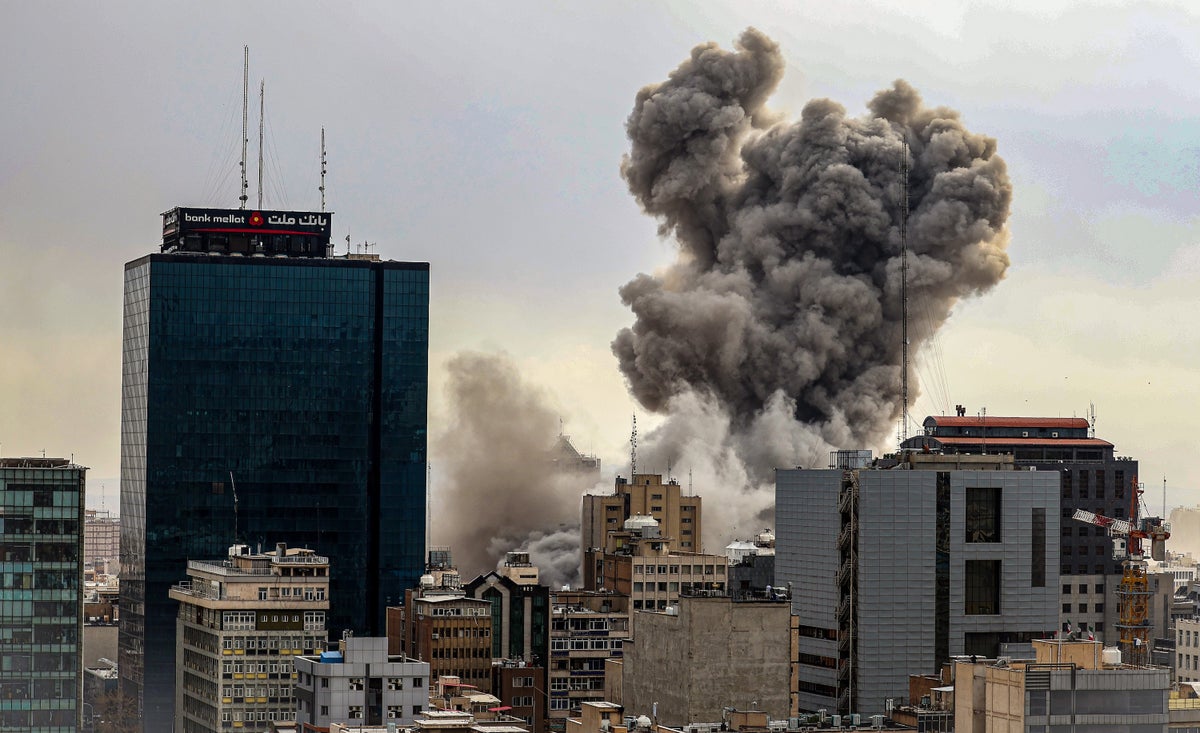
1 month agoTrump's Iran war will reinforce North Korea's view that nuclear weapons are the only path to security
North Korea's nuclear weapons program is driven by regime survival, accelerated by observing Iran's vulnerability to military strikes without nuclear deterrence.
#iran-nuclear-program

World news
fromwww.theguardian.com
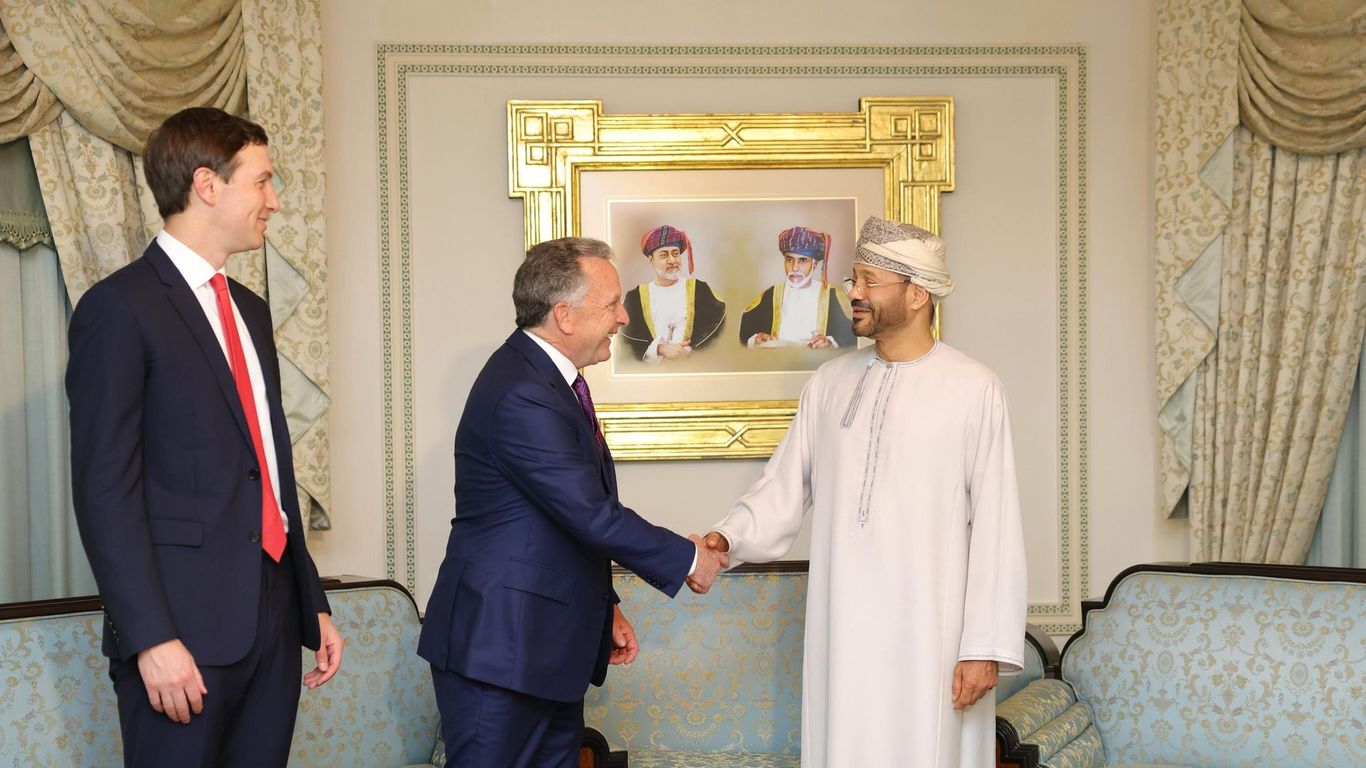
1 month agoUS weighs sending forces into Iran to secure nuclear stockpile, reports say
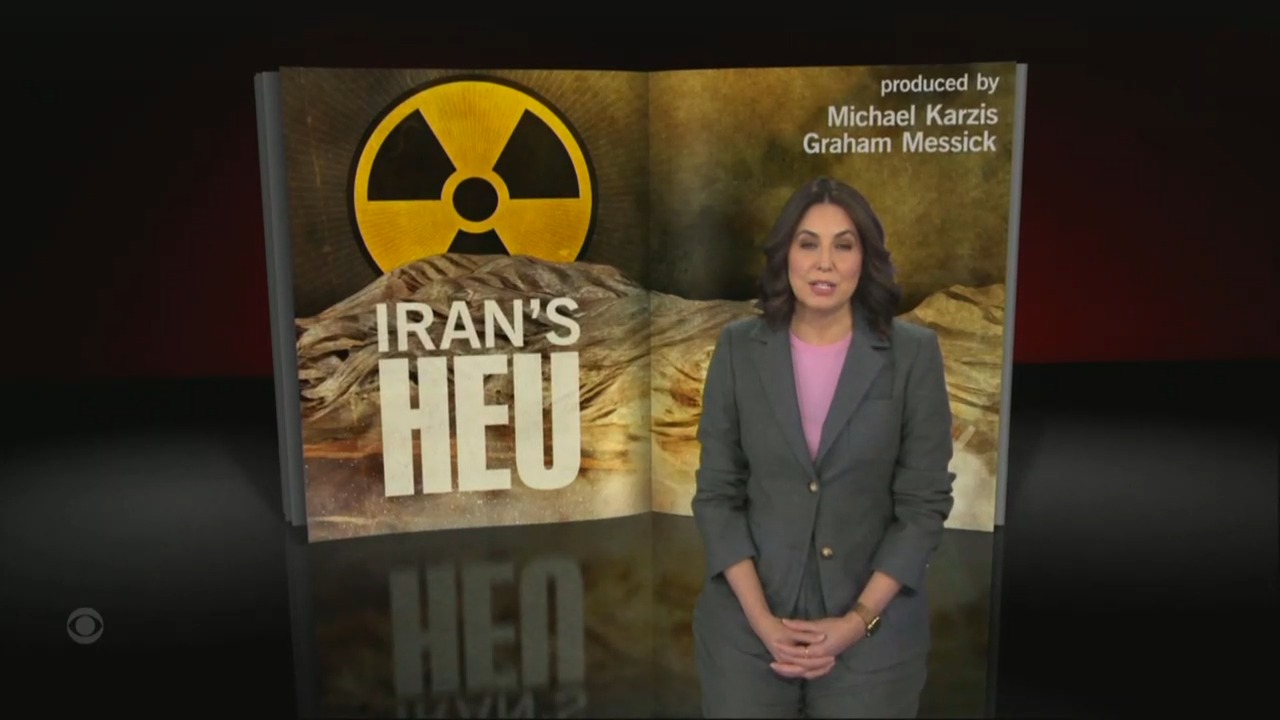
The Trump administration is considering deploying special forces into Iran to secure 440kg of highly enriched uranium that could produce at least 10 nuclear warheads, though nuclear experts warn of significant complexity and risks.


World news
fromwww.theguardian.com
1 month agoUS weighs sending forces into Iran to secure nuclear stockpile, reports say
The Trump administration is considering deploying special forces into Iran to secure 440kg of highly enriched uranium that could produce at least 10 nuclear warheads, though nuclear experts warn of significant complexity and risks.
fromwww.dw.com
1 month agoUN rules ban use of force, yet could not stop the Iran war
Article 2(4) of the UN Charter has been described as a "cornerstone of modern international law" and its bright red line. It prohibits countries from threatening or using force against another state's territory or political independence. Drafted in the aftermath of World War II, its objective was to maintain peace and make negotiation not armed conflict the default mode to settle disputes.
World politics


fromwww.theguardian.com
2 months agoDeeply ideological': the rationale behind Iran's insistence on uranium enrichment
Asked by the Guardian in November in Tehran what cost benefit analysis could possibly conclude that the nuclear programme was a worthwhile project, the foreign minister, Abbas Araghchi, referred to Iran's sovereign right under the nuclear non-proliferation treaty, the medical benefits, and the blood of past assassinated Iranian nuclear scientists. He suggested a compromise whereby a consortium including possibly the US could enrich uranium in Iran, but insisted the principle that uranium would be enriched inside Iran remained sacrosanct.
World politics
fromwww.aljazeera.com
1 month agoIAEA confirms buildings damaged at Iran's Natanz nuclear facility
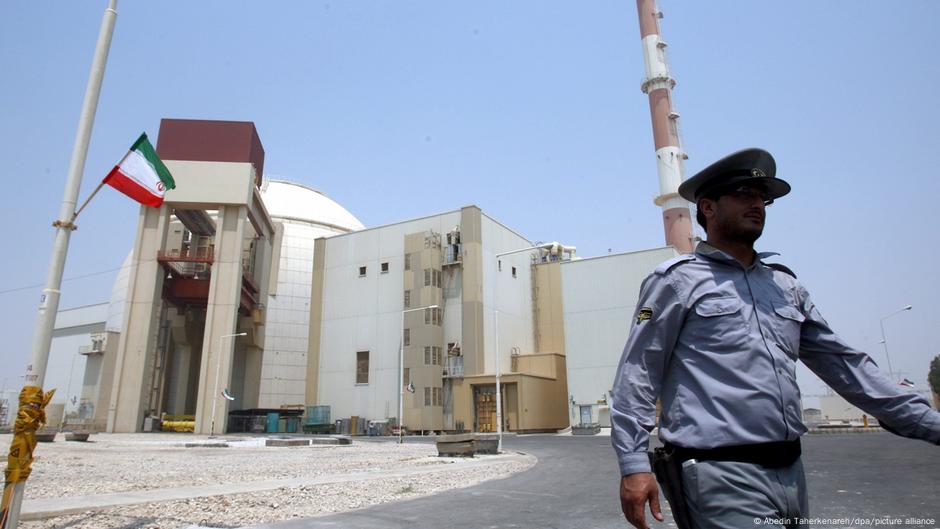
In a short statement on Tuesday, the International Atomic Energy Agency (IAEA) said damage was confirmed at entrance buildings to the underground fuel enrichment plant (FEP). No radiological consequence expected and no additional impact detected at FEP itself, the agency said, adding the facility was severely damaged during the 12-day war Israel and the US waged on Iran last year.
World news
World news
fromBusiness Insider
2 months agoUS accuses China of breaking rules on nuclear weapons by hiding explosions and preparing for more testing
The US alleges China conducted secret underground nuclear explosive tests, used measures to hide them, and such tests would violate the Comprehensive Nuclear-Test-Ban Treaty.
[ Load more ]