Environment
fromEarth911
6 days agoThe 2026 Drought, Region by Region
Over half the U.S. and Puerto Rico face moderate drought or worse, with record-low spring precipitation and La Niña driving widespread water shortages.
The A.I. Global Forecast System and the A.I. Global Ensemble Forecast System will now be routinely offered alongside its other weather model products. These new weather models offer slight increases in accuracy, but can be computed roughly 1,000 times faster than traditional numerical weather prediction models. NOAA is also offering a hybrid ensemble forecast, the HGEFS, which incorporates predictions from both the AIGEFS and the conventional GEFS.
A new report has found unprecedented temperature rises and significant loss of snow and ice in the Arctic, a region now described as warming far faster than the rest of the planet. The annual Arctic Report Card published by the US National Oceanic and Atmospheric Administration (NOAA) on Tuesday found that surface air temperatures across the Arctic between October 2024 and September 2025 were the warmest recorded since 1900.
The almanac is known for making predictions based on secret formulas in the months leading up to a new season. This year, it predicted a cooler and drier October. But the National Weather Service paints a different picture. The agency's parent organization, the National Oceanic and Atmospheric Administration, said the New York region has a 40 to 50% chance of a warmer-than-average fall.
A massive 7.8 magnitude earthquake has set off tsunami alerts in Alaska, Hawaii, and throughout the Pacific Ocean. The quake struck near the Petropavlovsk-Kamchatsky region, off Russia's east coast Thursday at 2:58pm ET. The National Oceanic and Atmospheric Administration's tsunami warning system has announced that Hawaii is officially under threat from dangerous waves triggered by the earthquake. Two tsunami watches have been issued for Alaska's Aleutian Islands, which is the closest US territory to Thursday's eruption.
"Previous exploration at Midway investigated ships engaged in the battle; however, the dive on April 20 resulted in the extraordinary discovery of aircraft that fought at Midway lying underwater, on the actual battlefield."




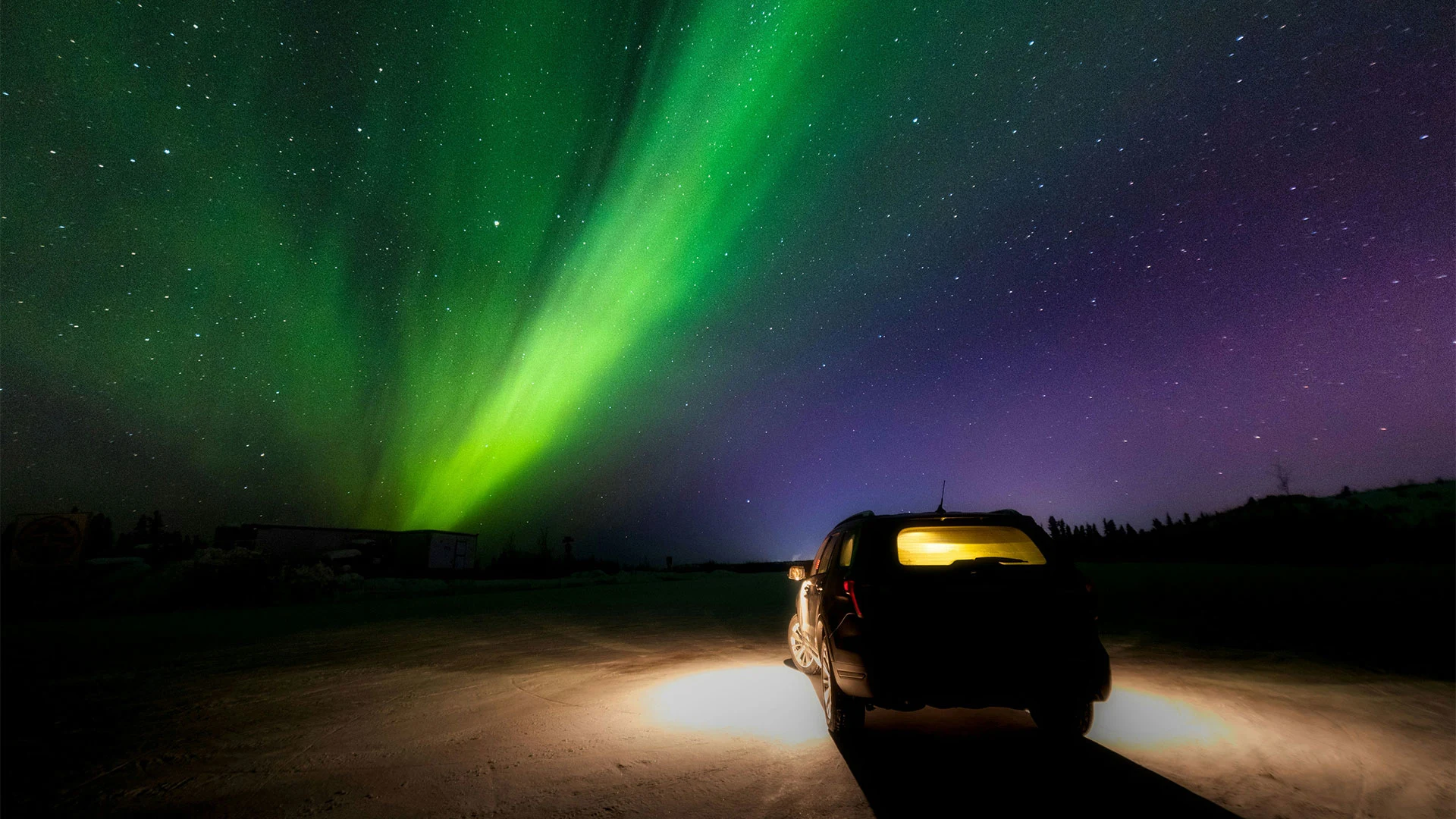
:max_bytes(150000):strip_icc()/TAL-northern-lights-alaska-USNRTHNLIGHTS0825-d7e7f2346b894257a21d615e8fb83bf4.jpg)