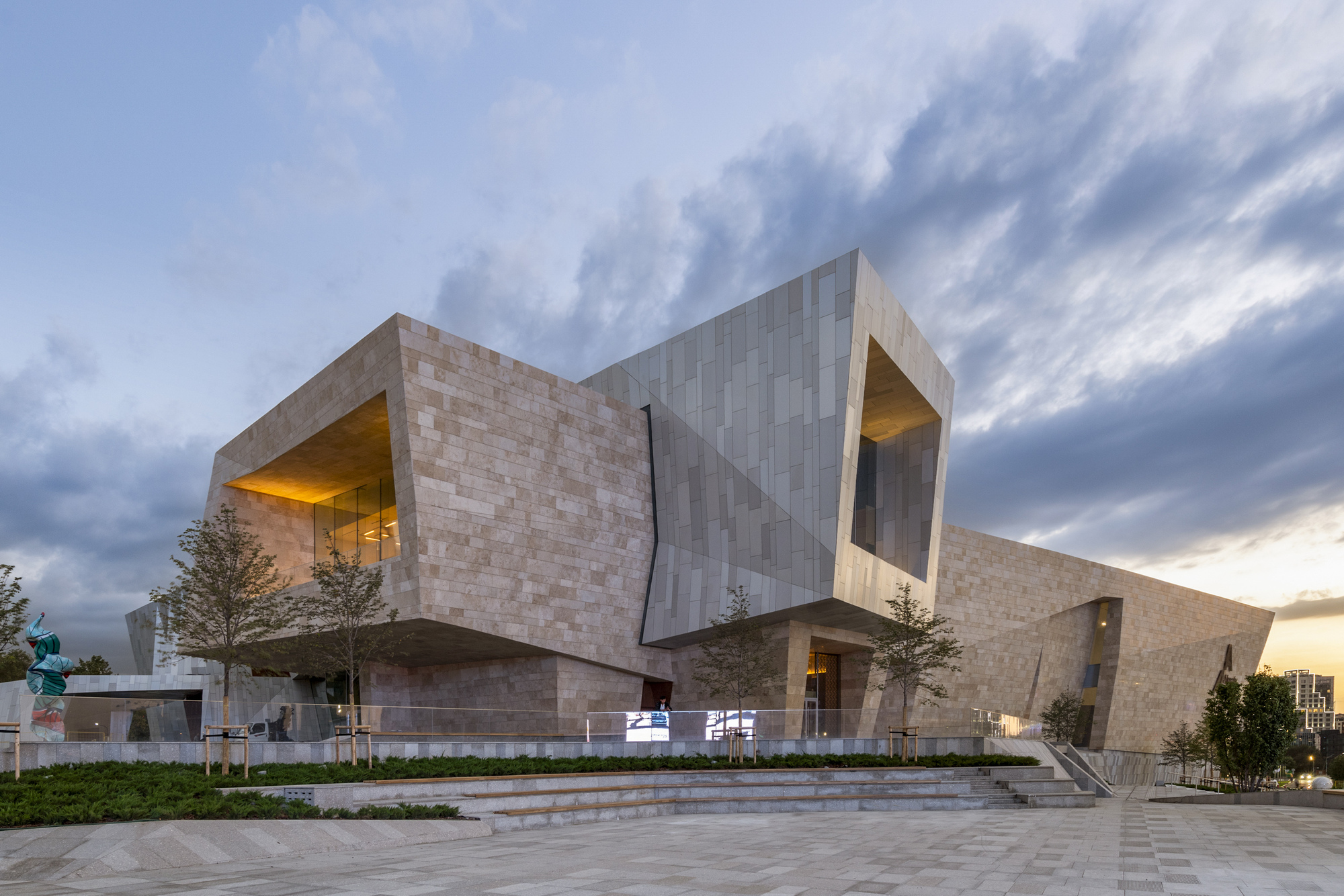
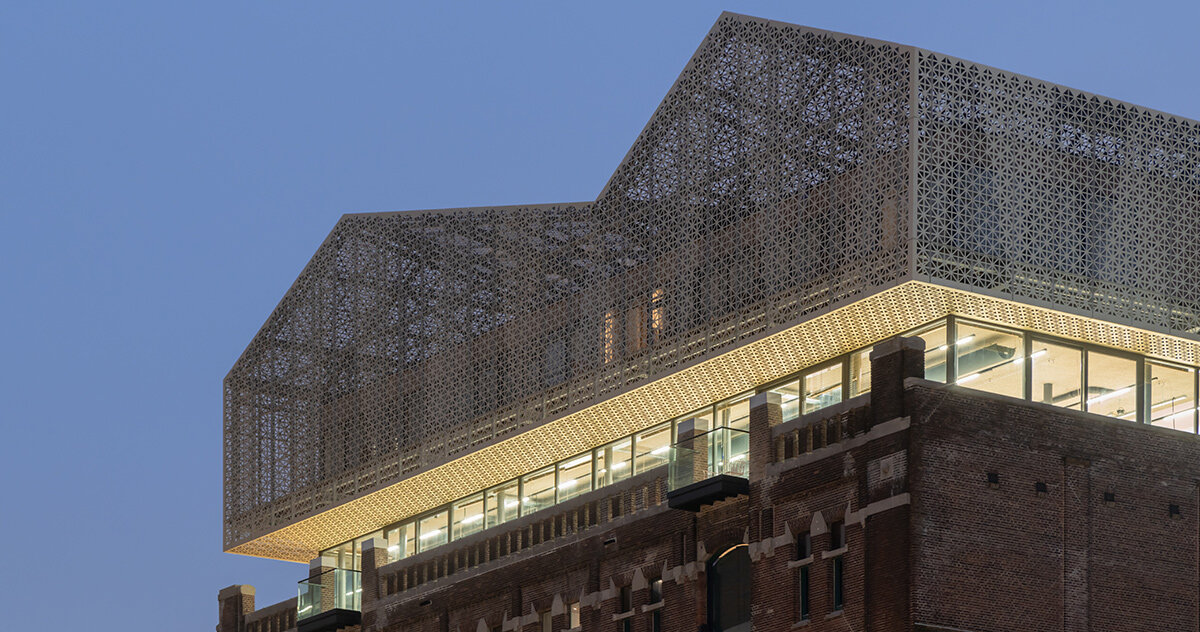
In Manisa, western Turkey, the Liberation Museum by Yalin Architectural Design is a memory space shaped by absence, loss, and collective resilience. Developed for the Greater City Municipality of Manisa, the 3,800-square-meter project narrates the local civil resistance movement that emerged independently of central authority between 1918 and 1923, during and after the First World War. The museum is conceived as an experiential landscape, guiding visitors through a spatial narrative of occupation, destruction, liberation, and rebuilding.
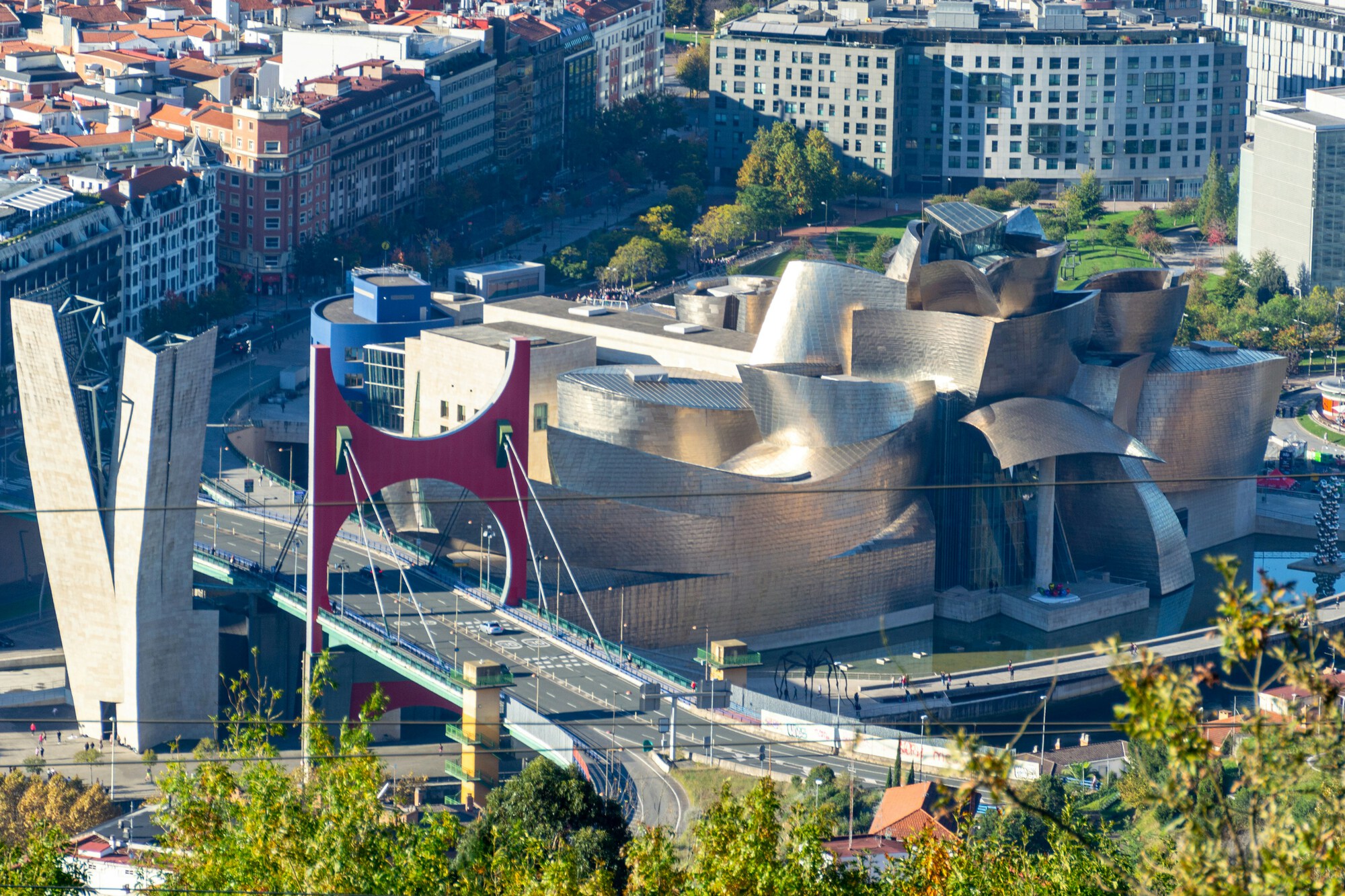
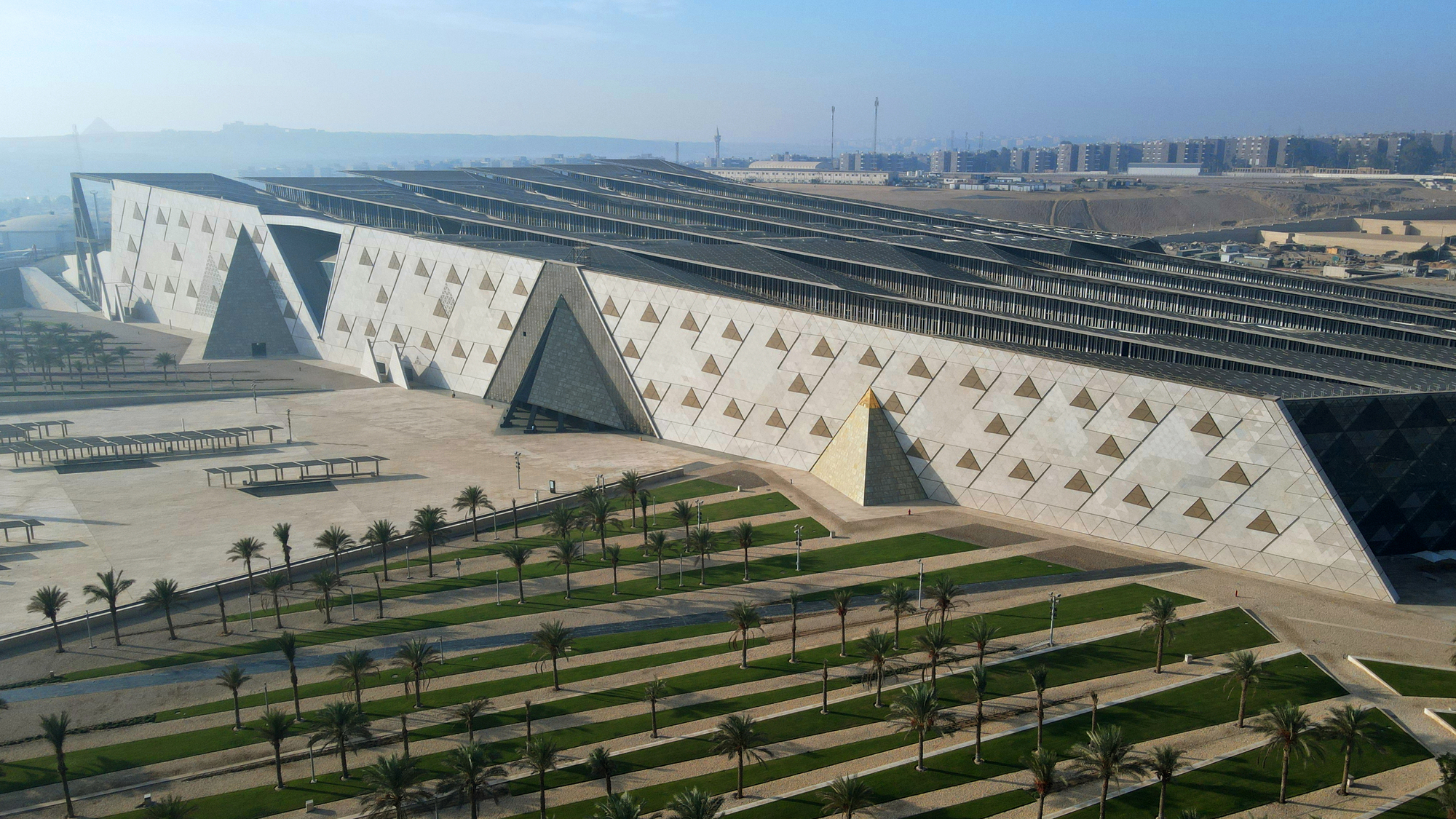
As cultural institutions continue to proliferate worldwide in this digital era, the museum itself appears increasingly in need of redefinition. Rather than offering a single model or solution, Architecture for Culture: Rethinking Museums, written by architectural historian and curator Béatrice Grenier, argues for a more contextual and plural understanding of what a museum can be: an institution shaped by its environment, its public, and the specific cultural questions it seeks to address.
Its façade features a mosaic of locally sourced stone, wrapping the building in hues that echo the surrounding Red Rock Mountains. A canopy extending beyond the roof is designed to provide a shaded "front porch" for the entry plaza. A signature grand staircase, visible through the entry level's floor-to-ceiling windows, transforms the interior core into a canyon, from which visitors ascend toward galleries that appear to float on the second floor.
Plans have been announced for Dubai's first art museum, a private initiative called the Dubai Museum of Art (DUMA). Designed by architect Tadao Ando, the five-storey building will be built on an artificial jetty in Dubai Creek and shaped like a curved shell. The museum is a project from the Al Futtaim Group, a major Dubai conglomerate with a portfolio including car brands, consumer goods and consumer financial services.
In the mirror I'm wearing enormous golden pantaloons, but only I can see them. Children sit in a rock pool playing mermaids, and in the next room there's a talking pea in a display case, beside a towering stack of mattresses. It's the world of Hans Christian Andersen (1805-1875), one of the 19th century's most beloved writers. I'm in Odense, on the island of Fyn (sometimes anglicised to Funen) in the south of Denmark,