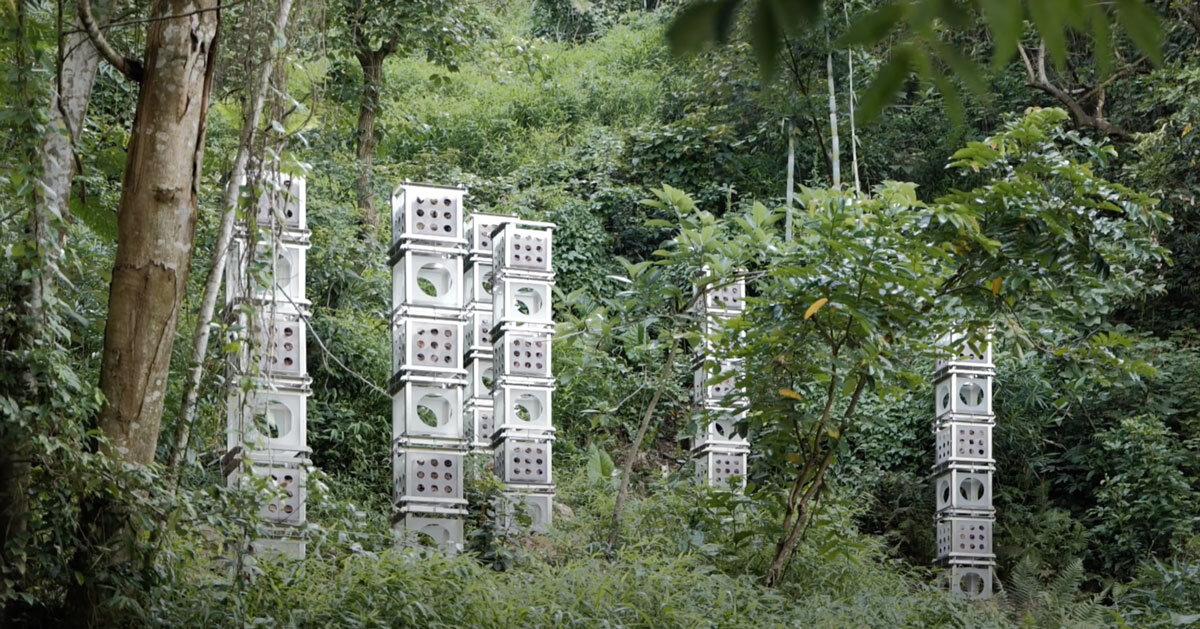
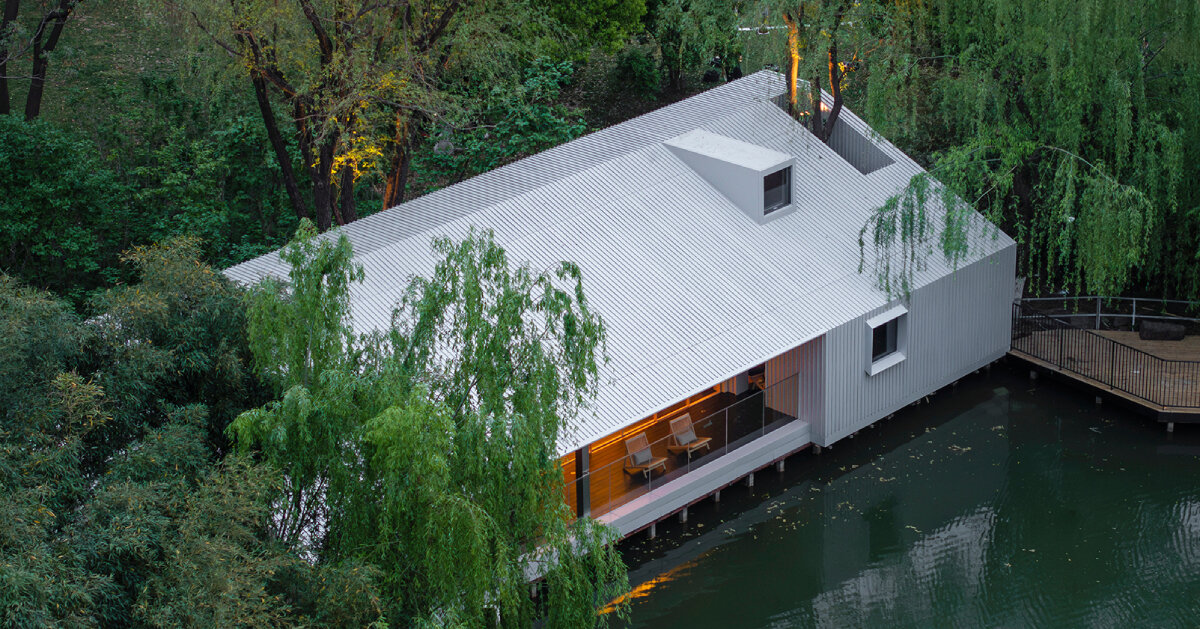
What makes these homes special isn't just the eco-friendly materials. The architecture firm cracked the code on making rammed earth construction repeatable and adaptable. They use wooden frames repeatedly to build foundations and walls, then grow the number of rooms with each consecutive plan. The rammed earth walls aren't just pretty; they're the primary load-bearing elements supporting wooden roof panels through compression. Steel tie rods connect the roof to the footings, balancing all those forces to keep everything stable.
When the ground started shaking on that March morning in 2025, residents across central Myanmar braced for the worst. The 7.7-magnitude earthquake that tore through the region left destruction in its wake, toppling buildings and shattering lives. But in Mandalay, something remarkable happened. A cluster of 26 bamboo houses refused to fall, standing defiantly against nature's fury just 15 kilometers from the epicenter of the earthquake.
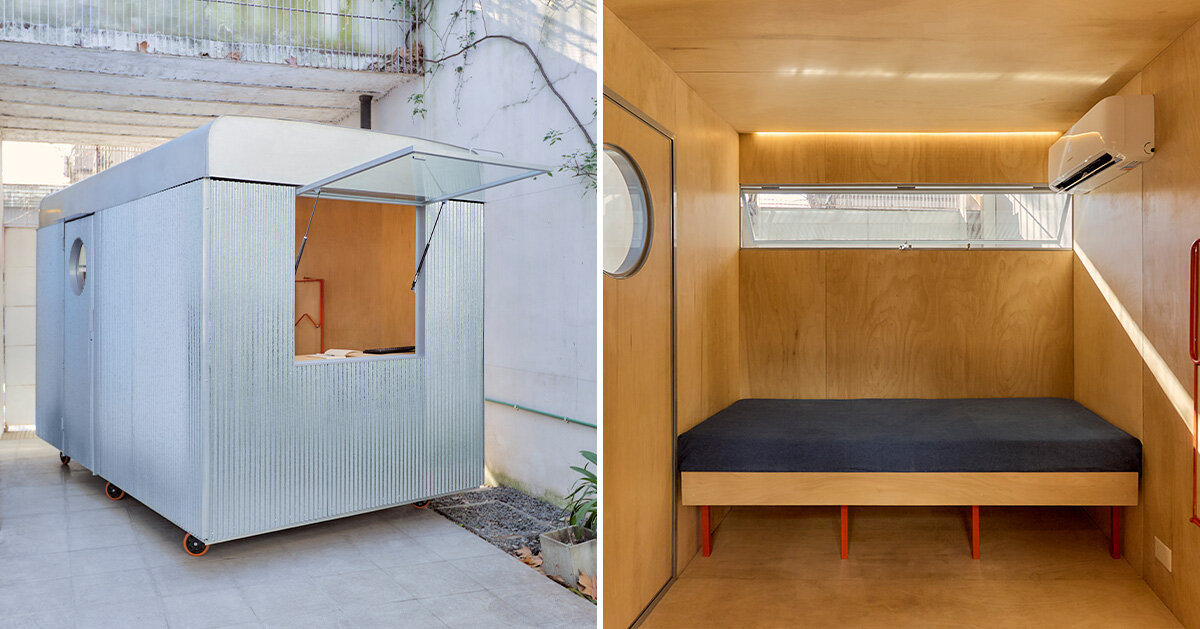
The Hungary-based architecture studio has built the Pebl Grand, a 220-square-foot, prefabricated accessory dwelling unit (ADU) that looks more at home on FX's 'Alien-Earth' set than in someone's backyard. Designed to feel both natural and otherworldly, the Pebl Grand blends organic materials like wood and stone with aluminum. Its asymmetrical, faceted shell gives it an asteroid-like look, and depending on its exterior cladding - either mirror, wood, or stone - it stands out or camouflages into its surroundings.
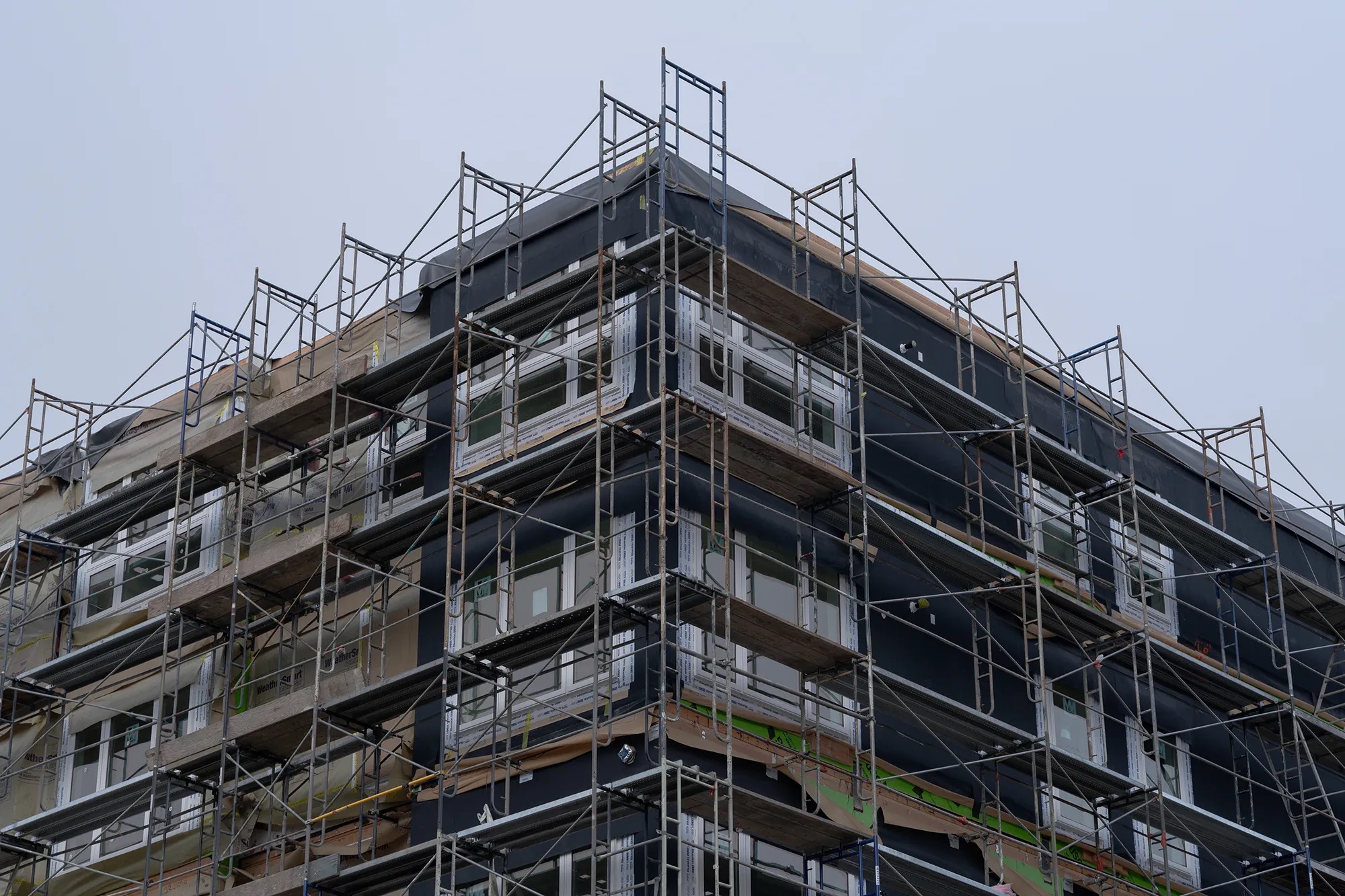
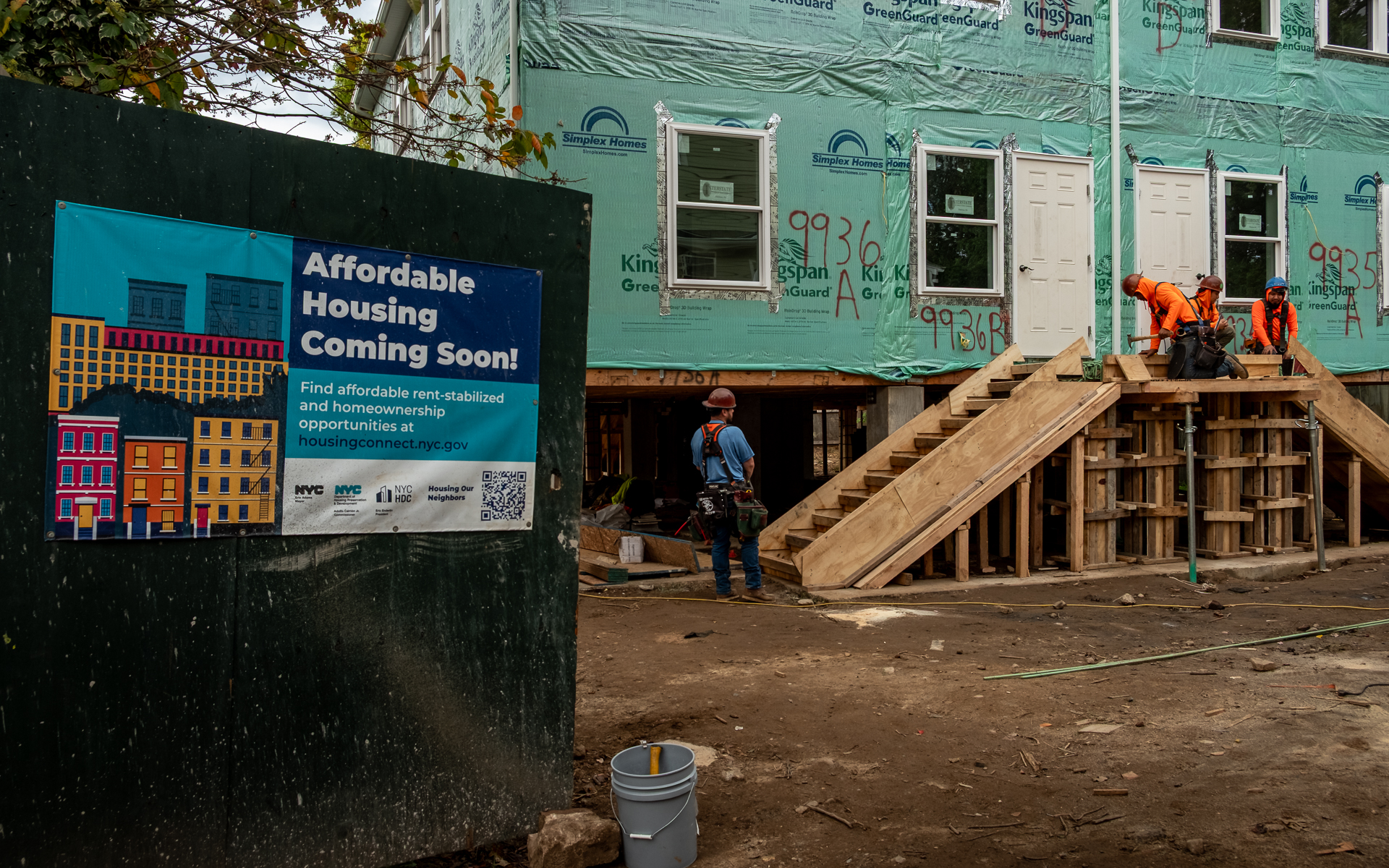
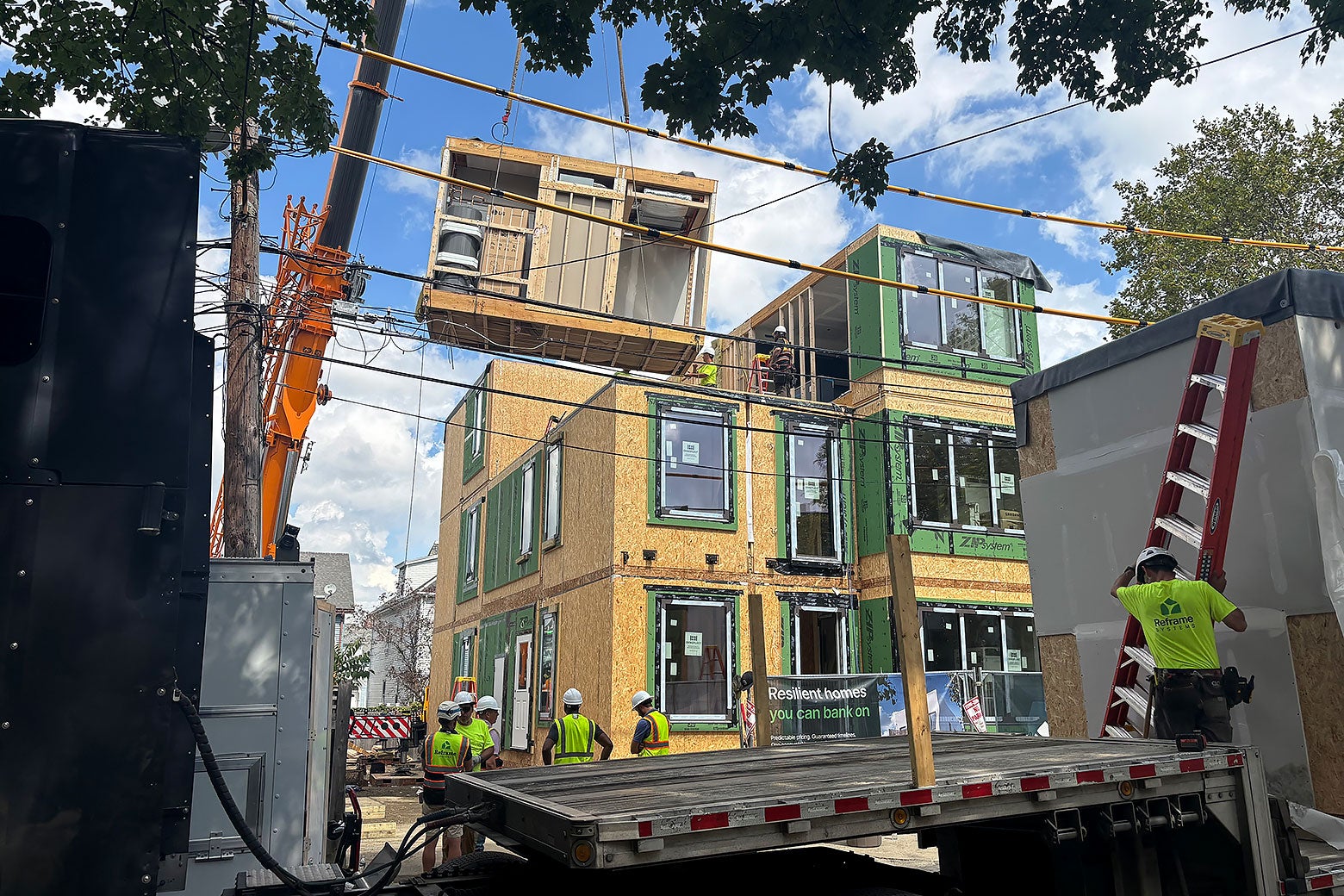
The findings suggest that modular methods can reduce labor needs by up to 40%, speed project timelines by as much as 50%, cut costs when executed at scale and even reduce emissions. As a result, the modular industry poses a solution to some of the construction industry's biggest challenges including but not limited to costs, worker shortages and housing demand.
"The Modern Side Stack showcases the adaptability of shipping containers, demonstrating how they can be converted into modern, efficient homes that blend functionality with comfort."