#human-behavior
#human-behavior
[ follow ]



fromSilicon Canals
2 weeks agoThe thing boomers know now that younger generations are still learning the hard way - that the people who make you feel small usually need the room you're taking up - Silicon Canals
The people who need you to shrink are dealing with their own stuff. After decades of running my own electrical contracting business, I've worked in hundreds of homes. Rich people, poor people, and everyone in between. You know what I noticed? The people who treated me like I was beneath them were always the ones fighting their own battles.
Careers

Psychology
fromSilicon Canals
1 month agoThe people who stay kind after being hurt aren't soft - they're the most structurally complex people in any room, because they're holding two truths at the same time: that the world can be brutal and that they refuse to be, and the energy required to hold both of those without collapsing into one is a weight that nobody sees because it looks like ease - Silicon Canals
Kindness after hardship reflects strength and awareness, not naivety or denial, challenging common assumptions about human responses to suffering.
Psychology
fromSilicon Canals
1 month agoBehavioral scientists say the reason people cry when they see someone else reunited with a loved one - at airports, in films, in real life - isn't sentimentality. The brain's mirror neuron system fires a complete emotional simulation of the experience, and the tears aren't about the strangers, they're about every reunion your own body has stored and every one it's still waiting for. - Silicon Canals
Observing emotional reunions activates mirror neurons, creating an embodied response that connects us to the feelings of others.
Psychology
fromSilicon Canals
1 month agoPsychologists explain that the reason some people can forgive enormous betrayals but struggle to forgive small slights is that small slights feel chosen. The big wounds can be blamed on circumstance, but someone choosing not to save you a seat reveals exactly where you stand - Silicon Canals
Small social slights often cause more emotional pain than major betrayals because they send unambiguous signals about social exclusion without mitigating context.
London
fromSilicon Canals
1 month agoTaxi drivers who work night shifts say the conversations they have between midnight and 4 AM reveal these 7 things about people that daylight never does - Silicon Canals
Late-night taxi rides reveal authentic human behavior and emotional truths that people conceal during daylight hours, exposing widespread loneliness despite outward success.



fromThe Atlantic
7 months agoFive Baha'i Lessons for a Happier Life
One of the biggest gripes I have about my academic field of social science is that it explains a lot about human behavior but is very short on prescriptions for how to live day to day. Even when it does have something suggestive to offer, the research almost never supplies evidence of whether its widespread adoption would have a positive effect. The same deficiency is even truer for philosophy, a realm in which big thoughts about life usually remain abstract ideas.
philosophy
NYC music
fromIndependent
9 months agoThe grudge era: Taylor Swift's celeb spats are enthralling, but does it serve the rest of us to hold onto our resentments or should we let them go?
Taylor Swift's public feuds highlight that even the most successful individuals engage in petty conflicts, reflecting common human behaviors.
fromsfist.com
10 months agoIt's Not Your Imagination, Your Waymo May Be Driving More Like a Human
The assertive actions of Waymo's self-driving taxis reflect a shift towards more human-like driving behaviors, potentially enhancing safety through better predictability and interaction with human drivers.
Cars
fromPsychology Today
10 months agoHow Our Brains Were Built
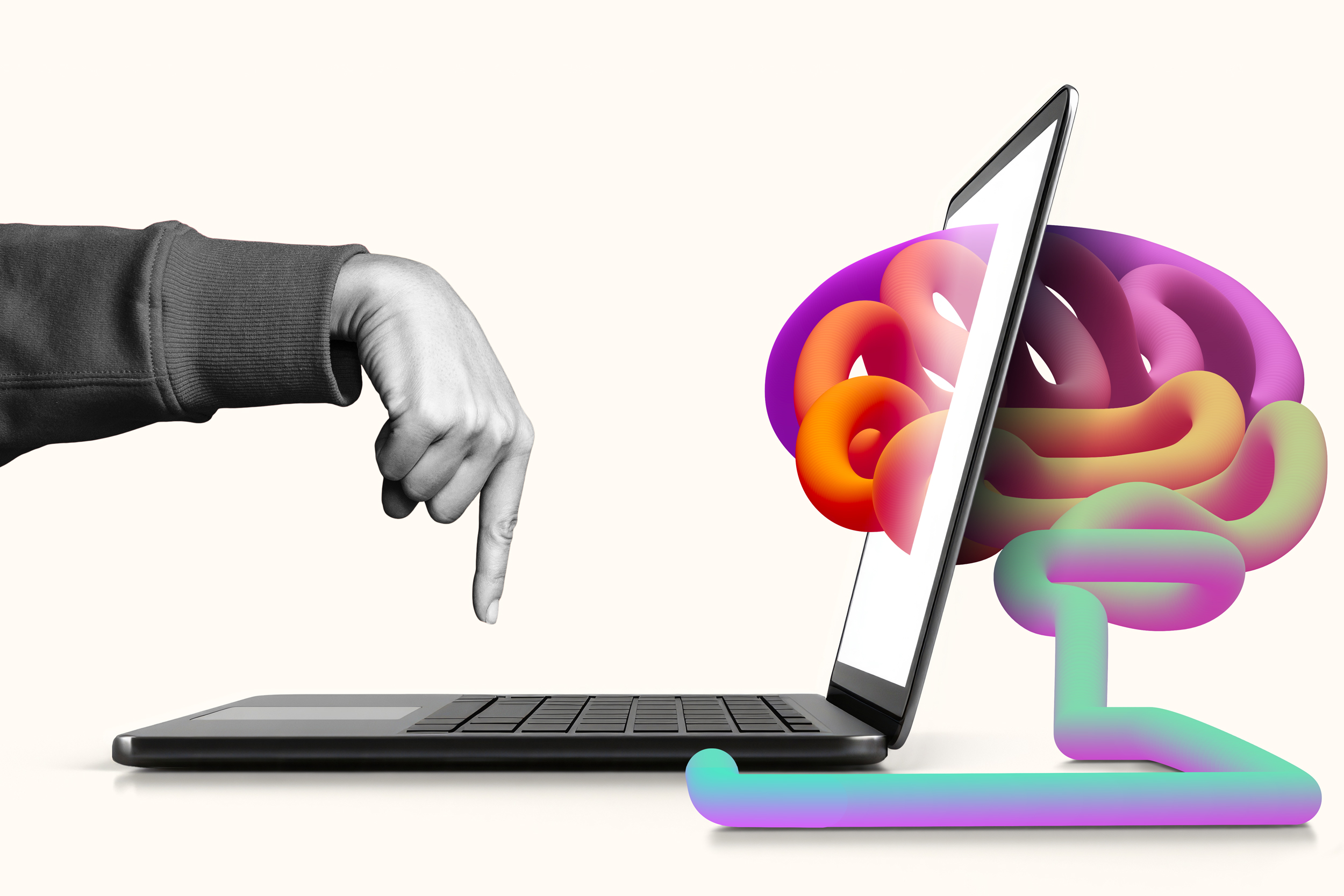
At first glance, the human brain might appear to be a marvel of engineering-a seamless interface for sensory input, cognitive control, and motor output. But if you peer beneath its sophisticated functions, one quickly sees a structure resembling something more like London's winding streets: layered, circuitous, and often baffling in its logic.
London politics
Coronavirus
fromenglish.elpais.com
11 months agoHollywood's big lie about disasters: In crises like Spain's blackout, the natural reaction is generosity, not panic
In crisis situations, individuals often exhibit solidarity and altruism rather than selfishness, countering traditional disaster portrayals.
[ Load more ]