#habit-change

[ follow ]
fromPsychology Today
2 hours ago

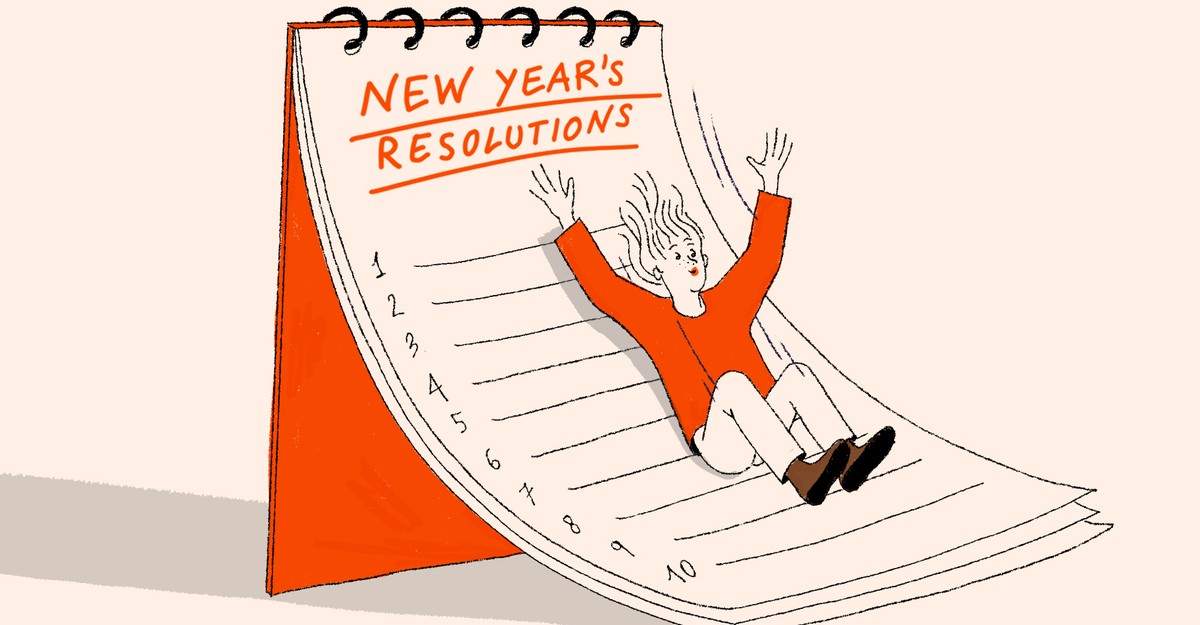
Making New Year's Resolutions Stick

If you want to be more successful with holding onto a positive goal change, current research reports the key will be goal adaptation. Goal adaptation, also known as goal flexibility, refers to the ability to view setbacks with patience and kindness. Approaching your New Year resolution this way allows for wiggle-room, so adjustments can be made to your desired outcome. Goal flexibility also leads to greater feelings of success and well-being.
Mindfulness
Philosophy
fromPsychology Today
5 hours ago

Return With Wisdom: An Ancient Principle for the New Year

Returning to the same situation can be mindless repetition (kyklos) or a wisdom-enriched, purposeful return (epistrophe) that fosters development.
Mindfulness
fromApartment Therapy
3 days ago

The 10-Minute Practice That Doubles My Productivity All Year Long

Choose one intention, tie it to a home space, and spend 10 focused minutes on New Year's Eve fixing that space to support the goal.
Psychology
fromwww.dw.com
6 years ago

New Year's Eve: How to make resolutions for 2026 DW 12/29/2025

Focus on one enjoyable, realistic habit change at a time to conserve willpower and increase chances of long-term success.
fromFast Company
2 weeks ago

Science says super-achievers don't set avoidance goals. Here's why successful people set approach goals

Partly that's because it's more satisfying to do something you want to do than to avoid something you don't want to do. For example, for decades I drank a ton of Diet Mountain Dew. When I finally decided I wanted to drink less soda, I set an approach goal: Instead of setting a goal like "Stop drinking Diet Mountain Dew in the morning," my goal was "Drink water with my protein bar and banana for breakfast.
Psychology
Mindfulness
fromApartment Therapy
2 weeks ago

I Started a "Dopamine Menu," and It Helped Me Cut Down on Clutter

Replace impulsive shopping with rewarding home-care tasks to reduce clutter and retrain the brain to prefer non-cluttering activities.
Mindfulness
fromwww.theguardian.com
1 month ago

The one change that worked: I used to be a compulsive shopper until I hit upon a simple trick

Waiting 24 hours before checkout reduced impulsive online purchases by prompting assessment of need and affordability.
Relationships
fromwww.mercurynews.com
1 month ago

Dear Abby: I'm afraid to tell my mom who my new boyfriend is

Introduce a changed partner gradually to a wary parent and address recurring swearing by identifying triggers and reducing stress.
Mindfulness
fromPsychology Today
1 month ago

A Passion for Self-Compassion

Self-compassion means treating oneself with kindness, recognizing shared humanity, and applying mindful awareness, practiced gradually to improve mental health and reduce stress.
fromThe Atlantic
2 months ago

Dear James: I'm Tired of Being a Compulsive Liar

Dear Reader, I grew up in a household full of love and care-but also of elephants in the living room and eggshells I had to walk around so as not to ruffle a single feather. My parents are extremely sensitive and horrible listeners, so you can imagine how I coped: I lied. A lot. I lied to get away with things, but mostly I lied so that I wouldn't upset anyone or get into trouble.
Mental health
Digital life
fromAxios
2 months ago

"Analog bags" are in. Doomscrolling is out.

Carrying an analog 'stop-scrolling' bag provides a reachable tactile alternative to phone scrolling, helping build new habits and revive pre-digital hobbies.
Wellness
fromPsychology Today
2 months ago

5 Quiet Ways to Self-Improve

Small, quiet shifts—self-kindness, reflecting on completed work, and subtle habit changes—accumulate into meaningful long-term improvements in well-being and success.
fromPsychology Today
3 months ago

How to Stop Living in the Emotions That Hurt You

You may be familiar with a particular feeling because you were exposed to it often while you were growing up. Maybe you were raised by an anxious parent who constantly warned you about the potential dangers that surrounded you. You may find yourself constantly bracing for something to go wrong or perseverating about the future and things that haven't even happened yet. That might mean you're habituating to worry and fear.
Mental health
Mindfulness
fromPsychology Today
3 months ago

Practicing Compassionate Awareness to Enhance Your Life

Cultivating compassionate, present-moment awareness of habitual reactions enables intentional responses and meaningful change instead of automatic, repetitive patterns.
[ Load more ]