They look like ordinary basketball courts. But two new courts built next to public housing in New York City double as flood prevention. In a sudden flash flood-when the city's aging sewer system can easily become overwhelmed and streets can fill with water-the sunken basketball courts act like retention basins. The design can hold as much as 330,000 gallons, with the court's lowest areas filling like a pool and additional water stored in bioretention cells beneath the surface.
Facchino Neighborhood broke ground on Oct 20th in Berryessa, which will transform a 13-acre industrial site at 1655 Berryessa Road into over 700 residential units. Property owner Bob Facchino personally operated an excavator to begin demolishing the building that once housed his family's trucking business for more than 50 years, calling the moment bittersweet yet necessary for progress. This redevelopment, near the Berryessa BART station that opened in 2020, aligns with plans for an urban village that integrates housing with transit accessibility.
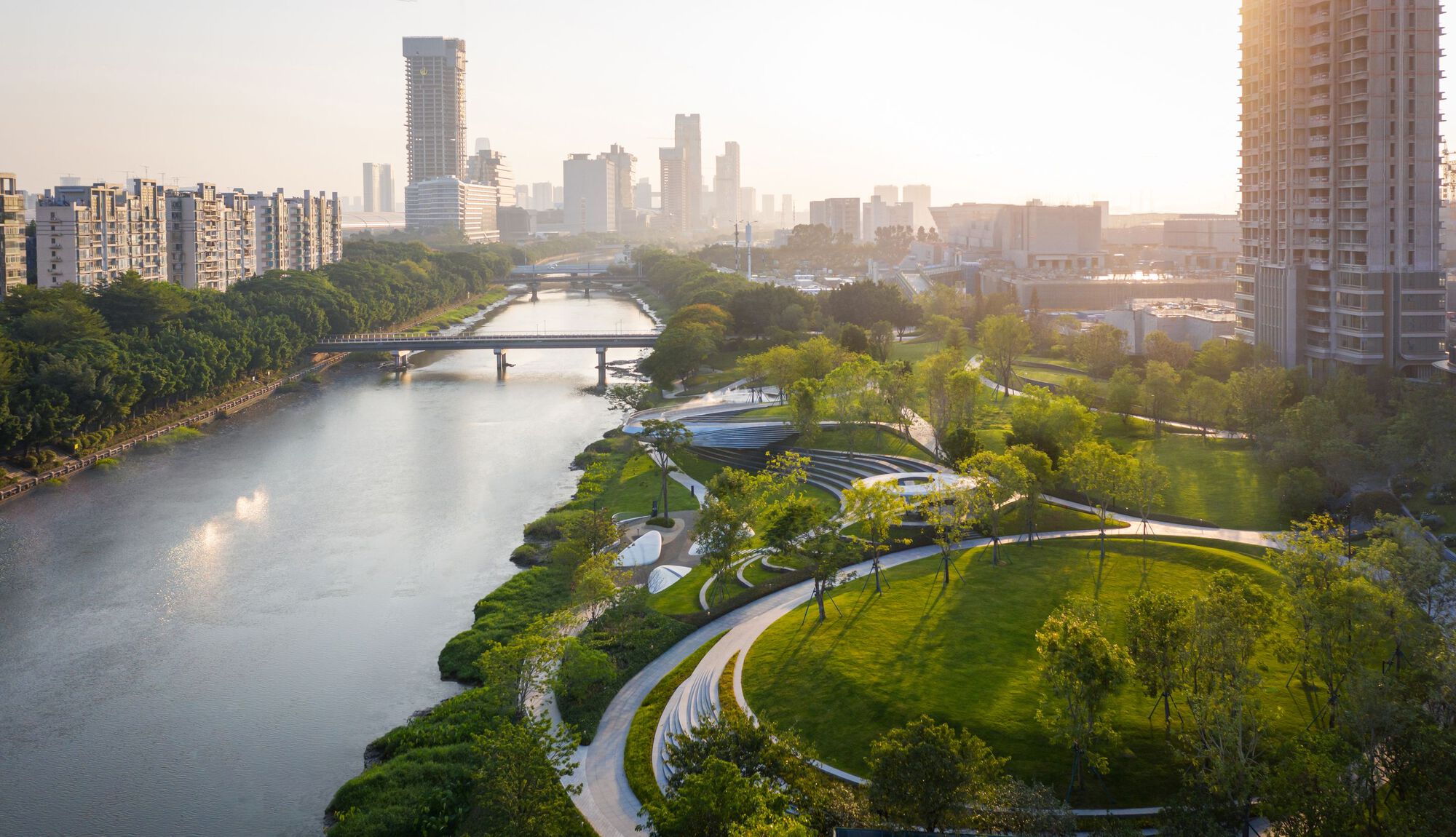
"It's incredibly transformed," says Emily Mueller De Celis, a landscape architect at the firm Michael Van Valkenburgh Associates, which won a competition to "renaturalize" the area in 2007. "Rather than walking around in and amongst oil refineries and other industry, now you are immersed in nature, walking along the banks of a river with spectacular views back to the city."
The Bronx River was once heavily altered by industrial activity and has been the subject of significant restoration efforts to improve its ecological health and connectivity. One major project is the construction of a fish passage at the East 182nd Street Dam, which aims to improve aquatic species migration and enhance the ecological functioning of the river. By facilitating the movement of fish that had previously been blocked by the dam, this project would promote a healthier aquatic ecosystem.
When it rains, New York City's natural areas-made up of forests, wetlands, and grasslands-play a crucial role in keeping sewers from overflowing by soaking up 17 percent of the city's stormwater, a new report by the Natural Areas Conservancy (NAC) finds. The report reveals that this natural landscape, which makes up a third of the Big Apple's more than 30,000 acres of parkland, soaks up twice the amount of storm water on a per unit basis when compared to other forms of green infrastructure like rain gardens.
The Royal Borough of Greenwich council aims to make streets greener, safer, and more sustainable by introducing car club facilities, cycle storage, and electric vehicle charging points.