Global energy prices soared Thursday after Iran attacked two oil refineries in Kuwait and a key natural gas facility in Qatar that can supply one-fifth of the world's liquified natural gas. The attacks added to fears the energy crisis triggered by the closure of the Strait of Hormuz to tanker traffic may be longer and more extensive than feared, with lasting damage to oil and gas production.
Before the Iran war began, a rate cut at the Bank's next meeting on 19 March had been an 80% chance, but policymakers are now expected to wait to see how the conflict develops with a 99% probability of a hold at the meeting and no rate cuts for the rest of 2026, markets indicate.
It is becoming increasingly common for geopolitical incidents to have a direct impact on people's finances and this looks certain to happen again after the US and Israel launched strikes on Iran, sparking conflict across the Middle East. The latest escalation comes after a year in which US president Donald Trump instigated tariffs on nations around the world during the prolonged tension between Iran and Israel.
Employers added a healthy 130,000 jobs in January, the Labor Department said this week, as the unemployment rate edged down to 4.3%. The caveat? That announcement came with revisions that showed job creation flatlined over the last year, with only 15,000 jobs being added per month on average. Service sectors like finance and professional services that normally power the creation of high-paying office positions have instead been shedding jobs, perhaps reflecting employers' anticipation of AI-related cost savings.
Once a fringe curiosity, the deepfake economy has grown to become a $7.5 billion market, with some predictions projecting that it will hit $38.5 billion by 2032. Deepfakes are now everywhere, and the stock market is not the only part of the economy that is vulnerable to their impact. Those responsible for the creation of deepfakes are also targeting individual businesses, sometimes with the goal of extracting money and sometimes simply to cause damage.
Interchange is a web-based interactive installation that explores how people perceive and engage with financial markets. The project reflects on the shifting relationship between individuals and the abstract systems that define modern finance. Active participation reveals a dynamic, unpredictable environment shaped by personal beliefs, collective behavior, news, and global events.
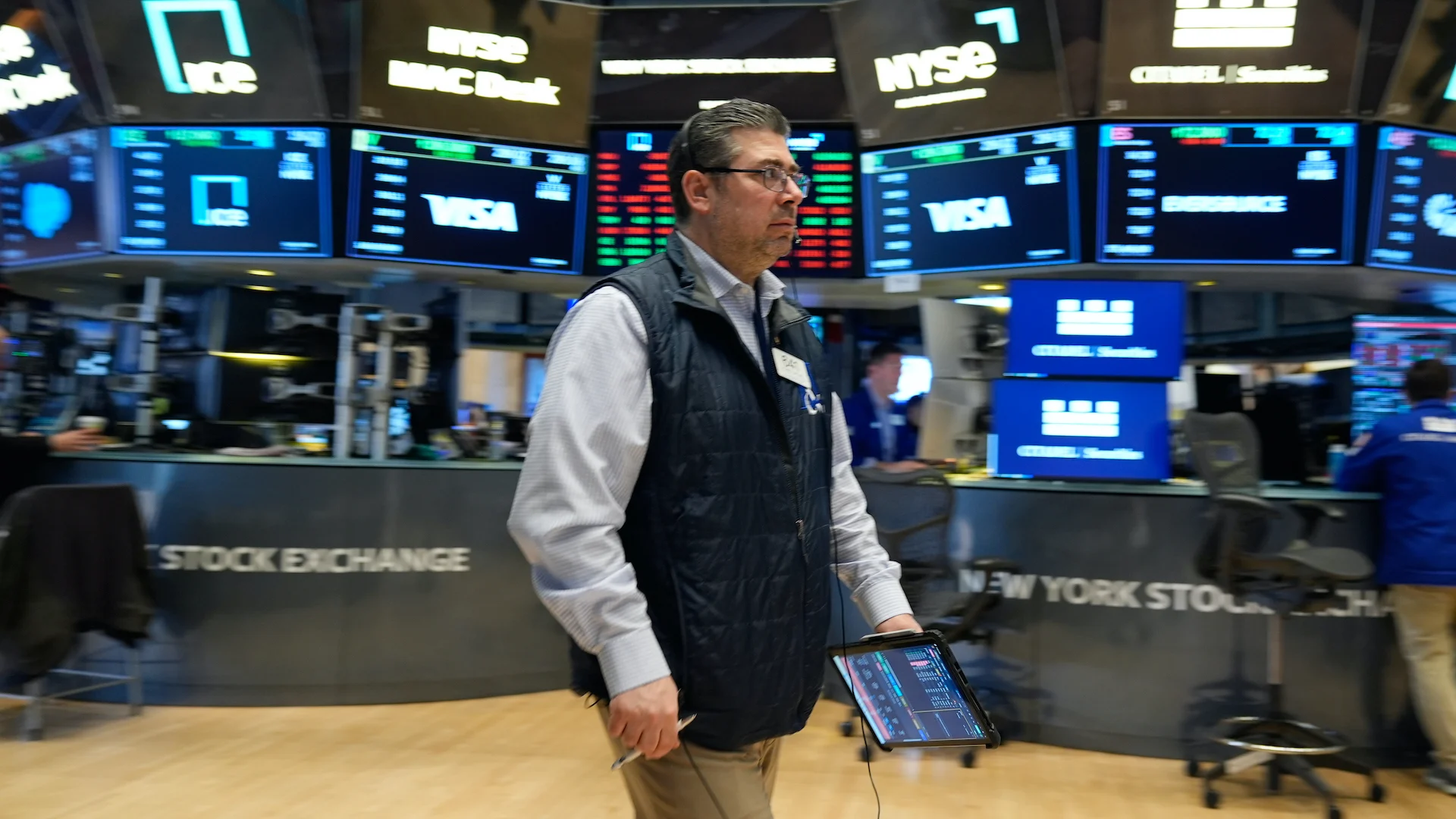
Financial markets globally rallied with sharp increases in share prices, as the Nikkei rose by 3.5%, the FTSE 100 hit a record 9,061, and the Dow Jones rose over 1%. News regarding nearing trade deals between the EU and US spurred this surge, while a significant trade agreement recently made between the US and Japan benefited Japanese automakers, with Toyota's shares surging over 14%.