#film-adaptation
#film-adaptation
[ follow ]
#science-fiction #video-games #elden-ring #lord-of-the-rings #a24 #tolkien #stephen-colbert #resident-evil
Film
fromwww.theguardian.com
1 day agoNot many people had gay dads who died of Aids': Andrew Durham and Sofia Coppola on movie memoir Fairyland
A film adaptation of a memoir centers on a gay father, childhood parties, and later caregiving, with the director’s life closely mirroring the memoir’s events.
fromGameSpot
1 week agoThe Resident Evil Movie Is Borrowing One Great Idea From Recent Games
"What I love about survival-horror games-and Resident Evil mostly-is this overwhelming feeling of dread," Cregger said. "I had this idea for a story in the world of Resident Evil, but it's kind of like me, if I was dropped into a Resident Evil game. I'm terrible with guns; I wouldn't know how any of them work, and I would miss 99% of all of my shots. This is my opportunity to be loyal to the games-in spirit and tone-and build a story that puts you in that scenario again, and again, and again, with increasing stakes."
Independent films
fromFilmmaker Magazine
2 weeks ago"A Growing Sense of Freedom": Sho Miyake on Two Seasons, Two Strangers
Two Seasons, Two Strangers—which won the Golden Leopard at last year's Locarno Film Festival, and more recently played Lincoln Center and MoMA's New Directors/New Films—is a diptych adaptation of two stories by cult manga figure Yoshiharu Tsuge, “A View of the Seaside” and “Mister Ben of the Igloo.” Miyake realizes these works through the eyes of screenwriter Li (Shim Eun-kyung), whom we first see trying to put pen to paper before we slip into the world of her movie, which follows two young people as their lives intersect at an island resort.
Independent films
fromIndieWire
1 week agoHow Aleshea Harris Combined Influences from Across History to Create Her Tragic, Absurd Debut 'Is God Is'
When the playwright and now film director Aleshea Harris began writing the script for " Is God Is," she was on food stamps; subletting an apartment in North Hollywood; and working multiple jobs, including teaching at California Institute of Arts where she'd gotten her MFA in 2014 and moonlighting as an associate at David's Bridal. "I was so broke," Harris, now 44, said in a recent video interview with IndieWire.
Film
fromwww.npr.org
2 weeks ago'The Wizard of the Kremlin' captures the rise of Putin and 'anything goes' Russia
Back in olden times, the movies usually waited until political leaders were safely buried before putting them on screen. We're less deferential now. From Oliver Stone's W., which hit theaters when George W. Bush was still in office, to Ali Abbasi's The Apprentice, which came out when Donald Trump was seeking his second term, filmmakers now calmly fictionalize stories about those still in power.
Arts
Books
fromSlate Magazine
3 weeks agoHer First Book Was a Bestseller That Became a Controversial Hit Movie. After 17 Years, She's Back With a New Novel.
The Help became a major bestseller and film success while also facing criticism as a problematic portrayal of Black life through a white-centered narrative.
fromVulture
4 weeks agoThe Hollywood Feud of the Century
Baldoni planned to direct the film and to play Ryle himself. They talked for three hours in Lively's home and got along well enough that the next day Baldoni was able to send an excited text to colleagues at his production company: 'Blake is in!!!!'
Writing
fromInverse
1 month ago42 Years Later, An Iconic Crime Thriller Reboot Is Going Back To Its Roots
The movie explores the glamour and corruption of mid-'80s Miami in an all-new version of Miami Vice, inspired by the pilot episode and first season of the landmark Universal Television series.
Independent films
fromKotaku
1 month agoLegend Of Zelda Set Photos Leak Has Fans Abuzz With Theories
The design looks pretty similar to Link's Twilight Princess appearance with chainmail underneath the green top. Notably, he also seems to be wearing a cape of some kind on his back, which is reminiscent of one of his Tears of the Kingdom looks.
Film
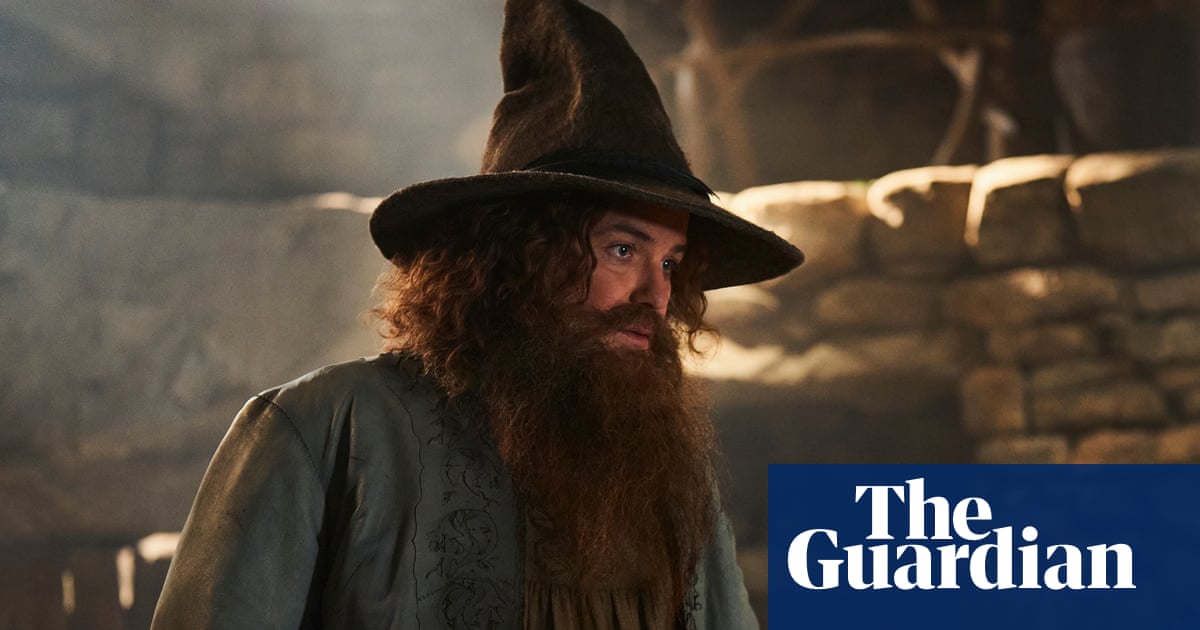

fromInverse
1 month ago70 Years Ago, Steve Martin Brought Godzilla To The US
Godzilla: King of the Monsters! was an American edit that went beyond dubbing the film into English, adding scenes and a new protagonist, an American reporter who served as a point-of-view character for '50s audiences watching this foreign flick.
Independent films
#existentialism


Writing
fromOregon ArtsWatch * Arts & Culture News
1 month agoFilmWatch Weekly: Camus' 'The Stranger' on screen, Christian Petzold's 'Miroirs No. 3,' and more * Oregon ArtsWatch
Modern life paradoxically fosters isolation despite increased connectivity, as explored in new European films based on existential themes.
fromFast Company
1 month agoBrief oral history: How 'A Minecraft Movie' rode the chicken jockey to the top of the box office
Kayleen Walters, head of Mojang Studios and VP of franchise development for gaming at Microsoft: We wanted to push the story beyond what players experience in-game and do something special for the film, making sure Minecraft not only stayed true to its roots but also created an experience that welcomed new fans into the franchise.
Independent films
fromConsequence
1 month agoHe-Man Battles Skeletor in New Masters of the Universe Trailer: Watch
The new trailer for Masters of the Universe goes deeper into the ascension of Adam Glenn as he transforms from mild-mannered Earthling to He-Man, super-powered defender of his father's home planet Eternia.
Film
fromwww.theguardian.com
2 months agoWilliam Shakespeare's Romeo+Juliet review Baz Luhrmann's joyful tragedy is still extravagantly full of life
Baz Luhrmann reinvented Shakespeare's Romeo and Juliet as a gangbanger love tragedy of the present day, with Mexico City standing in for an imaginary urban place called Verona Beach. The result was a terrific success, more of a success, I suspect, than Luhrmann ever had again; it was irreverent and questioning in just the right way, a sunburst of energy, but instinctively respectful to the story.
Film
fromwww.theguardian.com
2 months agoThe Magic Faraway Tree review spruced up Blyton with Foy and Garfield proves fruitful
The film distils the Blytonesque spirit of adventure and outdoorsy fun... and transfers it to a new world in which all generations are longing to escape electronic devices and AI.
Film
#science-fiction
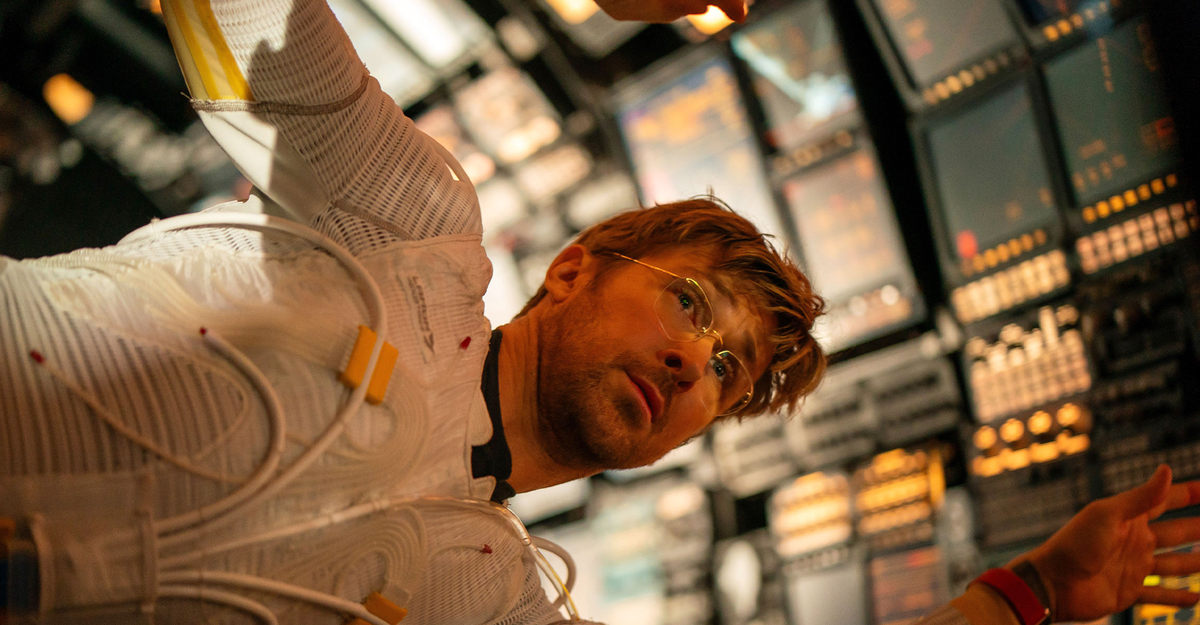
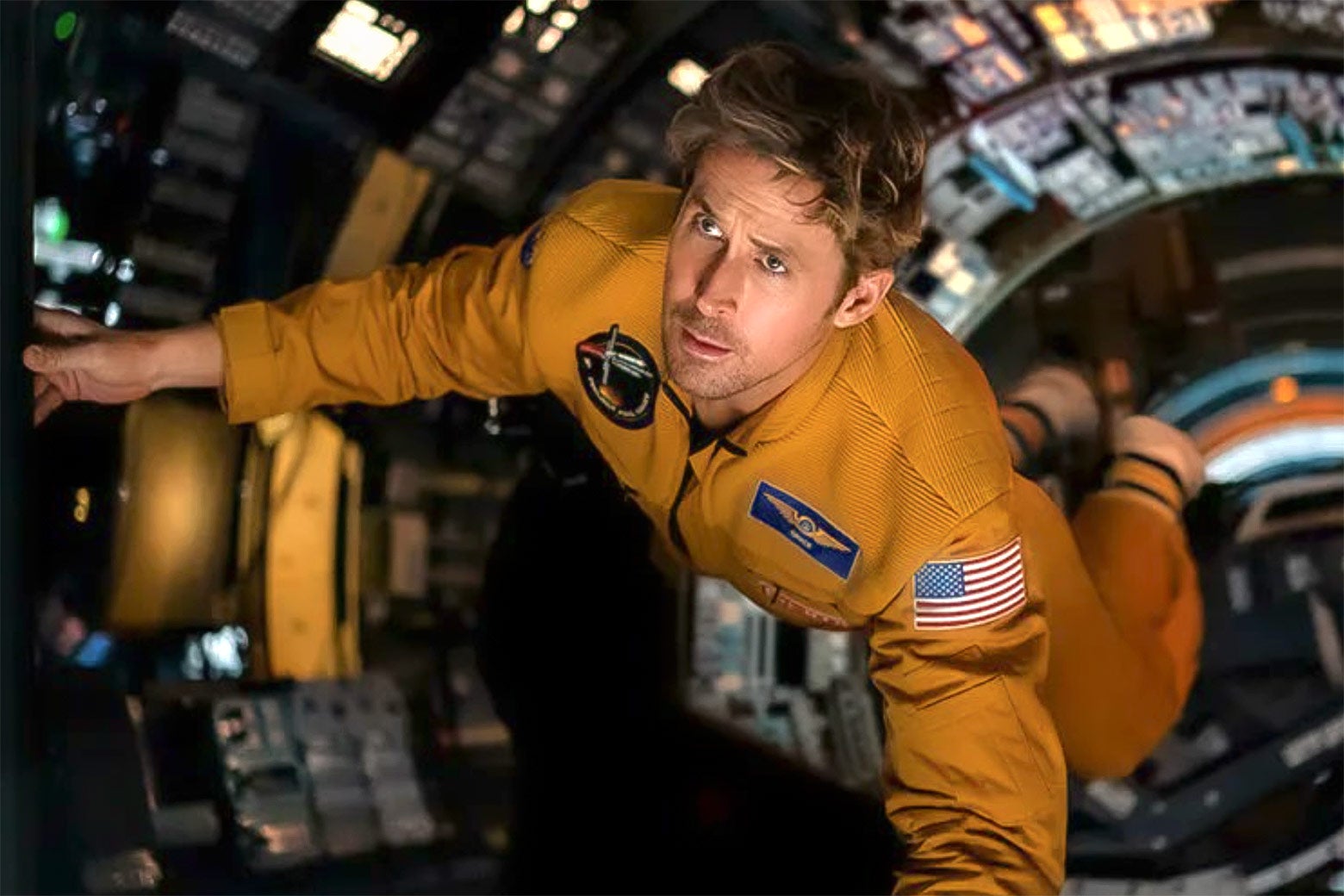

fromInverse
2 months agoFilm
'Project Hail Mary' Is Popcorn Sci-Fi At Its Most Crowdpleasing
Project Hail Mary adapts Andy Weir's hard science fiction novel into a visually spectacular blockbuster that balances complex scientific concepts with humor and emotional depth through Ryan Gosling's charismatic performance.
fromScary Mommy
2 months agoBooks
Ryan Gosling Says 'Project Hail Mary' Is The Kind Of Movie He Wants His Kids To Grow Up With
Project Hail Mary is a sci-fi film about space survival that combines grand scale with intimate human storytelling, emphasizing hope and the capacity for extraordinary achievement through collaboration.
Film
fromSlate Magazine
2 months agoRyan Gosling's New Movie Is a Thrilling, Funny, Adorable Adaptation of a Megahit Sci-Fi Novel
Phil Lord and Chris Miller adapt Andy Weir's sci-fi novel into a film blending multiple genre influences, following a stranded astronaut who befriends an alien while drawing thematic elements from Interstellar, Close Encounters, and Galaxy Quest.
Independent films
fromThe Verge
2 months agoWhy Project Hail Mary's creators were 'scared' about making the sci-fi adaptation
Screenwriter Drew Goddard faced significant challenges adapting Andy Weir's Project Hail Mary into a film due to its ambitious scope, mature themes, and intimate emotional core set against a celestial backdrop.

Books
fromScary Mommy
2 months agoRyan Gosling Says 'Project Hail Mary' Is The Kind Of Movie He Wants His Kids To Grow Up With
Project Hail Mary is a sci-fi film about space survival that combines grand scale with intimate human storytelling, emphasizing hope and the capacity for extraordinary achievement through collaboration.
Independent films
fromInverse
2 months ago'Project Hail Mary' Author Reveals Why That Twist Ending Is So Essential
Project Hail Mary succeeds through its relatable protagonist Ryland Grace, whose character arc includes a late-film revelation that recontextualizes his heroism and ends with him teaching science to young Eridians on an alien planet.
#dune-part-three
Film
fromwww.theguardian.com
2 months agoWar, inheritance anda baby? First Dune: Part Three trailer is here
The first trailer for Dune: Part Three reveals Paul Atreides and Chani reconciled with a possible child, expanded war across the galaxy, and Robert Pattinson as new villain Scytale, with significant departures from Frank Herbert's source material.

[ Load more ]