#extrajudicial-abduction
#extrajudicial-abduction
[ follow ]
#human-rights #immigration-enforcement #ice #deportation #immigration #trump-administration #child-welfare


fromTruthout
2 days agoFreed After a Year in ICE Jail, Palestinian Protester Leqaa Kordia Speaks Out
Kordia was arrested in 2024 during the Gaza solidarity protests at Columbia University. The charges against her were dropped the next day, but she was detained in March 2025 by ICE during a routine immigration check-in.
Left-wing politics






Portland
fromenglish.elpais.com
3 weeks agoICE used arrest quotas and surveillance technology in Oregon immigration raids, rare court testimony shows
ICE officers in Oregon were instructed to meet daily arrest quotas and used technological tools to identify immigration raid targets, according to sworn federal agent testimony revealed in a class-action lawsuit.
#immigration-detention

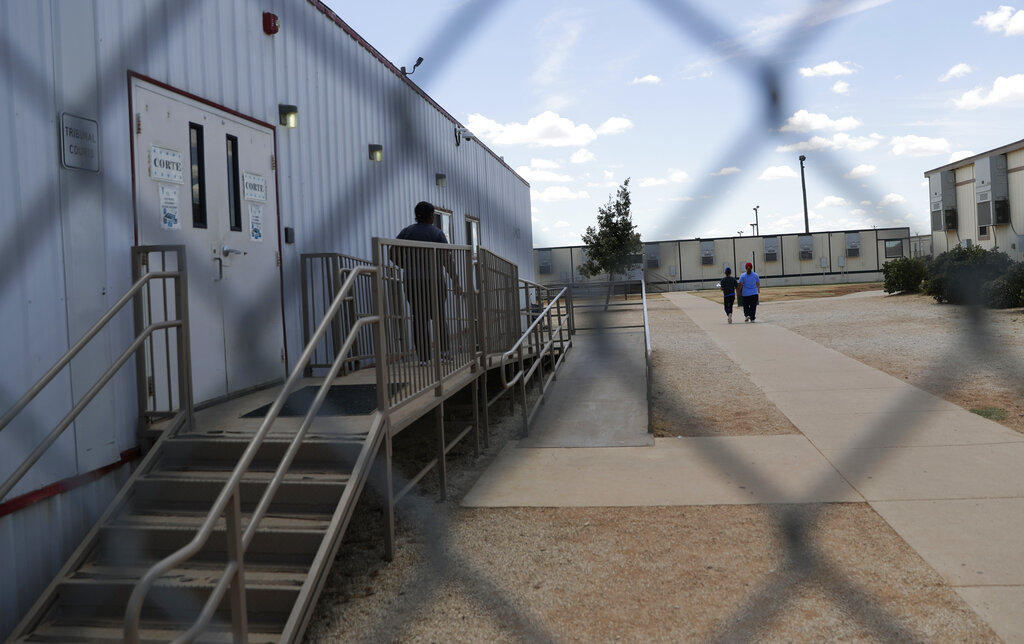
Miami food
fromenglish.elpais.com
3 weeks agoA flood of habeas corpus petitions challenges Trump's mass detention of immigrants
Habeas corpus petitions have become the primary legal strategy for challenging unprecedented immigration detention policies, with over 24,000 cases filed since January of last year.
US politics
fromJezebel
2 weeks agoShe Was Just Released After a Full Year in ICE Detention. They Never Even Charged Her with a Crime.
A New Jersey resident was detained for over a year by ICE after attending a pro-Palestinian protest, despite three judicial release orders and no criminal charges filed against her.
NYC parents
fromTruthout
2 weeks agoICE Is Deporting Parents Without Letting Them Bring or Find Care for Their Kids
ICE agents frequently fail to follow Trump administration directives requiring accommodation for parents to arrange alternative childcare before detention, forcing parents to leave children in precarious informal care situations.
fromTruthout
4 weeks agoThese Women Exposed Prison Sexual Abuse. Now ICE Wants to Deport Them.
At Dublin, she had been sexually harassed and verbally abused by an officer, physically assaulted by another, witnessed other officers sexually abusing women, and been subjected to retaliation. Before her arrest, Cristal had been a long-time permanent resident of the U.S. Her conviction for drugs invalidated her green card, and Immigration and Customs Enforcement (ICE) issued a final removal order based on her felony conviction.
NYC LGBT
#immigration-enforcement



NYC parents
fromwww.theguardian.com
2 weeks agoTrump administration is deporting parents without their children in violation of its own policies, report finds
The Trump administration is deporting parents without asking about their children or allowing them to arrange childcare, violating its own policies according to a Women's Refugee Commission and Physicians for Human Rights report.
US news
fromwww.theguardian.com
1 week agoICE doubled its use of ankle monitors for legal immigrants in the past year: A very harmful phenomenon'
Ankle monitors for asylum seekers have increased significantly, impacting their lives and employment despite previous compliance with immigration authorities.

World politics
fromwww.aljazeera.com
4 weeks agoWhy international law is still the world's best defence
The post-World War II international legal order faces erosion from ultranationalism, great-power rivalries, and norm violations, risking a return to force-based politics where power supersedes principle.
UK news
fromwww.independent.co.uk
1 month agoIPP prisoners trapped under dystopian' UK jail system, major report to UN warns
IPP prisoners serve excessive sentences averaging 516% of their minimum terms, constituting cruel and degrading treatment that violates human rights, requiring immediate abolition or case review.


Social justice
fromwww.theguardian.com
3 weeks agoGroundbreaking' UN agreement on justice for women to include those in prison for first time
The UN Commission on the Status of Women adopted groundbreaking conclusions explicitly addressing female incarceration, recognizing links between discriminatory laws, violence, and women's imprisonment for the first time in 70 years.
World news
fromwww.theguardian.com
3 weeks agoGordon Brown calls for international criminal court for crimes against children
An international criminal court for crimes against children should be established to protect schools as safe havens with the same legal status as hospitals during armed conflicts.
fromenglish.elpais.com
2 weeks agoAfghan asylum seeker dies the day after being detained by ICE: His family deserves answers'
It is not normal for a healthy 41-year-old man to die less than 24 hours after being taken into government custody, said Shawn VanDiver, president of AfghanEvac, a San Diego-based group that helps Afghans who sought refuge in the United States after cooperating with U.S. authorities during the war in Afghanistan.
US news
World news
fromwww.theguardian.com
3 weeks agoEl Salvador's mass arrest policy may have led to crimes against humanity, study shows
El Salvador's mass incarceration policy under President Bukele reduced violence but involved systematic human rights violations meeting criteria for crimes against humanity.
fromThe Washington Post
2 weeks agoAfter rookie ICE agent's paperwork error, man is detained for days
Due to his "lack of experience," he said, he had misunderstood federal immigration jargon and believed that De La Garza's residency bid had been denied - though it hadn't. He repeated his misunderstanding on a form that government attorneys cited in court to justify the detention. On the same form, he also wrongly reported that De La Garza had admitted to illegally entering the country in 2015.
US news

fromwww.theguardian.com
1 month agoEpstein files suggest acts that may amount to crimes against humanity, say UN experts
Millions of files related to the convicted child sex offender Jeffrey Epstein suggest the existence of a global criminal enterprise that carried out acts meeting the legal threshold of crimes against humanity, a panel of independent experts appointed by the United Nations human rights council has said. The experts said crimes outlined in documents released by the US justice department were committed against a backdrop of supremacist beliefs, racism, corruption and extreme misogyny. The crimes, they said, showed a commodification and dehumanisation of women and girls.
World news
fromwww.twincities.com
1 month agoJudge says US must help bring back a handful of Venezuelans deported to notorious prison
A federal judge on Thursday ordered the Trump administration to make arrangements to allow some of the Venezuelan migrants deported to a notorious prison in El Salvador to return to the U.S. at the government's expense. The case has been a legal flashpoint in the administration's sweeping immigration crackdown. It started in March after President Donald Trump invoked the 18th century Alien Enemies Act to send Venezuelan migrants accused of being gang members to a mega-prison known as the Terrorism Confinement Center, or CECOT.
US politics
[ Load more ]