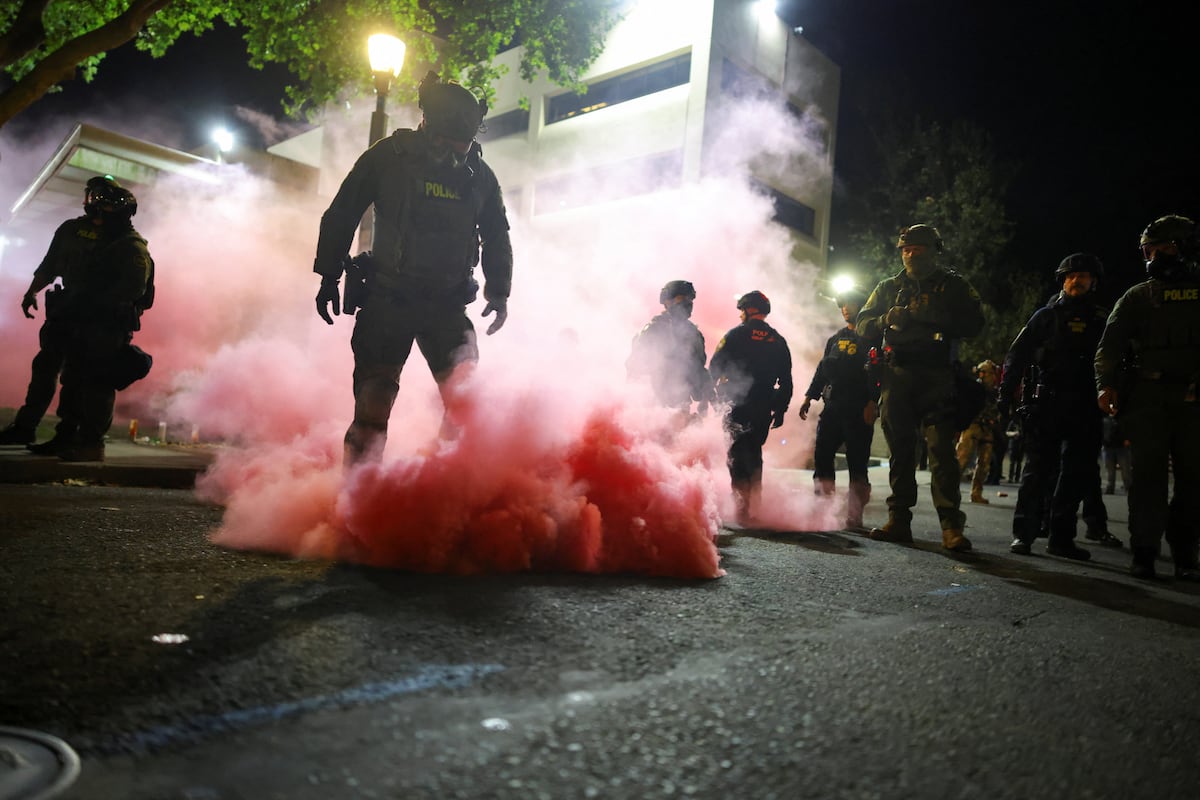
"During a hearing held in December, an agent identified as JB testified that his team received a verbal order to make eight arrests per day during operations in the state. The group consisted of between nine and 12 officers. When the plaintiffs' attorney asked him if he had met the quota, the agent replied, I made as many arrests as I could, as long as it was lawful."
"The testimony also revealed for the first time in court the use of an app called Elite, described by the agent as a tool similar to Google Maps, which shows the estimated concentration of people with an immigration nexus in certain areas. As he explained, the app helps locate areas where there is a higher probability of finding people subject to detention. However, he acknowledged that the data is not always accurate."
Federal agents testified in court that Immigration and Customs Enforcement officers in Oregon received verbal orders to arrest eight people daily during operations involving nine to twelve officers. The testimony emerged during hearings for a class-action lawsuit challenging detention practices without warrants or probable cause. Operations linked to Operation Black Rose resulted in over 1,200 arrests by mid-December. Agents used an app called Elite, similar to Google Maps, to identify areas with higher concentrations of people with immigration connections. However, agents acknowledged the app's data accuracy limitations. This rare public disclosure of internal ICE tactics raises civil rights concerns regarding arrest practices and targeting methods.
#ice-arrests-and-quotas #immigration-enforcement-tactics #civil-rights-violations #surveillance-technology #operation-black-rose
Read at english.elpais.com
Unable to calculate read time
Collection
[
|
...
]