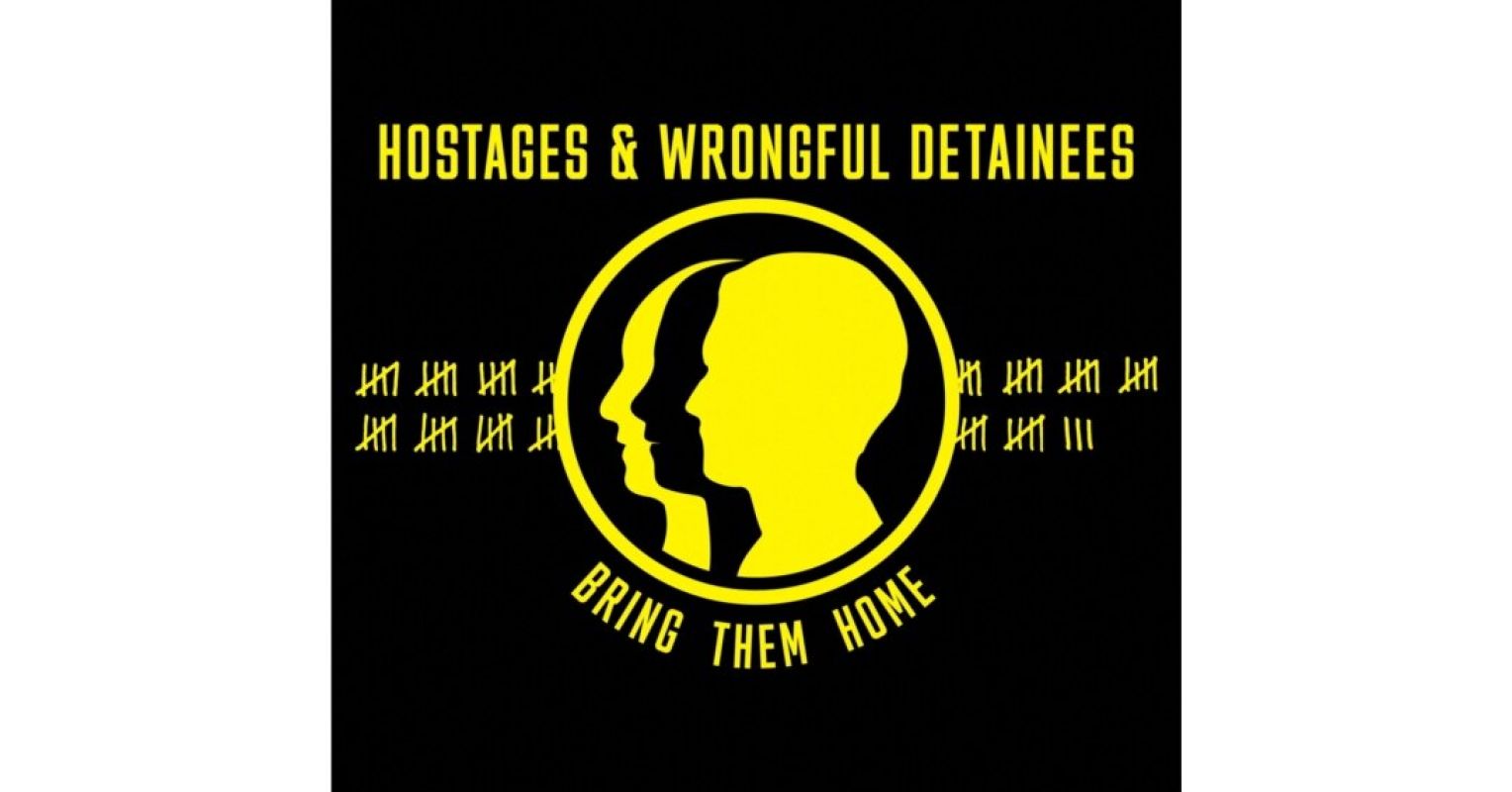
"It was [multiple] years of them being held hostage - wrongful detention, kidnapping, whatever you want to call it. It was pretty much a nightmare, and I'm glad it's behind us. The biggest stress was the ambiguity, the uncertainty. It drives you crazy, because you just don't know."
"For researchers in narrative psychology, examining people's lives and experiences can reveal something profound: stories are not just ways we tell about our lives-they shape and create them. Through the careful study of narratives, other researchers and I can better understand how people process trauma, build resilience, and find meaning, often in unimaginable circumstances."
Families of Americans held hostage or wrongfully detained overseas experience prolonged psychological trauma characterized by uncertainty and unanswered questions about their loved ones' safety and return. Narrative psychology research reveals that stories are not merely descriptions of life but actively shape how people process trauma, build resilience, and discover meaning in devastating circumstances. Through careful examination of personal narratives, researchers can understand how hope emerges even amid suffering, creating upward spirals of healing and well-being. These stories inspire others facing similar challenges. Researchers studying high-stress environments, including hostage situations, use narrative analysis to support families navigating the unique psychological strain of wrongful detention and kidnapping.
#narrative-psychology #wrongful-detention #trauma-and-resilience #family-psychological-impact #hope-and-meaning-making
Read at Psychology Today
Unable to calculate read time
Collection
[
|
...
]