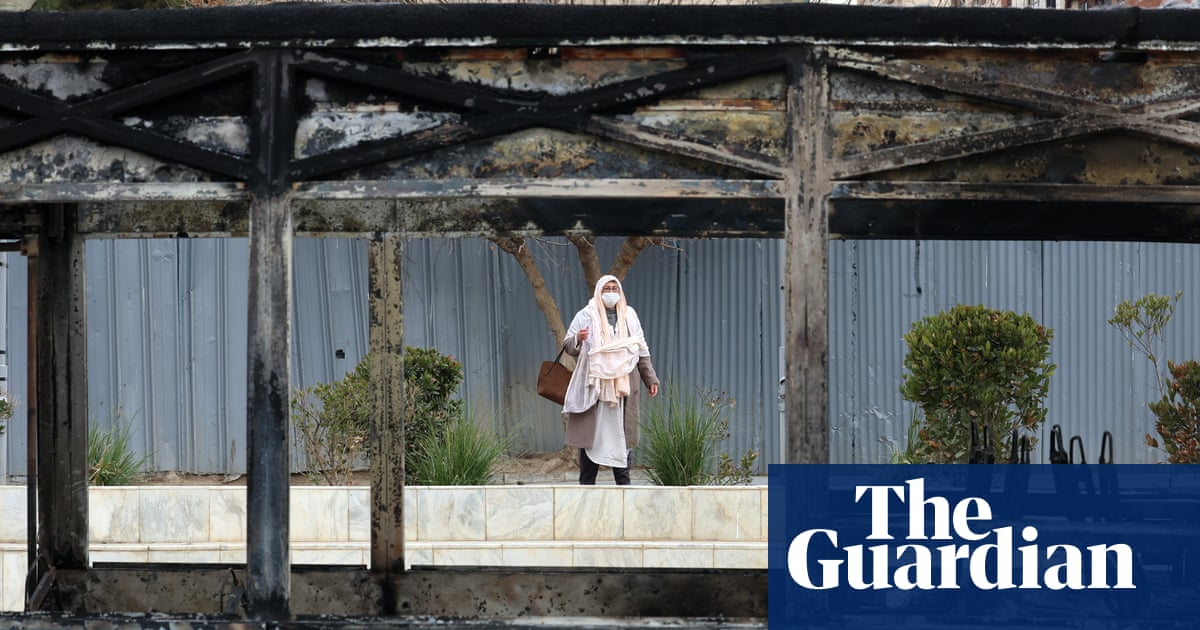
Ayman al-Zain watched on a recent afternoon as a bulldozer cleared the rubble of what used to be his sports clothing store, which was one of dozens of buildings destroyed in Israeli strikes against the Hezbollah militant group. With a nominal truce in place that has reduced but not halted the fighting, Al-Zain tried to assess whether to rebuild the shop in Beirut's southern suburbs that he once hoped to pass down to his kids. But it's unlikely he will be able to do so anytime soon, and not only because of the fear of more airstrikes.
The driver was held outside the Israeli settlement of Ariel for failure to carry a license fit for the vehicle, and upon further inspection, Israeli border police discovered dozens of workers hiding inside the truck's garbage compartment, on the verge of suffocation. The Palestinians were held at gunpoint on suspicion of "attempted infiltration," according to the Israeli authorities, or in other words, attempting to cross the "Green Line" into Israel without a permit.
The 1960s saw Plateia Viktorias as a fashionable neighborhood, bustling with the finest restaurants and shops, but it has since faced significant decline and transformation.
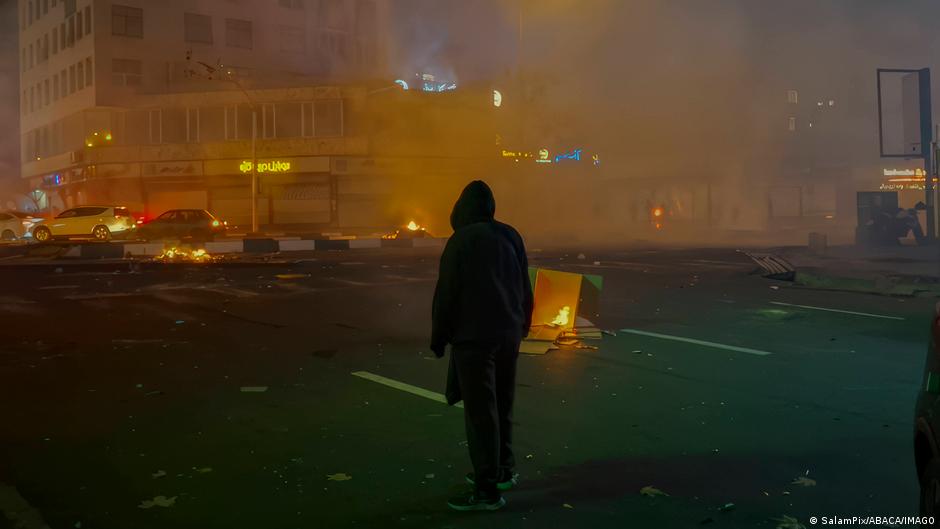
Fatih Birol, president of the International Energy Agency, warned that the war in Iran is the greatest threat to energy security in history, with analysts describing the situation as an Armageddon.
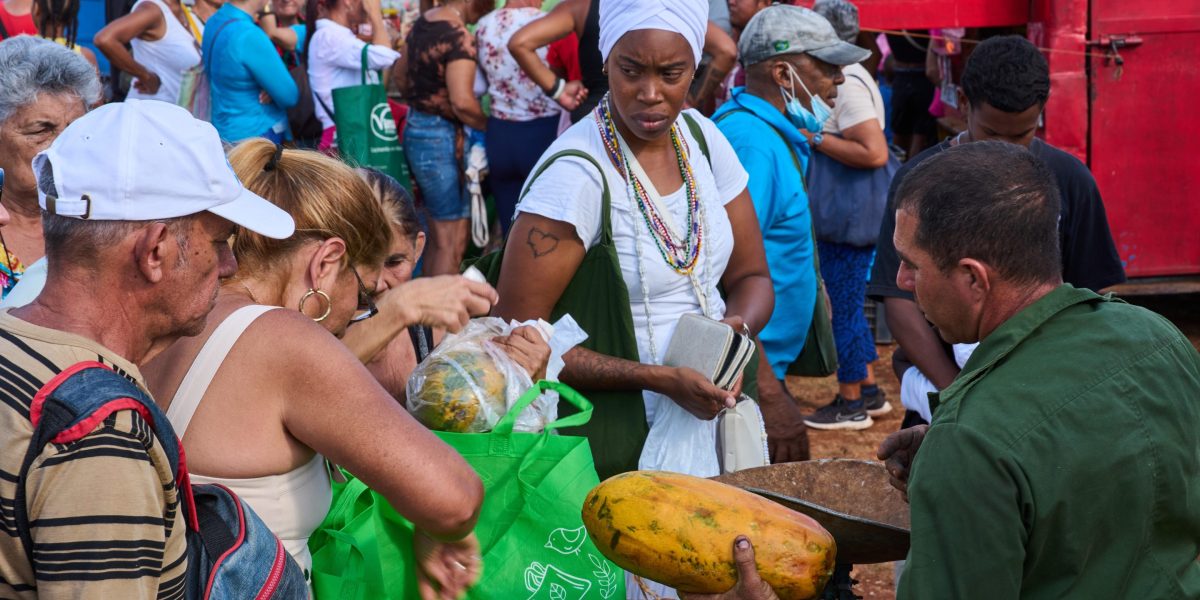
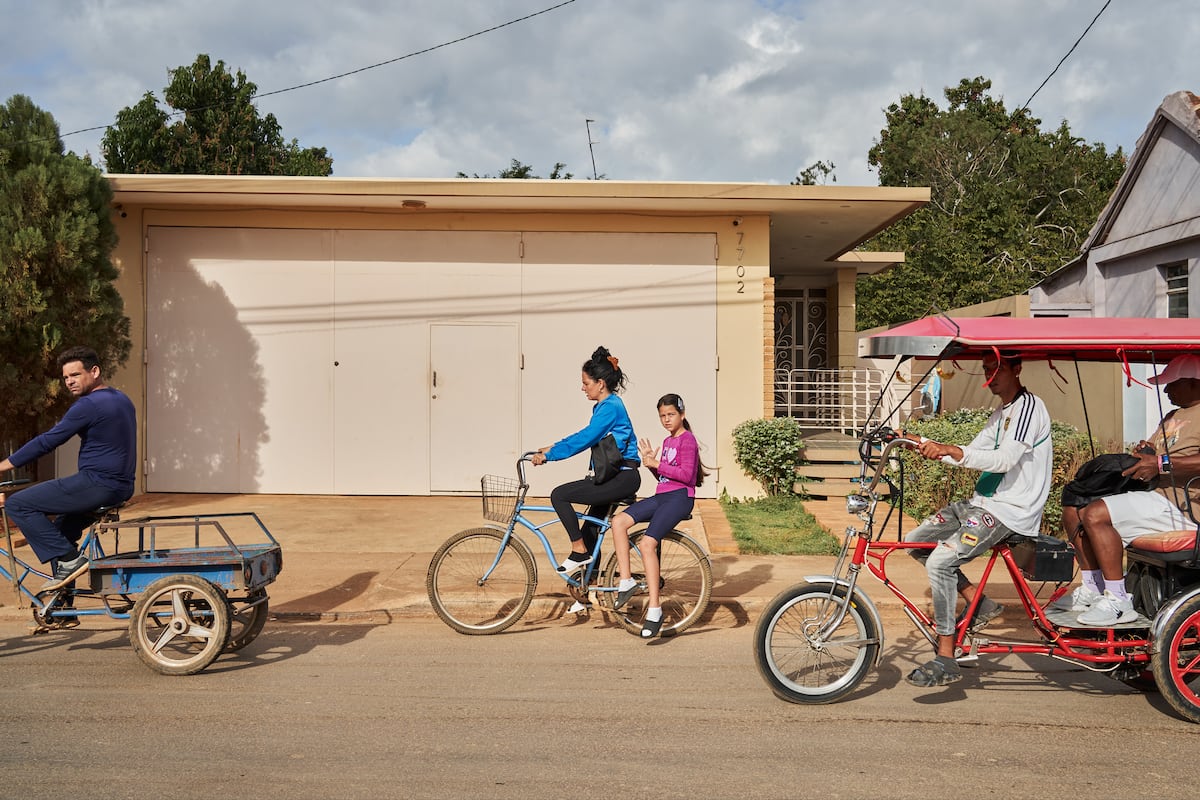
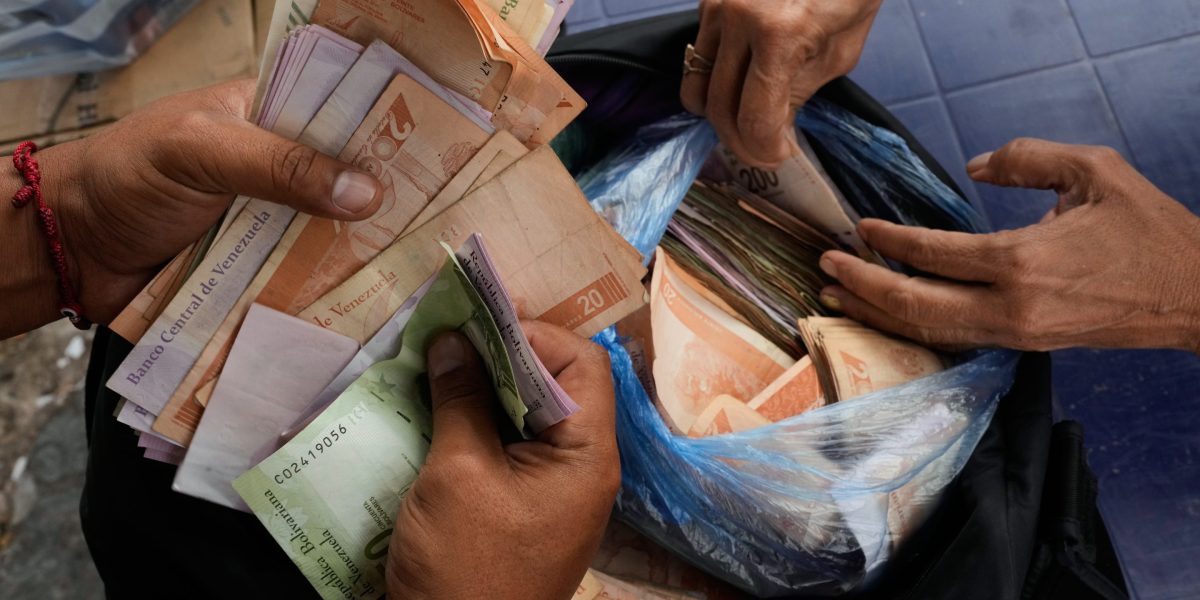
She explained that she was facing bureaucratic hurdles in obtaining her degree to qualify as a senior technician in dental prosthetics. And, even with the diploma, it would be difficult to survive on a monthly salary of 3,000 pesos (about $6). In Cuba, she said, you have to be a magician to survive the nonexistent transportation, the inflation, the corruption, [or] the fact that the country is operating with a currency that not everyone can access.
For decades, Cuba's tourism sector has enjoyed a reputation as an "economic locomotive" a term used by authorities who saw it as the lifeblood of the Caribbean island country's economy. But the industry has been in decline since its 2018 peak, and the U.S. government's squeeze on Cuba's oil supply has pushed the nation's most crucial industry closer to its breaking point.
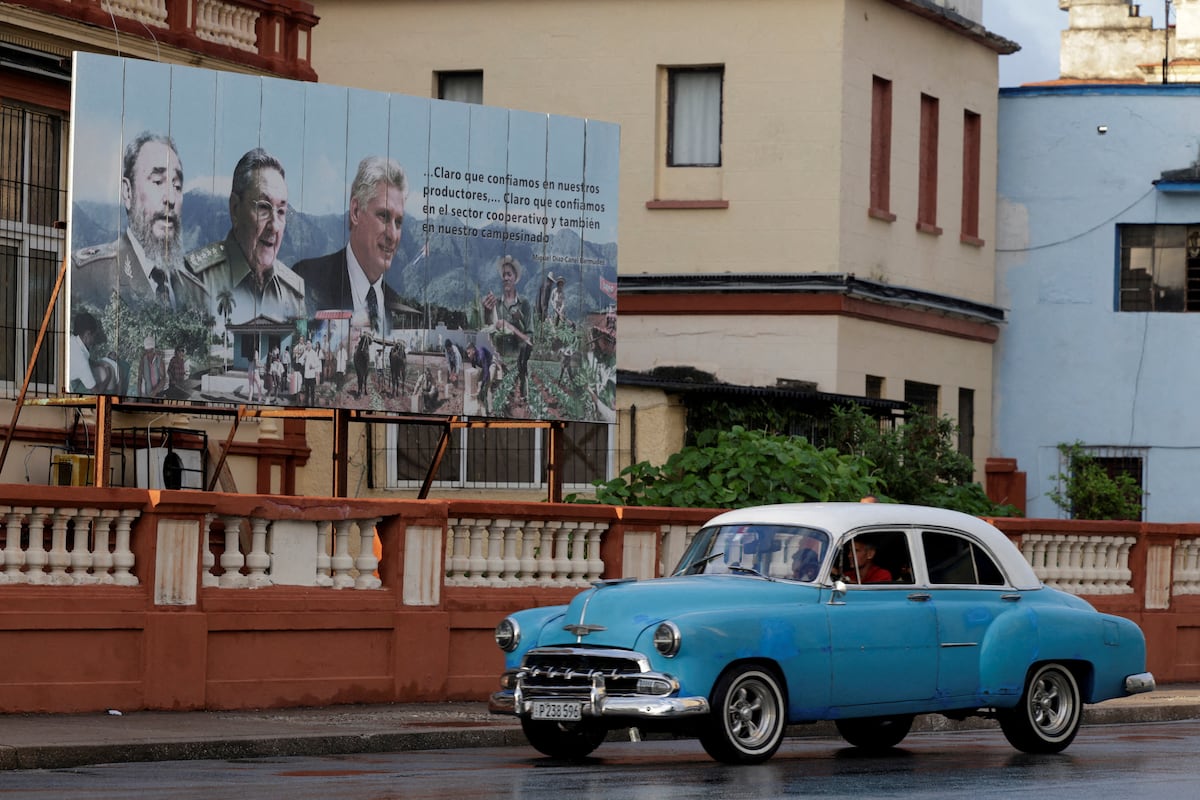
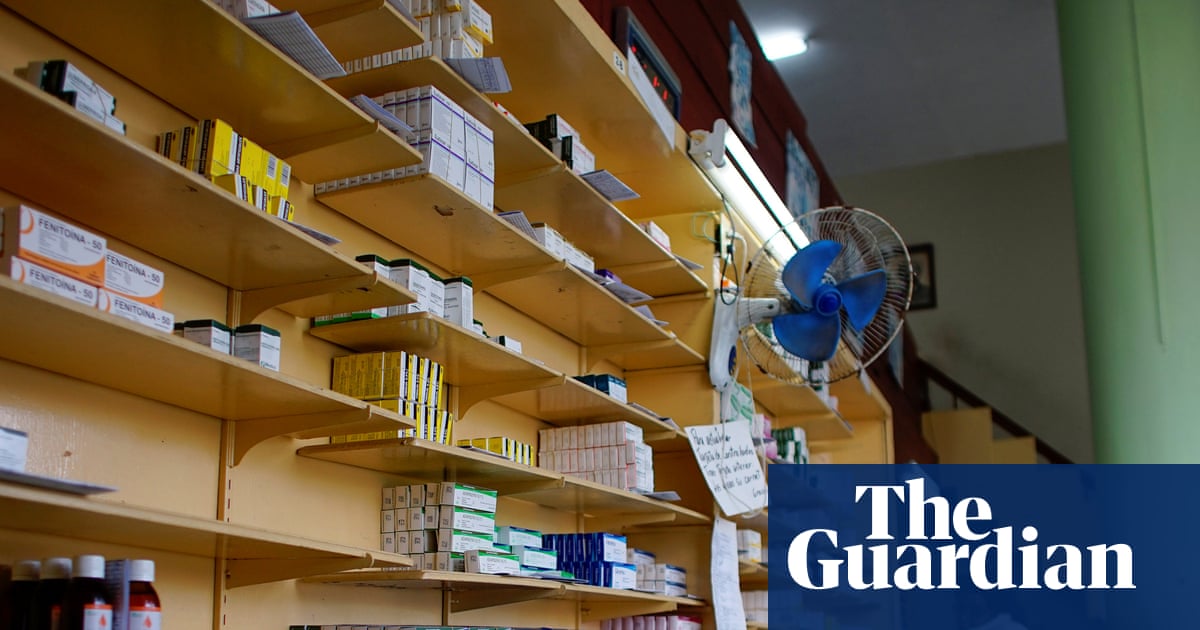
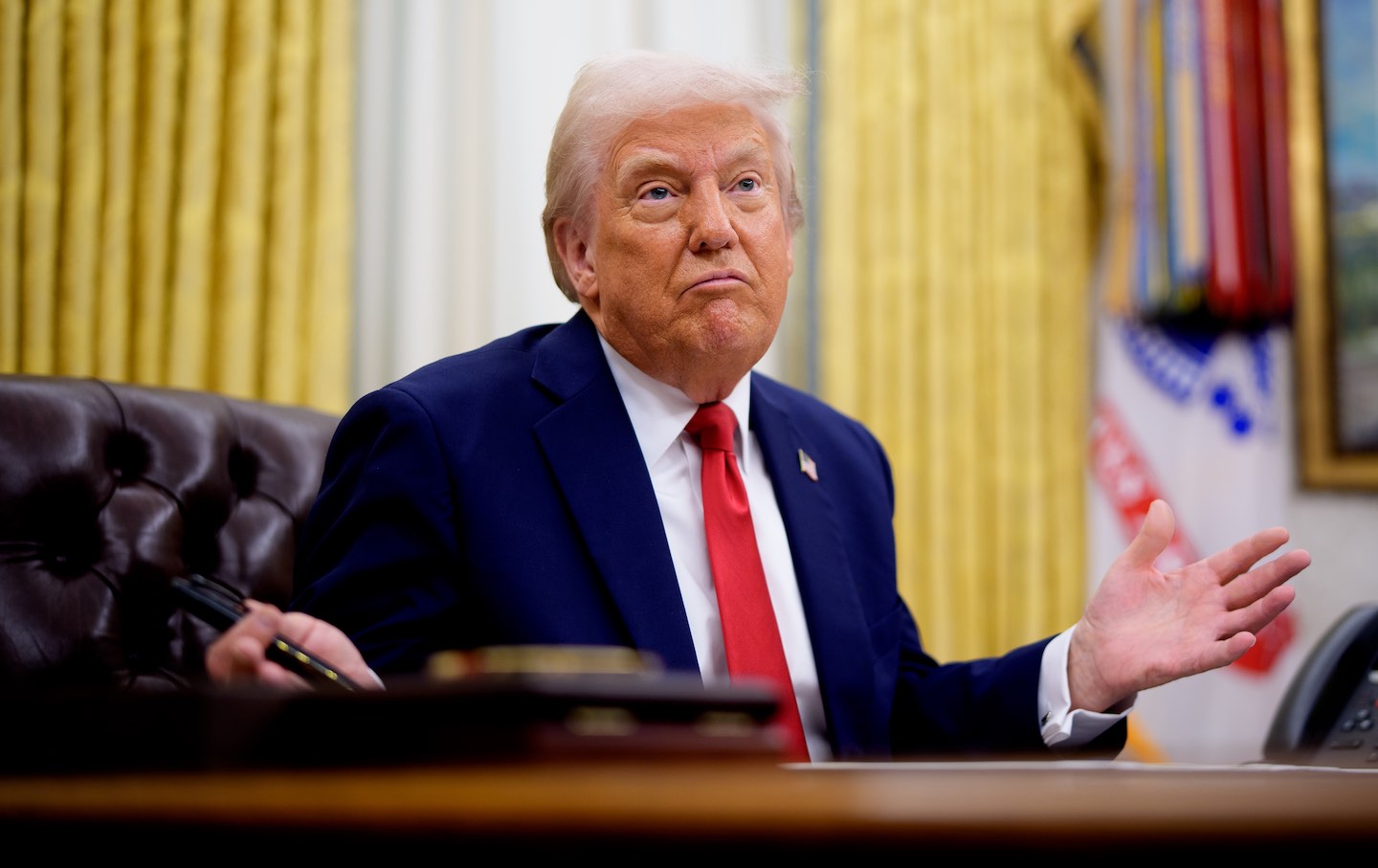
Cuba has long been under the effects of a perfect storm that shows no signs of abating. In addition to constant power outages, the high cost of living, persistent unsanitary conditions in the streets, and a tangled economic crisis that Cuban authorities seem incapable of resolving, there are now direct threats from Donald Trump's administration, aimed at the Castro regime which has been in power for nearly 70 years.