#courtyard-house
#courtyard-house
[ follow ]
#residential-architecture
fromdesignboom | architecture & design magazine
4 months agoDesign
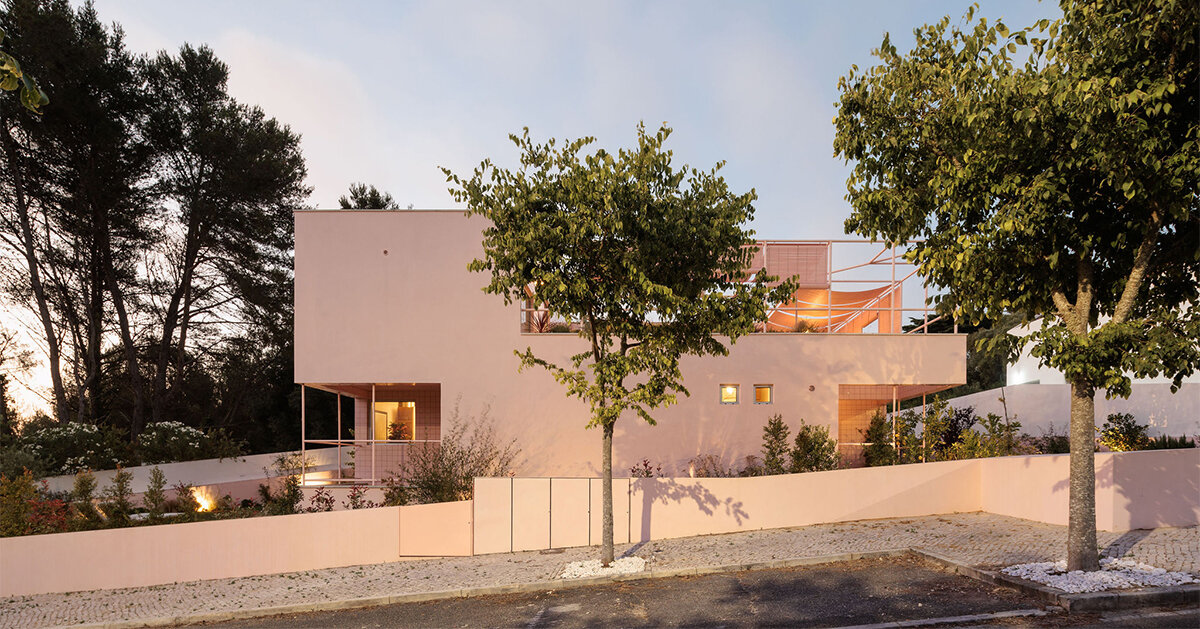
atelier RUA's light pink house contrasts with surrounding greenery in portugal
A pale pink, near-square house in Galamares uses an inward-facing courtyard, wraparound terrace, and exposed structure to frame light, privacy, and landscape views.
fromdesignboom | architecture & design magazine
3 months agoserrated charred wood shell encloses suburban residence on the hills of tbilisi
Inverted House by TIMM Architecture is a single-family located in Okrokana, a hillside district of Tbilisi, . The project responds to the fence-dominated suburban fabric characteristic of the area, where narrow streets, compact plots, and tall perimeter walls limit visual connection, daylight access, and spatial continuity. Rather than positioning the house behind a boundary wall, the design integrates enclosure into the architecture itself, using the building as a continuous perimeter that defines and protects the site.
Design
fromwww.archdaily.com
3 months agoResidence AV / YAMA architects
Residence AV is a courtyard house located in a dense residential neighborhood in Bruges, Belgium. Designed by YAMA architects, the project responds to a paradoxical brief: a strong desire for connection to the surrounding context combined with an equally strong need for privacy. The client, living alone, was attracted to the social presence and perceived safety of the neighborhood, yet sought a dwelling that could withdraw from direct views and support a more introspective way of living.
Design
fromdesignboom | architecture & design magazine
3 months agosquare openings punctuate the facade of courtyard-centric red house in albania
Set within a large agricultural garden in a coastal village near Lezhë, Albania, Red House by Pacarizi Studio explores how a single-family dwelling can respond to changing social structures, climatic conditions, and local building cultures. Designed by Gezim Pacarizi, the 350-square-meter home is organized around an open, partially covered courtyard with a pool at its center. The project approaches domestic architecture as a sequence of perceptual experiences shaped by light, movement, and framing, an idea articulated by the architects themselves. 'What you see through a window can be a landscape, a tree, or architecture itself,' they note.
Design
Real estate
fromdesignboom | architecture & design magazine
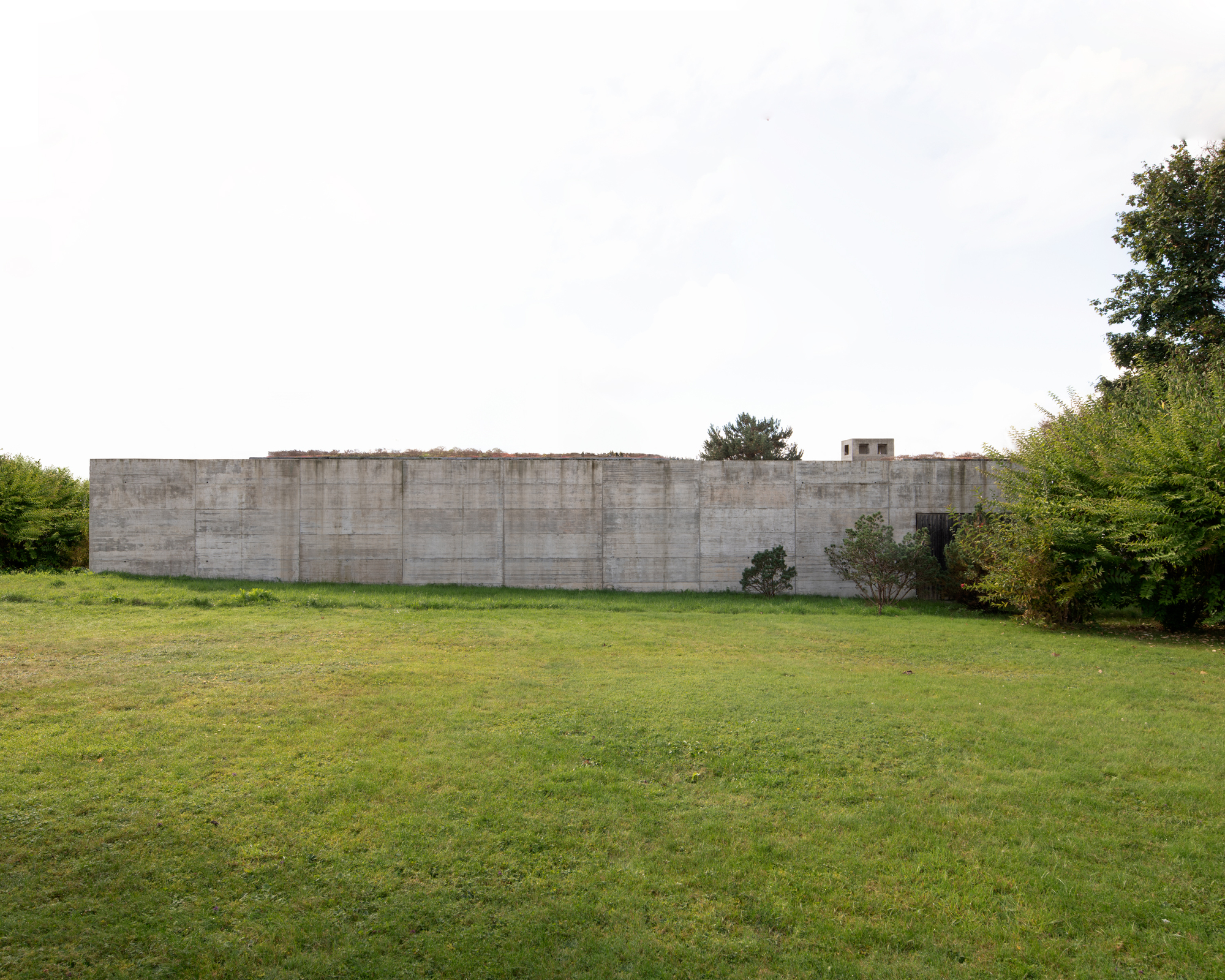
5 months agopezo von ellrichshausen's pink concrete LIMA house loops around a courtyard pool
A single horizontal volume raised above farmland frames a courtyard-centered, looped plan with a reflective pool and restrained openings that quietly engage the landscape.
fromArchDaily
5 months agoWriter's House / em-estudio
The House of a Writer is born from a central courtyard that articulates and gives meaning to all the spaces around it. The project embraces the traditional concept of the house with a courtyard, where a bookshelf -the protagonist in the double-height of the central space- becomes the axis that connects the various activities of the home centered around writing.
Design
Design
fromdesignboom | architecture & design magazine
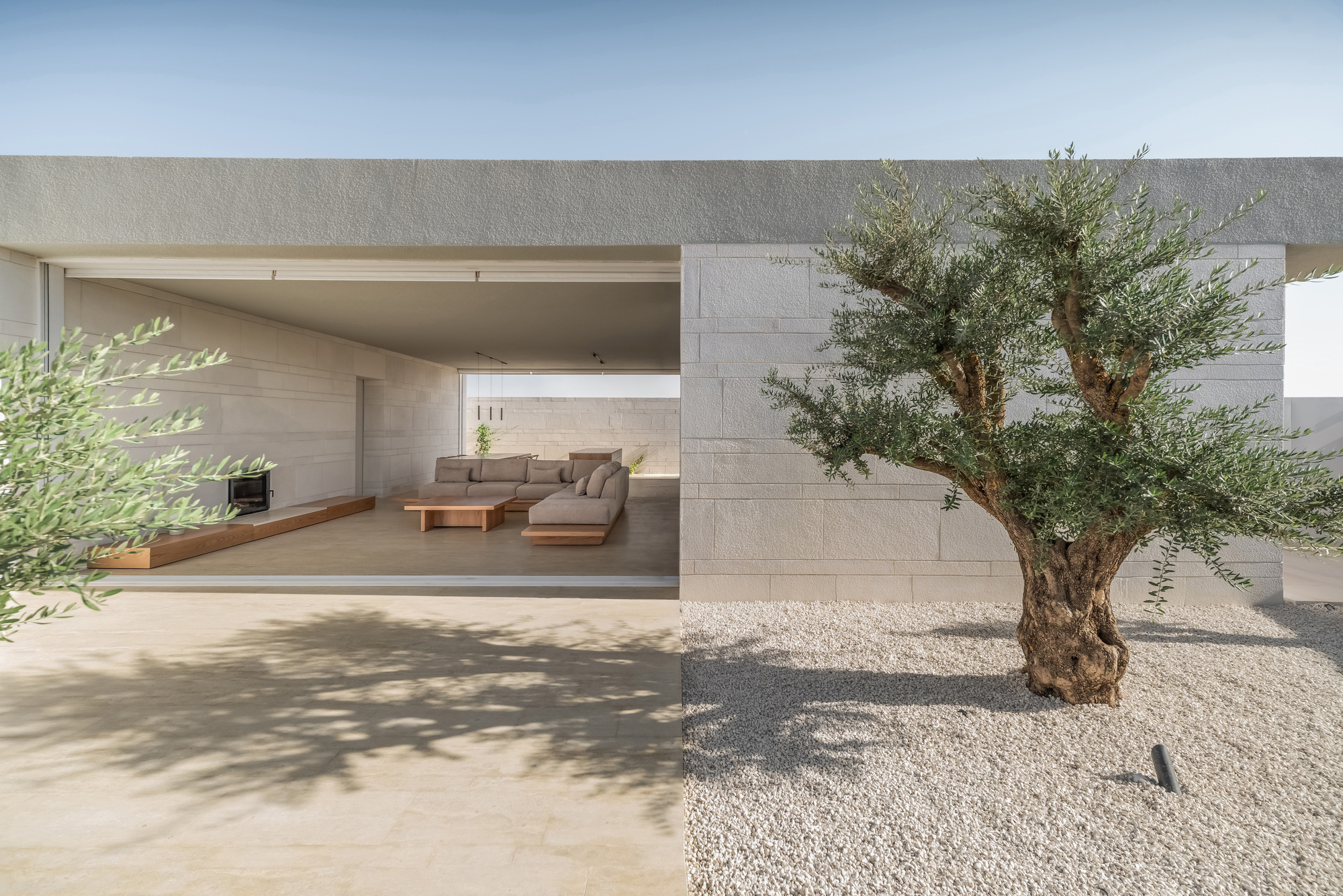
7 months agothin floating roof shelters arquitectura-G's colonnaded courtyard house in spain
A single-story courtyard house in Aiguablava organizes living around a 15×15m colonnaded patio, using a continuous wraparound porch to mediate light, air, and terrain.
Design
fromdesignboom | architecture & design magazine
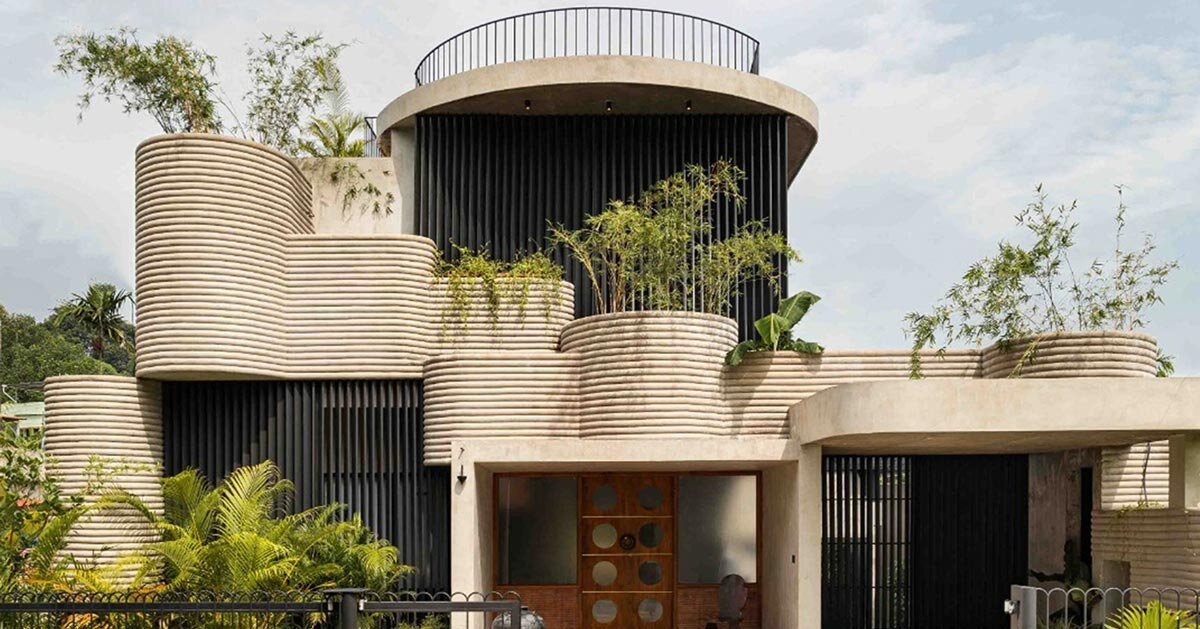
7 months agocasa tao: HW studio frames calm courtyards through minimalist concrete interiors
Casa Tao uses stacked concrete volumes, courtyard shade, and angled openings to prioritize passive cooling, calmness, and a restrained, Japanese-influenced atmosphere.
fromdesignboom | architecture & design magazine
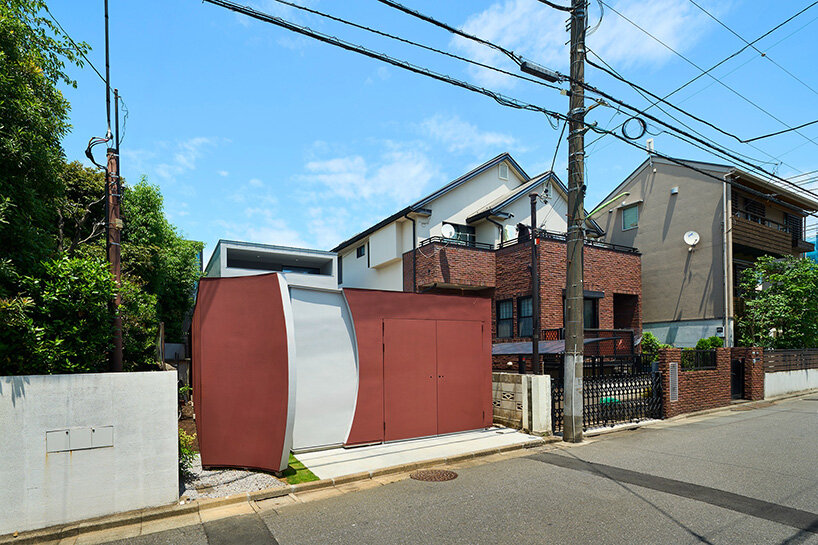
8 months agofour interconnected volumes enclose courtyard house for family of artists in tokyo by takeshi hosaka
Kaku-Kaku Kanadel, designed by Takeshi Hosaka, is a house in , , conceived for a family of three who are also practicing artists. The balances individual creative spaces with shared areas, creating a domestic environment that accommodates both private work and family life. The house is composed of four interconnected volumes, each defined by distinct roof forms. Together, they create a small village-like configuration, linked by gardens, terraces, and passageways.
Design
[ Load more ]