Film
fromVulture
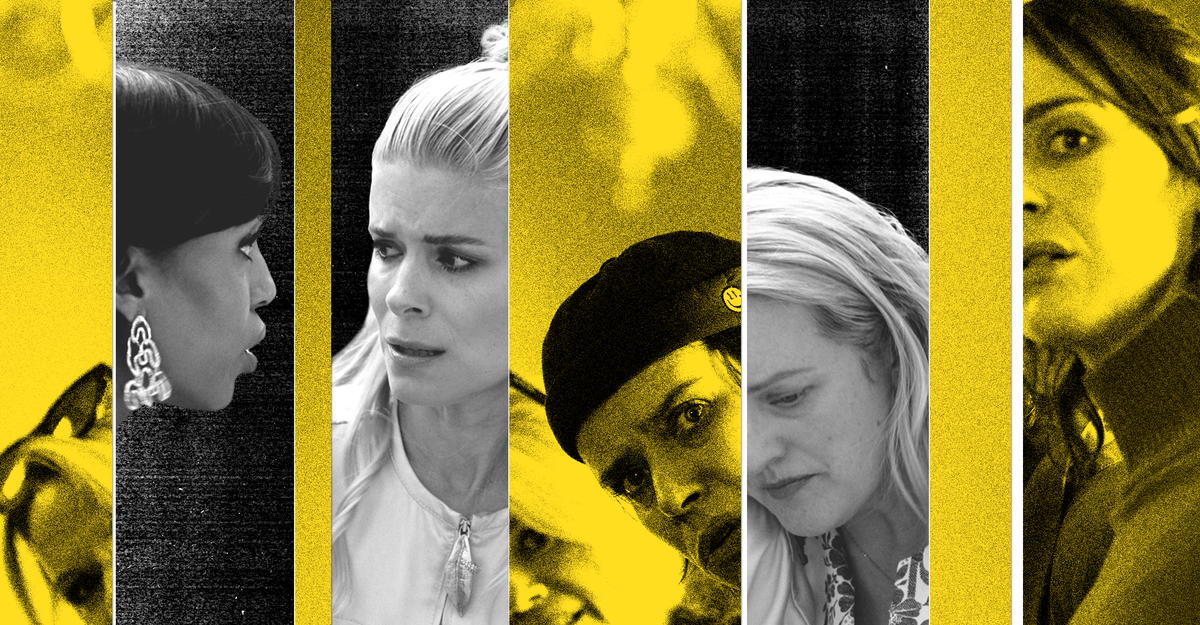
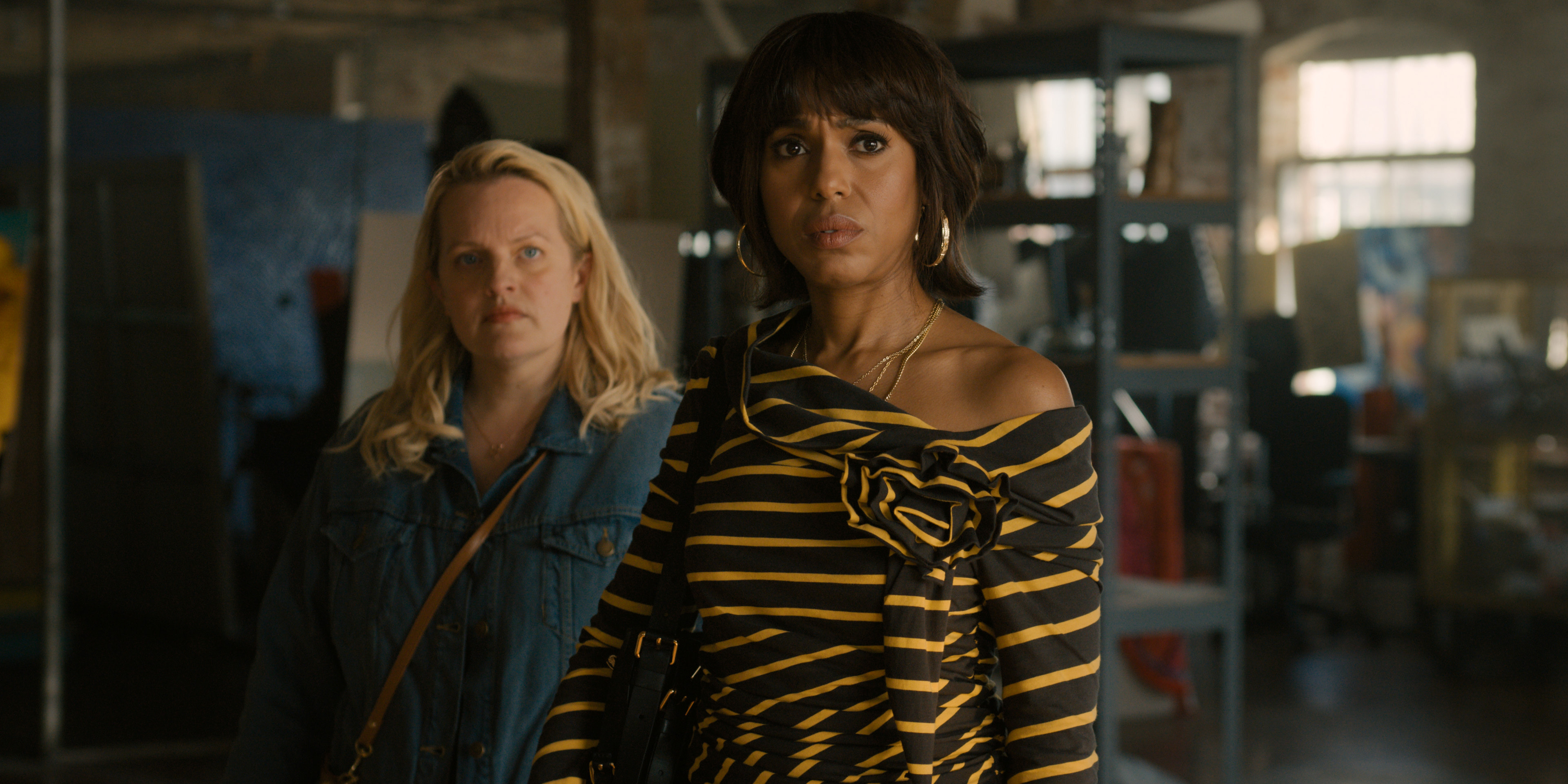
2 days agoThe Twist in The Drama Is Not the Problem
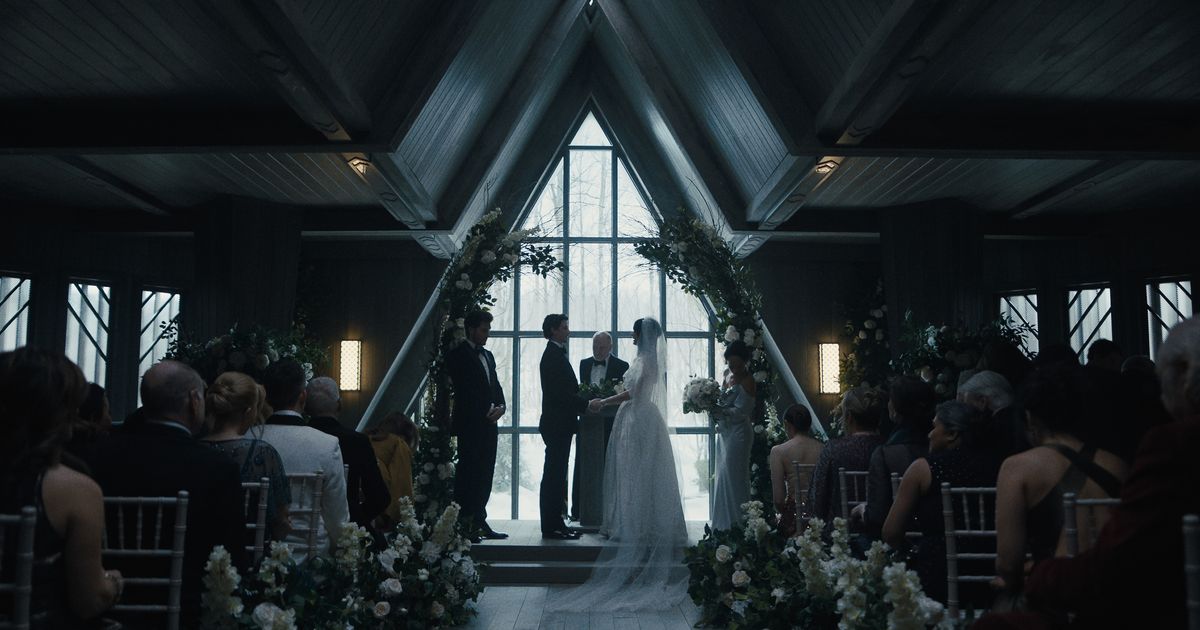
The film features a controversial plot twist involving a character's past plan for a school shooting, sparking significant online speculation and backlash.
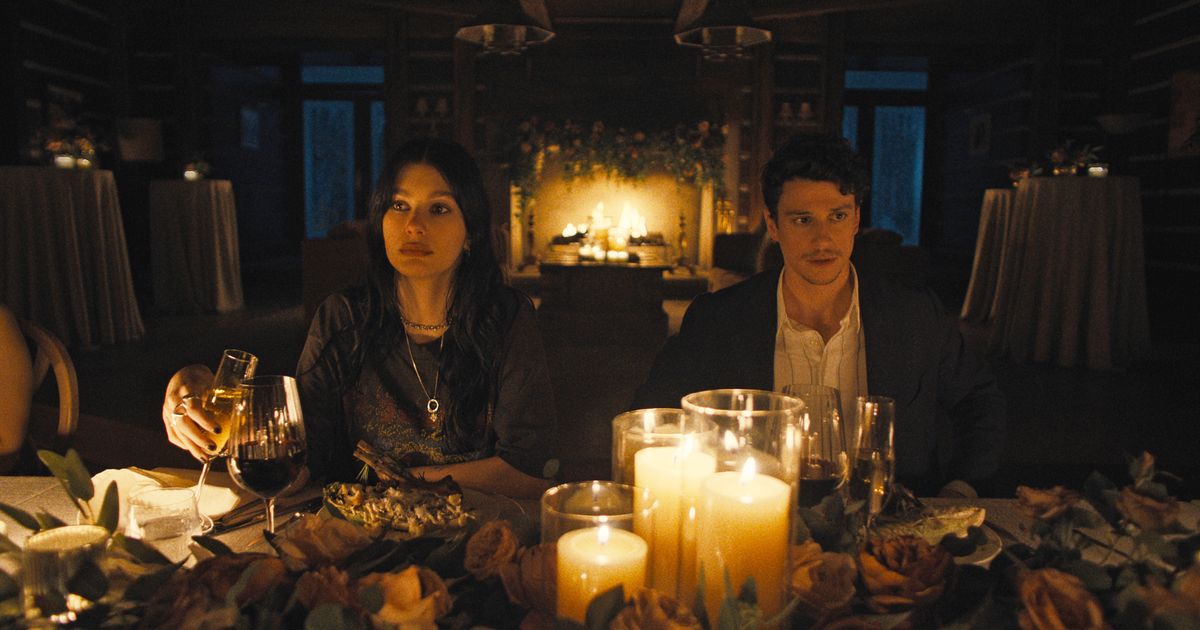
During a private tasting dinner, a game prompts guests to confess their worst actions, revealing hidden insecurities and creating tension between Charlie and Emma.
To deny one's own experiences is to put a lie into the lips of one's own life. It is no less than a denial of the soul. The concept I stick to - my core principle - is simple: I write in plain English, and only when I actually have something to say.
There is an allure about him. There's a warmth to him, and something new about him, but also it's the timing. The backlash of her open relationship with John is really starting to take on a new shape, and I think he's a sort of exciting escape from it too.
The first thing you notice about undertone is how quiet it is; not just in its audio mix, but in how it's shot - primarily steady wide shots that slowly pan across empty rooms, allowing your eyes to frantically scan for something amiss. It's an understated form of filmmaking that allows for the movie's scares to hit all that much harder.
Whereas other characters are cold and sharklike, Yas feels her way through the world-and uses her vulnerability to manipulate others. Being born into wealth taught her that none of us is in command of our fate, so we had better cheat for whatever control we can. She's the statuesque girlboss for the new gilded age.
Obnoxious jewellery dealer Rodney Manderson has been killed outside the Bowery auction rooms, stabbed through the eye with the Victorian hatpin that his boss, Rose Bowery, has brandished in front of the nation on Bargain Hunt. As she discussed the pin's virtues as a deadly weapon as well as its millinerial uses, the fiercely loyal Rilke decides while feeling grateful to have skipped lunch and trying not to think of jelly to remove it before calling the police.
When Clara first learned that her college crush was getting married, she was heartbroken - because she wished it were the two of them tying the knot. They were friends in college, and this ex soon became Clara's first queer awakening. "[The crush] was strong enough that I had to admit it, or it would eat me alive," Clara, who asked to use a pseudonym for privacy, told HuffPost.
When the people who are after me get here, they'll arrest me and put me on trial, or they'll disappear me to some black site. Or they won't bother with any of that and they'll just kill me. All of these seem like plausible outcomes, but in the novel's prologue, the narrator seems much more confident of her success: I am a fucking genius, a gorgeous fucking genius, and the only thing left to do is sit down and write.
Trails Beyond the Horizon's new character, Ulrika, is like staring into the abyss of a broken TikTok algorithm, and while my knee-jerk reaction might have been shock and even a little disdain, over the next 100 hours, I grew to find the character's bit surprisingly genuine and, admittedly, hilarious. What first felt like a gimmick grew to become one of my absolute favorite parts of the game, enhancing the already distinct personality of the Trails games.
10 Cloverfield Lane Mary Elizabeth Winstead, John Goodman and John Gallagher Jr are locked in an underground bunker for the majority of this left-field sequel to Cloverfield, with thrilling results. In the film's final throes, Winstead's character exits the bunker, and finds that her captor was telling the truth about an alien invasion above - a twist that completely and ruinously dissipates the hard-earned tension that came before.
In one scene, an adoring fan asks Melvin his secret to writing women. I think of a man, and I take away reason and accountability, he says, an epic burn forever seared in my brain. Of course Melvin's anti-charm offensive only goes so far in a James L Brooks project. Before long, the rudeness erodes as Melvin is forced on to a journey of self-discovery with the nextdoor neighbor he can't abide (Greg Kinnear) and the diner waitress he can't live without (Helen Hunt).
After finding this seam of gold, miner Michael dreams that his son will be able to go to school, rather than join the other children who work in the mine, like blind, bald rodents unearthing themselves in search of scraps of candlelight. In the novel, which won the 2023 Betty Trask prize, everything closes in on Michael: lungs clog, tunnels collapse, horse-drawn narrowboats are attacked by robbers in the sooty dusk. It's a vivid reminder of the cost, in bodily suffering, of resource extraction.
Following some of the arguments in Ernest Becker's 1973 study The Denial of Death, he proposes that such crises are at least partly the result of the western reluctance to face mortality. In Britain, we eschew open coffins, for instance. When our relatives die, as my mother did two years ago, they die in a hospital rather than at home. We can hardly even bring ourselves to say die, preferring euphemisms such as pass away.