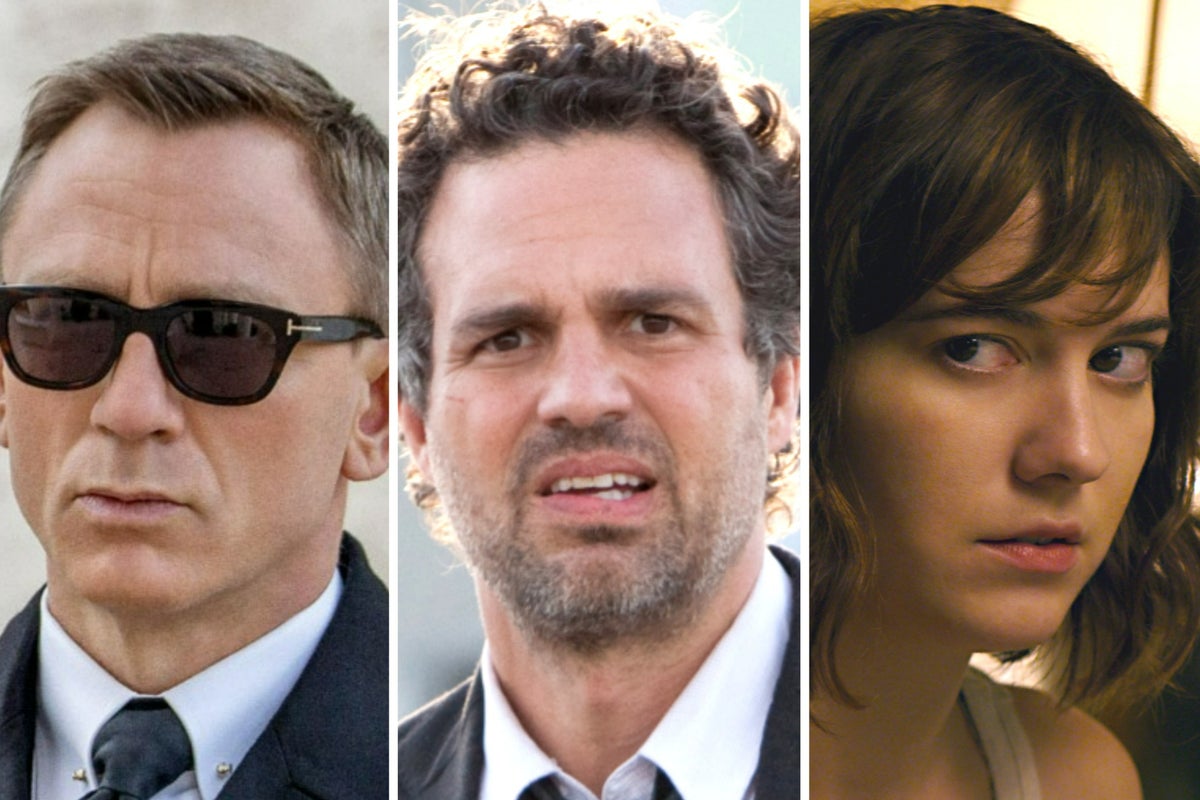
Many films build momentum and audience goodwill but are undermined by poor endings that negate earlier strengths. Endings can fail through shocking misjudged twists, tonal shifts, running out of steam, or external interference such as censorship. Censorship can force replacement finales that betray a film's intent, as happened with Fight Club in some markets. Some films derail their tension with revelations that dissipate payoff, as in 10 Cloverfield Lane. Other films shift tone in the final act, turning rhythmic character-driven work into melodramatic action, as noted in Baby Driver. These failures leave audiences dissatisfied despite strong earlier work.
"10 Cloverfield Lane Mary Elizabeth Winstead, John Goodman and John Gallagher Jr are locked in an underground bunker for the majority of this left-field sequel to Cloverfield, with thrilling results. In the film's final throes, Winstead's character exits the bunker, and finds that her captor was telling the truth about an alien invasion above - a twist that completely and ruinously dissipates the hard-earned tension that came before."
"Baby Driver Even leaving aside the Kevin Spacey of it all, there are serious problems with the ending of Edgar Wright's Baby Driver, the film that heralded the Shaun of the Dead filmmaker's big leap to Hollywood. While the early parts of the film are characterised by an enjoyable, rhythmic lightness of touch, the last act of Baby Driver shifts gears into gurning action melodrama, as Ansel Elgort's headphone-addict getaway driver faces off with a demonic Jon Hamm."
Read at The Independent
Unable to calculate read time
Collection
[
|
...
]