Writing
fromThe New Yorker
11 hours agoWhy the Best Writing Advice Is Often the Weirdest
Writing becomes interesting by developing character through habitual gestures, ethical traits, quirks, and story presence.
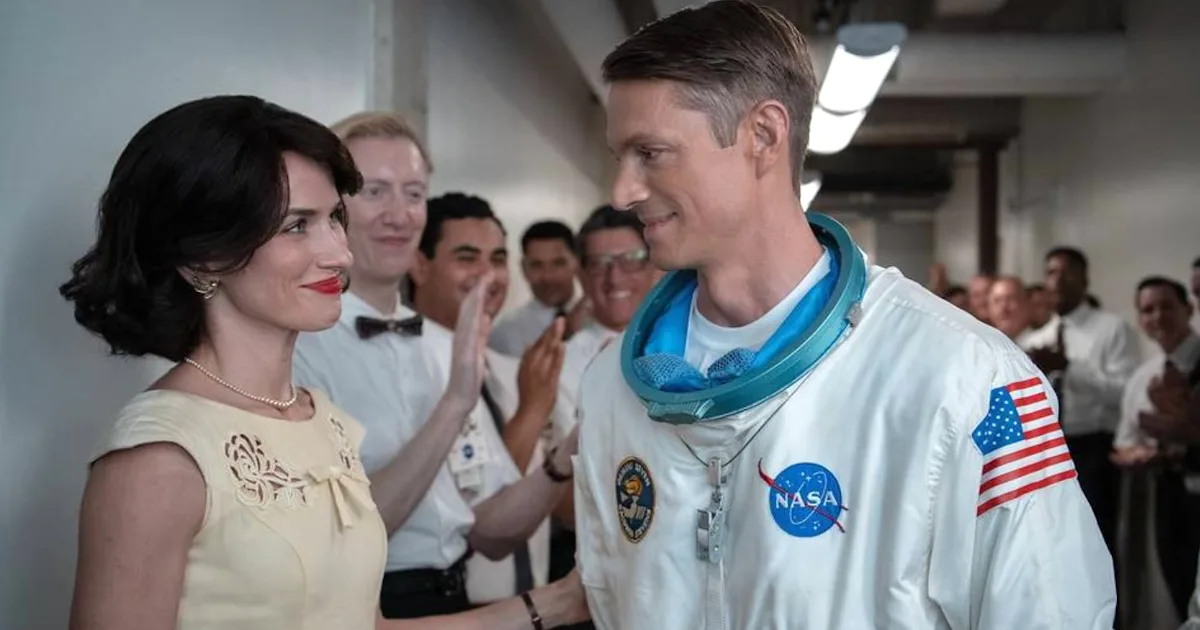
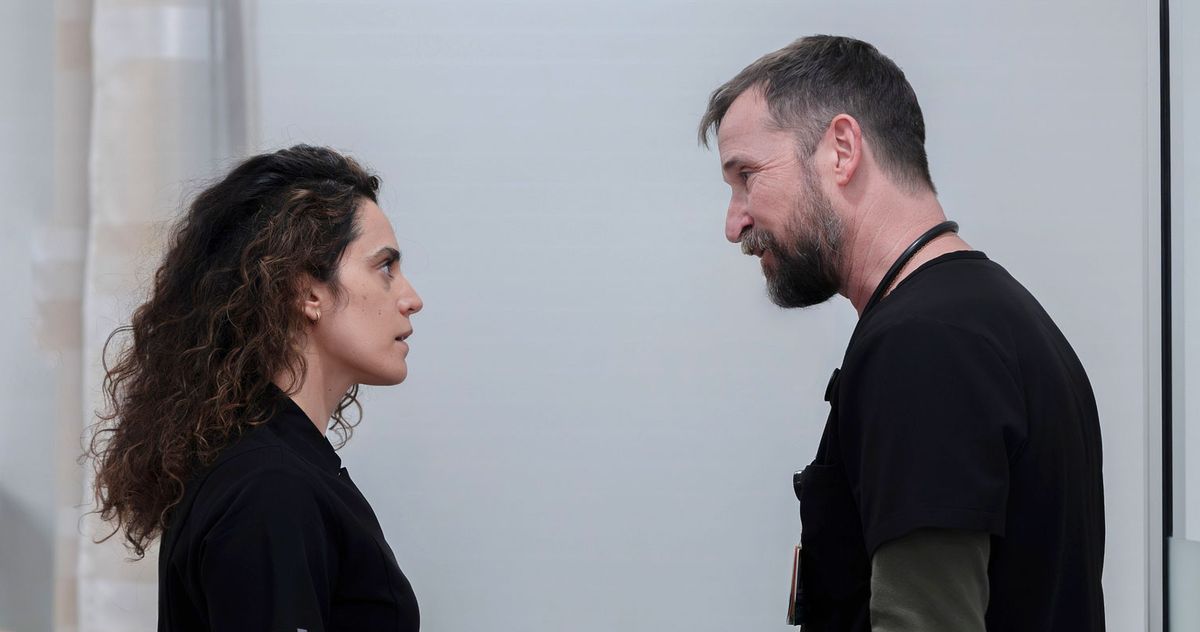
Part of what makes For All Mankind such a compelling show is also its greatest risk. Although not technically an anthology show, each season has a kind of anthology feeling because we're always in a new decade. The alternate 2012 of For All Mankind Season 5 is also the most different-feeling season yet, partly because so many of the original characters are gone, either because they're deceased or because new characters have stepped up.
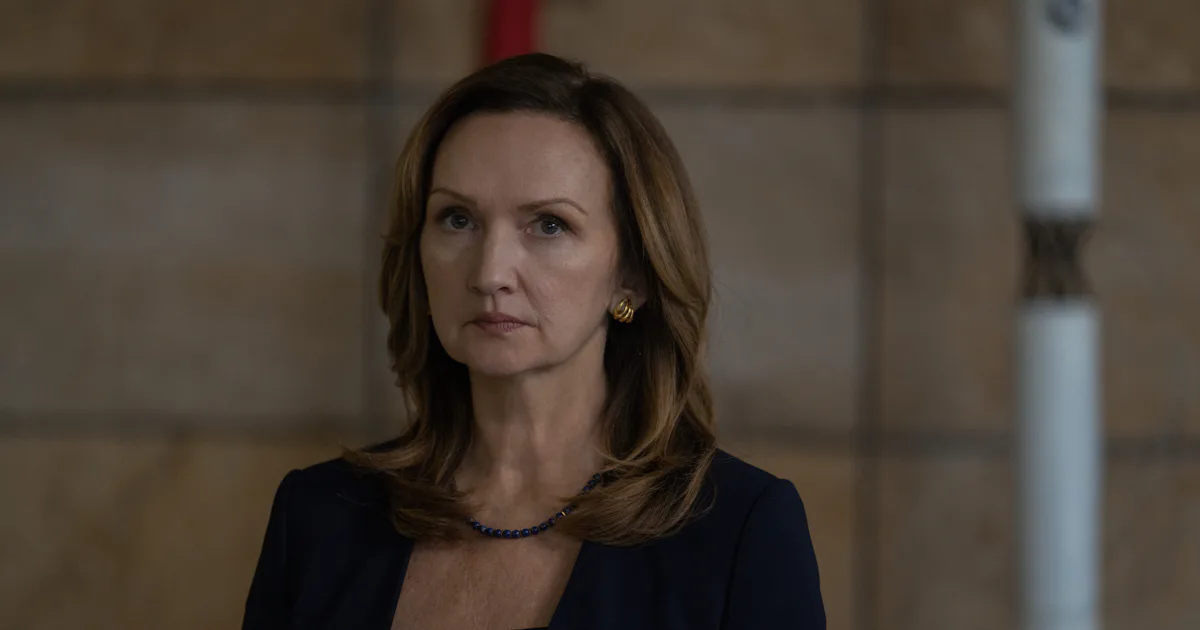
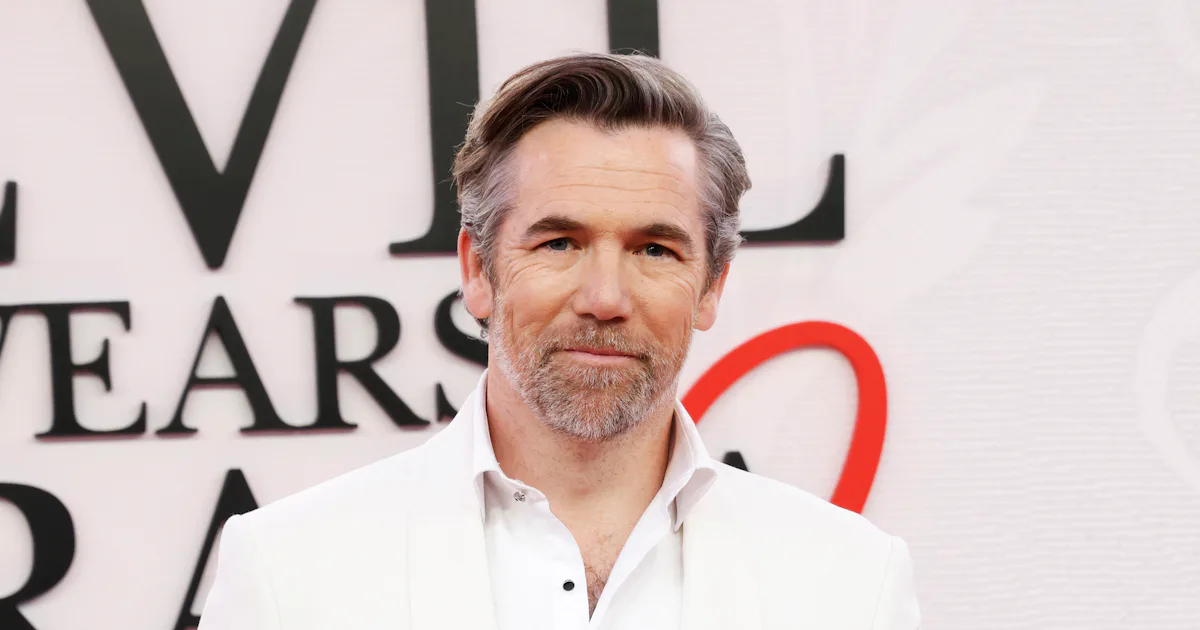
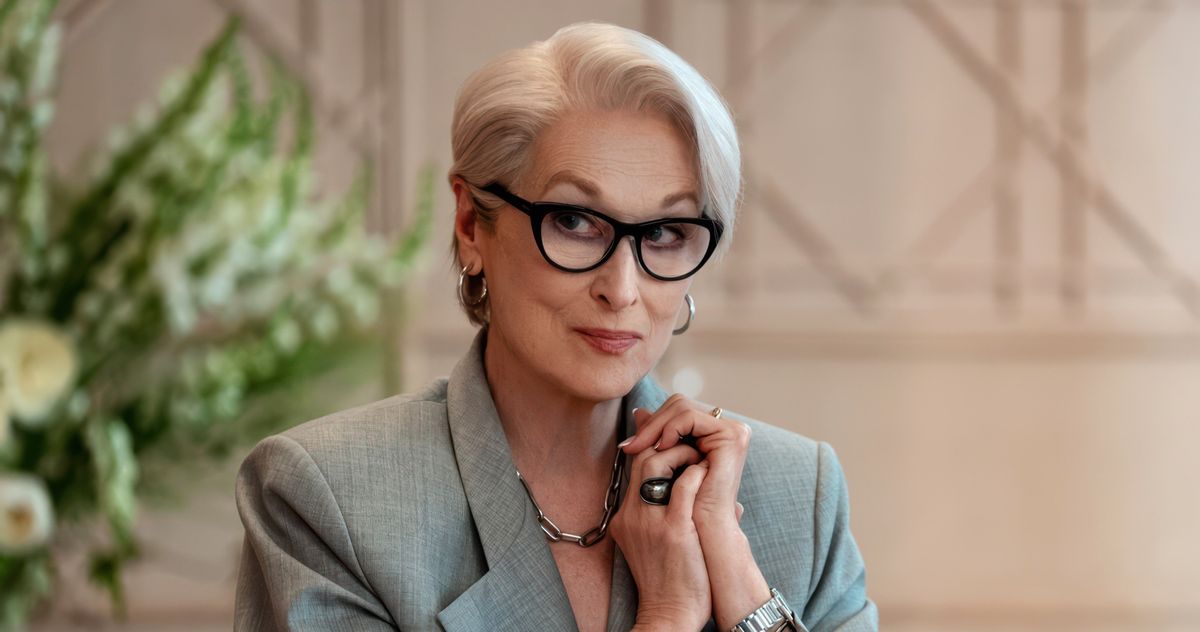
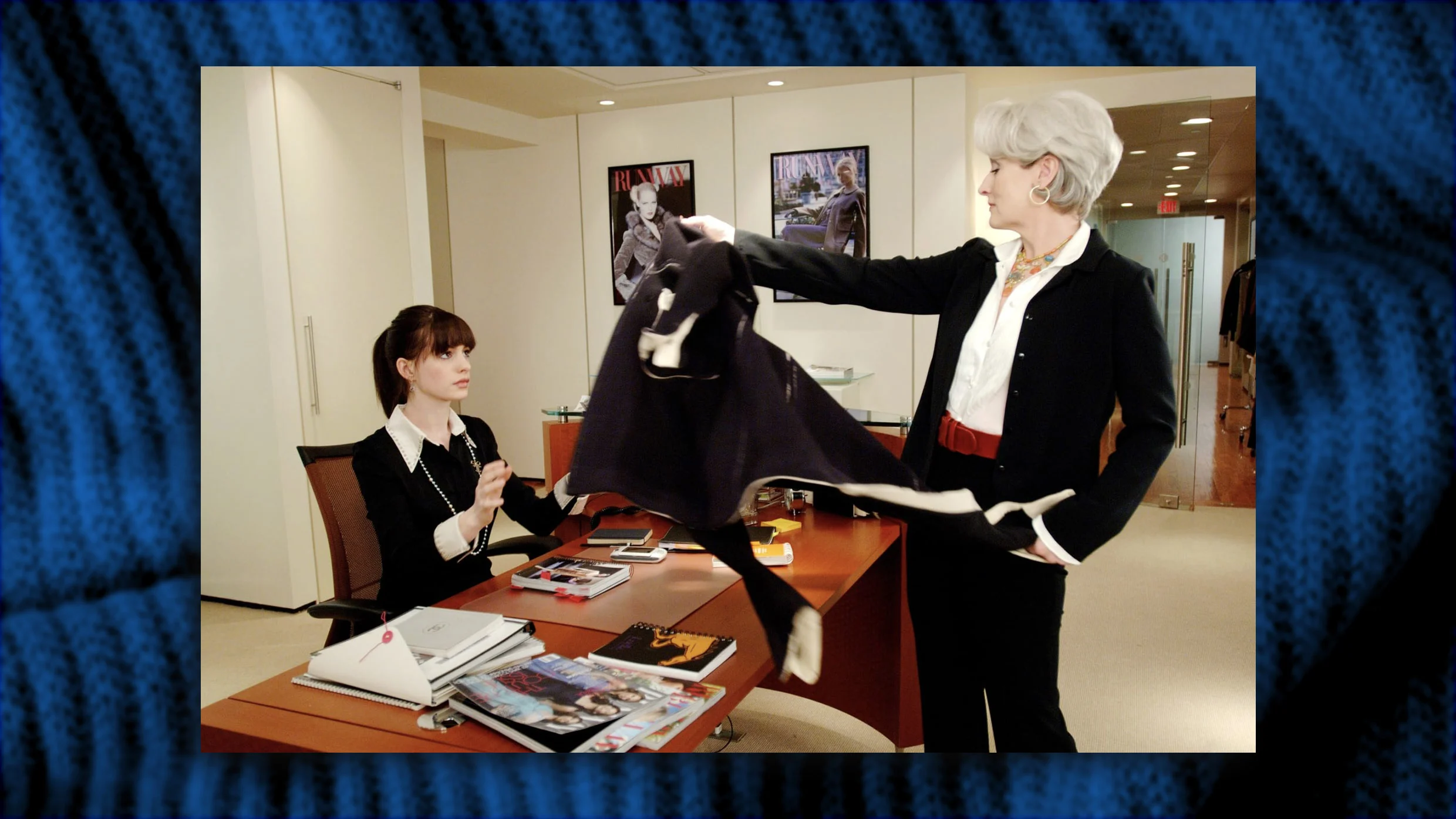
So why does The Devil Wears Prada 2, a follow-up far better than one might imagine for a 20-years-later "let's get the gang back together" escapade, also insist on including the most criminally tedious heterosexual male to ever appear in a mainstream movie?
Spider-Man's introduction in Captain America: Civil War positioned him as an accessory to Iron Man, undermining his status as a standalone hero. This portrayal has been criticized for diluting the essence of his character.
"Because we don't know what kind of game we'll make next with our characters, having too many character settings would become a constraint. I'm fine with being bound by the gameplay, but I don't want to be bound by having created a story, which has been the reason for not making movies for many years."
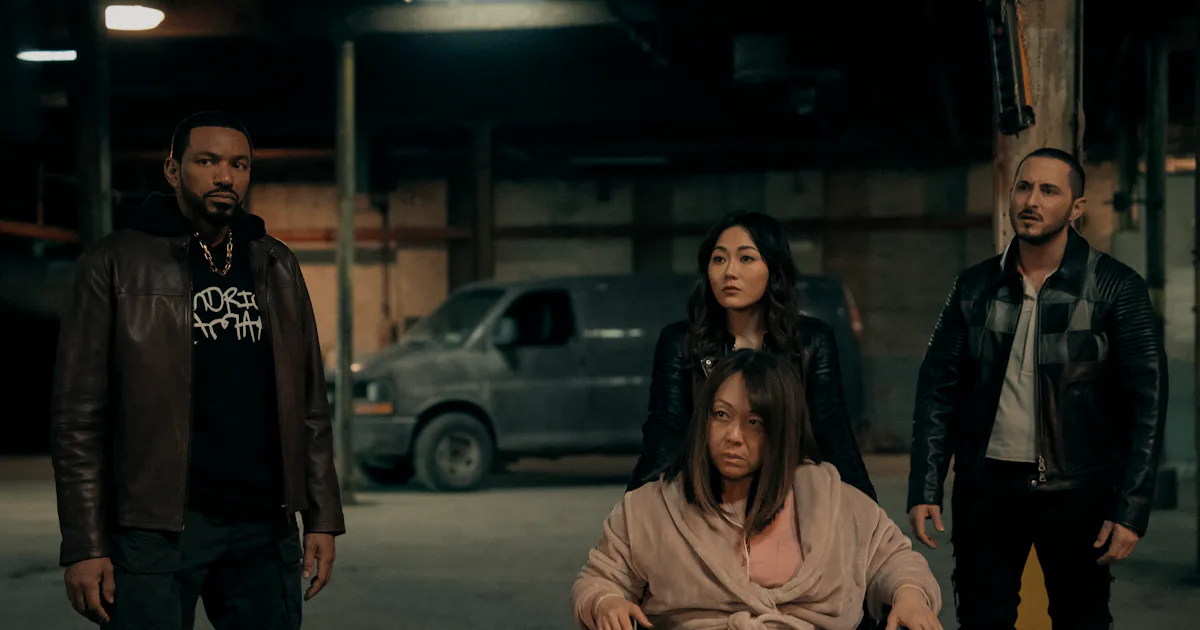
Cole, a petty scammer who skims people's security credentials from unsecured wifi networks and empties their bank accounts, finds himself in a dangerous situation when Oscar, a hoodlum, discovers his activities.
Auburn carefully calibrates the funny with the sad, balances credible realism with fugues of understated poetry. It was once described to me as a perfect play, in the formal sense, a template from which any budding playwright could draw inspiration.
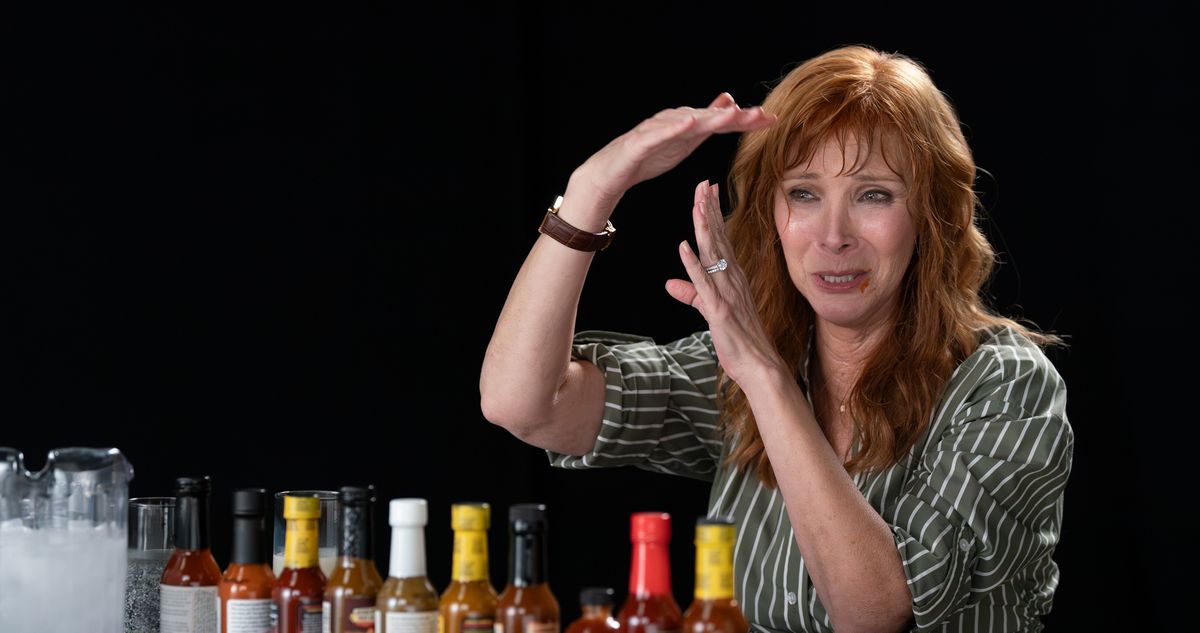
Krakowski was almost the photo-negative of Calista Flockhart's title character: brassy, eccentric, unconcerned by others' opinions. Similarly, her character in 30 Rock, Jenna Maroney, acted as the bookend to Tina Fey's Liz Lemon, Krakowski untouched by self-awareness, Fey beset by it.
Life Is Strange: Reunion quadruples down on this treatment of him, with the only mention of Warren coming in a text message in which Max asks 'whatever happened to that guy' who could've been her high school sweetheart.
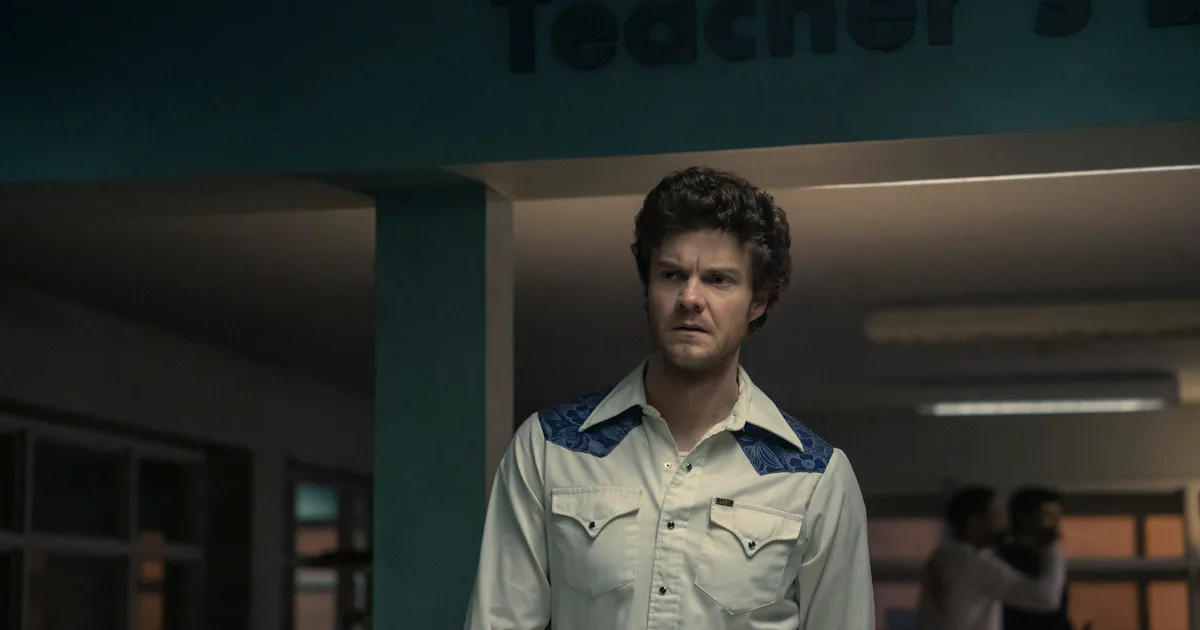
In a rare scene of pure, wholesome heroics that tie the entire season together, he bolts in and grabs the pen out of Doug Sr.'s hand. With full sincerity in his words, he tells his boss that he's interrupting the meeting because he's 'looking out for the people that have looked out for me.'
"That's just how I was raised. I feel like Northwood, the basketball gym felt like my home since I'm there so much, before, during and after school... I just wanted to help out. That was really it."