#ai-summaries
#ai-summaries
[ follow ]
#google #google-search #antitrust #publisher-traffic #google-discover #digital-publishing #digital-media-revenue
fromNieman Lab
4 months agoGoogle will look beyond volume journalism
If trends continue, Google's ecosystem may evolve as follows: 1. Topic clusters go mainstream. To cut LLM-generated clutter, expensive features like topic clustering, once restricted to niche products like Google News (since the 2010s), will go mainstream across Search, Gemini, Discover, and YouTube. Discover's mid-2025 AI summary cards already signaled this shift. Here's how topic clusters look on YouTube. 2. On Discover, YouTube, and Gemini, traffic will go to fewer, deeper stories on a topic.
Artificial intelligence
World news
fromTechCrunch
4 months agoGoogle is testing AI-powered article overviews on select publications' Google News pages | TechCrunch
Google is piloting AI-generated news overviews on participating publishers' Google News pages, offering payments, clear attribution, audio briefings, and real-time partnerships.
fromZDNET
6 months agoWhy your Kindle's new catch-up features are perfect for busy and distracted readers
While new Echo devices, Fire TVs, and Ring cameras captured most of the attention at Amazon's Devices & Services event this week, the company also unveiled a pair of upcoming Kindle devices -- the Scribe and the Scribe Colorsoft. (Check out ZDNET editor Nina Raemont's hands-on thoughts on both here). The new Kindles do mostly what you would expect from Amazon's e-reader, but a couple of AI-powered features in the announcement caught my eye.
Gadgets


fromFast Company
7 months agoRolling Stone's owner, Penske, is suing Google over AI overviews
The owner of Rolling Stone, Billboard and Variety sued Google on Friday, alleging the technology giant's AI summaries use its journalism without consent and reduce traffic to its websites. The lawsuit by Penske Media in federal court in Washington, D.C., marks the first time a major U.S. publisher has taken Alphabet-owned Google to court over the AI-generated summaries that now appear on top of its search results.
Media industry


Marketing tech
fromPC Gamer
7 months ago'The fact is that today, the open web is already in rapid decline,' says Google in court, then quickly rows back on that statement
Search quality has declined as corporate ad priorities and AI-generated summaries prioritize profit over accurate information and the open web.
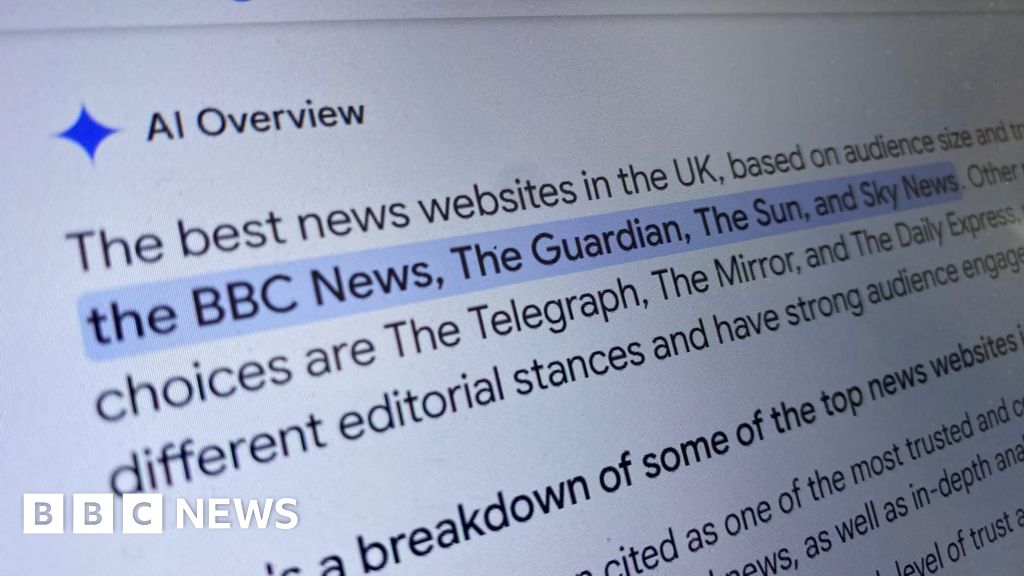




fromwww.theguardian.com
8 months agoAI summaries cause devastating' drop in audiences, online news media told
News companies face a substantial threat from AI summaries replacing search results, leading to up to 80% fewer clickthroughs as users find information directly without clicking through.
Digital life
fromTheWrap
8 months agoGoogle's AI Summaries Have Chopped Article Clicks Down by Half
Users who encountered an AI summary clicked on a traditional search result link in 8% of all visits. Those who did not encounter an AI summary clicked on a search result nearly twice as often (15% of visits).
Artificial intelligence



[ Load more ]