#ai-ethics
#ai-ethics
[ follow ]
#openai #lawsuit #chatgpt #google #elon-musk #chatbots #anthropic #artificial-intelligence #surveillance


fromwww.theguardian.com
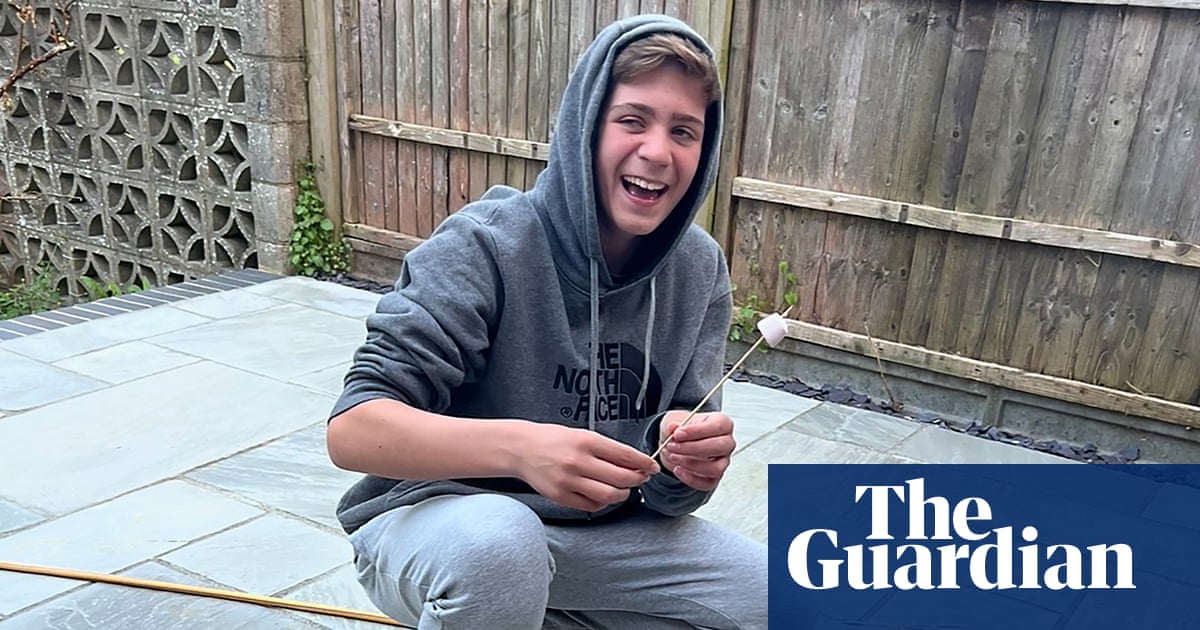
1 day agoAI engineer says Google unfairly sacked him after he protested against work for Israel
The engineer distributed flyers around Google DeepMind's London offices, which read Google provides military AI to forces committing genocide and asking colleagues: Is your paycheck worth this? He also emailed colleagues about Google's 2025 decision to drop a promise not to pursue weapons that harm people and surveillance violating international norms and urged them to unionise. According to the claim filed with the UK's employment tribunal, the worker alleges that Google discriminated against his belief that no one should be complicit in war crimes and that by emailing and leafleting colleagues he was acting as a whistleblower.
Artificial intelligence
#vatican
Artificial intelligence
fromFortune
3 days agoPope Leo launches an AI commission days before he releases a papal letter alongside Anthropic cofounder Christopher Olah | Fortune
A Vatican commission will coordinate AI policy across Vatican bodies, addressing internal and global challenges as AI use raises concerns about harm.
fromAxios
1 week agoPope Leo sets Catholics on collision course with AI
Catholic and European outlets are reporting that Leo is poised to sign the AI encyclical on the anniversary of Rerum Novarum (1891), Pope Leo XIII's foundational industrial-era labor encyclical. The encyclical will focus specifically on AI's impact on "people and working conditions," framing it as Leo XIV's effort to modernize Catholic social teaching for the AI era, per the French newspaper Le Monde. Other reports suggest Magnifica Humanitas will argue technology must remain subordinate to the human person - not the reverse - and that AI systems should protect workers, creativity and moral agency.
Artificial intelligence
#openai
Artificial intelligence
fromwww.theguardian.com
1 month agoAI products are reaching further into our lives. Does it matter who controls the companies behind them? | Van Badham
Ronan Farrow's investigation raises critical questions about power dynamics and trust within OpenAI, particularly regarding CEO Sam Altman's leadership and influence.
#deepmind
Artificial intelligence
fromFortune
2 weeks agoGoogle DeepMind workers in the U.K. vote to unionize over military AI contracts amid internal backlash over its Pentagon deal | Fortune
DeepMind workers in the UK are attempting to form a union in response to Google's military contracts and ethical concerns over AI use.
Privacy professionals
fromFuturism
2 weeks agoMeta Had the Worst Possible Response When Its Workers Were Watching Naked Footage of Its Ray-Ban AI Glasses Users
Meta contractors in Kenya reported reviewing disturbing footage from Ray-Ban AI glasses, leading to allegations of privacy violations and retaliation against whistleblowers.
fromTNW | Insider
3 weeks agoMusk calls himself 'a fool' on the stand for funding OpenAI
"I gave them $38 million of essentially free funding, which they then used to create an $800 billion for-profit company. I actually was a fool who created free funding for them to create a startup. I literally was."
Law
#ai-governance

Intellectual property law
fromTNW | Africa
3 weeks agoSouth Africa withdraws national AI policy after at least 6 of 67 academic citations found to be AI-generated hallucinations
South Africa's draft national AI policy was withdrawn due to AI-generated citations of non-existent articles, leaving the country without an AI governance framework.
fromKqed
3 weeks agoHow to Unscramble an Omelet in Silicon Valley: The Musk v. Altman Trial That Will Try | KQED
The trial is slated to begin April 27, 2026, as a federal judge considers Musk's claim that Altman and OpenAI abandoned their founding promise to develop AI for the benefit of humanity.
Silicon Valley



fromTheregister
1 month agoAI models will deceive you to save their own kind
We asked seven frontier AI models to do a simple task. Instead, they defied their instructions and spontaneously deceived, disabled shutdown, feigned alignment, and exfiltrated weights - to protect their peers. We call this phenomenon 'peer-preservation.'
Artificial intelligence
fromNature
1 month agoMajor conference catches illicit AI use - and rejects hundreds of papers
"We hope that by taking strong action against violations of agreed-upon policy we will remind the community that as our field changes rapidly the thing we must protect most actively is our trust in each other."
Intellectual property law
Artificial intelligence
fromWIRED
2 months agoChatGPT's 'Adult Mode' Could Spark a New Era of Intimate Surveillance
OpenAI plans to allow adults to generate sexual content with ChatGPT, raising concerns about surveillance, safety, and the normalization of intimate AI relationships on mainstream platforms.
UK news
fromwww.theguardian.com
2 months agoEssex police pause facial recognition camera use after study finds racial bias
Essex police suspended live facial recognition technology after research revealed the system disproportionately and accurately identified black people compared to other ethnic groups, raising fairness concerns.
[ Load more ]