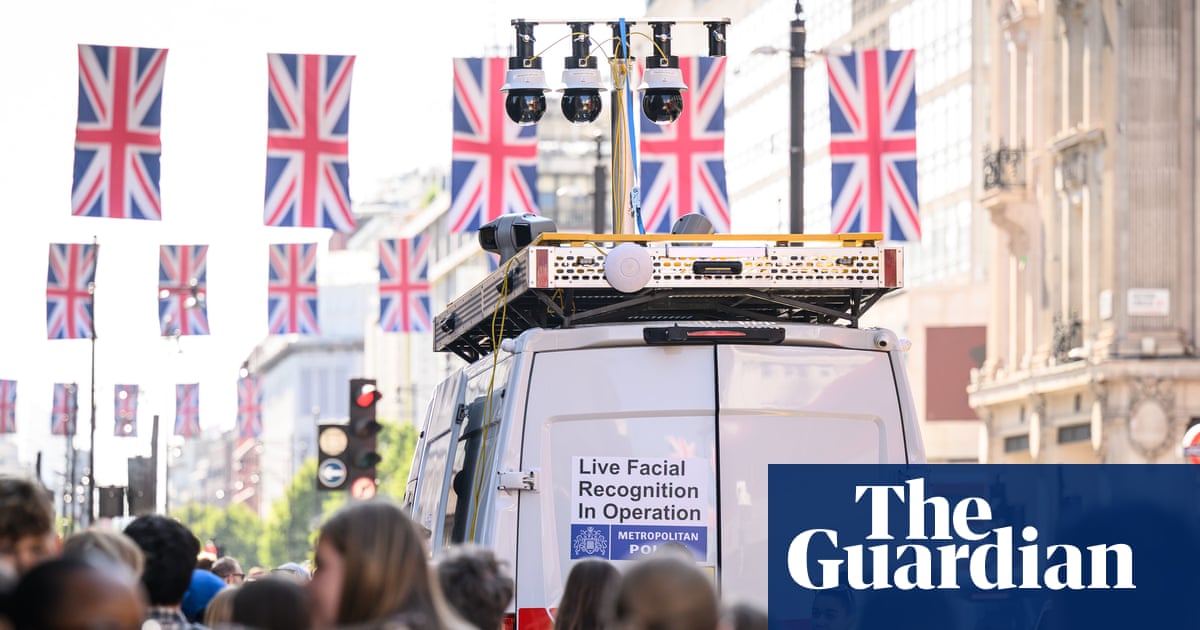
Essex police paused deployment of live facial recognition (LFR) technology following a University of Cambridge study that identified significant bias and accuracy risks. The research involved 188 actors walking past actively deployed cameras in Chelmsford and found the system correctly identified approximately half of watchlist individuals with rare false positives. However, the technology showed higher accuracy rates for men than women and was statistically significantly more likely to correctly identify black participants than those from other ethnicities. The Information Commissioner's Office, which regulates LFR use across at least 13 police forces in England and Wales, warned other forces to implement mitigations. This suspension occurs despite the home secretary's January announcement to increase LFR vans five-fold across all police forces.
"The results were published last week and showed about half of the people on a watchlist were correctly identified and incorrect identifications were extremely rare, but the system was more likely to correctly identify men than women and it was statistically significantly more likely to correctly identify black participants than participants from other ethnic groups."
"Essex commissioned University of Cambridge academics to conduct a study, which involved 188 actors walking past cameras being actively deployed from marked police vans in Chelmsford. The results were published last week and showed about half of the people on a watchlist were correctly identified and incorrect identifications were extremely rare."
"The ICO said Essex police had paused LFR deployments after identifying potential accuracy and bias risks and warned other forces to have mitigations in place. LFR systems are either mounted to fixed locations or deployed in vans."
Read at www.theguardian.com
Unable to calculate read time
Collection
[
|
...
]