#added-sugar
#added-sugar
[ follow ]
#dietary-guidelines #ultra-processed-foods #public-health #nutrition-guidelines #nutrition #starbucks



fromBoston Herald
4 months agoFoods with healthy-sounding buzzwords could be hiding added sugar in plain sight
Same goes for low-fat yogurts "made with real fruit," "organic" plant-based milks and bottled "superfood" smoothies. Buyer beware: Healthy grocery buzzwords like those often cover up an unhealthy amount of sugar. Added sugars are difficult to quickly spot because many companies use clever marketing to distract consumers, said Nicole Avena, a professor of neuroscience and psychiatry at Mount Sinai Medical School and Princeton University who has studied added sugars.
Food & drink
fromwww.aljazeera.com
5 months agoNestle accused of risking baby heath in Africa, Asia and Latin America
Swiss food giant Nestle has been adding sugar to babyfood to help it stoke sales in Africa, Asia and Latin America after cutting it from products sold in European markets, according to a report from an NGO. Released on Tuesday by Swiss-based global justice organisation Public Eye, the report, entitled How Nestle gets children hooked on sugar in lower-income countries, accuses the company of putting the health of babies at risk for profit.
Public health

fromBoston Herald
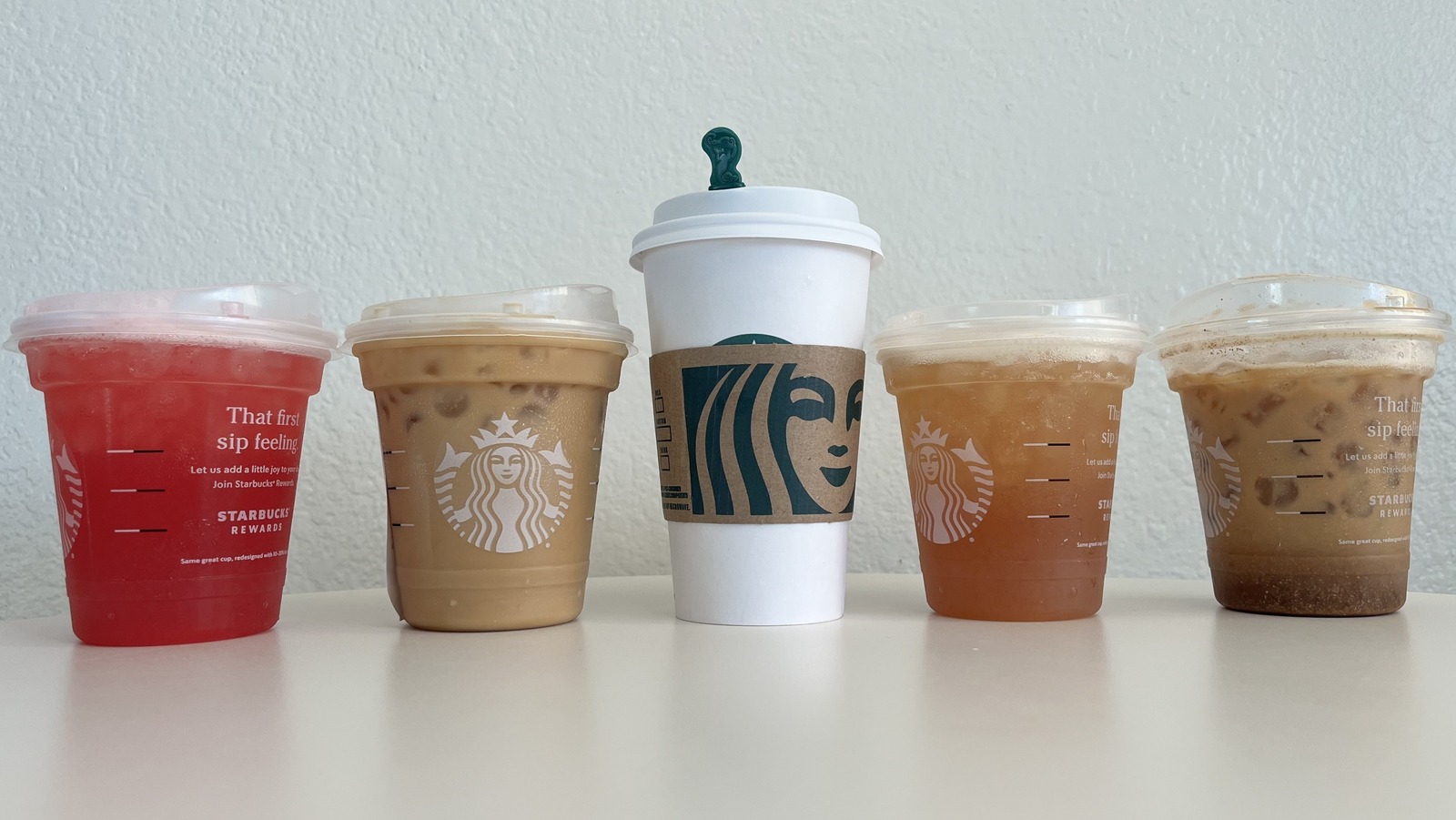
7 months ago5 tips for choosing healthy beverages during pumpkin spice season
Coffee and tea both come with potential health benefits, but sweeteners, creamers, whipped cream and other add-ons can lead to excess added sugar, fat and calories. With well over half of Americans drinking coffee every day, the way it is prepared matters. Here are strategies to navigate the top ingredient concerns when preparing or ordering your favorite hot (or iced) drink.
Coffee
fromPsychology Today
8 months agoHot Drinks, Cold Truths: Which Sips Actually Help Your Brain?
The Truth About Pumpkin Spice The spices that define fall-cinnamon, ginger, nutmeg, and cloves-are rich in antioxidants and anti-inflammatory compounds. Cinnamon alone has been studied for its potential to reduce insulin resistance and oxidative stress, both of which are linked to cognitive decline. However, the average pumpkin spice latte contains up to 50 grams of sugar, more than the daily recommended limit for adults.
Health
[ Load more ]