#GDP growth
#GDP growth
[ follow ]
#gdp-growth #uk-economy #inflation #consumer-spending #us-economy #business-investment #unemployment #tariffs
#uk-economy

UK politics
fromwww.independent.co.uk
5 hours agoReeves warns now is not the time' for change amid rumours over Labour leadership
UK economy grew unexpectedly in March, but economists expect growth to stall as Iran war impacts emerge.
UK politics
fromwww.independent.co.uk
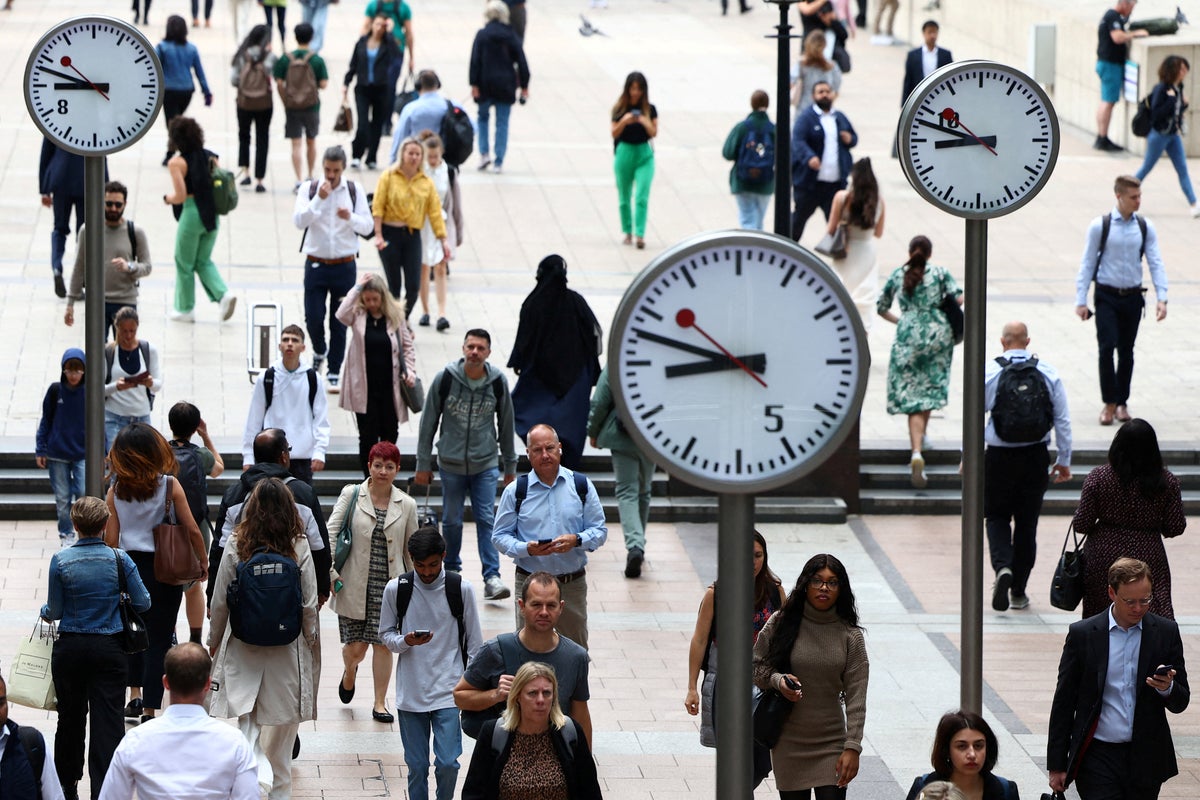
12 hours agoBoost for Reeves as GDP shows 0.6% growth despite Iran war crisis
UK GDP grew 0.6% this year, with March growth of 0.3% surprising economists amid Iran war costs and political leadership turmoil.
UK politics
fromLondon Business News | Londonlovesbusiness.com
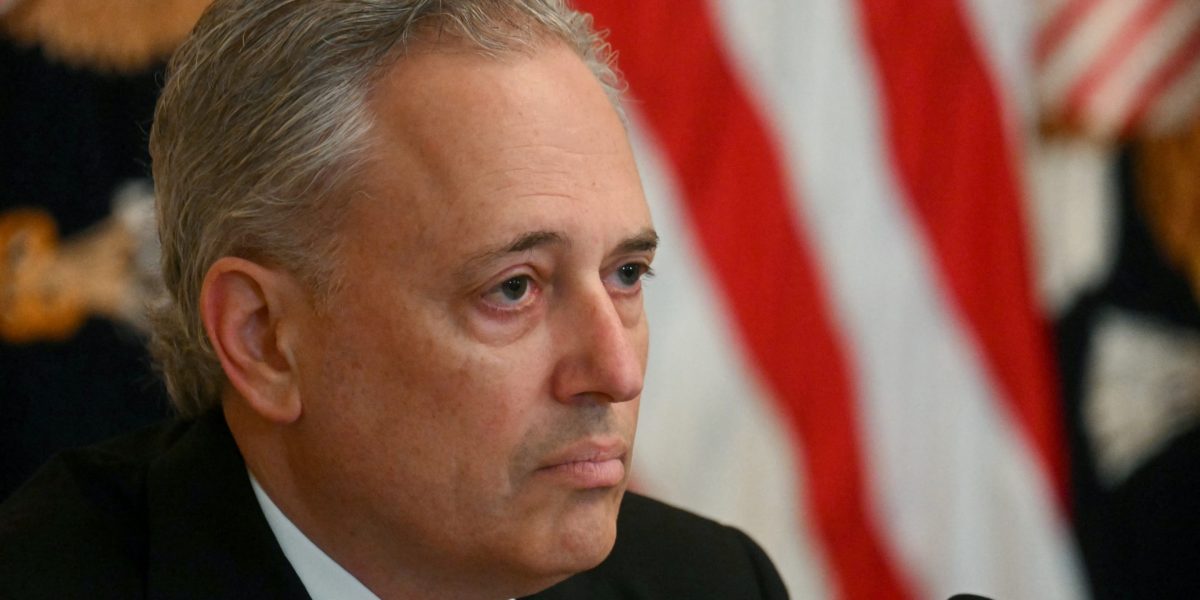
4 hours agoTories warn the chaos around Starmer is 'damaging the economy' - London Business News | Londonlovesbusiness.com
Labour infighting is driving market alarm and higher borrowing costs, threatening Britain’s fiscal credibility despite recent GDP growth.







from24/7 Wall St.
2 weeks agoWhy MCHI, KWEB, and FXI Could Be Your Best Bets on China's Recovery
Chinese stocks have spent the last five years really testing the patience of even the most hardcore contrarians. Between the property sector struggles, the crackdown on tech platforms, and the constant friction over chip exports and tariffs, valuations have been pushed down across the board.
European startups

Artificial intelligence
fromFortune
2 months agoAI capex and the 'wealth effect' from tech stocks (like Nvidia) now drive one-third of U.S. GDP, top analysts say | Fortune
AI capital expenditures and tech stock wealth gains accounted for approximately one-third of U.S. GDP growth in Q4 2025, creating economic vulnerability to investor sentiment shifts.
US news
fromLondon Business News | Londonlovesbusiness.com
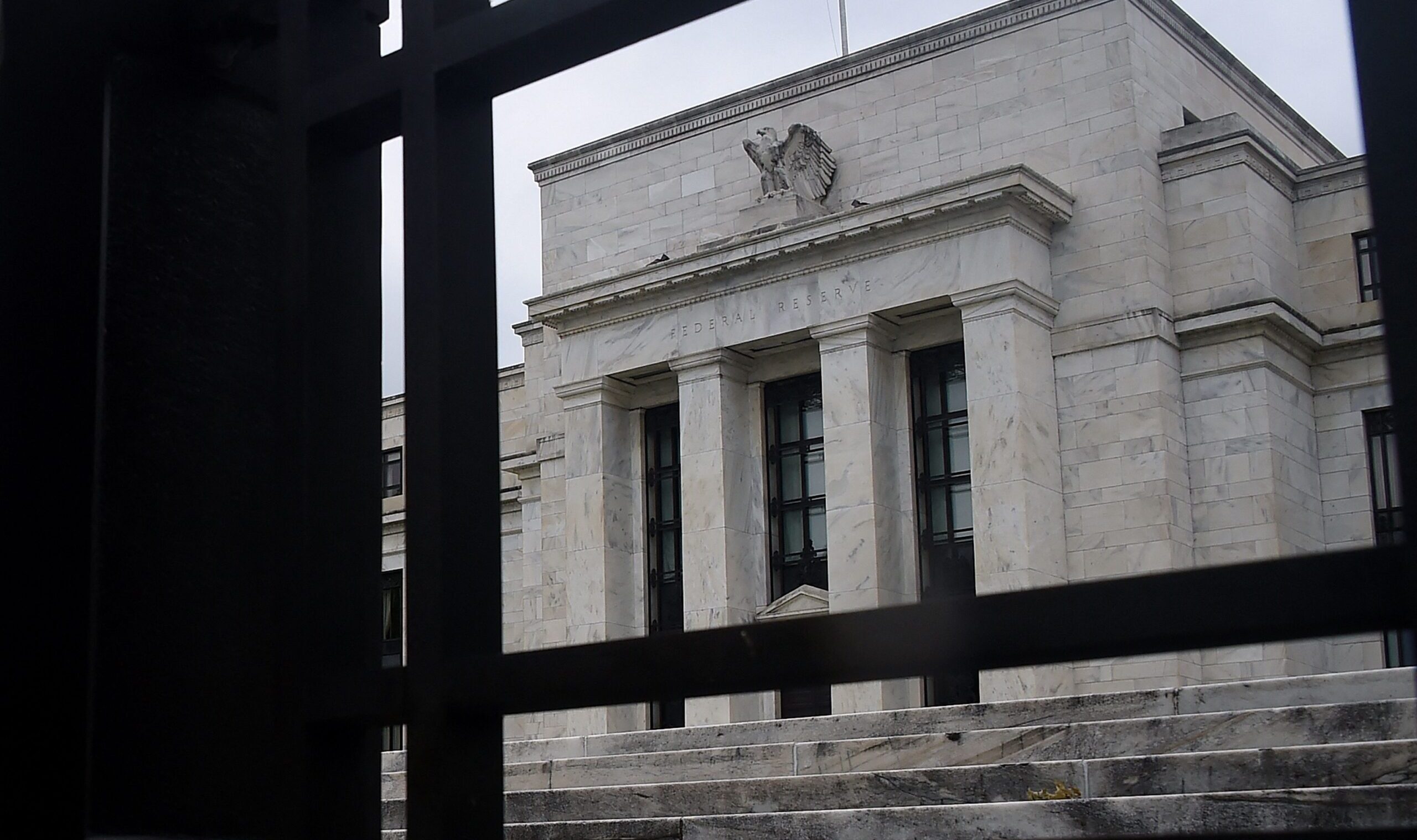
3 months agoFed holds as it awaits clearer signals on US economy - London Business News | Londonlovesbusiness.com
The Fed paused after three quarter-point cuts to assess transmission amid elevated inflation; Cebr expects at least two more quarter-point cuts this year.
fromwww.mediaite.com
4 months agoFox News Contributor Claims Economy Is In a Very Good' Place Despite Trump's Tariffs
Consumers, voters, are very angry about inflation. They don't like it. I think that explains a lot of the 2024 election results and the 2025 campaigns as wellInflation by some measures ticking down a little, but still stubbornly near that 3% area, roughly where it was when President Trump took office. So, I think that's a disappointment for consumers. I think the answer to that is productivity and growth, and the Federal Reserve restraining the growth of the money supply.
US politics




fromAxios
5 months agoWhat to expect if this economic cycle mirrors 2001
The economists who make these calls would eventually conclude that there was a short recession in 2001, but it was a curious kind of recession - and at best a borderline call. GDP never fell for two consecutive quarters. GDP was narrowly up (0.2%) in 2001 and returned to solid growth in 2002. The GDP slump was caused by a collapse in investment in telecommunications equipment.
Business

US politics
fromwww.mediaite.com
6 months agoFox's Larry Kudlow Recites Trump's Abysmal Poll Numbers and Says, I'm Not Sure Why This Is'
Majority of Americans disapprove of Trump's handling of inflation and his overall economic approval is underwater despite recent GDP growth and business investment gains.
fromPoynter
6 months agoHere's how much the federal shutdown could cost the economy - and why the estimate may be too low - Poynter
What is the current shutdown's expected economic impact? The CBO estimate says the federal spending delay will produce short-term economic losses - largely in the fourth quarter of 2025 - that will mostly be recouped during the first quarter of 2026, assuming the shutdown ends by then. CBO projected how much the shutdown would hamper U.S. economic growth per quarter, adjusted for inflation and multiplied by four, to convert a quarterly figure into an annual one.
US politics
World news
fromenglish.elpais.com
6 months agoUS military threat heightens economic uncertainty and worsens inflationary crisis in Venezuela
Venezuela's official seven-point GDP claim is contested; IMF reports minimal growth and forecasts extreme inflation, while recovery remains fragile and constrained.


fromwww.dw.com
6 months agoEurope's hidden economic success story: Poland DW 10/20/2025
Its GDP growth rate of almost 3% in 2024 put it ahead of the overall EU rate of 1%, as well as the bloc's two largest economies France and Germany. France recorded a rate of 1.2% while Germany suffered a -0.2% contraction. The signs for 2025 are also positive. Poland recorded growth of 0.8% in the second quarter, the fifth best rate in the EU.
Miscellaneous
fromwww.cbc.ca
7 months agoU.S. tariffs to lower Ontario's economic growth in coming years: FAO report | CBC News
Ontario's economy is going to continue to slow this year as U.S. tariffs reduce demands for exports and businesses cut back on investments and hiring, a new report estimates. The province's real GDP growth is projected to slow to 0.9 per cent this year and 1.0 per cent next year due to the impact of U.S. tariffs, says the report from the Financial Accountability Office of Ontario (FAO), released Wednesday.
Toronto
fromAxios
8 months agoU.S. economy should take off by fourth quarter, Bessent predicts
Bessent criticized the weak jobs data released Friday, extending recent administration claims that the numbers aren't correct and haven't been collected properly. (Trump fired the commissioner of the Bureau of Labor Statistics after the August report, and said without evidence that the BLS rigged the data against him.) "President Trump was elected for change, and we are going to push through with the economic policies that are going to set the economy right," Bessent said. "I believe by the fourth quarter we are going to see a substantial acceleration."
US politics
fromBusiness Insider
8 months agoThe AI spending boom is boosting US GDP - and potentially hiding looming problems
Researchers at Pantheon Macroeconomics found that AI-related spending accounted for a 0.5 percentage point difference in annualized GDP growth for the first half of the year.
Tech industry
Miscellaneous
fromLondon Business News | Londonlovesbusiness.com
9 months agoNigerian equities slip as investors grow cautious ahead of key economic releases - London Business News | Londonlovesbusiness.com
Nigerian equities are positioned for potential gains despite a lower opening, fueled by infrastructure projects and positive GDP growth.
[ Load more ]