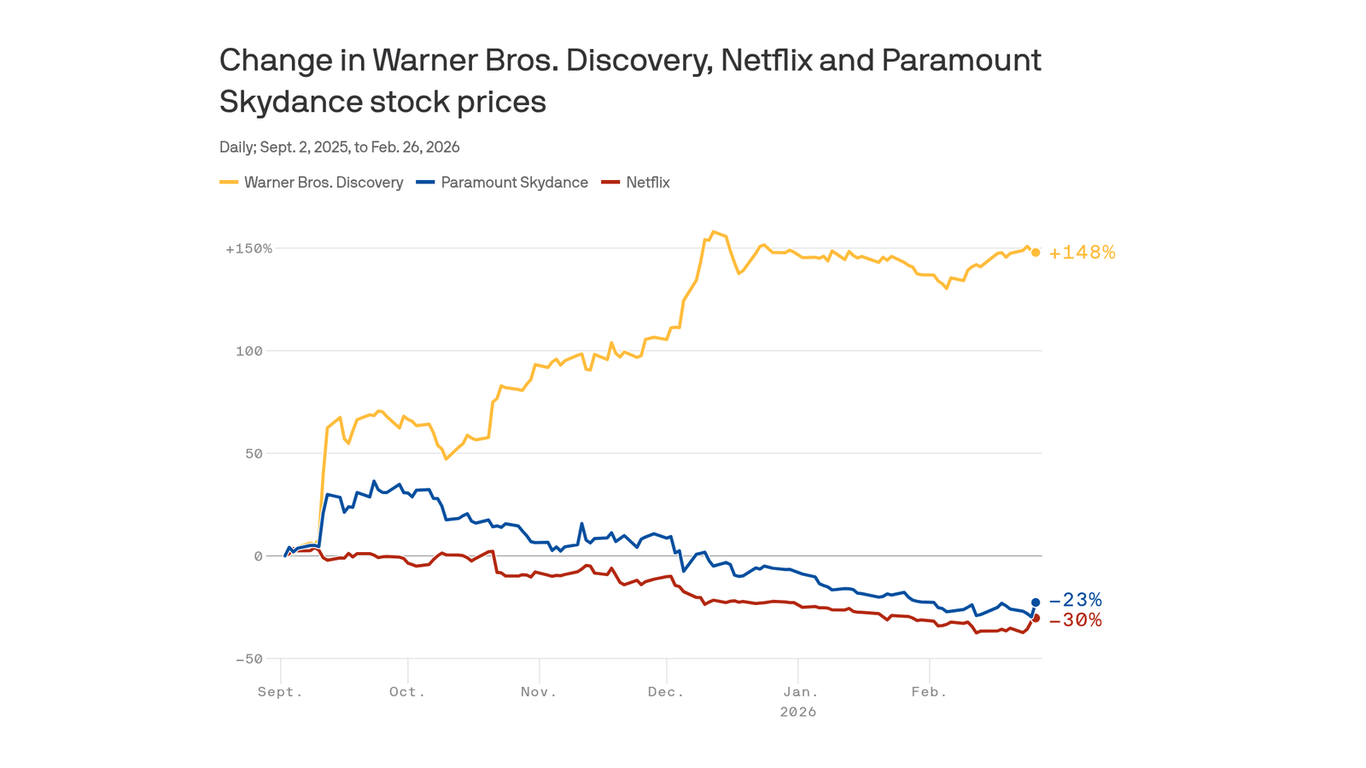
The entertainment conglomerate, formed three years ago when Warner Media spun off from AT&T and merged with Discovery, Inc., announced plans this past summer to split back into two separate companies. Its functional studio and streaming arm, the source of the publicly traded company's value as a security, would thus be unshackled from its network TV business, which still generates a ton of cash but is a declining in value (as evinced by WBD's $9 billion write-down of its TV properties).
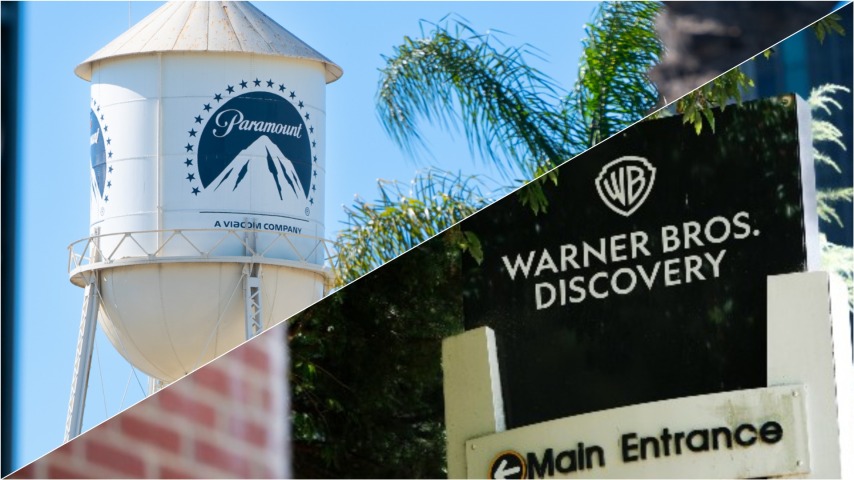
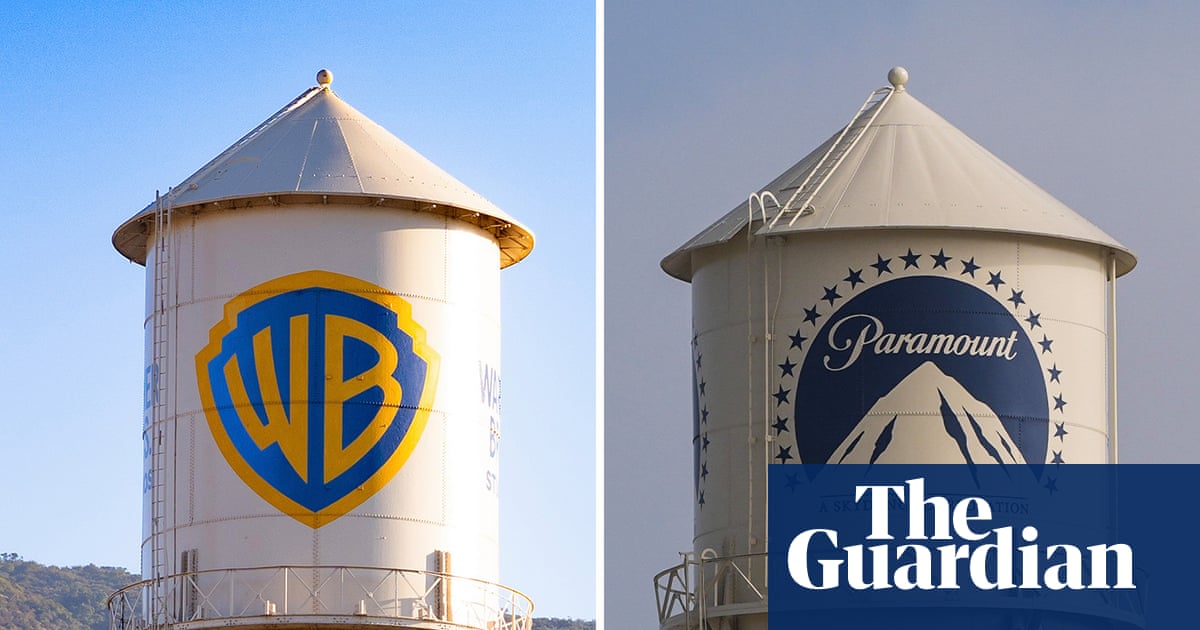
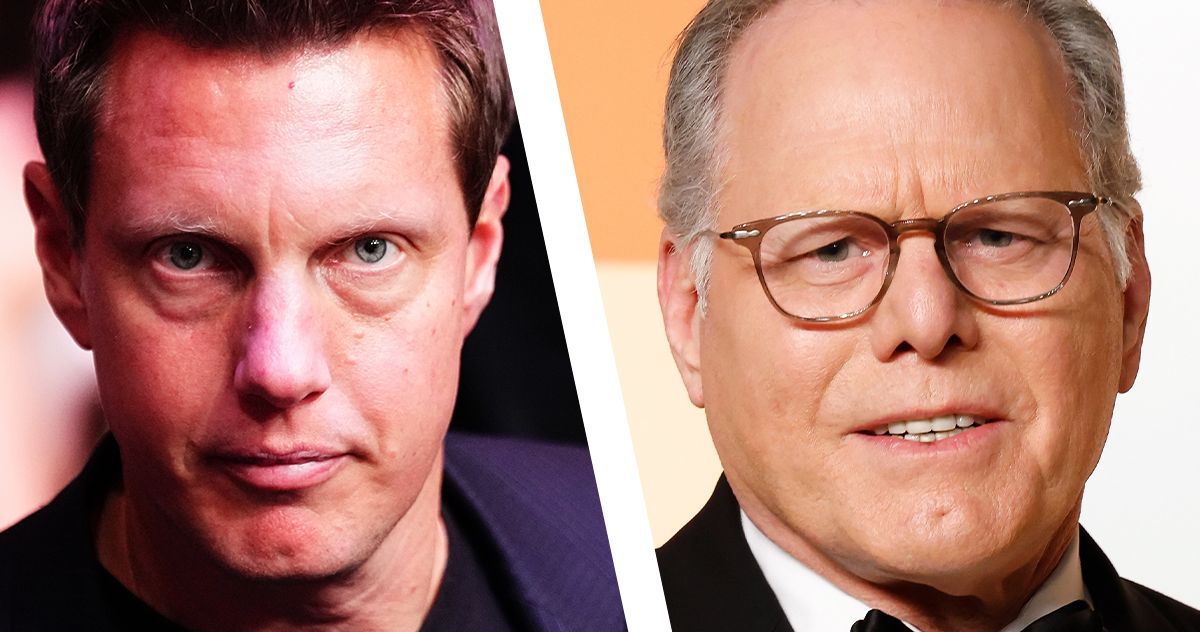
The publication said the company formed an investment consortium with the sovereign wealth funds of Saudi Arabia, Qatar and Abu Dhabi to submit a $71bn bid for Warner Bros Discovery. The report said Paramount Skydance would contribute about $50bn towards the proposed acquisition with the remainder coming from the wealth funds. Paramount Skydance has described the involvement of the sovereign wealth funds as categorically inaccurate.

Before Warner Bros. Discovery's Q3 earnings call even began on Thursday, the investor relations team made it clear that leadership did not want to talk about the company currently trying to sell parts of itself to potential bidders. Which wasn't exactly true. They didn't want to field specific questions, sure, but WBD's leadership kept talking about the hypothetical acquisition anyway.
By operating as two distinct and optimized companies in the future, we are empowering these iconic brands with the sharper focus and strategic flexibility they need to compete most effectively in today's evolving media landscape.