#tsa-and-airport-screening
#tsa-and-airport-screening
[ follow ]
#airport-security #tsa #government-shutdown #tsa-precheck #global-entry #travel-safety #travel-tips #travel
#travel
:max_bytes(150000):strip_icc()/tal-11-most-common-checked-baggage-mistakes-tout-653086df55f44681a7da737961c0af23.jpg)

Psychology
fromSilicon Canals
3 days agoThe people who arrive one hour before their flight without apology are often the same people who, somewhere along the way, stopped performing competence and started simply being competent - Silicon Canals
Arriving three hours early for a flight often reflects anxiety rather than responsibility.
fromABC7 Chicago
4 days agoPilots take evasive action as two planes landing at JFK get dangerously close
The Federal Aviation Administration says preliminary information shows the Republic plane aborted its landing 'after missing the intended approach path and flying too close to Jazz Aviation Flight 554.'
NYC parents
:max_bytes(150000):strip_icc()/tal-upcycle-tsa-agents-cant-believe-travelers-still-make-these-12-airport-security-mistakes-plus-what-to-do-instead-tout-69b3516d2dac458a85398ae756821793.jpg)
:max_bytes(150000):strip_icc()/TAL-headphones-in-tsa-bin-HEADPHONESTSABIN0326-3ba989034dbb4607b39493e096e02304.jpg)

fromTravel + Leisure
2 days agoThis 1 Simple Mistake May Send Your Luggage to the Wrong Airport-Here's What Travel Experts Say You Should Do Instead
Scammers are reportedly going through trash cans, stealing tags, and filing fraudulent claims with information like names and itinerary confirmation numbers to seek compensation for 'lost' luggage.
Travel
fromTravel + Leisure
1 week agoThis Is Why You Should Always Take a Picture of Your Checked Bag, According to Travel Experts and Frequent Fliers
"We always recommend that clients photograph their luggage before a trip, including the exterior of the bag, the luggage tag, and the contents inside," Rob Merlin, a travel advisor at SmartFlyer, stated. This practice not only aids in identification but also provides peace of mind and serves as evidence for insurance purposes in case of loss or damage.
Photography
:max_bytes(150000):strip_icc()/tl-amazon-im-a-frequent-flier-without-tsa-pre-check-tout-2788360b1ae34ff6bfab0d2796b43cbf.jpg)

:max_bytes(150000):strip_icc()/tal-a-former-tsa-agent-shares-the-no-1-reason-bags-tout-c62c16e154594222825c3cbcf4a2edbf.jpg)
:max_bytes(150000):strip_icc()/tal-airport-security-tout-42834a9a66584fd39d4b9120c67a8246.jpg)
#tsa-precheck
Fashion & style
fromTravel + Leisure
1 month agoAre Airports Closing TSA PreCheck? What to Know, and How to Get Through Security Faster Without It
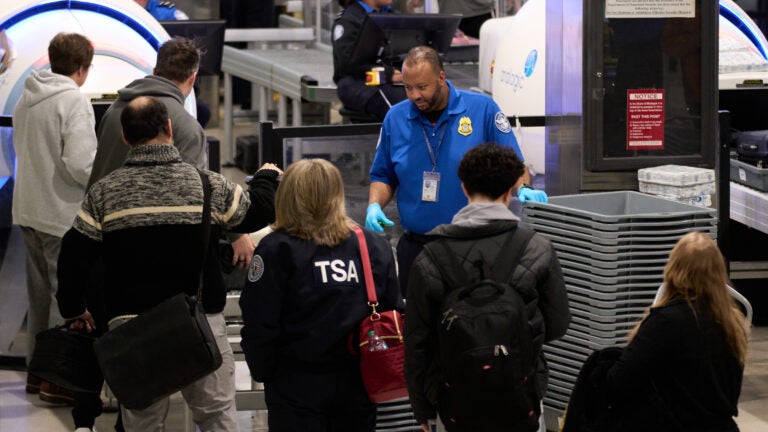
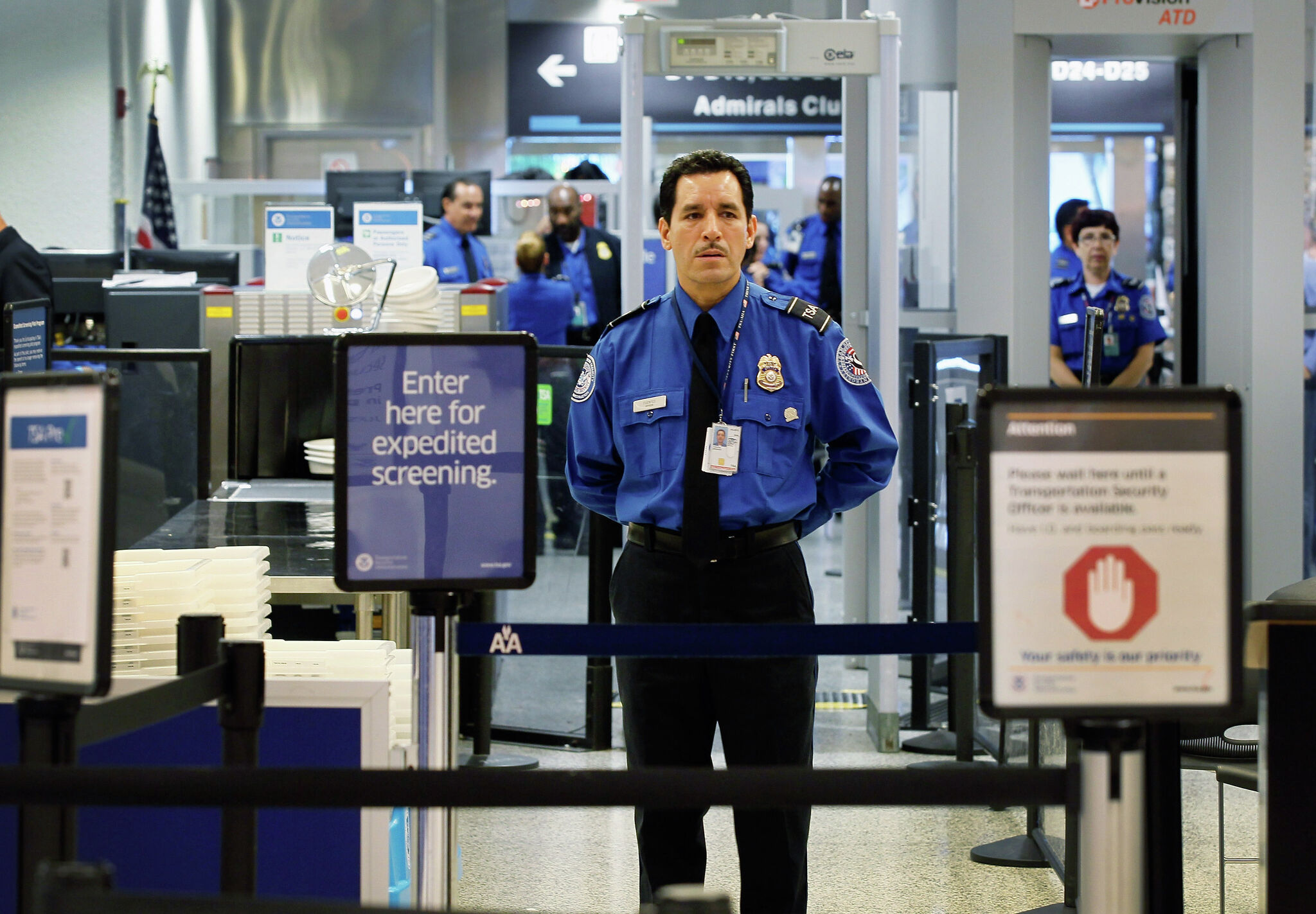
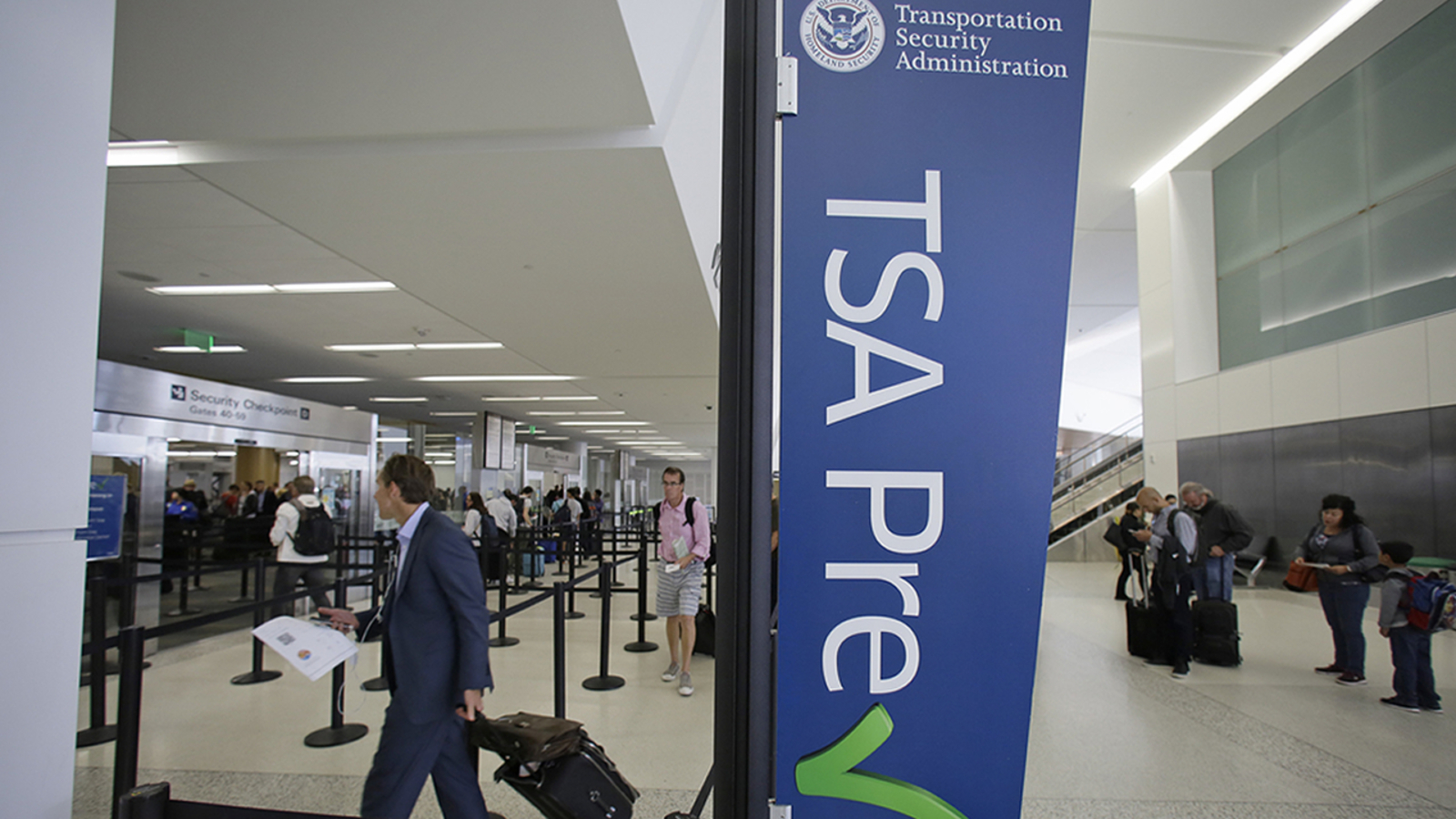
TSA PreCheck remains operational but faces potential suspension due to government funding issues and staffing shortages, making travel preparation essentials critical for efficient airport security navigation.

Fashion & style
fromTravel + Leisure
1 month agoAre Airports Closing TSA PreCheck? What to Know, and How to Get Through Security Faster Without It
TSA PreCheck remains operational but faces potential suspension due to government funding issues and staffing shortages, making travel preparation essentials critical for efficient airport security navigation.
fromwww.theguardian.com
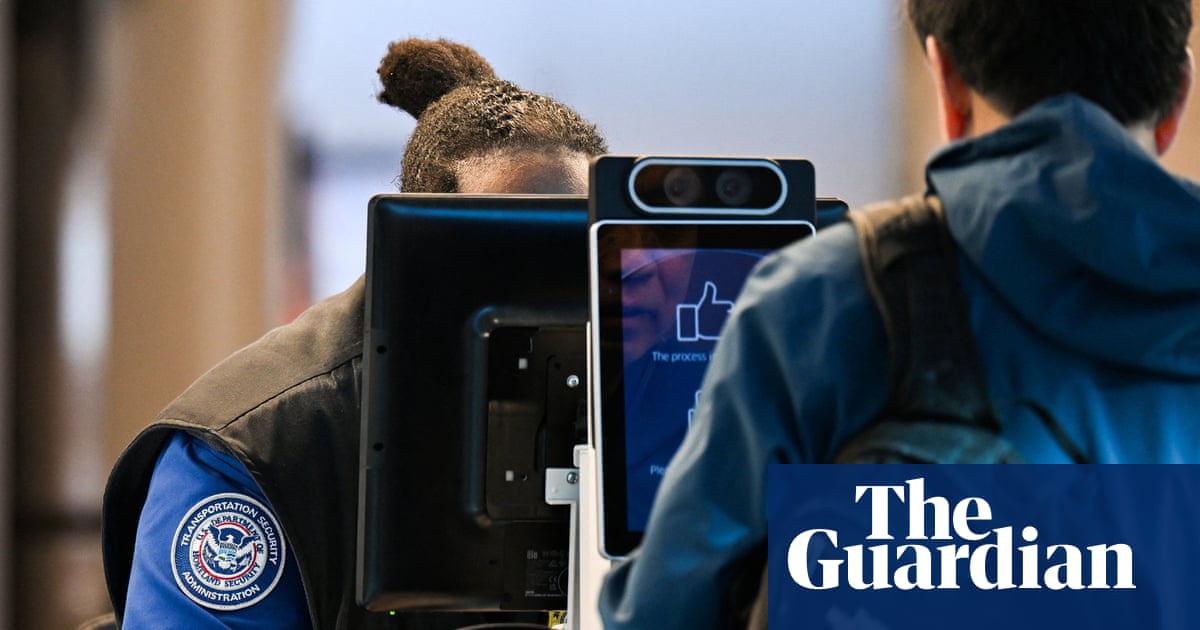
3 weeks agoUS marine detained after TSA finds live explosive round in checked bag
The marine told investigators he found the round in the field about a year ago and kept it, thinking it wasn't live. Due to extensive rust and corrosion, the round's original identifying paint markings were no longer visible, making it difficult to determine whether it was an inert training munition or a live explosive device.
Los Angeles
#tsa-security-delays
Austin
fromBusiness Insider
1 month agoTSA delays: Which airports have long lines, and how to check the wait time at your airport
US airport TSA checkpoints face severe delays during a partial government shutdown as unpaid agents skip work, forcing travelers to arrive up to three hours early for flights.
US news
fromFast Company
1 month agoAre you seeing viral 'hacks' for skipping long TSA airport security lines? Here's what works-and what doesn't
TSA staffing shortages from funding disputes cause airport security delays, but TSA PreCheck Touchless ID with facial recognition offers faster processing at select airports.
Austin
fromBusiness Insider
1 month agoTSA delays: Which airports have long lines, and how to check the wait time at your airport
US airport TSA checkpoints face severe delays during a partial government shutdown as unpaid agents skip work, forcing travelers to arrive up to three hours early for flights.
US news
fromFast Company
1 month agoAre you seeing viral 'hacks' for skipping long TSA airport security lines? Here's what works-and what doesn't
TSA staffing shortages from funding disputes cause airport security delays, but TSA PreCheck Touchless ID with facial recognition offers faster processing at select airports.
#government-shutdown
SF politics
fromFast Company
1 month agoThe TSA staff shortage is dragging on at U.S. airports. Some experts say privatization is the solution
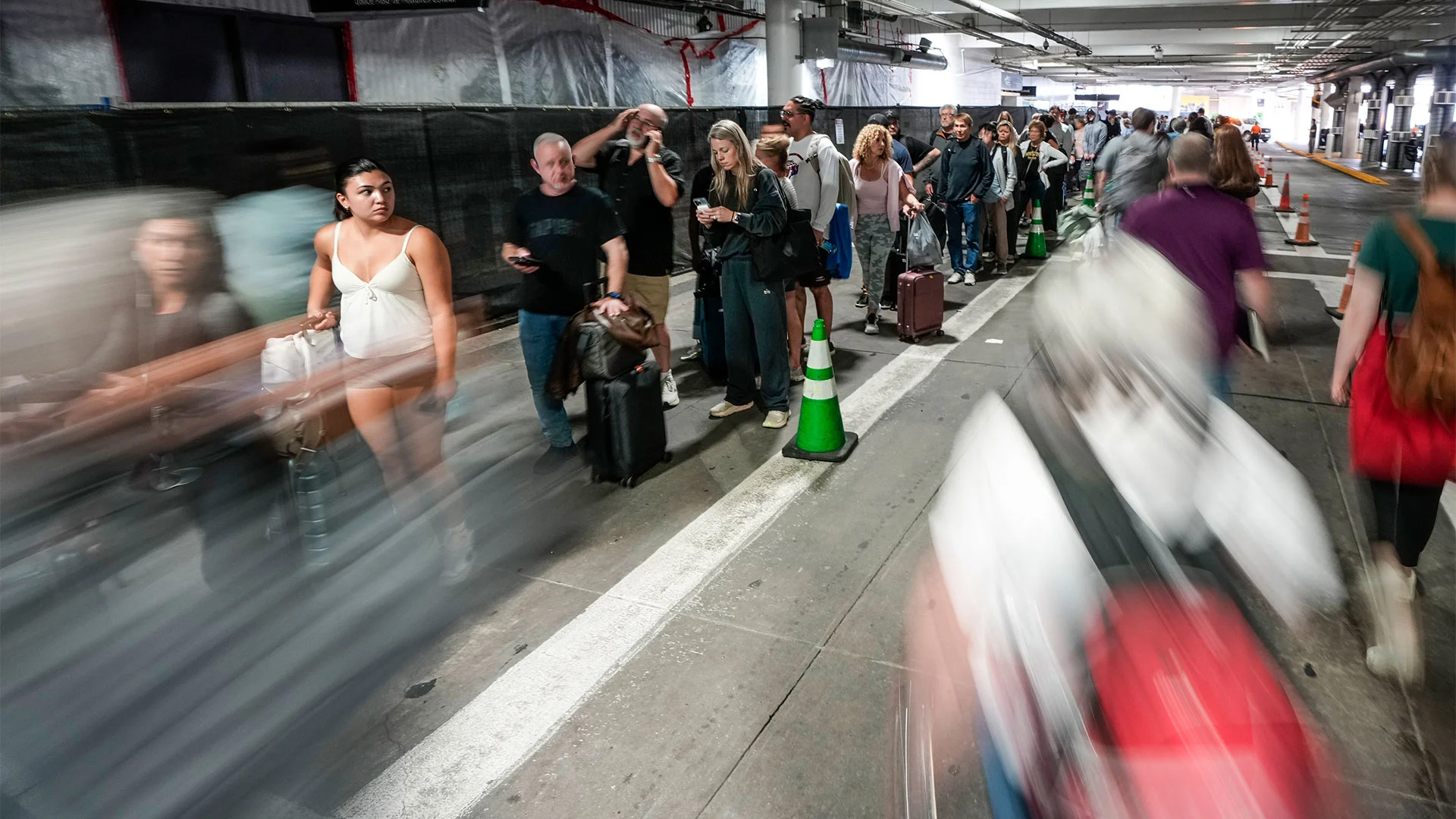
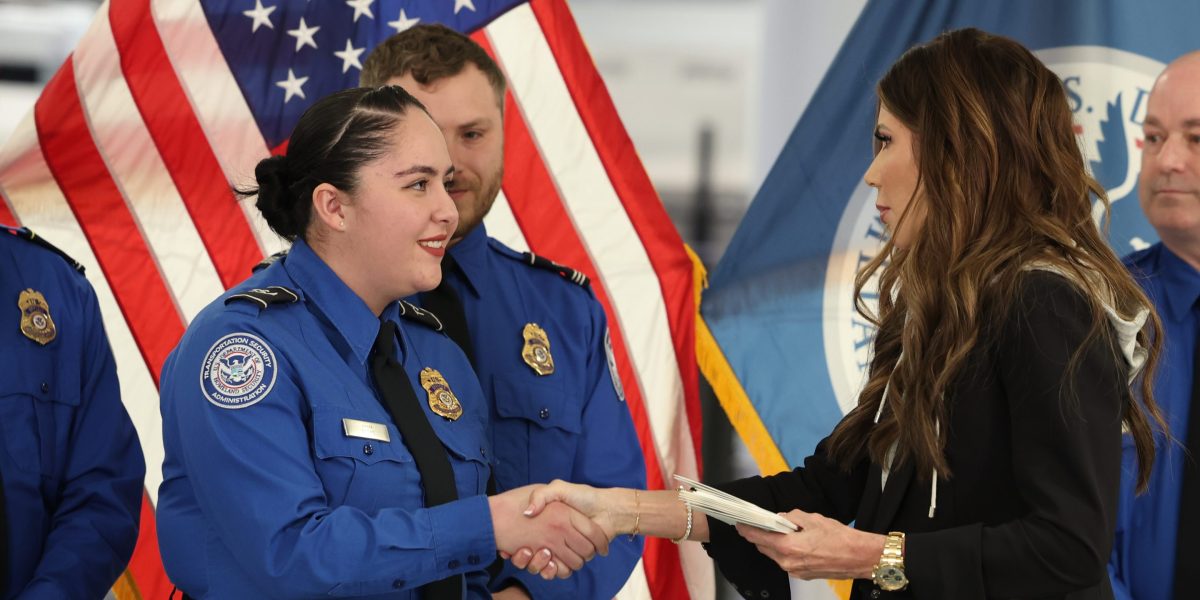
Private security contractors at some U.S. airports maintain continuous operations during government shutdowns because their federal contracts ensure uninterrupted funding, unlike TSA-staffed airports that face disruptions.
SF politics
fromFast Company
1 month agoThe TSA staff shortage is dragging on at U.S. airports. Some experts say privatization is the solution
Private security contractors at some U.S. airports maintain continuous operations during government shutdowns because their federal contracts ensure uninterrupted funding, unlike TSA-staffed airports that face disruptions.
Privacy technologies
fromBoston.com
1 month agoYou can now pass through TSA PreCheck at Logan using only your face. Should that make us nervous?
TSA's Touchless ID facial recognition system expands to 65 airports, enabling passengers to pass security using only their face, though privacy advocates warn it normalizes mass surveillance.
fromwww.npr.org
2 months agoHomeland Security suspends TSA PreCheck and Global Entry airport security programs
The U.S. Department of Homeland Security is suspending the TSA PreCheck and Global Entry airport security programs as a partial government shutdown continues. The programs are designed to help speed registered travelers through security lines. Suspending them could cause headaches for fliers. Homeland Security Secretary Kristi Noem said in a statement that "shutdowns have serious real world consequences."
US news
fromTravel + Leisure
1 month agoThis Is Why You Should Never Put Your Phone in the TSA Bin, According to Frequent Flyers and Travel Experts
I had my camera stolen while going through security. It was a painful loss, mainly because of the memories captured on it. When she brought it up to the security officers, they told her there was no video coverage of that area.
Travel
US news
fromwww.mediaite.com
1 month agoHeads Down! Hands Up!' Passengers Capture Scary Moment Feds Storm Plane to Deal With Possible Security Matter'
Southwest Flight 2094 made an emergency landing in Atlanta after a possible security matter, with federal officers and police boarding to detain a passenger amid reports of a bomb threat.
fromTravel + Leisure
1 month agoThese Simple Mistakes Slow Down Airport Security the Most, According to the TSA-and Not Having This 1 Item May Cost You
The biggest cause for slowdowns at checkpoints is when passengers simply forget the TSA's key rules. Those who try to bring prohibited items like liquids over 3.4 ounces and firearms through the checkpoint will ultimately slow down the process. Small oversights can add up quickly, and even the most well-traveled passenger can recall a time when they forgot they had a half-filled water bottle or a small pocket knife, leading to extra time in line.
Travel
Travel
fromTravel + Leisure
2 months agoI'm a Former Gate Agent, and These Are the 11 Carry-on Mistakes That Slow Down Boarding Every Single Time
Prepared passengers with appropriately sized carry-ons, organized essentials, and ready boarding passes speed boarding, reduce aisle congestion, and lower stress for everyone.
fromTravel + Leisure
2 months agoI'm a Frequent Flier, and I Can Spot These 12 Rookie Airport Mistakes From a Mile Away-Plus, How to Fix Them
I spend a lot of time in airports. Like, a lot of time. Last year alone, I took more than 100 flights and logged over 200,000 miles in the air, which means I've seen just about every airport mistake imaginable-usually unfolding in real time at security, the boarding gate, or mid-aisle as someone realizes their phone is at 3 percent.
Travel
fromTravel + Leisure
1 month agoHere's Why Your Airport Gate Can Change at the Last Minute, According to Aviation Experts
Gate changes, especially those sprung on travellers at the last minute, are a real pain point in air travel. The primary drivers are usually a last-minute aircraft swap due to a mechanical issue or an unexpected delay on an inbound flight occupying the planned gate.
Travel
fromSilicon Canals
2 months ago9 things people over 60 do at TSA that the security line behind them silently judges - Silicon Canals
Last week, I found myself sandwiched between a chatty toddler and a businessman furiously typing emails while waiting in the TSA line at O'Hare. The familiar symphony of beeping metal detectors, rustling bags, and the distant "please remove your shoes" announcements filled the air. But what caught my attention wasn't the chaos around me-it was the subtle eye rolls, suppressed sighs, and barely contained frustration rippling through the line whenever someone over 60 approached the security checkpoint.
Travel
[ Load more ]