#superfine-art-fair
#superfine-art-fair
[ follow ]
#art #contemporary-art #art-exhibitions #art-fair #new-york-city #london #community #art-market #new-york
fromMpls.St.Paul Magazine
1 day agoDesign Destinations: New York City
"It's a really special spot. When you start at the top and move down the gently sloped ramp, you almost feel like a marble tumbling down, looking at art as you roll by. The slight slant plays with your sense of perspective and grounding."
NYC food
fromMiami Herald
7 hours agoNYC's Most Impossible Reservation Just Opened-But Only for One Night
"Rao's is a special and intimate dining experience that has been passed down for generations. Creating Dinner Rush with American Express and Marriott needed to feel like a true extension of our own table."
Dining
fromGothamist
1 day agoThis film festival takes you from Hoyt-Schermerhorn to Hollywood
April O'Neil comes down out of City Hall as the ace reporter and then walks into the Hoyt-Schermerhorn station. That secret, that the Downtown Brooklyn station is subbing in for City Hall, is at the heart of an upcoming film series at BAM.
Berlin
fromBrooklyn Paper
2 days agoNew York City's first Trans Art Fest showcases, connects and empowers trans artists * Brooklyn Paper
Carter Shocket stated, 'They kind of felt like they happened and then they were over, like it wasn't a long-lasting kind of project. It was just a flash-in-the-pan kind of thing.'
Brooklyn
fromTime Out New York
20 hours agoEdge is getting a wild immersive makeover this summer
The entire indoor journey, from entry to elevator to the 100th floor, has been reimagined as a multi-sensory, immersive environment. The overhaul comes via a collaboration between experiential design firm Journey, multimedia studio Moment Factory and NYC-based design outfit SOFTlab.
NYC music

Arts
fromThe Art Newspaper - International art news and events
1 day agoMilan's contemporary art credentials further bolstered by arrival of Paris Internationale
Milan's art scene is thriving, attracting international galleries and collectors, highlighted by the inaugural Paris Internationale art fair.
fromThe Art Newspaper - International art news and events
14 hours agoPaying tribute to storied printmaker Kenneth Tyler at the IFPDA Print Fair
"The catalogue raisonné is incredibly meaningful to me. It's a nice reminder of the many things I've done, and seeing the documentation of decades of work allows for reflection and new insights."
Arts

fromArtnet News
2 days agoThe Business of KAWS: What Data and a Museum Show Reveal About His Market | Artnet News
KAWS has shown an uncanny ability to connect with a wide variety of people. Younger buyers clamor for his $50 Uniqlo T-shirts, while trophy-hunting collectors shell out millions for paintings.
Arts
Arts
fromThe Art Newspaper - International art news and events
1 day agoLalanne mirrors owned by Yves Saint Laurent and a classic Diane Arbus photo: our pick of the April auctions
Claude Lalanne's mirrors, once in Yves Saint Laurent's apartment, are set for auction with a high estimate after being previously sold for €1.8m.
#los-angeles-art-week
Arts
fromThe Art Newspaper - International art news and events
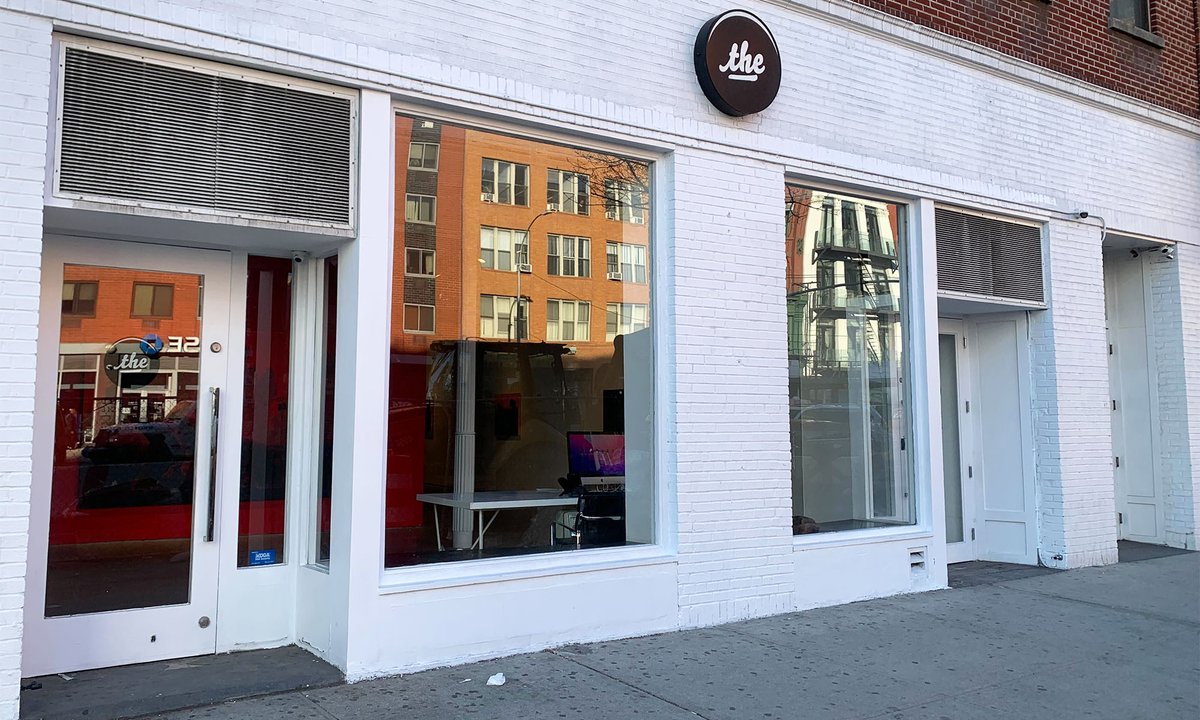
2 days agoOverdue payments to artists, landlords and workers at a popular gallery reflect pressures squeezing the dealer sector
Los Angeles's art week features numerous exhibitions and events, highlighting the challenges faced by galleries like The Hole amid changing market conditions.
Arts
fromThe Art Newspaper - International art news and events
2 days agoOverdue payments to artists, landlords and workers at a popular gallery reflect pressures squeezing the dealer sector
Los Angeles's art week features numerous exhibitions and events, highlighting the challenges faced by galleries like The Hole amid changing market conditions.
fromHyperallergic
6 days agoThe Art World Is a Joke
Kamrooz Aram is everywhere this year, from Mumbai Art Week to the Whitney Biennial, and critic Aruna D'Souza is grateful. She pens a beautiful meditation on his work, reading his abstract paintings as not simply a denunciation of Western modernism nor a reassertion of Islamic visual motifs, but something else entirely - something gestural, exuberant, riotous, and incomparably his own.
Arts
fromHyperallergic
3 weeks agoArt Problems: How Do I Get Gallery Representation?
Dealers like artists with established sales records because it lowers their already considerable financial exposure. Renting a gallery space in Tribeca costs anywhere between $8,000-30,000 a month on top of staff, marketing, and daily operations. With that kind of overhead, very few business owners can afford to take on the financial risk of untested artists.
Arts
Arts
fromArtnet News
3 weeks agoBlink and You'll Miss It! 3 New York Shows With Painfully Short Runs | Artnet News
Gallery exhibition runs have lengthened from weeks to five or six weeks due to increased competition and high mounting costs, though a countermovement of brief, limited-time shows is emerging.
fromHyperallergic
3 weeks agoEmbracing Friction in the Art World
On Franklin Street in Brooklyn's Greenpoint neighborhood, one non-commercial gallery fosters 'a small, stubbornly human space for friction.' Friction—the ubiquitous buzzword that captures the simultaneous delight and discomfort of doing things the slow way—is at the heart of artists Pap Souleye Fall and Char Jeré's current show at Subtitled NYC. It also reflects the overall spirit of this little exhibition space and of a burgeoning movement to reject our culture of optimization in favor of a bumpier, more intimate, less alienating experience.
Arts
Arts
fromArtnet News
4 weeks agoAffordable Art Fair New York Explores the Evolving Nature of Photography
Affordable Art Fair New York's 2026 spring edition features a curated photography exhibition exploring how the medium evolves through new technologies, alternative processes, and interdisciplinary artistic boundaries.
Arts
fromThe Art Newspaper - International art news and events
2 months agoNew experimental art organisation opens in New York
Summer Guthery and Francesca Sonara launch Times, a small, nimble three-year Manhattan art space prioritizing artists' needs, flexibility, and rejection of perpetual-growth institutional models.
[ Load more ]