#space-journalism
#space-journalism
[ follow ]
#nasa #space-exploration #astronomy #artemis-ii #spacex #elon-musk #space-technology #mars #ai #satellites #blue-origin

fromwww.scientificamerican.com
8 hours agoIconic Sombrero Galaxy captured in incredible detail, revealing its enormous glowing halo
The new images of the Sombrero Galaxy, captured by the 570-megapixel Dark Energy Camera, reveal its bright core amid 2,000 globular star clusters tightly bound by gravity.
OMG science


fromBig Think
3 days agoAsk Ethan: What's the biggest misconception in astronomy?
When that new knowledge arrives, we inevitably attempt to integrate it into our pre-existing framework, and that isn't always a smooth process. Sometimes, our foundation is riddled with misconceptions, misunderstandings, or prior teaching that were outright wrong; we have to correct and 'unlearn' those ways of thinking before we can progress.
Science
fromTelecompetitor
3 days agoFCC approves AST SpaceMobile for supplemental coverage from space
Today marks an important step, as we continue scaling our network and moving closer to commercial service. We are accelerating deployment of our constellation, advancing integration with leading mobile network operators, and preparing to deliver seamless, space-based cellular broadband directly to everyday smartphones, bringing us closer to connecting people everywhere.
Science


fromFuturism
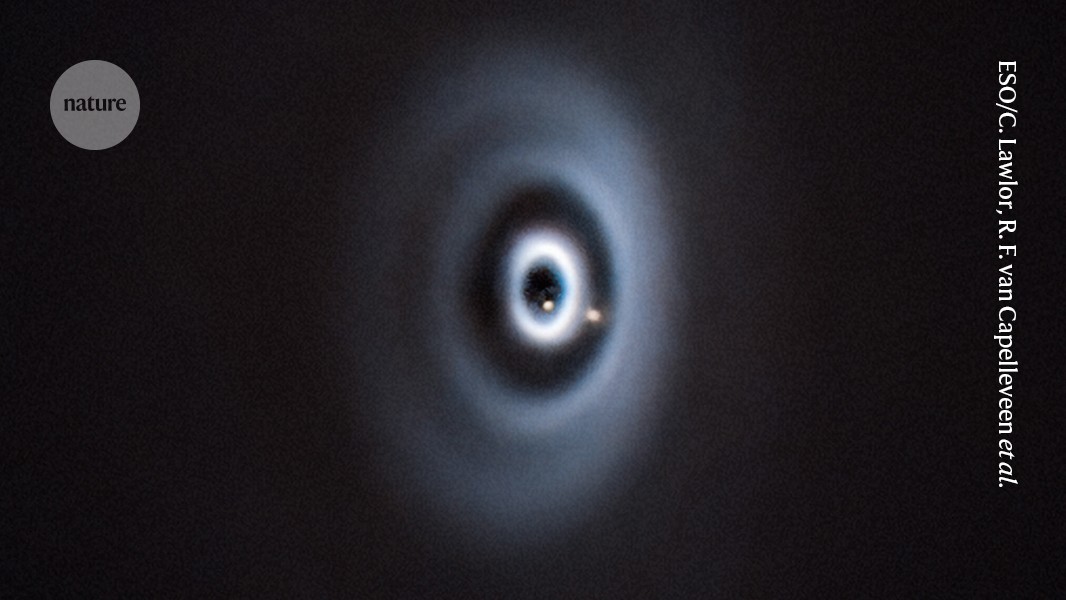
3 weeks agoAstronomers Found Something Strange In Giant "Forbidden" Planet Nearly the Size of Its Star
The atmosphere of TOI 5205b has a lower concentration of heavy elements relative to hydrogen than gas giants in our own solar system, suggesting something different about its formation.
OMG science

fromFuturism
1 month agoAstronomers Spot Huge Microwave Laser Blasting Into Space
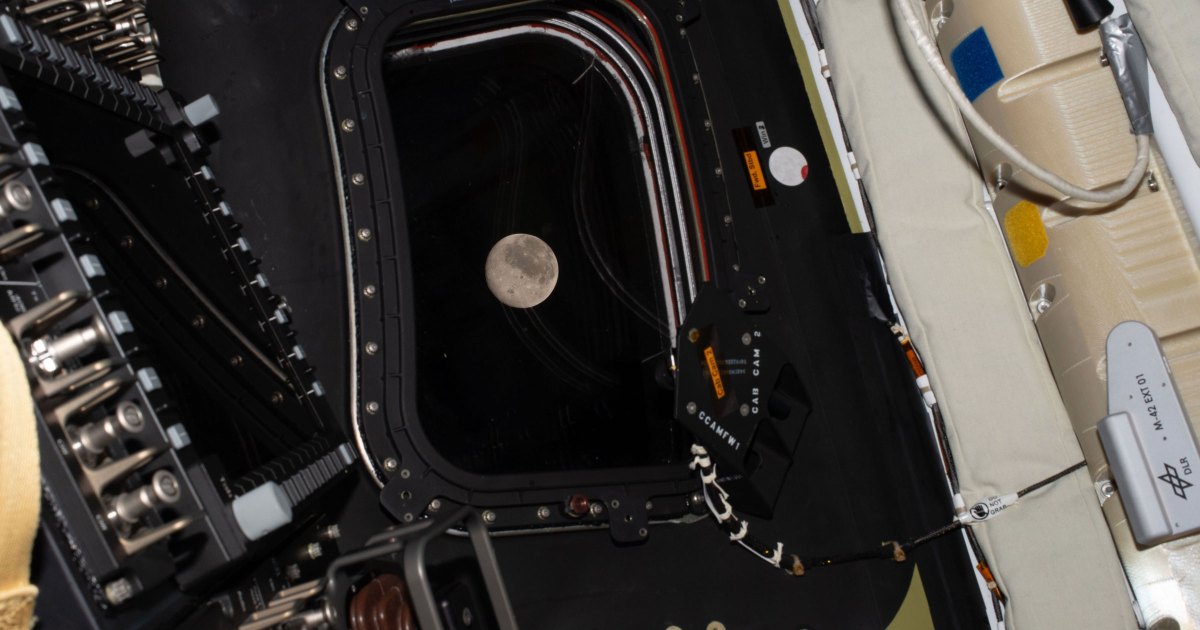
This system is truly extraordinary. We're seeing the radio equivalent of a laser halfway across the universe. Fundamentally, masers and lasers are focused beams of light in the same frequency. In the realm of astrophysics, these can arise from clouds of dust being excited into a higher energy state from the light emitted by other sources, like stars and black holes.
OMG science
fromWIRED
2 months agoCould AI Data Centers Be Moved to Outer Space?
Now say you want to run some modest AI stuff. That's a bigger job, so let's scale up our cubical computer with edges twice as long as before. That would make the volume eight times larger (2 3), so we could have eight times as many processors, and we need eight times as much power input-2,400 watts. However, the surface area is only four times (2 2) larger, so the radiative power would be about 4,000 watts.
Science
[ Load more ]