#photography-workflow
#photography-workflow
[ follow ]
#photography #photo-editing #google-photos #instagram #touch-up-tools #android #davinci-resolve #image-editing




#photography


Photography
fromDigital Photography School
5 days agoThe art of photography hasn't changed though...
Modern photography tools have evolved, but the core principles of observation and decision-making remain unchanged.
Online marketing
fromWhat's Trending
1 month agoMarketing Tips for Photographers: Building a Profitable and Recognizable Brand
Strategic marketing, branding, and high-quality visuals are essential for photographers to succeed in a competitive market.
Photography
fromwww.theguardian.com
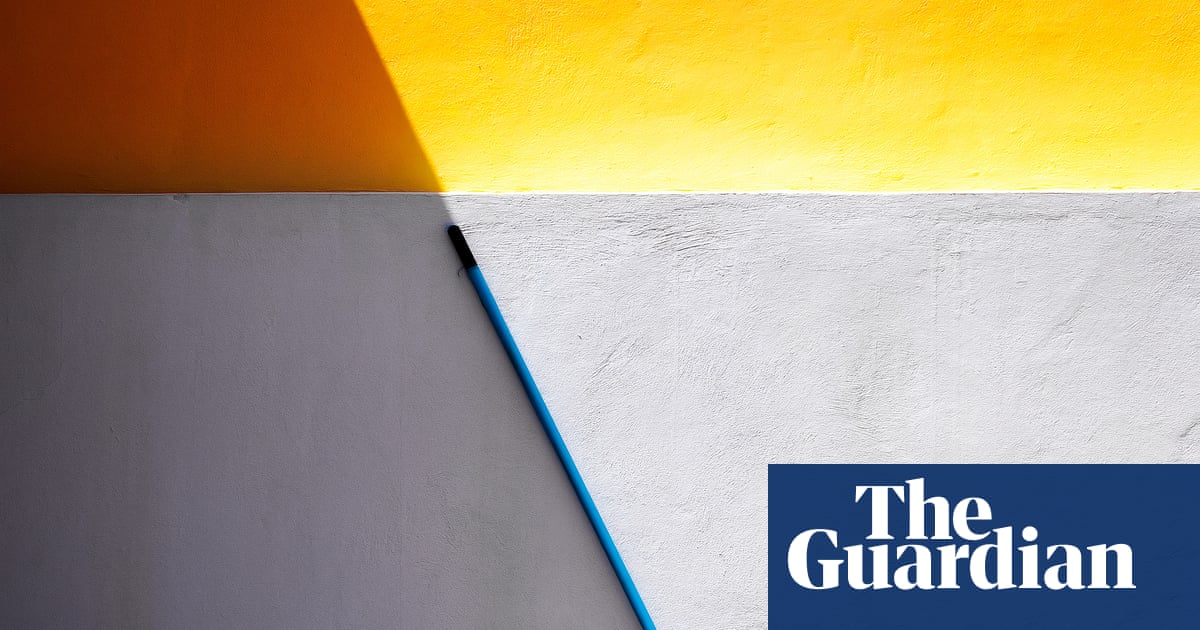
2 weeks agoThe shadows, the figures playing basketball I waited for the magic to appear then it did': Jose Luis Morales Martin's best phone picture
Jose Luis Morales Martin captures the interplay of architecture and photography, emphasizing the emotional connection and artistry in both fields.
Photography
fromwww.theguardian.com
2 weeks agoThe shadows, the figures playing basketball I waited for the magic to appear then it did': Jose Luis Morales Martin's best phone picture
Jose Luis Morales Martin captures the interplay of architecture and photography, emphasizing the emotional connection and artistry in both fields.
fromwww.nytimes.com
4 days agoHow Technology Has Transformed Cinematography
The small, lightweight, inexpensive camcorder was a great liberator for filmmaking. Not only did it mark a significant leap in accessibility, it also made it easier for filmmakers to achieve the kind of raw, immediate visual language that had been established by directors like Spike Jonze in Video Days (1991).
Photography
Social media marketing
fromFstoppers
1 month agoShowcase Photography on Instagram in 2026 | Fstoppers
Instagram's algorithm has fundamentally shifted away from static photography, requiring photographers to adapt their content strategy and embrace storytelling to maintain audience reach and engagement.
fromSocial Media Explorer
1 month agoThe Proof is in the Paint: How to Shoot Before and After Photos That Actually Sell Your Bodywork - Social Media Explorer
In the collision repair industry, your visual portfolio is your entire sales pitch. If a stressed vehicle owner visits the website of a local auto body shop, the very first thing they look for is evidence of past miracles. A compelling before and after photo does the heavy lifting of building trust before they ever pick up the phone to ask for an estimate.
Cars
fromThe Verge
1 week agoAllow me to explain why I love this camera that can't shoot color
The GR IV Monochrome takes last year's Ricoh GR IV, strips out the color filter from the sensor, and replaces its built-in ND filter with a red filter for one-click contrast adjustment purely using optics.
Photography
#macro-photography

Photography
fromdesignboom | architecture & design magazine
1 month agoiridescent insect wings glow in chris perani's macro portraits series
Chris Perani's Wings series uses high-resolution imaging and focus stacking to reveal the microstructure, patterns, and material qualities of insect wings across multiple species.
Photography
fromdesignboom | architecture & design magazine
1 month agoiridescent insect wings glow in chris perani's macro portraits series
Chris Perani's Wings series uses high-resolution imaging and focus stacking to reveal the microstructure, patterns, and material qualities of insect wings across multiple species.
Artificial intelligence
fromEngadget
1 month agoYou can (sort of) block Grok from editing your uploaded photos
X and xAI introduced a feature allowing users to block Grok from modifying their uploaded images, but this limited measure fails to address widespread misuse of the image generation tool for creating nonconsensual intimate imagery.
Apple
fromFast Company
1 month agoPhotoshop's new AI assistant makes it easer than ever to edit images
Adobe launches an AI assistant for Photoshop Web and Mobile that enables intuitive photo editing through prompts, voice commands, and touch navigation, with results integrable into full Adobe creative workflows.
fromPetaPixel
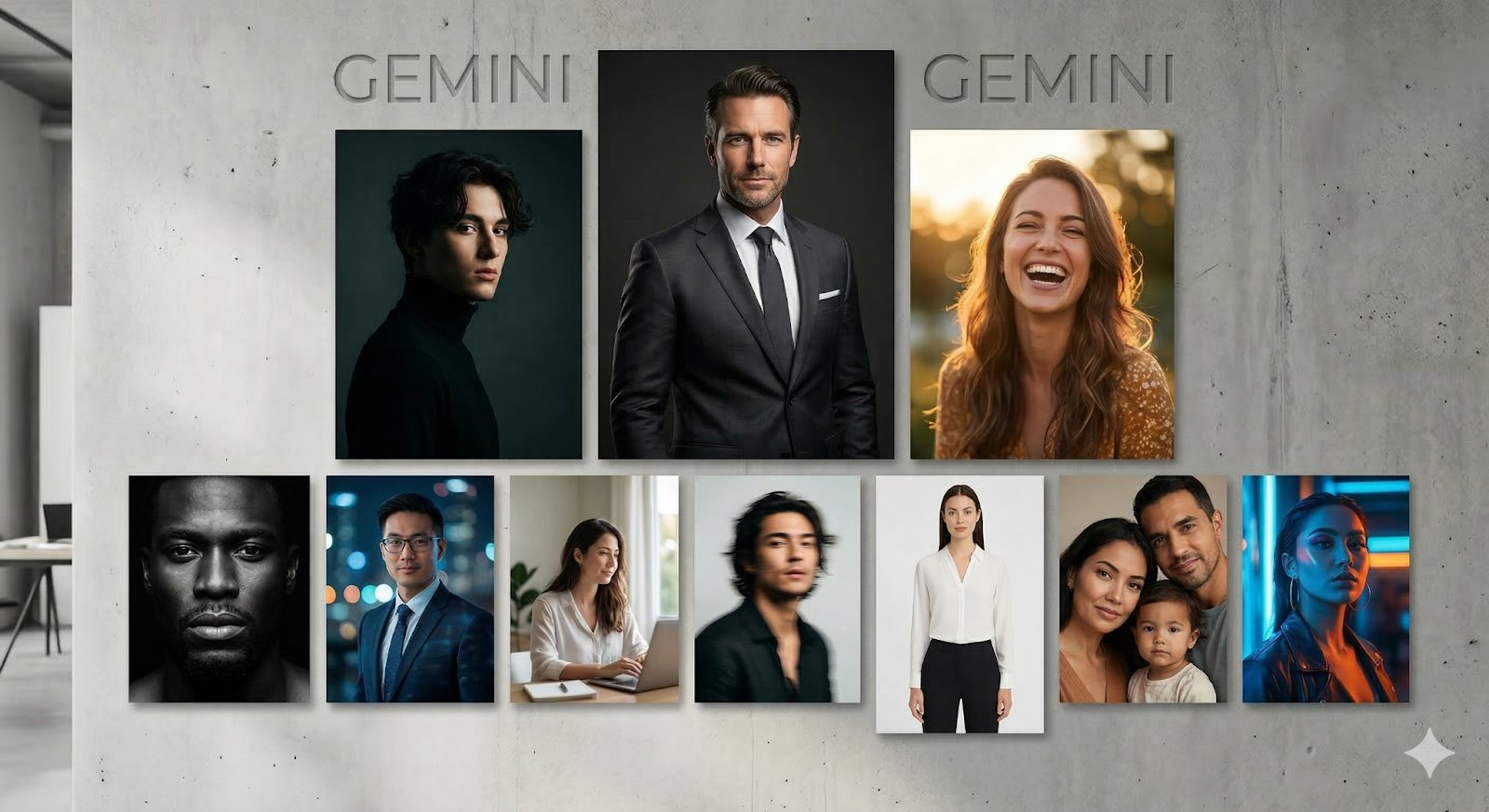
1 month agoGoogle's Pomelli Photoshoot Feature is Here to Hammer Nails into the Coffin of Photography
Introduced yesterday, Photoshoot uses Google's powerful generative AI tools, including Nano Banana, to create "professional" images of a product. Users simply click on 'Create a Product Photoshoot' and upload a photo of their product. It can be any photo, no matter how bad. "Don't worry about polish - we'll take care of it," Google says facetiously. From that user-generated image, Photoshoot will create various shot templates, including 'Studio', 'Floating', 'Ingredient', and 'In use'.
Marketing tech
fromGSMArena.com
2 months agoWhy Camera Hardware Is Back at the Centre of Smartphone Photography
In recent years, smartphone photography has become increasingly dominated by software. Computational imaging, AI processing, and post-capture optimisation now play a central role in how images are produced. Yet as these techniques become more widespread, camera hardware is once again emerging as a key differentiator. The REDMI Note 15 Pro 5G Series reflects this shift clearly, placing renewed emphasis on sensor capability and optical fundamentals rather than relying solely on software to define image quality.
Gadgets
Artificial intelligence
fromBusiness
1 month agoImage to Image AI: A Smarter Way to Transform and Enhance Visual Content - Business
Image to Image AI transforms existing photos into enhanced or stylized versions using artificial intelligence, eliminating the need for manual editing skills or complex tools.
fromThe Verge
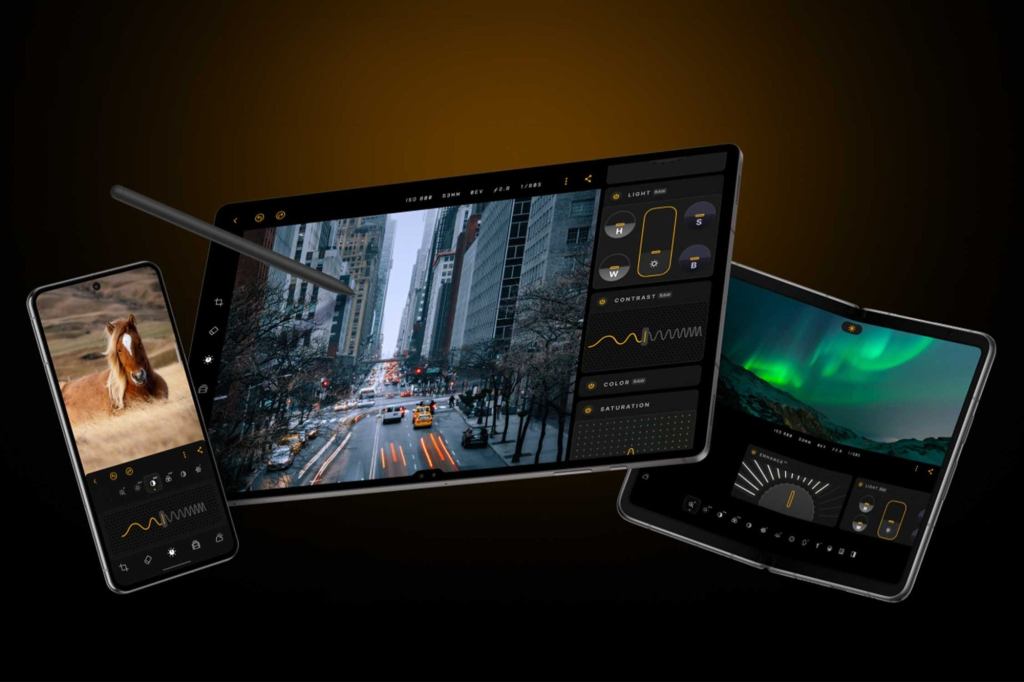
2 months agoGoogle adds a camera to Snapseed on iOS
The Snapseed camera defaults to an automatic mode, but also includes optional controls for ISO, shutter speed, and focus, along with flash and zoom. It allows you to shoot using saved looks and edit stacks from the app, which can be altered after the shot is taken, along with a range of preset film effects inspired by specific films from Kodak, Fujifilm, and more. There's even a handful of UI color themes to pick from too.
Mobile UX
fromZDNET
2 months agoI took 500 photos with the best Android camera phones at Grand Canyon - this model wins it for me
One of the key components of a modern-day phone is the camera setup. Most phones have multiple cameras, and their quality can vary, which is why, when we get the opportunity, we like to take multiple phones out and shoot side by side. While photos and photo quality are often subjective, it helps us determine which phones can really deliver, from a megapixel perspective.
Gadgets
fromThe Verge
1 month agoVibe camera shootout: Camp Snap Pro vs. Flashback One35 V2
Younger folks are snapping up old point-and-shoots because they view the aesthetic as more authentic and more appealing than smartphone images. Companies are even rereleasing old tech at new prices. And there are cameras like the original Camp Snap: a $70 single-button point-and-shoot with no screen, designed as a modern take on a disposable film camera. It's cheap enough to send off with a kid to summer camp and accessible enough for just about anyone to enjoy its lo-fi aesthetic.
Gadgets
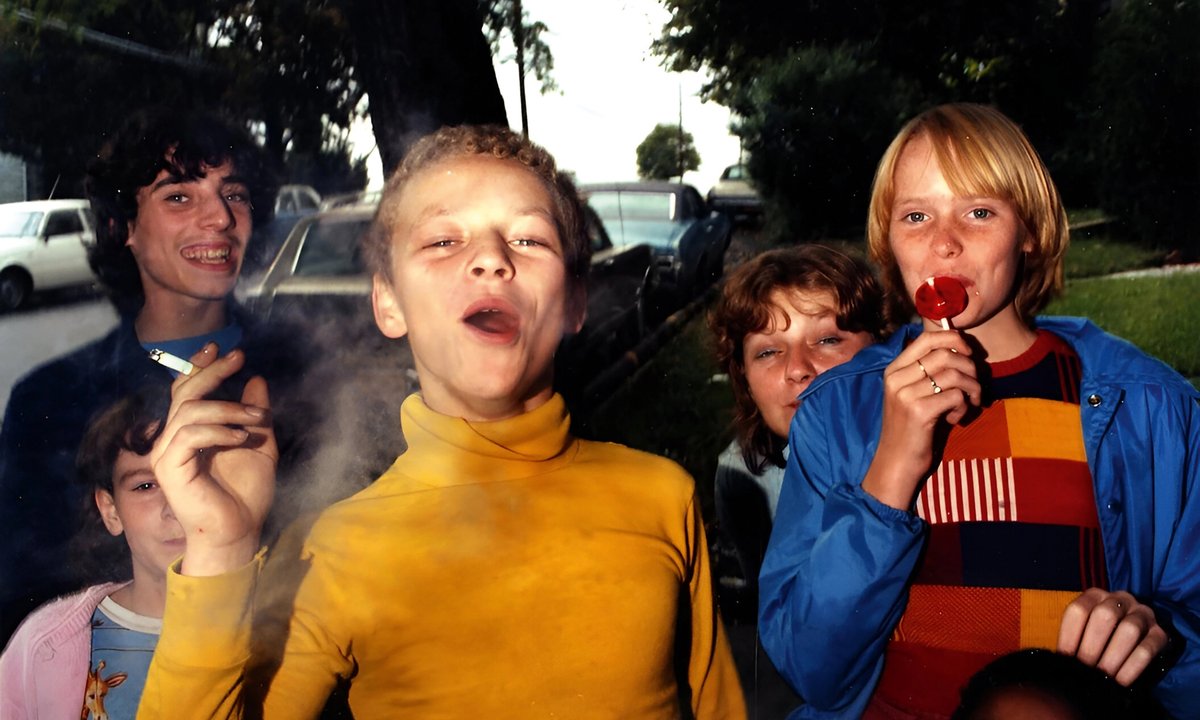
fromThe Verge
2 months agoProcess Zero II will let you do a little processing, if you want
This update includes the next iteration of the app's much-discussed Process Zero mode, adding HDR and ProRAW support to what is intended to be a hands-off, anti-computational image processing method. There's a new black-and-white film simulation that also supports HDR, and more new "Looks" to come. This is my semi-regular cue to remind you that HDR is not a dirty word. We tend to associate the term with an over-processed look when high-contrast scenes are translated to an SDR display.
Photography
Photography
fromdesignyoutrust.com
1 month agoStunning Digital Storytelling Landscapes By Prismofpixels, Turning Quiet Streets And Town Squares Into Cinematic Moments Of Color And Light
A curated collection of diverse visual works spanning paintings, photography, design, and historical images across eras, genres, and artistic mediums.
fromArtforum
1 month agoFoto Estudio Luisita
For the Escarrias-petite sisters of African descent born ten months apart in Cali, Colombia-commercial photography was in their family DNA. Their parents established a studio in their hometown that was overseen by their mother after their father's early demise. The siblings learned the family trade, and when they fled the country's civil war in 1958, they quickly reestablished the studio in Buenos Aires.
Photography
[ Load more ]