Whether it's investigating the financials of Elon Musk's pro-Trump PAC or producing our latest documentary, 'The A Word', which shines a light on the American women fighting for reproductive rights, we know how important it is to parse out the facts from the messaging. At such a critical moment in US history, we need reporters on the ground. Your donation allows us to keep sending journalists to speak to both sides of the story.
The Parents of Ireland Survey 2026 gathered responses from 1,878 parents of school-going children nationwide, offering a detailed snapshot of Irish family life
The guidance from Ofcom, the UK communications regulator, to combat misogynist abuse, coercive control and the sharing of intimate images without consent comes into force on Tuesday and includes recommendations to prevent women being harried online. The measures suggest tech companies enforce limits on the number of responses to posts on platforms such as X, in a move that Ofcom hopes will reduce pile-ons, where individual users are deluged with abusive replies to their posts.
Children and teens are surrounded by technology, and it is imperative to set them up for success. Developing digital literacy among youth is a critical part of child-rearing today. Digital literacy, according to the United Nations Educational, Scientific, and Cultural Organization (UNESCO; 2018) is "the ability to access, manage, understand, integrate, communicate, evaluate and create information safely and appropriately through digital technologies." There are many areas of competence within digital literacy, one of which is safety (UNESCO, 2018).
Since the early days of the internet, with AOL chatrooms and online bulletin boards, there have been unhealthy, dangerous, and predatory individuals who used these electronic environments to act inappropriately towards minors. Children and adolescents have received disturbing sexual comments and solicitations from online creeps. Sometimes, these individuals would attempt to meet up with the children, even sometimes traveling across the country to meet the child in person.
"There's evidence between social media use and harms to the mental health and wellbeing of young people. While there can be benefits in social media use, the risk of harms may be increased for young people as they do not yet have the skills, experience or understanding to navigate complex social media environments."
In late September, The Guardian reported that Meta used back-to-school photos of teenage girls to advertise the Threads app to fully grown men. Girls as young as 13. These photos were posted by regular moms on Facebook and Instagram, some of whom had their profiles set to private. The photos of girls in their school uniforms appeared in-feed as advertisements resembling organic "suggested" threads posts, or were outright cross-posted without consent. Their faces weren't hidden or blurred.
During the sign-up process, new members complete a "liveness check" by taking a short video selfie within the app. The procedure collects and stores an encrypted map of information about the shape of the user's face. "We don't store a picture of your face, it's not photo recognition, it's data points about the shape of your face that are turned into a mathematical hash," says Yoel Roth, head of Trust and Safety for Match Group, which owns Tinder. Tinder then uses that "hash" to check whether a new sign-up matches an account that already exists on Tinder.
Recent years have seen alarming increases in youth self-harm and suicidal thoughts. Parents, educators, and mental health experts are naturally concerned, and many blame social media. Governments have begun taking notice as well. In Australia, for instance, the Online Safety Amendment (Social Media Minimum Age) Bill will soon make it illegal for young people under 16 to access major social media platforms, effective December 2025.
Whether it's investigating the financials of Elon Musk's pro-Trump PAC or producing our latest documentary, 'The A Word', which shines a light on the American women fighting for reproductive rights, we know how important it is to parse out the facts from the messaging. At such a critical moment in US history, we need reporters on the ground. Your donation allows us to keep sending journalists to speak to both sides of the story.
From reproductive rights to climate change to Big Tech, The Independent is on the ground when the story is developing. Whether it's investigating the financials of Elon Musk's pro-Trump PAC or producing our latest documentary, 'The A Word', which shines a light on the American women fighting for reproductive rights, we know how important it is to parse out the facts from the messaging.
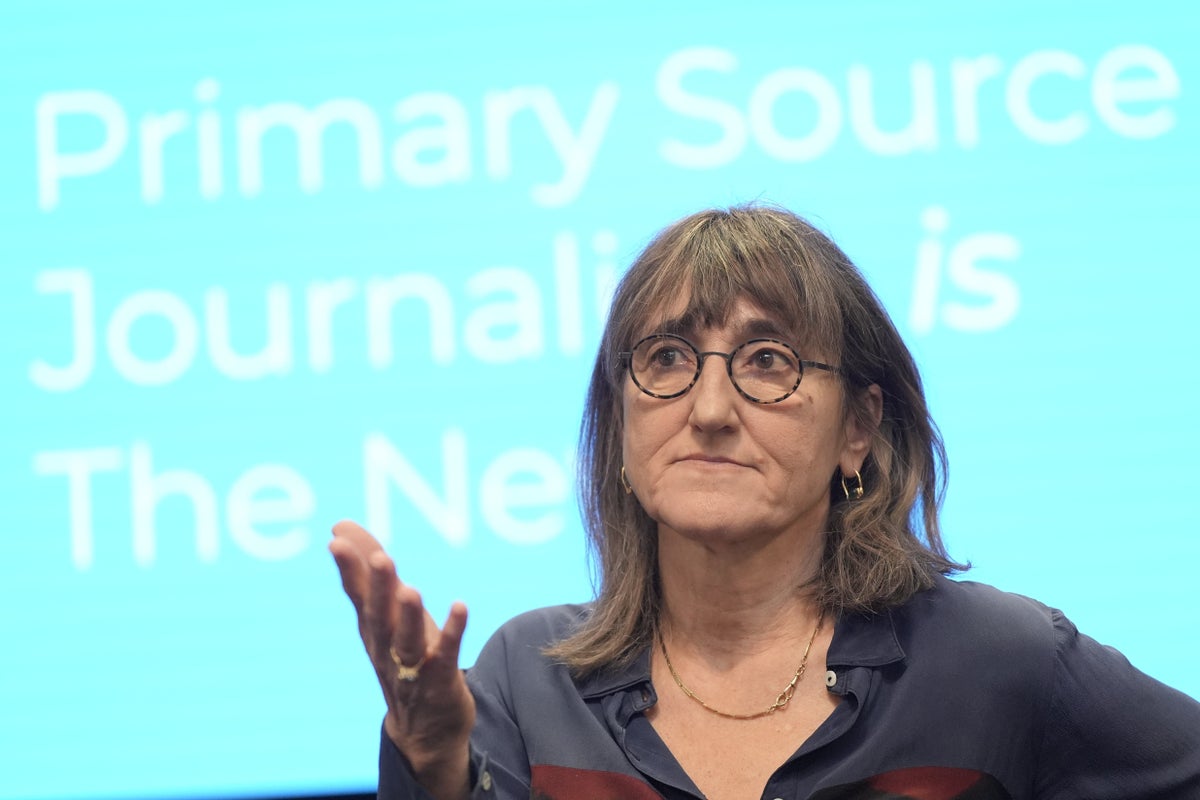
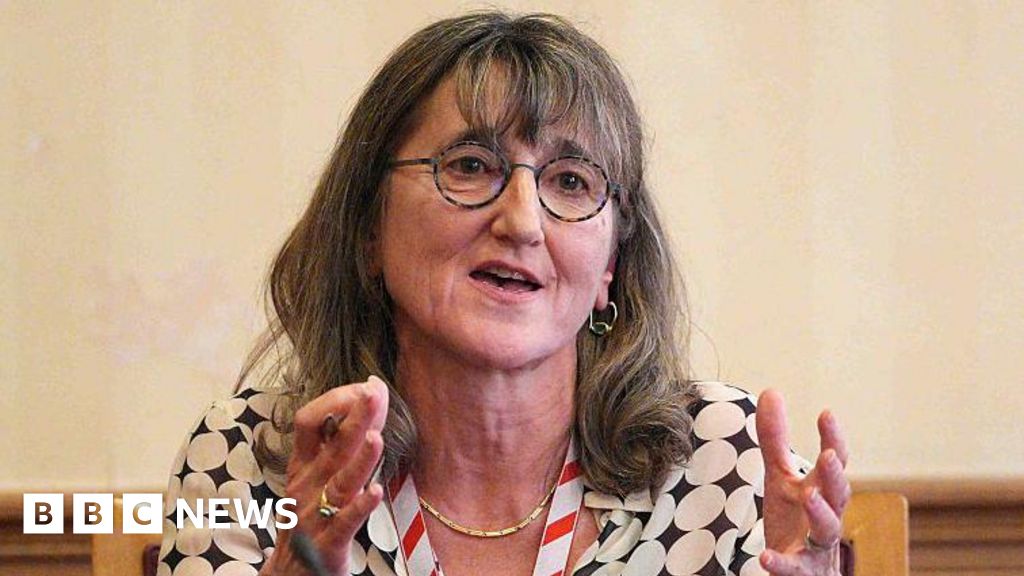
The startup was founded by Nino Dvalidze (pictured), an entrepreneur and a mother of two from the United Kingdom. Dvalidze told TechCrunch that the idea for Young Minds came from conversations with fellow parents, who are also worried about how to keep their children safe, while also allowing them to have access to the internet, which, she admitted, is "enormously helpful in terms of education and exploration and connection with so many people outside of your immediate zone of contacts."