Books
fromThe New Yorker
1 day agoBriefly Noted Book Reviews
Adora's life changes when she falls for a man, leading to a comedic and adventurous journey while navigating independence with her friends.
What does it mean to subscribe to something? Whether we mean a belief or a magazine, the definition is complicated. I began subscribing to The New Yorker when I was a sophomore in college; more than 30 years later, I have yet to stop and I feel strongly that I never will. Yet during some of those years-okay, many of them-the weekly issues have piled up in my home and gone mostly unread between biannual days of bingeing and purging. If these reading habits could somehow be converted into digital clicks, the resulting "traffic report" might look like I don't want the product at all.
"Race Against Time: A Reporter Reopens the Unsolved Murder Cases of the Civil Rights Era" quickly became one of my favorite nonfiction books written by a journalist. I appreciated how he showed the grueling, day-to-day work local journalism requires, and how many layers of people fought him in revealing the despicable work of the Ku Klux Klan.
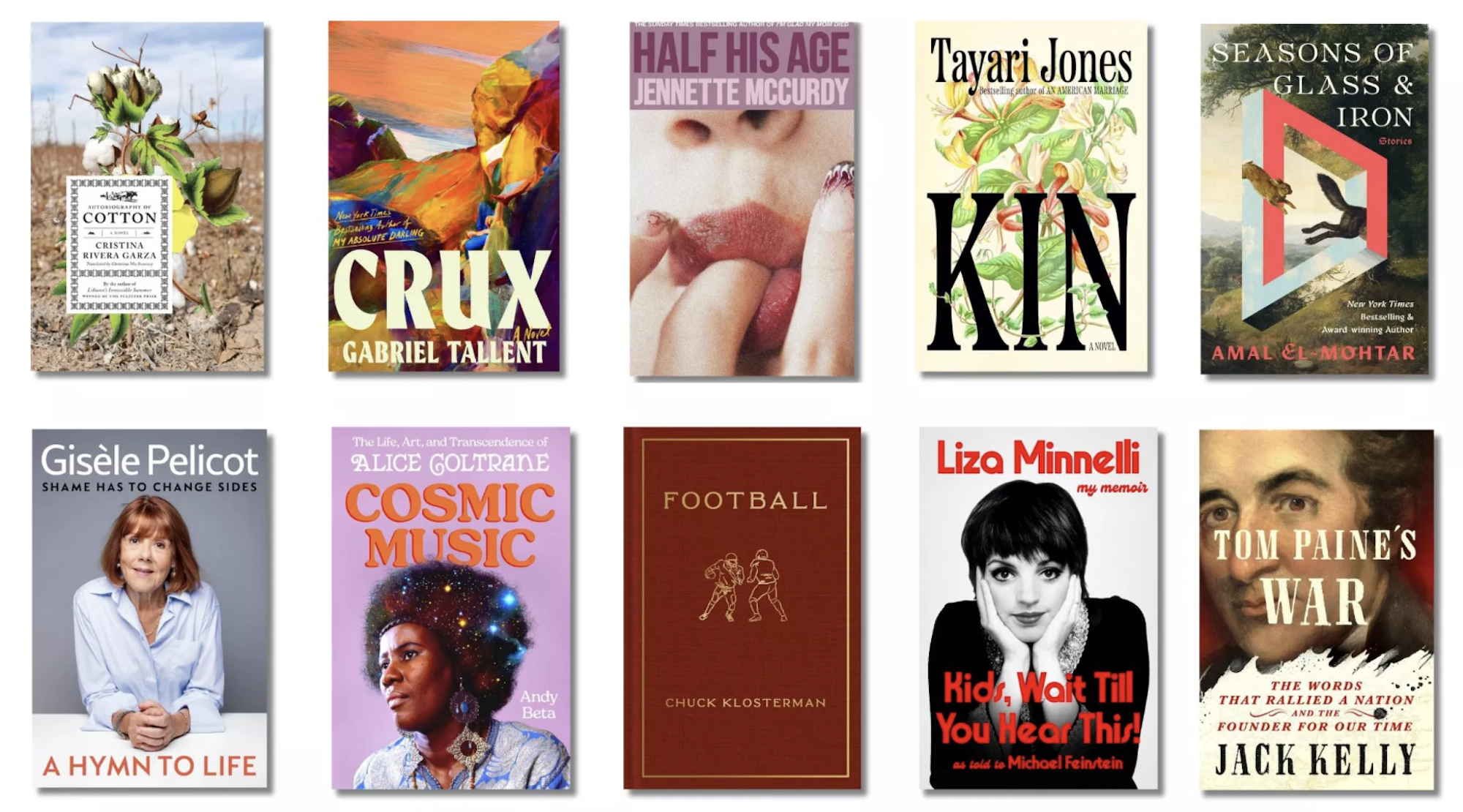
Two fiction books about good friends coming from different circumstances. Two biographies of people whose influence on American culture is, arguably, still underrated. One Liza Minnelli memoir. These are just a handful of books coming out in the first few months of 2026 that we've got our eye on. Fiction 'Autobiography of Cotton' by Cristina Rivera Garza, Feb. 3 Garza, who won a Pulitzer in 2024 for memoir/autobiography, actually first published Autobiography of Cotton back in 2020, but it's only now getting an English translation.
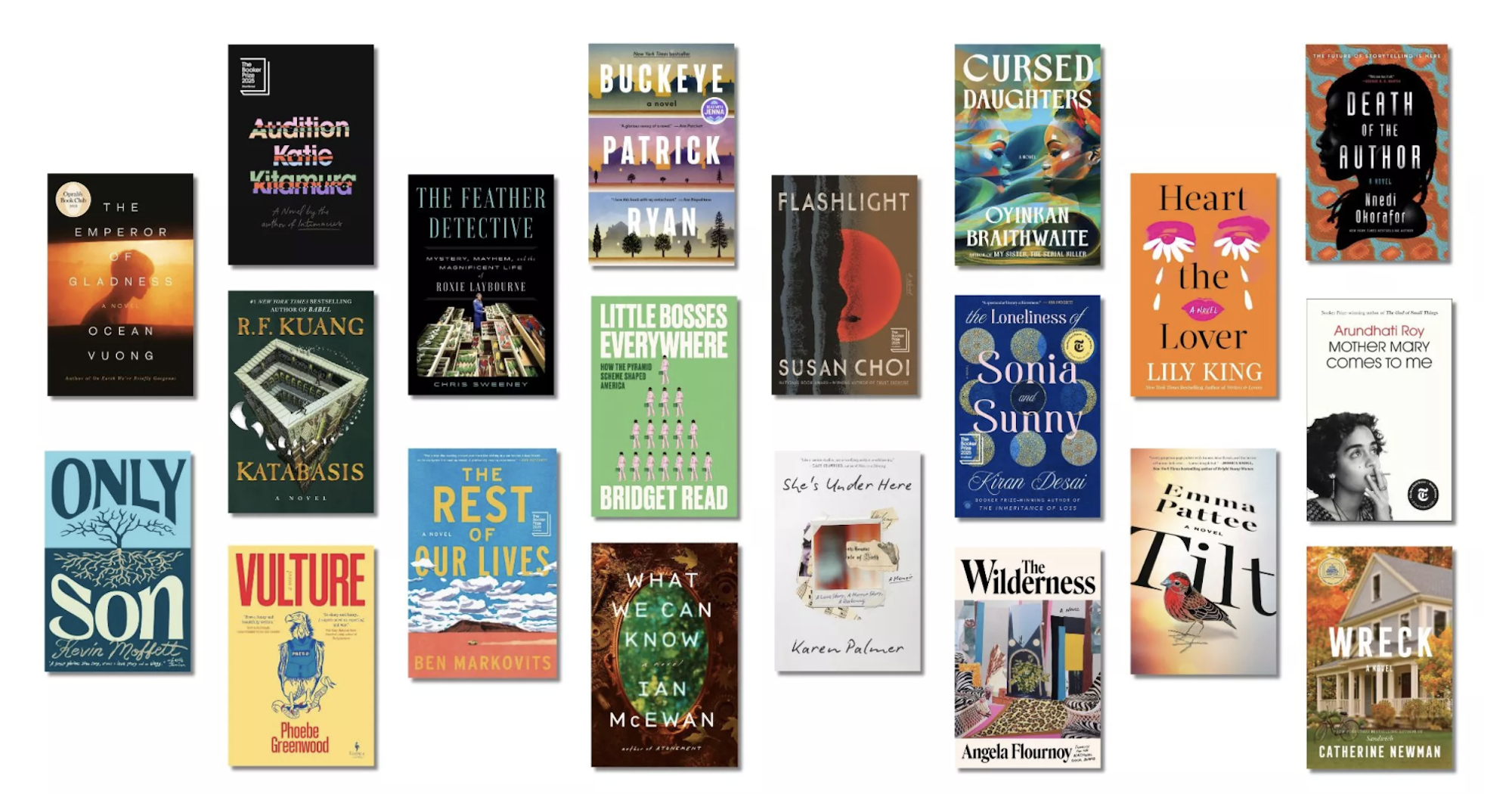
I guess I could explain the plot to you: An actress meets up with a man who is convinced she's his mother. It turns out she's not. I think? Maybe she is? Or, maybe she's not but actually kind of is? What is a mother? The most impressive thing about this Booker Prize finalist is how Katie Kitamura plays with the narrative and toys with the reader without being overly clever about it all. She's stingy with details and answers, but generous with intrigue and depth.
We meet him as a Gumby-like figure, asleep on a dirt floor, with only a jug of water and a toy horse. He has no idea how he got there. When he's around seventeen years old, Kaspar meets his captor, rendered in the book as a shadowy, hatch-marked father: "The Man in Black." The man teaches him to write his name; he teaches him to take a few fumbling goose steps outside.
Dilara, the protagonist of this début novel, is consumed by the absence of a stable home in her life. She and her family flee Turkey, where she is from, after a failed coup in 2016. When they end up in Italy, something inexplicable happens: Dilara's bathroom transforms into a cell in an infamous prison on the outskirts of Istanbul.
What does it mean to dig into the past, to uncover obscure facts about bygone decades or centuries and bring them to light in 2026? There's a lot of that in this rundown of February books, everything from a clear-eyed look at someone who history has depicted as a monster to investigations into the past situated a little closer to home.
If you're hunkering down ahead of the big winter storm this weekend, we want to make sure you're well prepared. Yes, with batteries, flashlights, toilet paper, and food but perhaps most importantly with good reading material. We looked back through some recent interviews and Books We Love, our annual year-end reading guide, to find snowy suggestions to get you through the storm.
This devastating début novel takes the form of an oral history about a tragedy that shatters a family. At its heart is a couple who arrived in the U.S. in the late nineteen-nineties as refugees from Afghanistan. They prospered, and brought up four children in an affluent suburb in Virginia. Rotating testimonies from people they know-family friends, a cousin, lawyers-offer theories about what led to the novel's central catastrophe.