#navigation-incidents
#navigation-incidents
[ follow ]
#strait-of-hormuz #iran #maritime-security #us-iran-relations #oil-prices #ceasefire #blockade #shipping #us-navy




fromTravel + Leisure
2 days agoWhat Travelers Need to Know about Insurance for a Cruise-and What It Won't Cover
"We commonly see travelers buying coverage without fully understanding what is included and excluded. We always recommend that cruisers opt for comprehensive coverage versus medical-only plans and also consider cruise-specific policies like the ones featured on our website."
Travel
fromFortune
6 days agoU.K. won't take part in Trump's planned blockade of Hormuz strait | Fortune
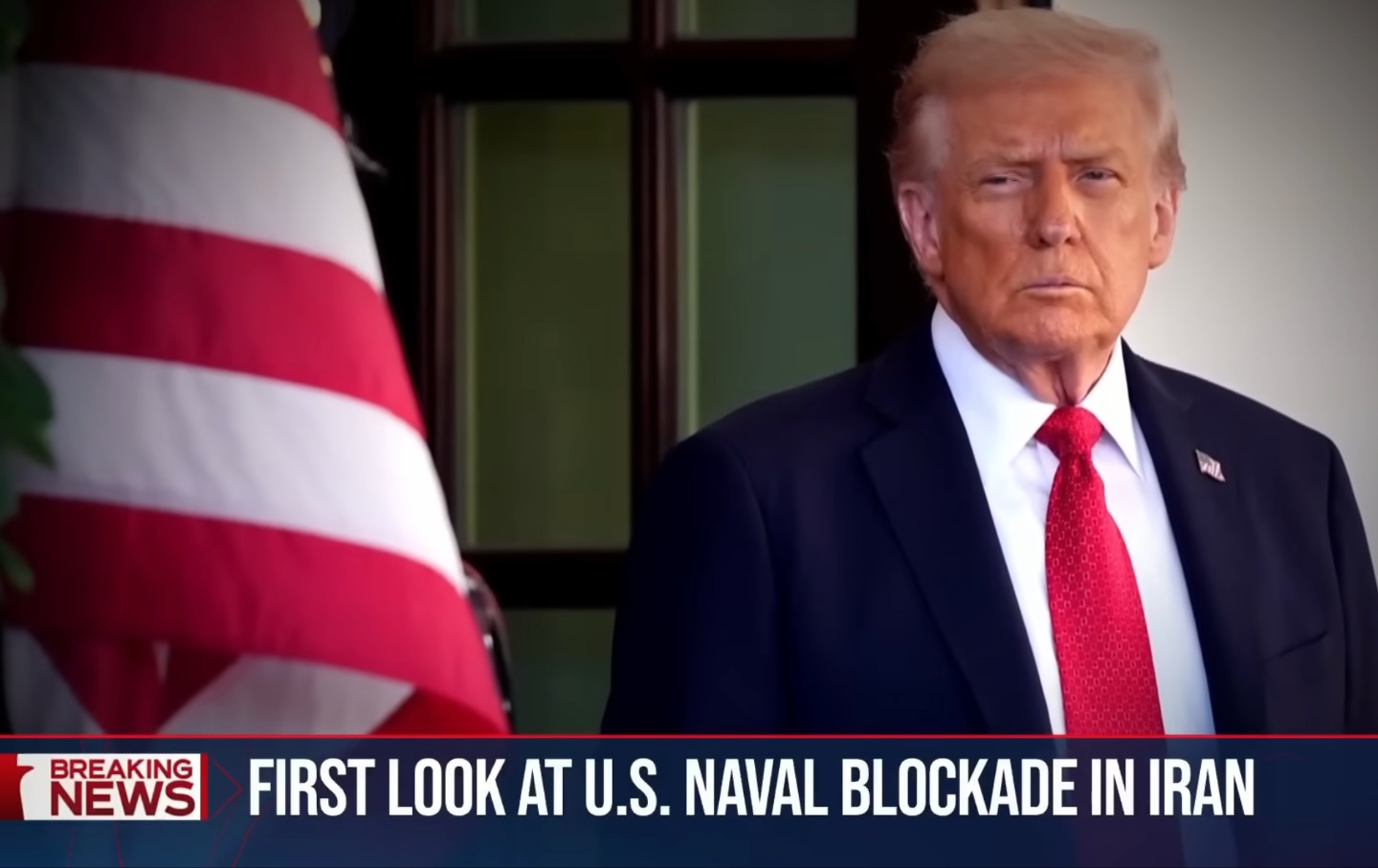
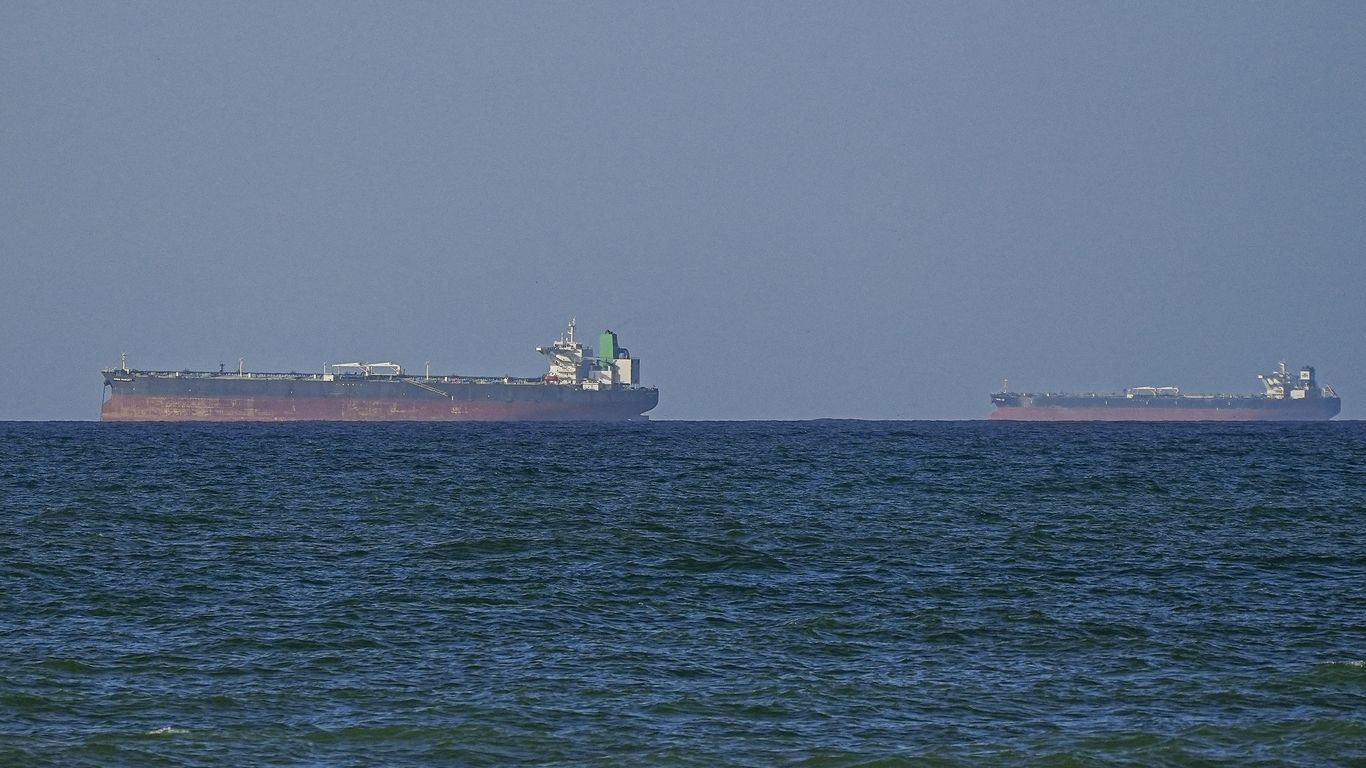
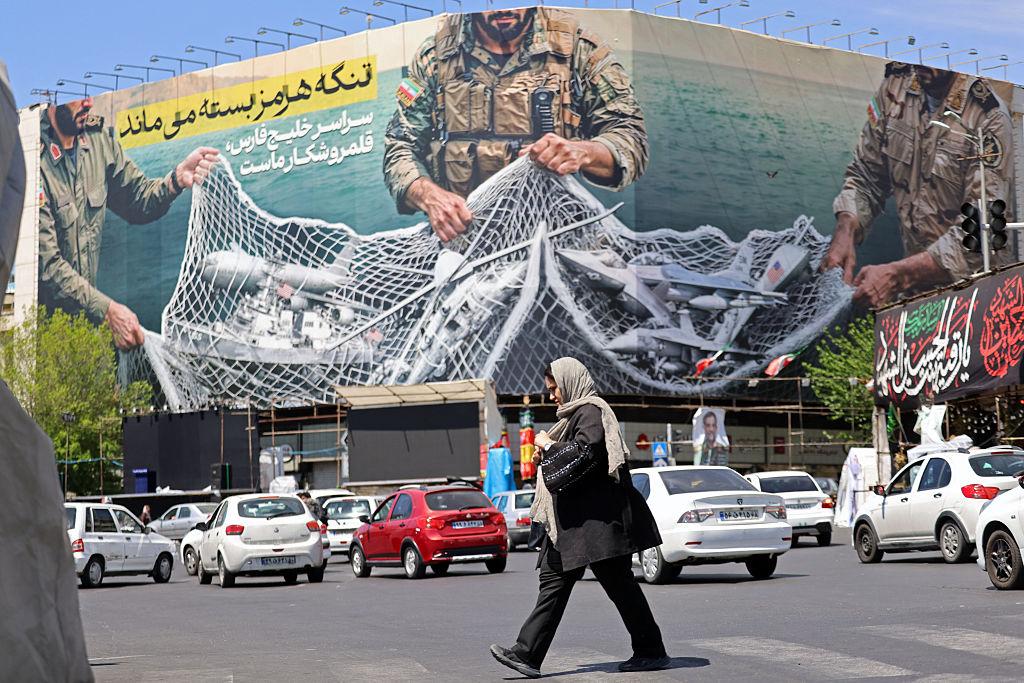
Effective immediately, the United States Navy, the Finest in the World, will begin the process of BLOCKADING any and all Ships trying to enter, or leave, the Strait of Hormuz. Any Iranian who fires at us, or at peaceful vessels, will be BLOWN TO HELL.
UK politics


#us-iran-relations


World news
fromFortune
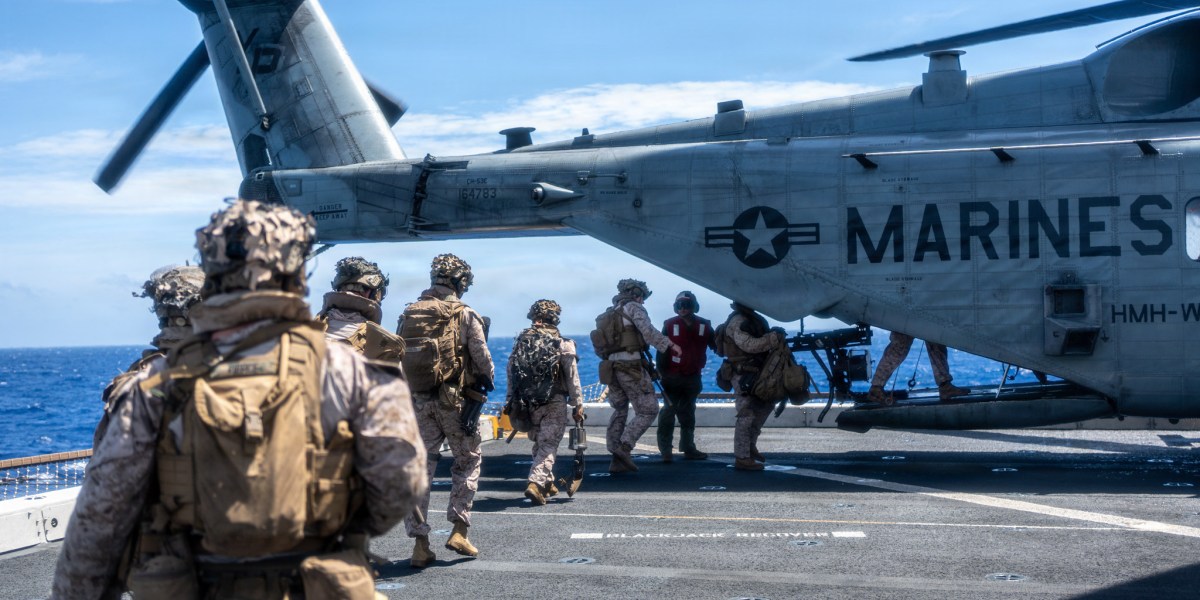
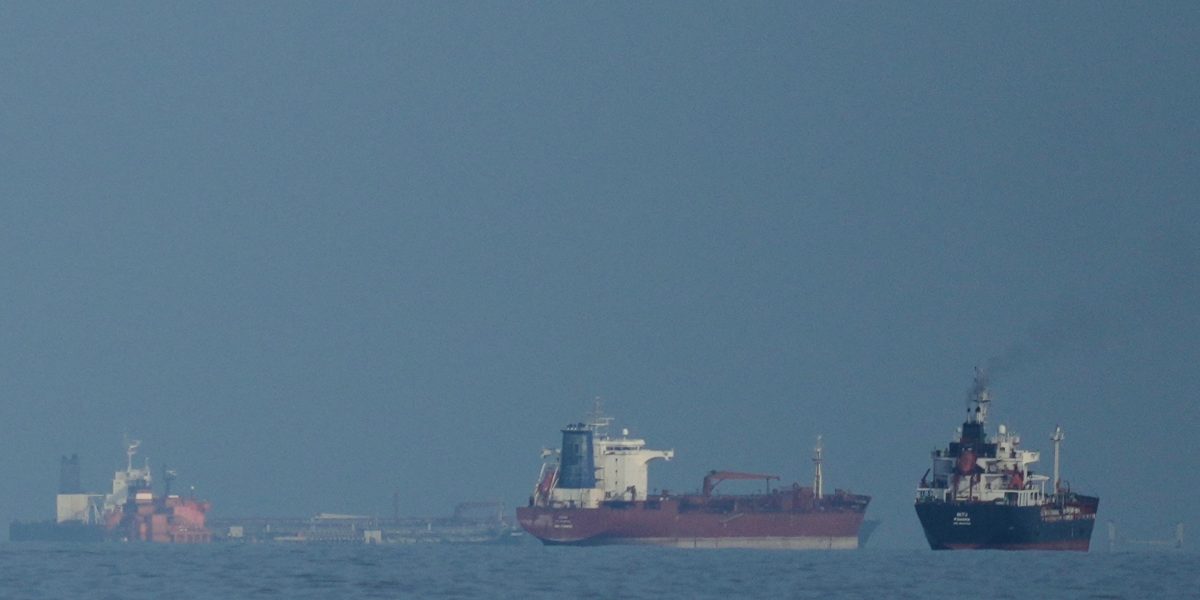
20 hours agoThe U.S. is ready to seize Iran-linked ships with boarding parties, report says, while Marines practice maritime raids | Fortune
The fragile ceasefire between the U.S. and Iran deteriorated, escalating tensions in the Strait of Hormuz and impacting global shipping and energy markets.
World politics
fromLondon Business News | Londonlovesbusiness.com
6 days agoFears of Gulf escalation grows as US Hormuz blockade raises risk of wider conflict
Potential military escalation in the Gulf could disrupt shipping through the Strait of Hormuz, impacting global energy markets and increasing inflation.
fromwww.scientificamerican.com
1 month agoGPS spoofing is scrambling ships in the Strait of Hormuz
In the two weeks since the U.S. and Israel launched attacks against Iran, thousands of vessels have experienced navigation interference in the Persian Gulf. Commercial shipping through the strait, which carries roughly 20 percent of the world's oil, has nearly ground to a halt. Though rocket and drone attacks are also to blame, another major hazard is GPS spoofing—the transmission of counterfeit satellite navigation signals.
Science
fromWIRED
2 weeks agoThe Broken System That Keeps Shipping Crews Stranded in the Strait of Hormuz
When the war broke out, we put a Warlike Operations Area Committee in place to address the protection of seafarers in the region. The organization has identified certain maritime routes in the region, including the Arabian Gulf, the Strait of Hormuz, and some parts of the Gulf of Oman as high-risk areas, encouraging ship owners to allow seafarers to terminate contracts if they choose not to operate in those zones.
World politics
US news
fromBusiness Insider
1 month agoA US Navy oiler ran hard aground after its captain urged a last-minute shortcut: 'Let's try to shoot the gap'
A US Navy fuel ship ran aground in September 2024 after the captain ordered a risky shortcut through restricted waters, causing over $20 million in damage due to poor decisions and failure to follow navigation procedures.
World politics
fromwww.aljazeera.com
1 month agoAdvocates push for major probe as US boat strikes in Latin America kill 157
The Inter-American Commission on Human Rights will hold its first hearing on alleged US extrajudicial killings during military strikes against suspected drug-smuggling boats in the Caribbean and eastern Pacific that began in September, with nearly 157 people killed and minimal public information released.
fromLondon Business News | Londonlovesbusiness.com
3 weeks agoUAE ready to join maritime multinational force to reopen Strait of Hormuz
The UAE is advocating for a broad international coalition and is working with Bahrain on a proposed United Nations Security Council resolution to provide legal backing for the force.
World news
#middle-east-conflict
World news
fromwww.aljazeera.com
1 month agoMaritime insurers cancel war risk cover in Gulf: Will it spike energy cost?
Insurance companies are cancelling war risk coverage for Middle East Gulf vessels as US-Israel-Iran conflict disrupts shipping, damages tankers, and strands approximately 150 ships near the Strait of Hormuz.
fromRadioFreeEurope/RadioLiberty
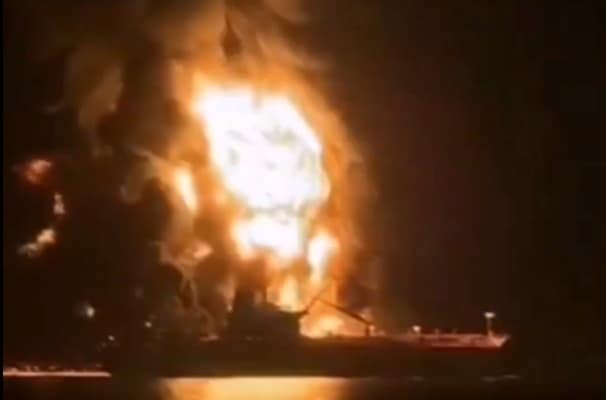
1 month agoGeorgian Sailors Survive Iranian Attack On Ship Off Iraqi Coast
I spoke with him around midnight and everything was fine. Then he called me again around 2:30 a.m. and quickly said: 'We're all okay, everyone survived.' Later in the morning, she said, her husband told her that a drone had struck their tanker, triggering a fire that heavily damaged the vessel.
World news
World news
fromFortune
2 months agoThe U.S. has 3 of the world's 240 icebreakers, the crucial shipping technology that would unlock Greenland | Fortune
U.S. plans for Greenland are constrained by pervasive Arctic ice and a critical shortage of icebreakers, leaving limited, geopolitically fraught procurement options.
[ Load more ]