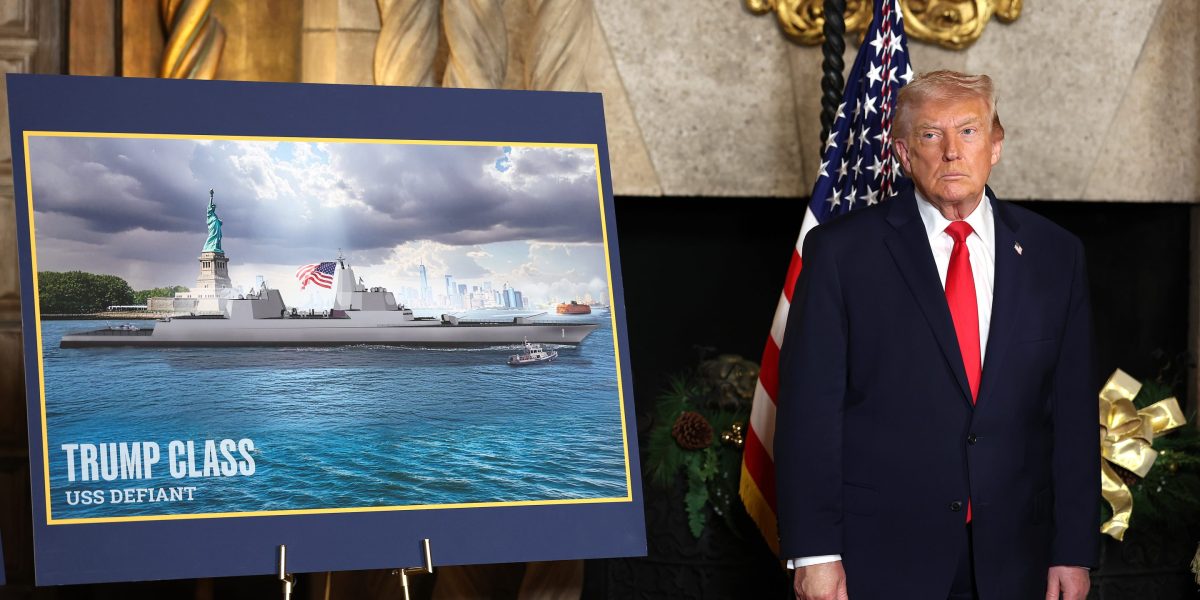
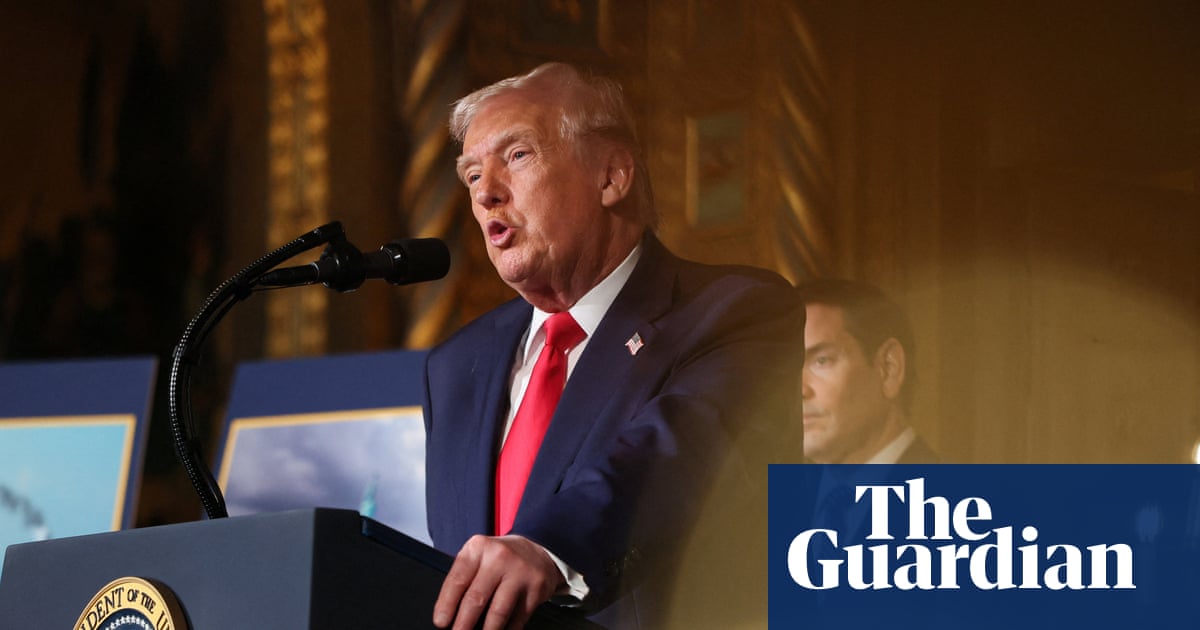
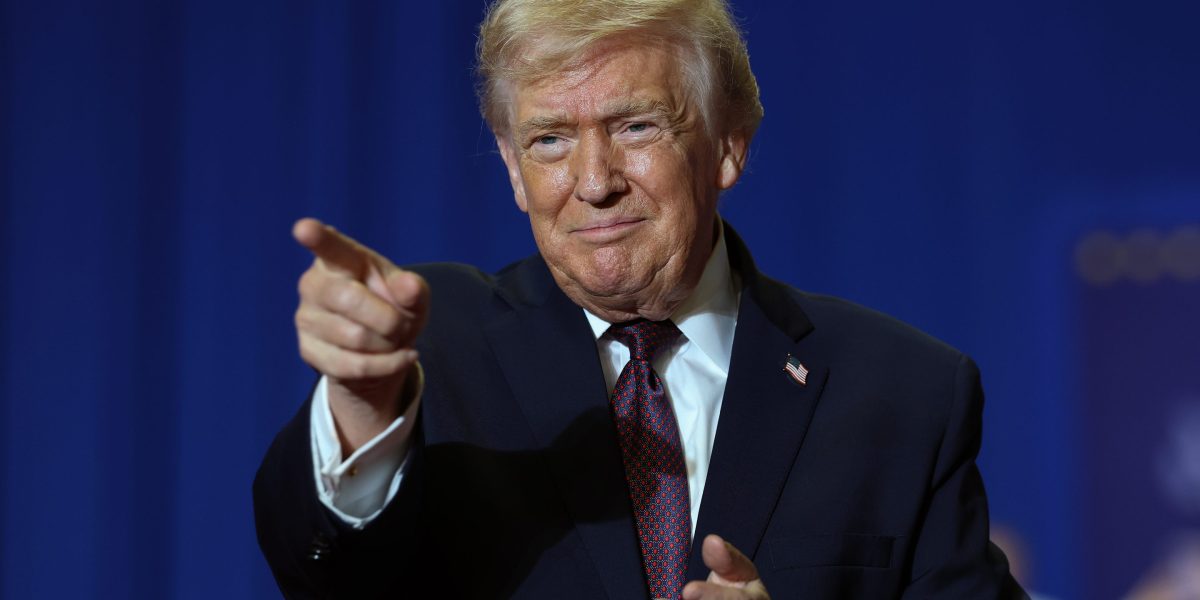
Just when you thought it was safe to go back in the water. Donald Trump has announced plans for the US navy to build a new generation of warships known as Trump-class. The ships will be bigger, faster and a hundred times more powerful than any previous US-built warship, the president said on Monday. The project will begin with construction of two such battleships and eventually be expanded to 20 to 25 new vessels.
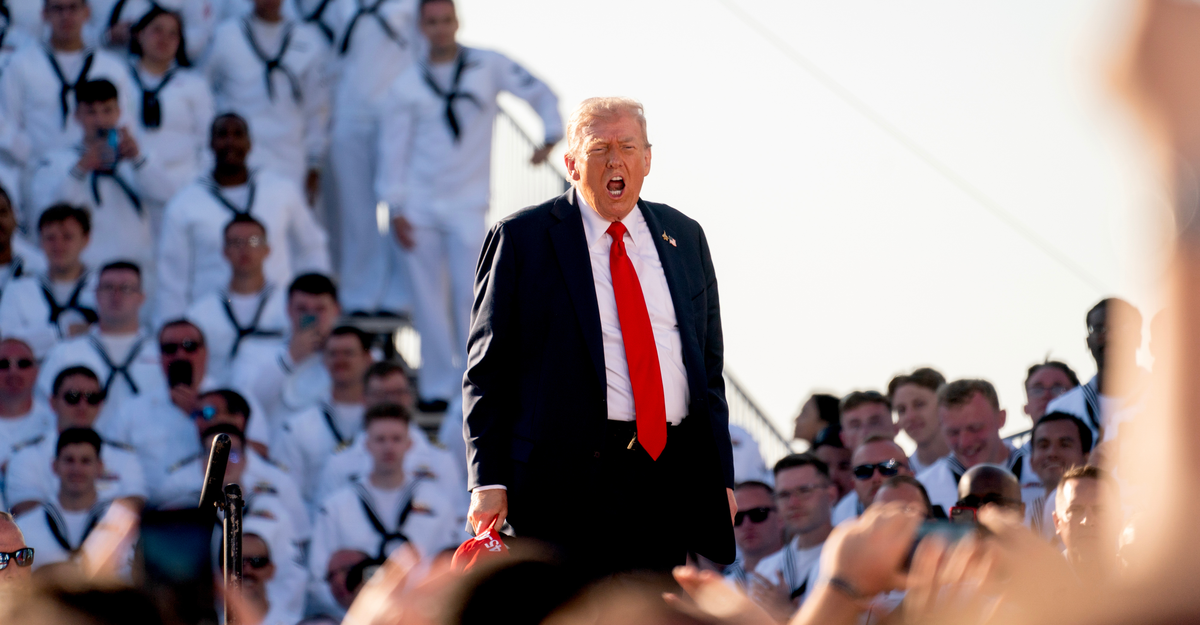
President Donald Trump on Monday shared details about new additions to what he's calling the US Navy's "Golden Fleet." Two "Trump-class" ships, which the president described as "battleships," were announced Monday afternoon at a press conference. Trump said they would be "AI-controlled" and have "lasers," and he said that the design would be led by the US Navy with his aesthetic input.
Vice Adm. Curt Renshaw, the head of US Naval Forces Central Command, said the "first successful launch of LUCAS from a naval vessel marks a significant milestone in rapidly delivering affordable and effective" drones to American military personnel. The drone launched from the Santa Barbara belonged to a new squadron based in the Middle East that operates the LUCAS systems, one-way attack drones that resemble the Iranian-designed Shahed-136 widely used by Russia in attacks against Ukraine.
A US Navy aircraft carrier's hard evasive turn to avoid enemy missile fire caught crewmembers off guard and sent a $60 million F/A-18 Super Hornet rolling off the deck and into the Red Sea, an investigation into the fighter jet loss revealed. The fighter's brakes weren't functioning properly, investigators found, allowing the jet to slide across the deck when the carrier USS Harry S. Truman abruptly changed course during the late April action. Poor communication, bad brakes, and a slippery surface all contributed to the loss.
Announced on social media site X by Secretary of the Navy John Phelan, the decision means the Constellation class of frigates will be limited to the two ships currently under construction, instead of the 20 that were planned. Phelan said he wanted to reshape how the Navy builds and fields its fleet, and axing the Constellation class is the first step toward this goal.
Long-range drone ships could transform Pacific warfare, expanding a navy's reach while keeping sailors out of harm's way. An American company building these kinds of ships with the Navy's needs in mind says it has successfully tested its technology in the water, bringing the innovative vessel a major step closer to becoming reality. Blue Water Autonomy is the first to test larger, long-range interchangeable ship-scale systems in an iterative way on the water, its leadership told Business Insider.
A US Navy F/A-18F Super Hornet and an MH-60R Sea Hawk helicopter crashed in separate incidents on Sunday in the South China Sea, the US Pacific Fleet said. Both military aircraft had been deployed from the USS Nimitz and went down 30 minutes apart from each other during routine operations, the Navy said in a statement on Sunday. "All personnel involved are safe and in stable condition. The cause of both incidents is currently under investigation," it said.
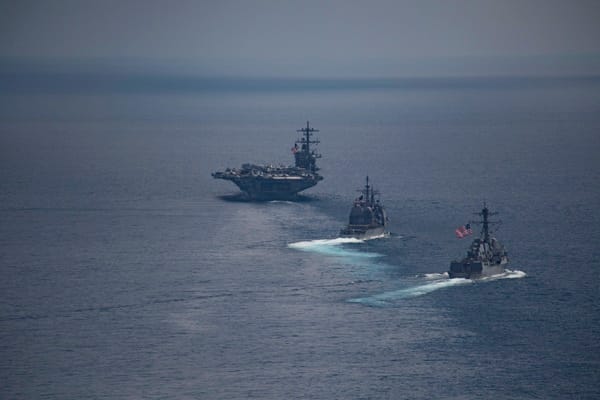
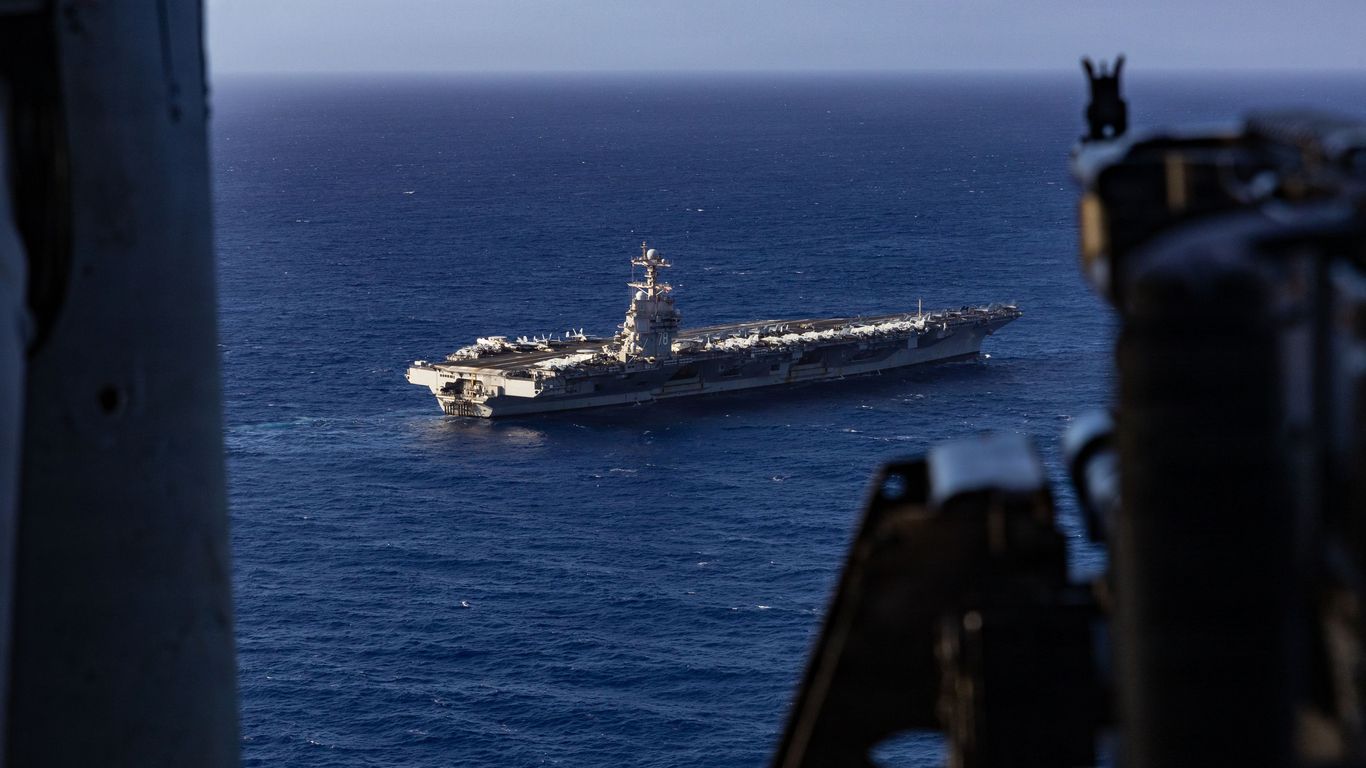
The U.S. military is sending an aircraft carrier to the waters off South America, the Pentagon announced Friday, in the latest escalation of military firepower in a region where the Trump administration has unleashed more rapid strikes in recent days against boats it accuses of carrying drugs. Defense Secretary Pete Hegseth ordered the USS Gerald R. Ford and its strike group to deploy to the U.S. Southern Command region to "bolster U.S. capacity to detect, monitor, and disrupt illicit actors and activities that compromise the safety and prosperity of the United States," Pentagon spokesman Sean Parnell said on social media.
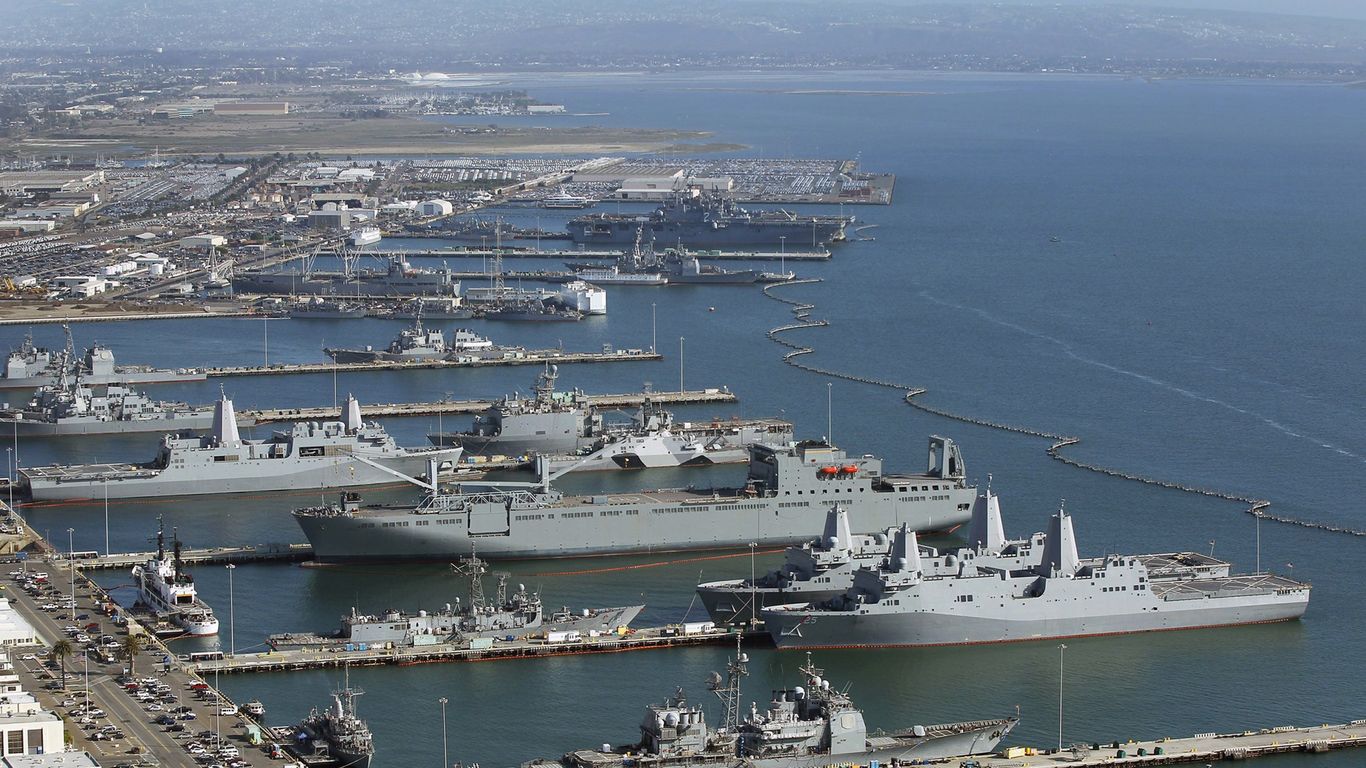
In terms of world air forces, the U.S. Navy ranks as the second largest, coming in just behind the U.S. Air Force and just ahead of China and Russia. With such an impressive fleet, the USN is capable of projecting power worldwide from the decks of its aircraft carriers. This incredible reach is further sustained by ongoing training, industrial depth, and continual modernization, which keep the USN as one of the premier global air powers.
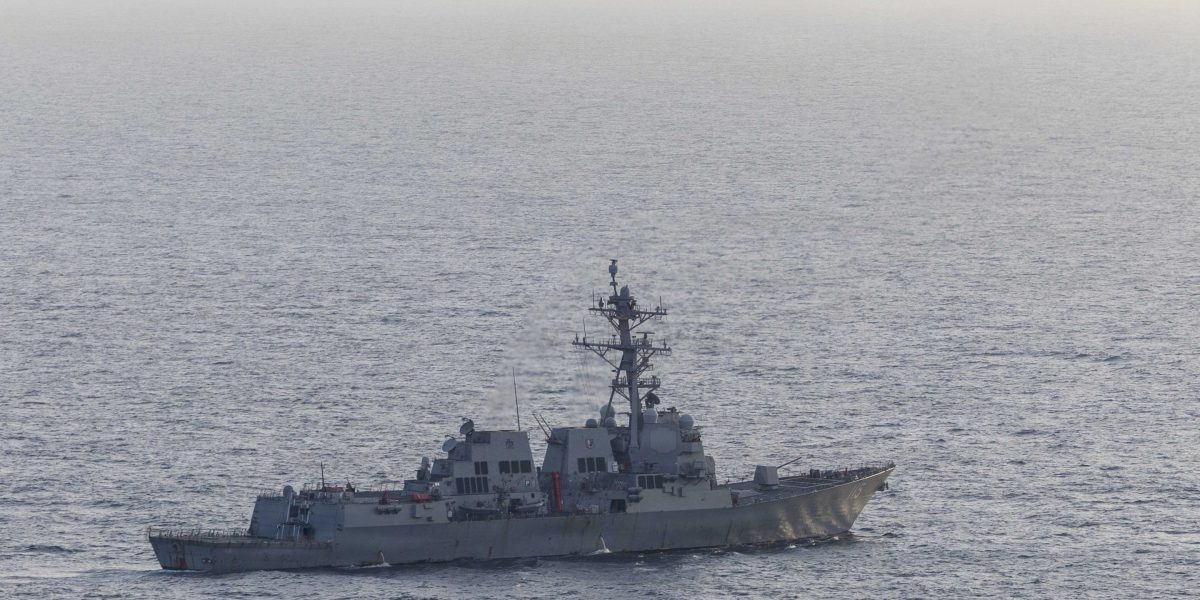
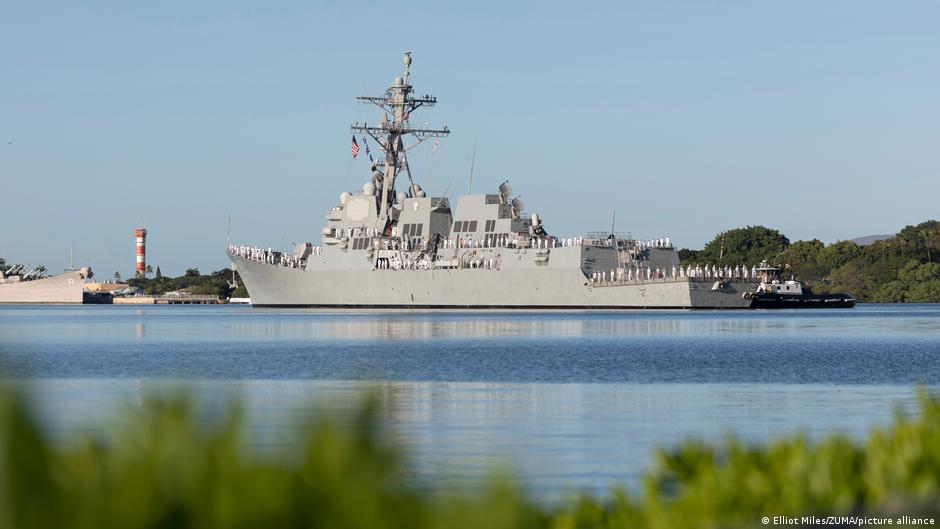
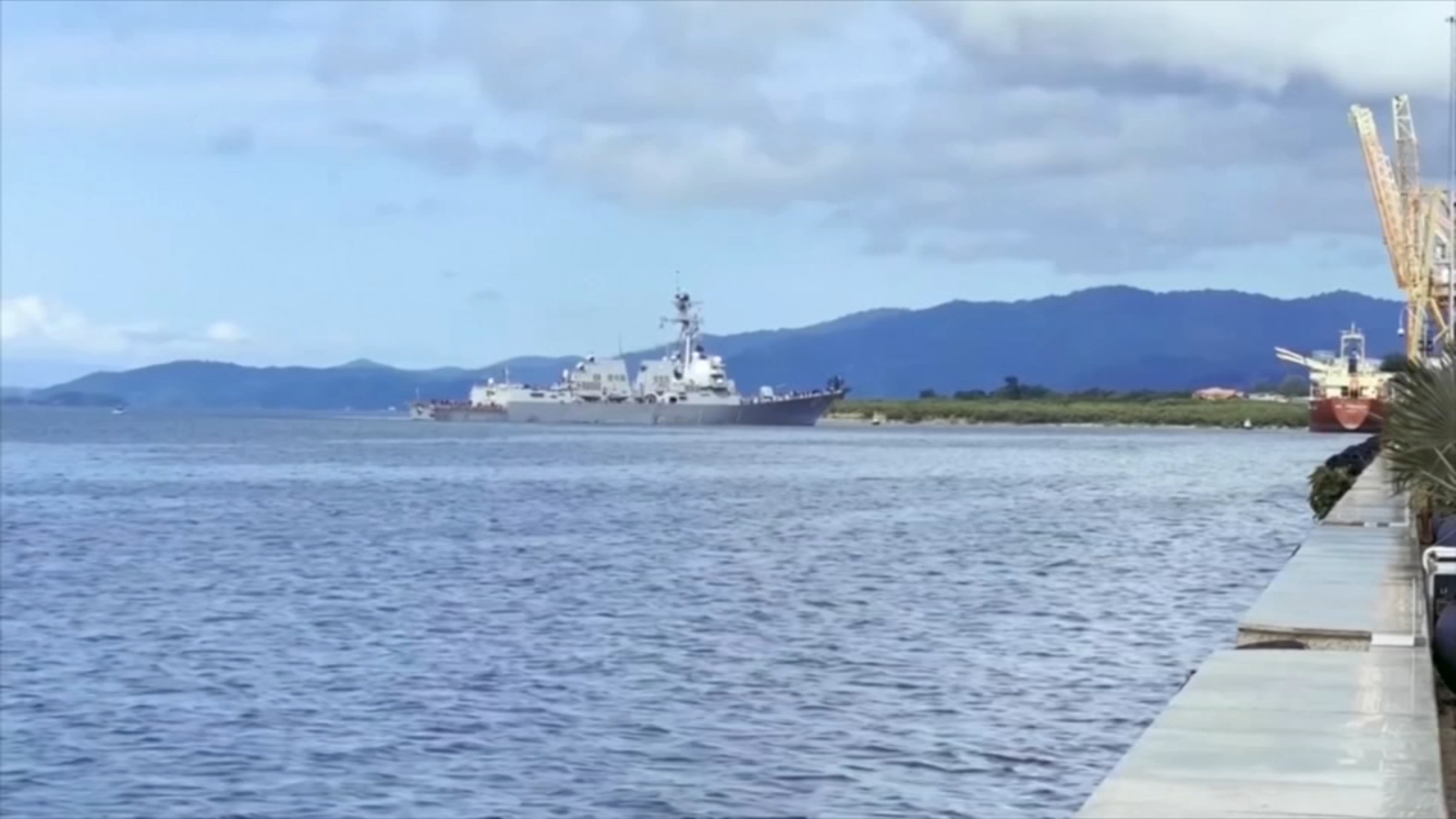
An eighth US Navy vessel arrived in the Caribbean this week as part of President Donald Trump's push to combat maritime drug trafficking and cartel activity with military force. USS Stockdale, an Arleigh Burke-class guided-missile destroyer, joins seven other American vessels in the waters of US Southern Command. Among the deployed warships are the destroyers USS Jason Dunham and USS Gravely, USS Lake Erie, a missile cruiser, and USS Minneapolis-Saint Paul, a littoral combat ship.
The U.S. Navy is surging eight warships to the Caribbean and Pacific waters near several Central and South American countries, a significant buildup for a region that has rarely seensuch a large presence of U.S. military vessels and a move that has escalated tensions with nearby Venezuela. The ships are part of an "enhanced counter narcotics operation" to carry out drug interdiction missions in Latin America, a defense official told The Washington Post on the condition of anonymity, to provide details
HD Hyundai Heavy Industries Co. secured a maintenance, repair, and overhaul contract for the US Navy's Lewis and Clark-class dry cargo ship USNS Alan Shepard.
Admiral Daryl Caudle stated that the US must double its production rate of Virginia-class submarines to meet its own defence needs and commitments to Australia under the Aukus pact.
Amid rapid changes in naval warfare, a ship today could find itself suddenly facing a swarm of small, fast, uncrewed vessels ready to strike hard right at the waterline - a potentially critical hit.
The Navy confirmed multiple intercepts of Iranian ballistic missiles targeting Israel, highlighting its ongoing commitment to support Israeli defense amidst regional tensions.
We're more open for business and partnerships than we've ever been before," Fanelli told TechCrunch in a recent Zoom interview. "We're humble and listening more than before, and we recognize that if an organization shows us how we can do business differently, we want that to be a partnership."
The 'decision, driven by demonstrably false and misleading claims, directly contradicts the Administration's goals of cutting waste, improving efficiency, and reforming failing IT programs.'