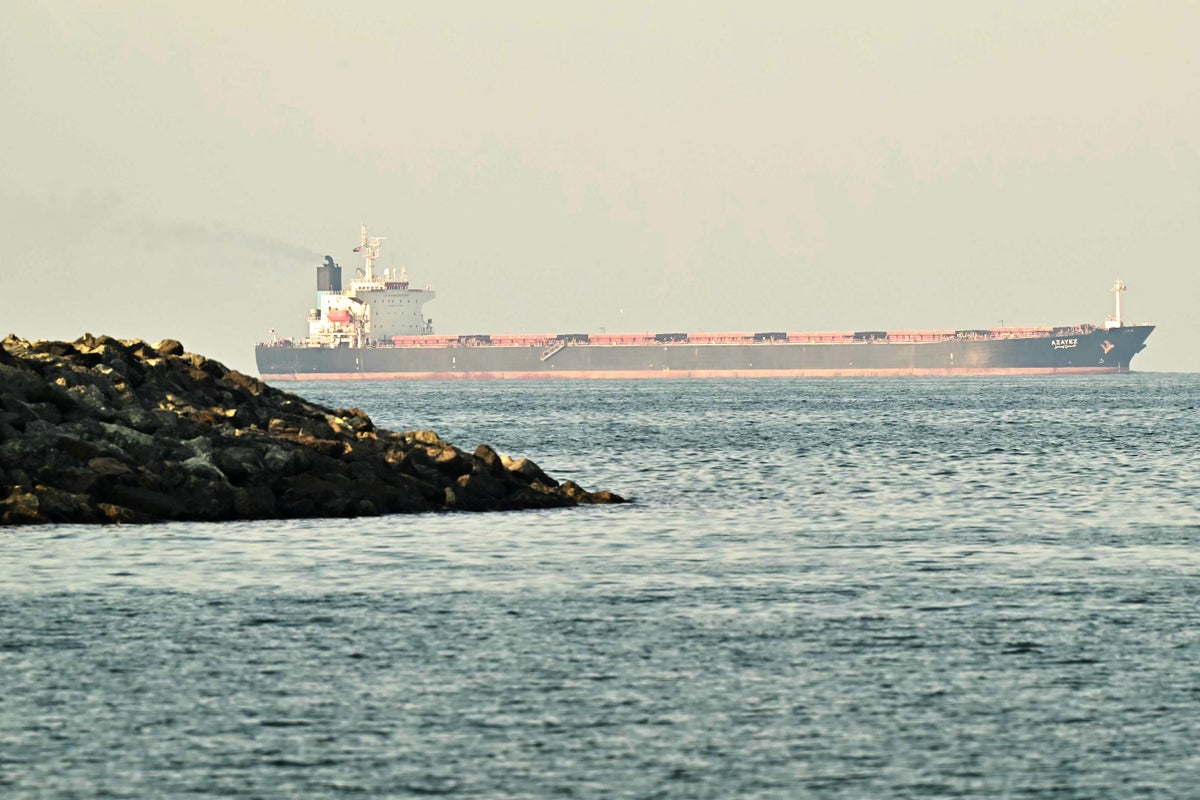
"In the two weeks since the U.S. and Israel launched attacks against Iran, thousands of vessels have experienced navigation interference in the Persian Gulf. Commercial shipping through the strait, which carries roughly 20 percent of the world's oil, has nearly ground to a halt. Though rocket and drone attacks are also to blame, another major hazard is GPS spoofing—the transmission of counterfeit satellite navigation signals."
"The spoofing doesn't just interfere with ships' own GPS; it also causes their automatic identification system, or AIS, to broadcast false locations, often showing ships tracing large circles even when they aren't moving. Researchers used to jokingly call these crop circles. He suspects the circles are simply a default movement pattern in certain low-cost spoofing devices available on the open market."
"The spoofer likely sits on a tall tower or a tethered balloon called an aerostat on the Iranian coast as it broadcasts signals. Since at least June 2025, in one of the planet's vital maritime passages, crews have periodically been forced to steer by eye rather than rely on their usual satellite-linked tools."
The Strait of Hormuz, which carries approximately 20 percent of the world's oil, has experienced severe navigation disruptions since recent military conflicts. Thousands of vessels report impossible GPS readings, with ships appearing to circle over land or pass through airports and power plants. GPS spoofing—the transmission of counterfeit satellite signals—combined with rocket and drone attacks has nearly halted commercial shipping through this vital passage. Since June 2025, crews have periodically resorted to manual steering. Experts attribute the spoofing to Iranian operations using low-cost devices positioned on coastal towers or aerostats that broadcast false signals, affecting both GPS systems and automatic identification systems that track vessel locations.
#gps-spoofing #maritime-security #strait-of-hormuz #global-supply-chain-vulnerability #navigation-interference
Read at www.scientificamerican.com
Unable to calculate read time
Collection
[
|
...
]