#material-experimentation
#material-experimentation
[ follow ]
#contemporary-art #furniture-design #sustainable-architecture #pritzker-prize #sculptural-furniture #design
Design
fromArchDaily
1 month agoWho Is Smiljan Radic Clarke? 10 Things to Know About the 2026 Pritzker Architecture Laureate
Smiljan Radić, 2026 Pritzker Prize winner, creates site-specific, materially attuned architecture that resists stylistic categorization, balancing elemental and intimate scales while prioritizing human experience and cultural reflection.
Design
fromdesignboom | architecture & design magazine
1 month agomolded carpet series melts discarded fiber remnants into sculptural furniture skins
Jack Craig transforms discarded carpet remnants into sculptural surfaces through heat, pressure, and manual manipulation, revealing new material characteristics beyond their original domestic function.
fromThe Art Newspaper - International art news and events
1 month agoPace Prints will open printmaking studio and gallery in Los Angeles
Since launching its first project in 1968—a sculptural embossed silkscreen book by the multimedia artist Lucas Samaras—Pace Prints has worked with artists to expand the formal and technical possibilities of printmaking. In the ensuing decades, the publisher has supported projects by artists like Louise Nevelson and John Chamberlain that blur distinctions between print, collage, sculpture and painting, often emphasising scale and material experimentation.
Arts
fromThe Art Newspaper - International art news and events
2 months agoPioneering sculptor Geles Cabrera's Mexico City retrospective marks centennial
Geles Cabrera's retrospective at the Museo del Palacio de Bellas Artes brings long-overdue institutional recognition to one of the country's first modern female sculptors. Spanning seven decades of the artist's work, the exhibition follows her receipt of the 2024 Bellas Artes Medal in Visual Arts, Mexico's highest artistic distinction. Arranged thematically, the exhibition reveals Cabrera's fluid treatment of the human figure, space and movement through materials ranging from volcanic stone to terracotta and plexiglass.
Arts
fromdesignboom | architecture & design magazine
2 months agopatterned tiles extend from curved walls to furniture in layered retail exhibition booth
Accessible from three sides, the booth is shaped by approach and visibility rather than a single frontal orientation. The primary entry is marked by an angled portal set back from the site edge, establishing a layered visual field rather than an immediate overview. From this offset threshold, overlapping planes of tiles, textures, and color unfold gradually, encouraging movement through depth rather than direct access.
Design
Design
fromdesignboom | architecture & design magazine
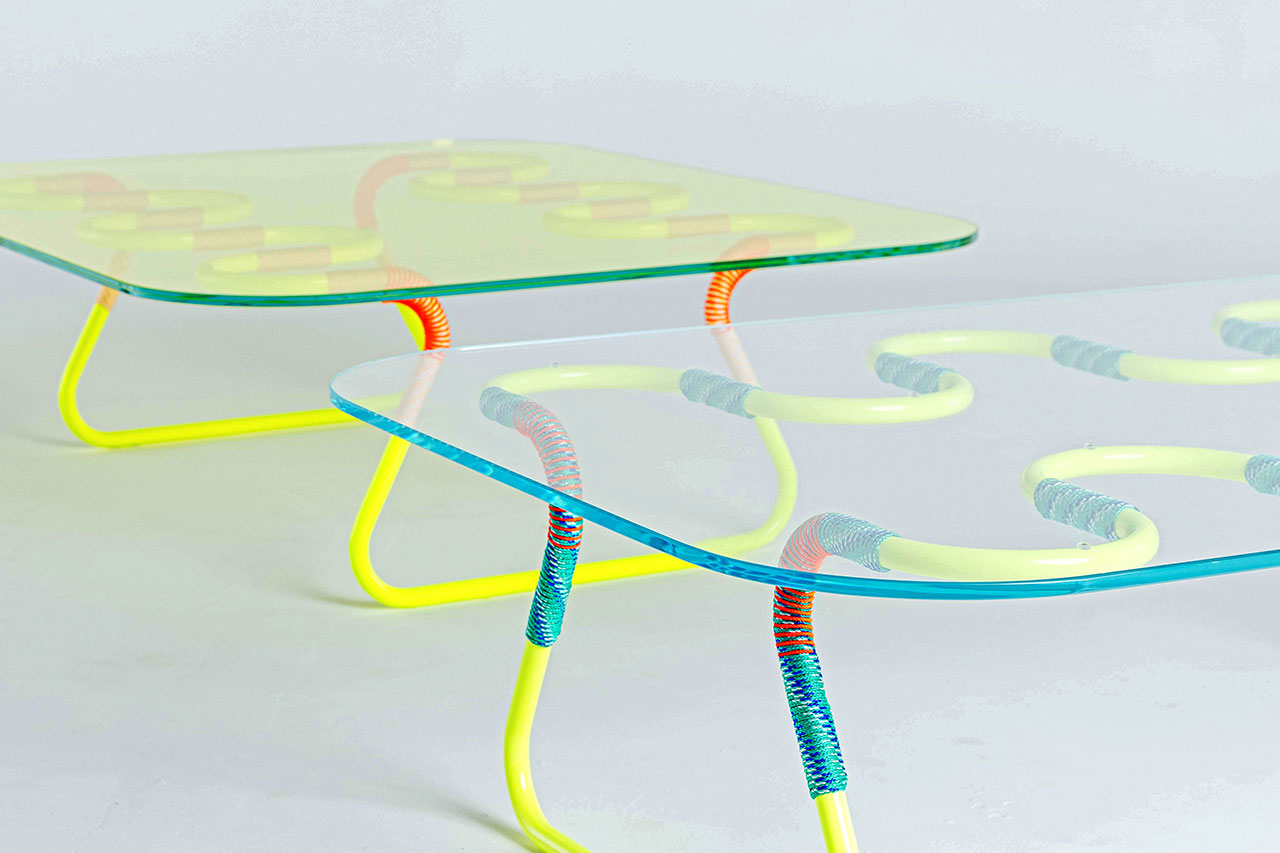
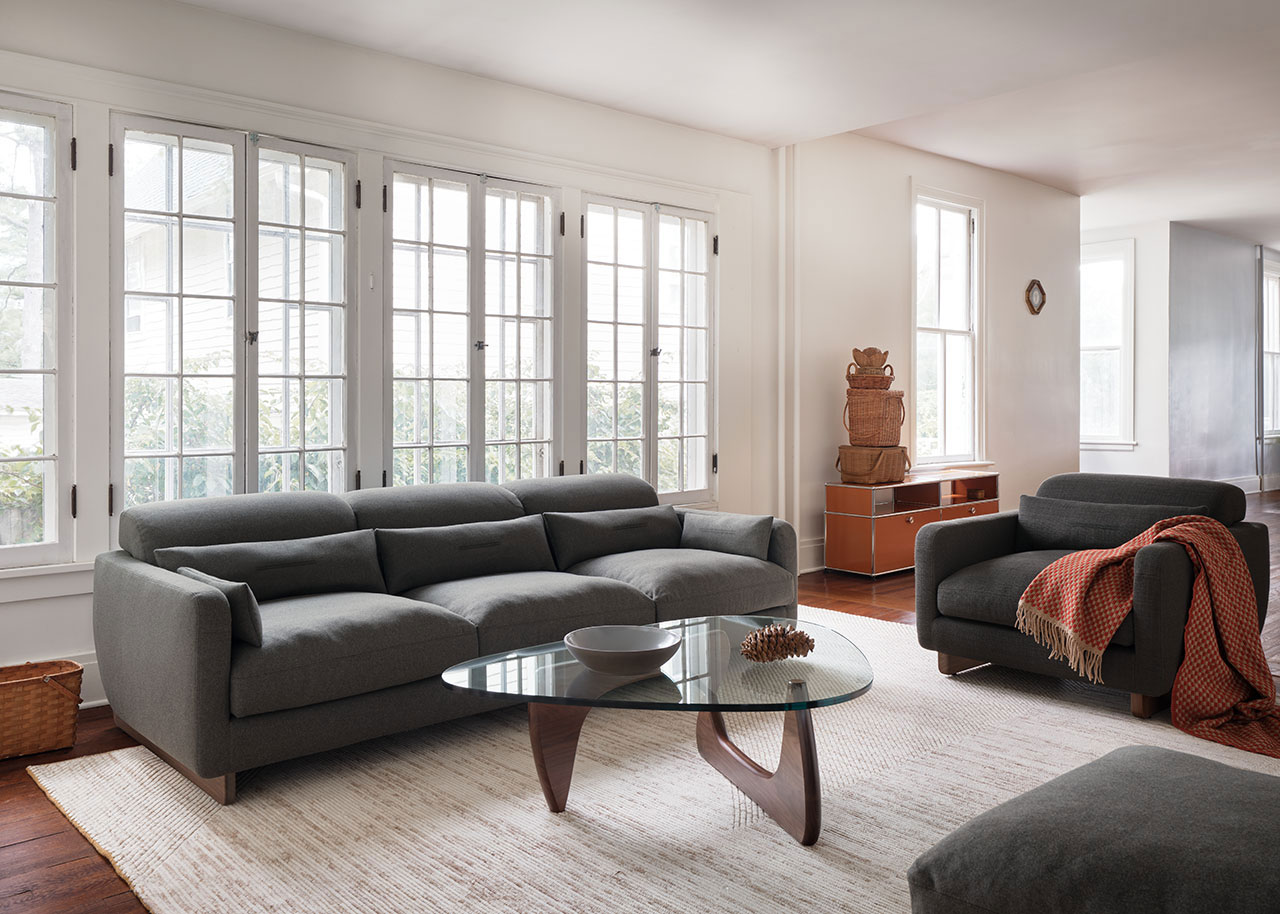
3 months agobiological growth patterns inform sculptural furniture series by vincent decat
The Living Series transforms functional furniture into sculptural, organism-inspired forms that prioritize material experimentation, tactility, and enduring visual character.
Design
fromdesignboom | architecture & design magazine
4 months agohandcrafted resin sculptures illuminate laura gonzalez's 'landscapes' exhibition in NYC
Laura Gonzalez's Landscapes pairs ecological resin lamps with Fabien Conti's gestural paintings, emphasizing material experimentation, crafted interiors, and a luminous dialogue in New York.
fromdesignboom | architecture & design magazine
4 months agoasphalt links heterogeneous materials in so koizumi's furniture collection
Asphalt has long been used as an adhesive, functioning as a connector between different materials. Although today it is most commonly associated with road paving, its essential purpose remains the act of binding. Drawing from this origin, the collection approaches asphalt as a mediating material that links heterogeneous components. References include its early use in Japan during the Jomon period, when it bonded wooden shafts to stone arrowheads.
Design
Arts
fromJuxtapoz
5 months agoJuxtapoz Magazine - Jeanette Mundt: Divorce Paintings @ Company Gallery, NYC
Jeanette Mundt re-centers painting's physical life, using canonical genres and material experimentation to interrogate memory, movement, and contemporary tensions through layered, tactile surfaces.
fromdesignboom | architecture & design magazine
5 months agoreflective aluminum evokes dynamic motion effects within manga studio in tokyo
Located in , Shueisha TOON FACTORY Office - Phase 2 is a creative designed by GAMMA Architects for a company specializing in manga and WEBTOON production. The project expands the company's existing office by transforming a full floor within a long, east-west-oriented building. The design responds to the specific needs of drawing, storyboarding, and editing work, prioritizing both functional efficiency and an environment that encourages creative focus.
Remodel
Design
fromdesignboom | architecture & design magazine
5 months ago'learning from the local' book by piers taylor links locality with new era of sustainable design
Context-specific, locally sourced, and ecological design is redefining architecture toward low-carbon, place-responsive solutions that prioritize geography, materials, community, and culture.
Design
fromYanko Design - Modern Industrial Design News
7 months agoBrazilian Artist Lucas Simoes Turns Modernist Legacy Into Living Room Sculptures - Yanko Design
Lucas Simões's Colendra fuses Brazilian modernist forms with heavy materials to create sculptural, functional furniture that commands space and blurs art and design.
Fashion & style
fromstupidDOPE | Est. 2008
7 months agoHOKA and J.L-A.L Reimagine the Mafate X with Bold Minimalism | stupidDOPE | Est. 2008
HOKA and J.L-A-L transform the technical Mafate X trail shoe into a lifestyle-driven, artful design combining performance heritage with experimental materials and refined minimalism.


Fashion & style
fromdesignboom | architecture & design magazine
1 year agoisaac monte grows glimmering, crystallized artifacts from lady dior handbags
Isaac Monté's Crystallized series reimagines the Lady Dior handbag through a unique blend of art and material experimentation, embodying growth and organic beauty.
[ Load more ]