It is pre-dawn in the historic Podil district of the Ukraine capital, Kyiv, and warm light from the Spelta bakery-bistro's window pierces the darkness outside. On a wooden surface dusted with flour, the baker Oleksandr Kutsenko skilfully divides and shapes soft, damp pieces of dough. As he shoves the first loaves into the oven, a sweet, delicate aroma of fresh bread fills the space.
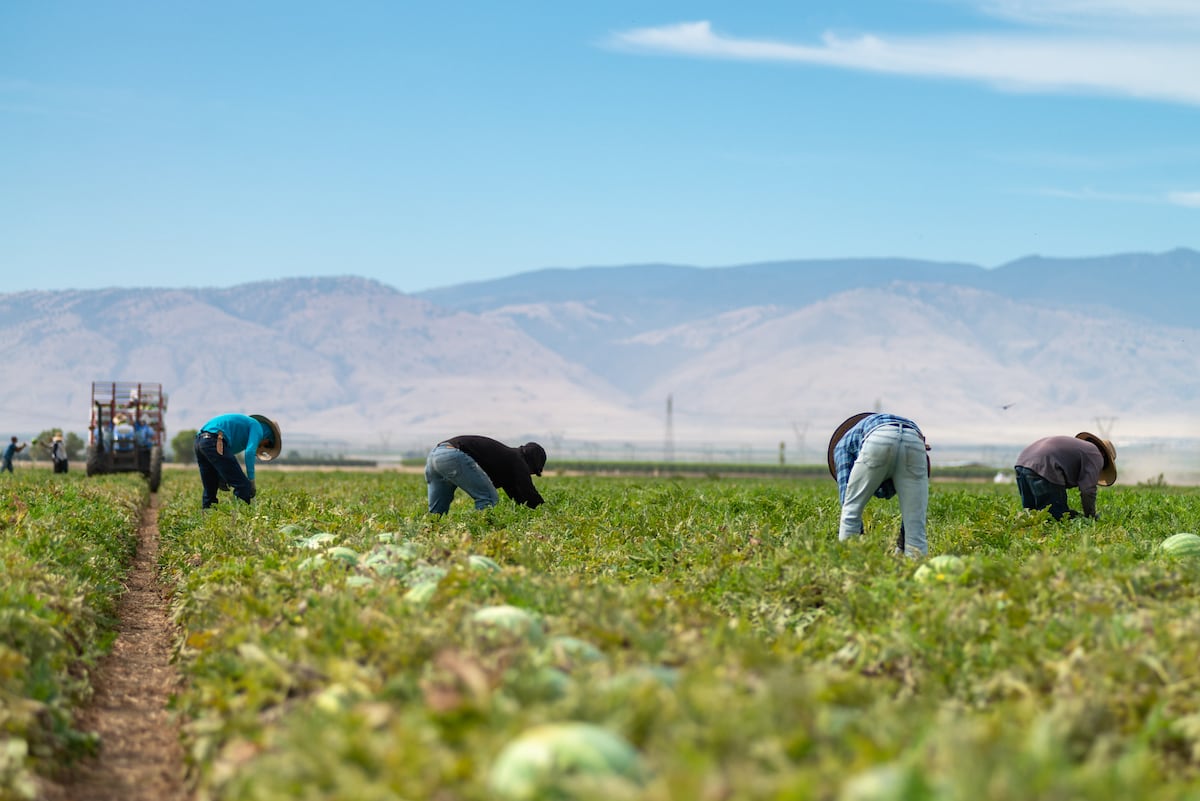
Immigrant laborers play a key role in the housing pipeline, especially for the nation's top homebuilding metros, according to a new study from Harvard University's Joint Center for Housing Studies. Research showed a disproportionately high share of foreign-born workers active in the construction trades nationally in 2024. While immigrants made up one in five workers nationally, they composed one in three workers in the construction trades sector.
The city's restaurant scene has never looked better from the dining room, but behind kitchen doors, the industry is struggling with thin margins, labor shortages, and a culture of burnout. To survive, today's top chefs are reinventing everything-and their solutions might just save it all.
California and a coalition of other states are suing the Trump administration over a policy charging employers $100,000 for each new H-1B visa they request for foreign employees to work in the U.S. - calling it a threat not only to major industry but to public education and healthcare services. "As the world's fourth largest economy, California knows that when skilled talent from around the world joins our workforce, it drives our state forward," said California Atty. Gen. Rob Bonta, who announced the litigation Friday.
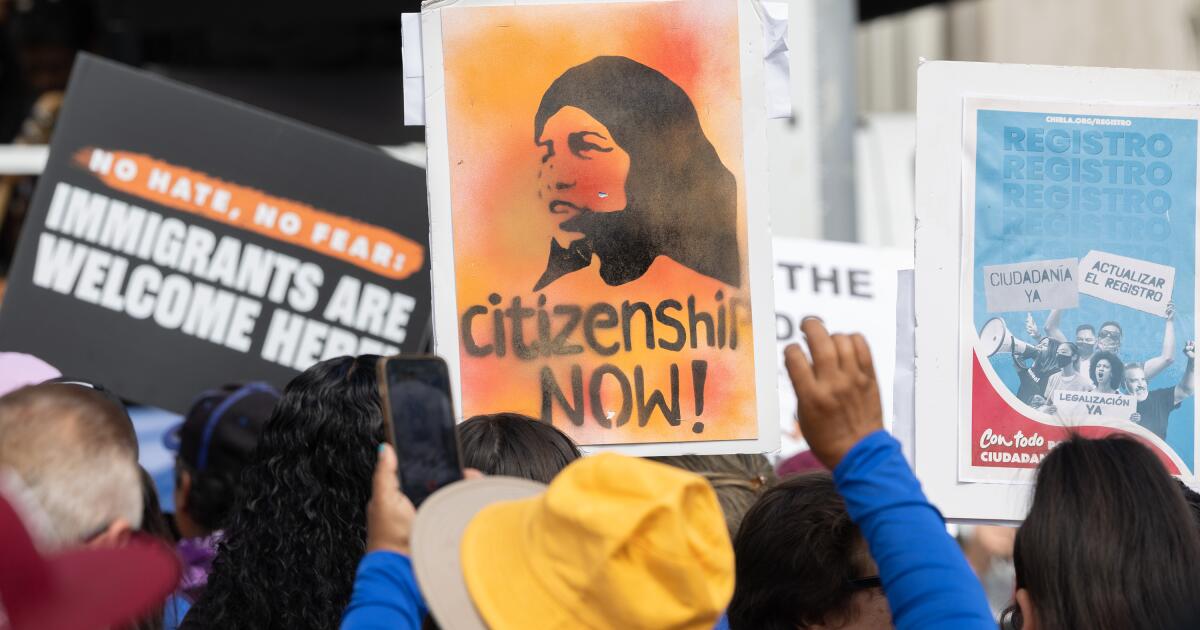
About 290,000 immigrants will be removed from the country between 2026 and 2029 as a result of the law, the CBO said, and about 50,000 immigrants will be detained per day in the same period. An increase in ICE personnel will lead to 5,500 more arrests in 2026 and 100,000 more in 2029 than if the policy had not been enacted. Another 30,000 are projected to leave voluntarily between 2026 and 2030.
found that 41% are turning to AI to compensate for labor shortages, which have been plaguing the industry for the last several years. Half of all respondents, for example, said they plan to use the technology for quality control over the next year, and an almost equal number (49%) said they'll integrate the technology into their cybersecurity infrastructure over the same time period. Other commonly cited upcoming uses of AI were process optimization (42%), robotics (37%), and logistics (36%).
More than 664,000 applications for work, student, family and visitor visas were turned down in the 12 months to September 2024, with India, Pakistan, Nigeria, Ghana, and Zimbabwe facing the highest refusals.