#kelley-robinson
#kelley-robinson
[ follow ]


fromThe Art Newspaper - International art news and events
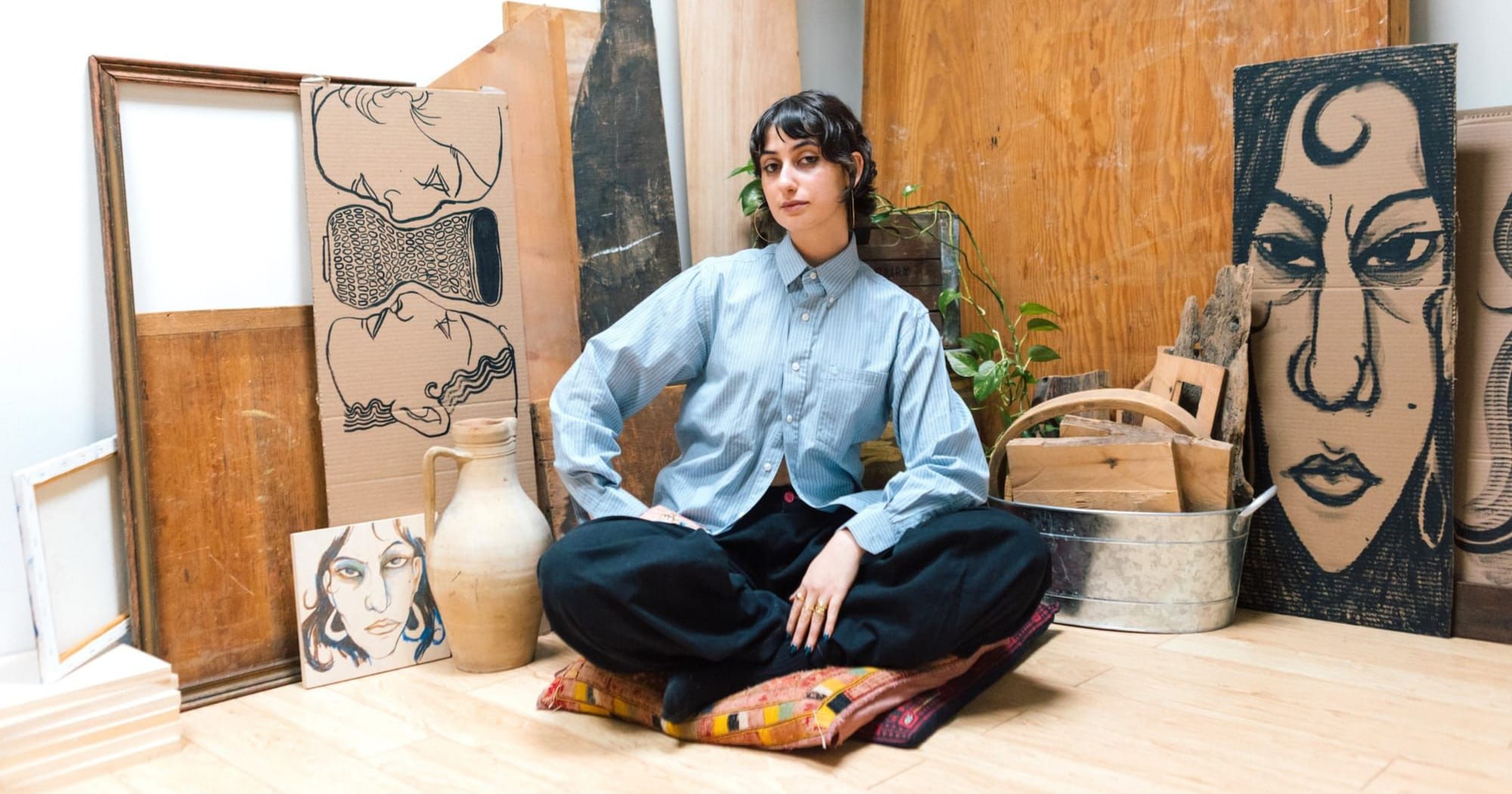
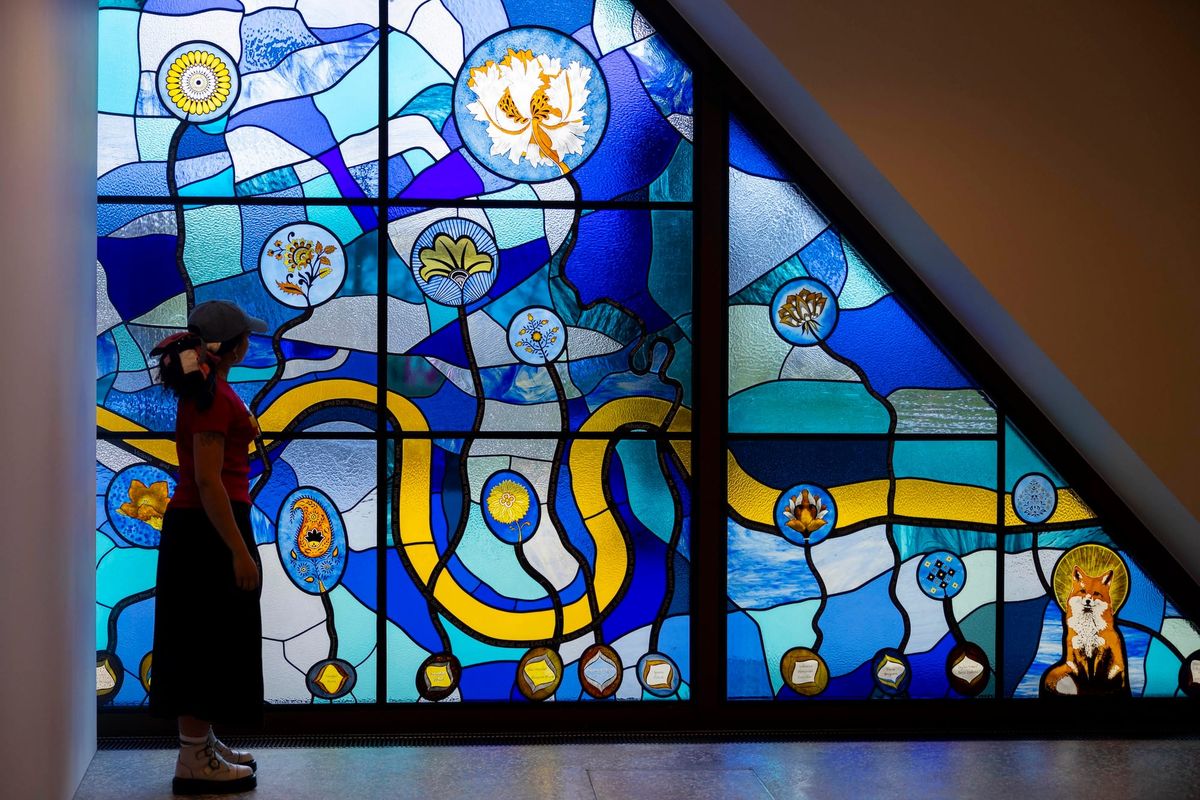
4 days agoArtist interview: Sarah Rosalena
I see myself first and foremost as a weaver working at the intersection of craft and technology. As an Angeleno, I grew up learning how to weave in the Wixárika tradition of my matriarchal bloodline by watching my mother and my grandmother.
Arts


fromSPIN
1 month agoWhitney Johnson, Lia Kohl, and Macie Stewart Go Beyond the Chamber - SPIN
All but one of the song titles on Body Sound, the debut album from experimental string trio Whitney Johnson, Lia Kohl, and Macie Stewart, line up nicely-a few words, usually two, usually nouns, separated by a vertical line. The straight line in the middle means different things in different disciplines. In computing, it's called a 'pipe' and serves as a conduit. In poetry, it denotes a pause or break. In music, it marks the beginning and end of measures.
Music
fromArtnet News
6 days agoPainting Has Entered Its Performance Era | Artnet News
Much of Instagram's video content is organized around transformation-the virtual magic of the before-and-after and clips that show cause and effect. A person makes pasta from scratch in 20 seconds via edits that compress time-intensive labor.
Arts
Berlin
fromTime Out New York
1 month agoThe Studio Museum in Harlem just made Time's best places list
The Studio Museum in Harlem was named one of TIME's World's Greatest Places of 2026, recognizing its significance as the first U.S. institution devoted to Black fine art and its role in elevating contemporary artists.
Brooklyn
fromBrooklyn Paper
1 month ago'Printing Black America' examines modern society through a historic lens at the Brooklyn Public Library * Brooklyn Paper
W.E.B. Du Bois's 1900 Data Portraits visualized Black American progress through infographics, now recontextualized in a 21st-century exhibition exploring ongoing racial inequities and sociological questions.

fromHarper's BAZAAR
1 month agoDance Theater of Harlem Is Bringing Back Firebird . It's Never Felt More Timely.
First performed in 1910 by Serge Diaghilev's Ballets Russes and adapted by George Balachine for New York City Ballet in 1949, Firebird was inspired by a Russian folk tale. The ballet tells the story of Prince Ivan, who captures the firebird, a creature who is part bird, part woman, and then lets her go.
NYC music
fromJuxtapoz
2 months agoJuxtapoz Magazine - Robert Williams: Fearless Depictions @ Long Beach Museum of Art, Long Beach
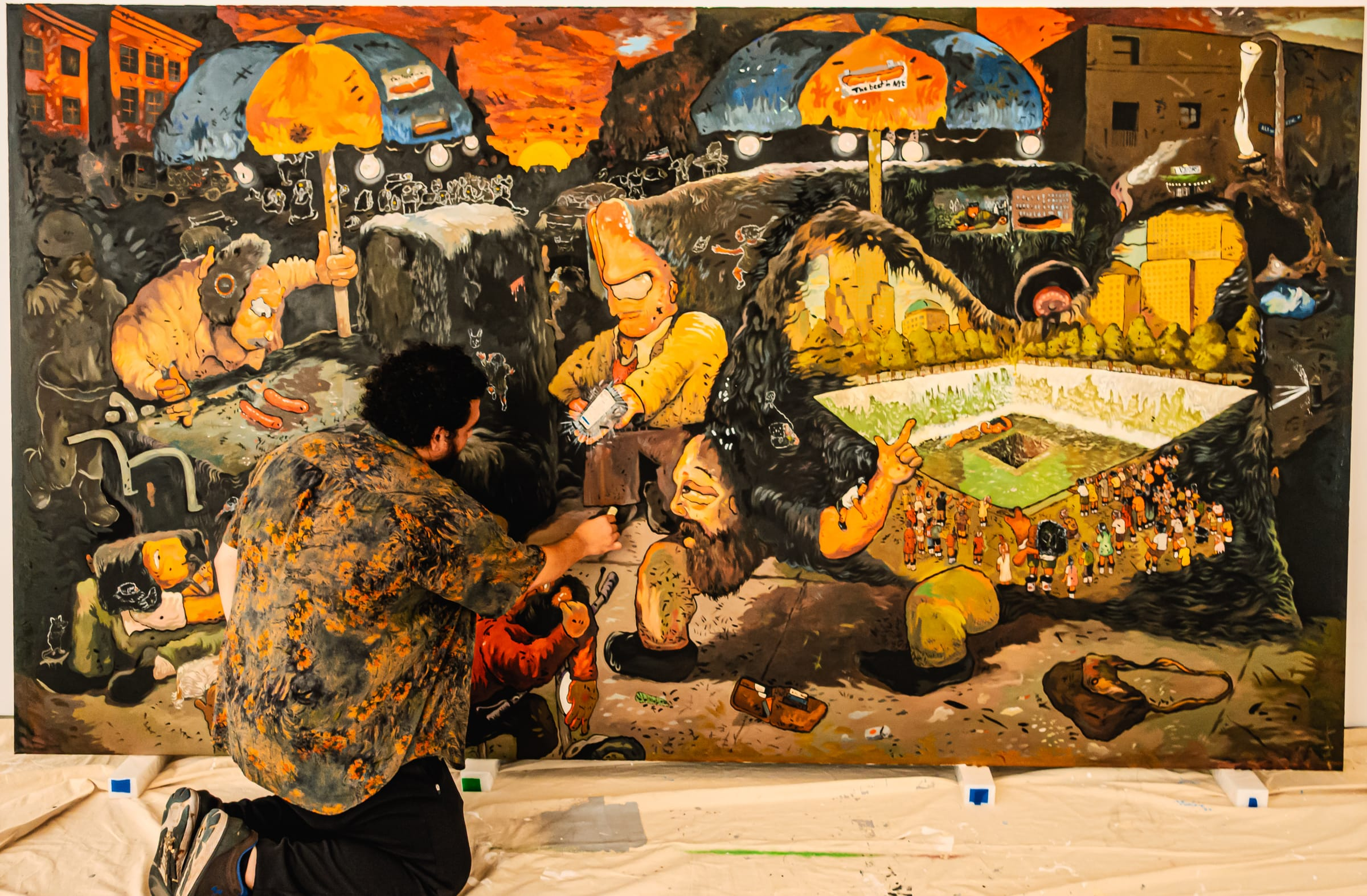
The Long Beach Museum of Art is pleased to present Jux founder Robert Williams: Fearless Depictions, a survey exhibition featuring 57 paintings spanning from 2001 to the present, along with two large-scale sculptures by the iconic Southern California artist. Robert Williams ' epic, cartoon-inspired history paintings draw deeply from American vernacular culture and its visual slang, using concrete, relatable, and often absurd imagery to deliver sharp social commentary.
California

Arts
fromThe Art Newspaper - International art news and events
1 month agoGullah artist Sam Doyle's narrative portraits stand out Outsider Art Fair in New York
Sam Doyle's paintings at the Outsider Art Fair showcase his unique cultural narratives and artistic style, reflecting Gullah heritage and significant historical figures.
fromHyperallergic
1 month agoArt Movements: Senga Nengudi Wins Big
In honor of the 100th anniversary of the painter and multimedia artist's birth, the Robert Rauschenberg Foundation is presenting a one-time award of $100,000 to four artists. Senga Nengudi won the Rauschenberg Centennial Award for visual art, David Thomson for performance, Chandra McCormick and Keith Calhoun for photography, and Patricia Spears Jones for writing.
Arts
Arts
fromArtnet News
1 month agoThe Tensions Seething Beneath the Surface of the 2026 Whitney Biennial | Artnet News
The 2026 Whitney Biennial features diverse artistic approaches, with AI-focused works ranging from ineffective maximalism to emotionally provocative pieces that meaningfully explore technology's impact on artistic expression.
fromHyperallergic
1 month agoArt Problems: How Do I Get Gallery Representation?
Dealers like artists with established sales records because it lowers their already considerable financial exposure. Renting a gallery space in Tribeca costs anywhere between $8,000-30,000 a month on top of staff, marketing, and daily operations. With that kind of overhead, very few business owners can afford to take on the financial risk of untested artists.
Arts
fromArtnet News
1 month agoInside the Forum Where Women in the Arts Are Taking on the Status Quo
What began as a passion for collecting became a responsibility. She not only believes in the artistic genius of women, but she wants society in general to hold men and women artists in equal esteem-and to place the same monetary value on their work.
Arts
fromwww.theguardian.com
1 month agoAct Black: posters of Black Americans on stage and screen in pictures
Many of these posters are the only surviving proof of certain shows, with no recordings of plays, and certain films, having been lost over time. They offer a history of Black Americans trying to counter harmful stereotypes and provide vital and humanizing contributions to a growing Black culture.
Arts
#whitney-biennial-2026
Arts
fromdesignboom | architecture & design magazine
1 month agowhitney biennial asks: what does 'american art' mean in 2026?
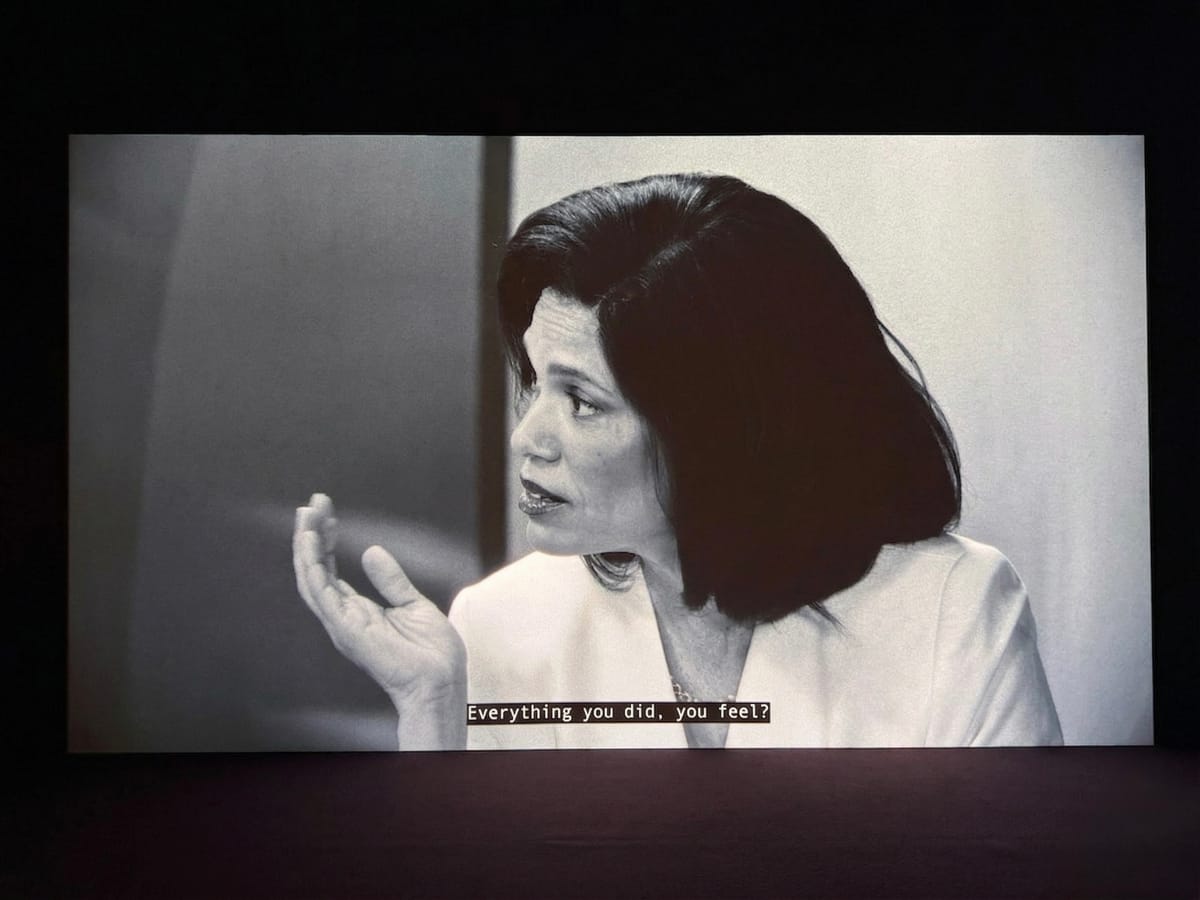
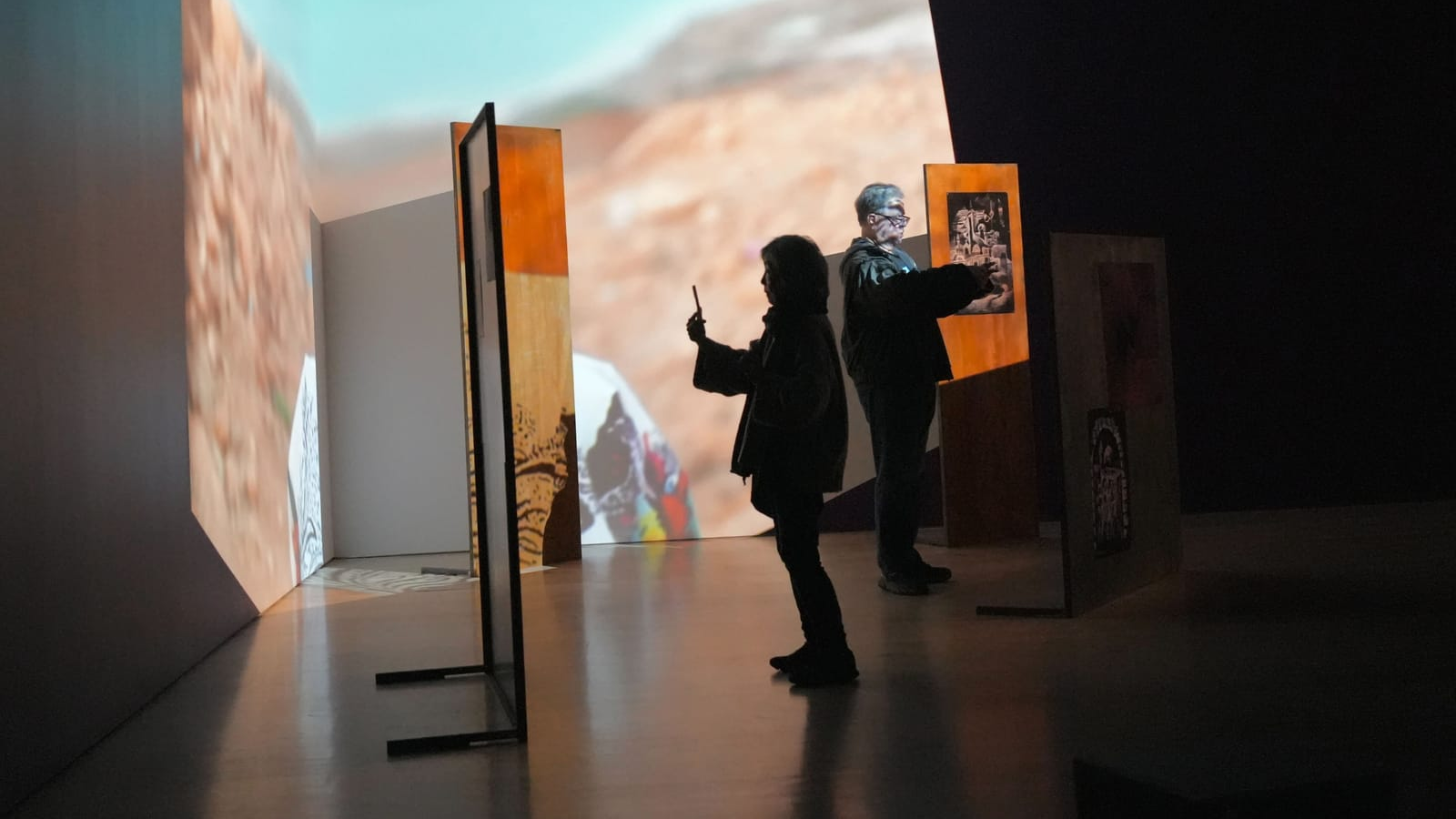
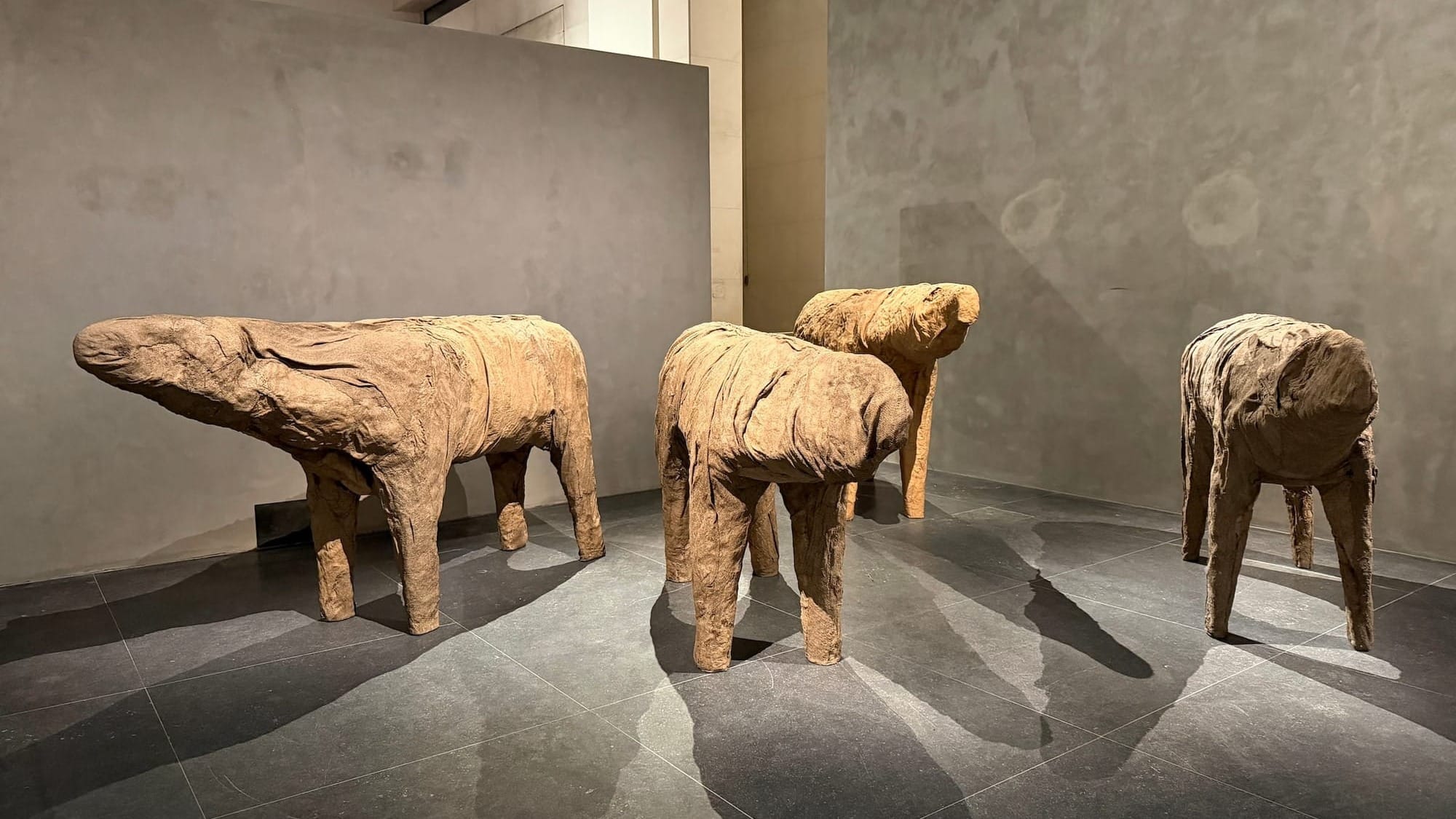
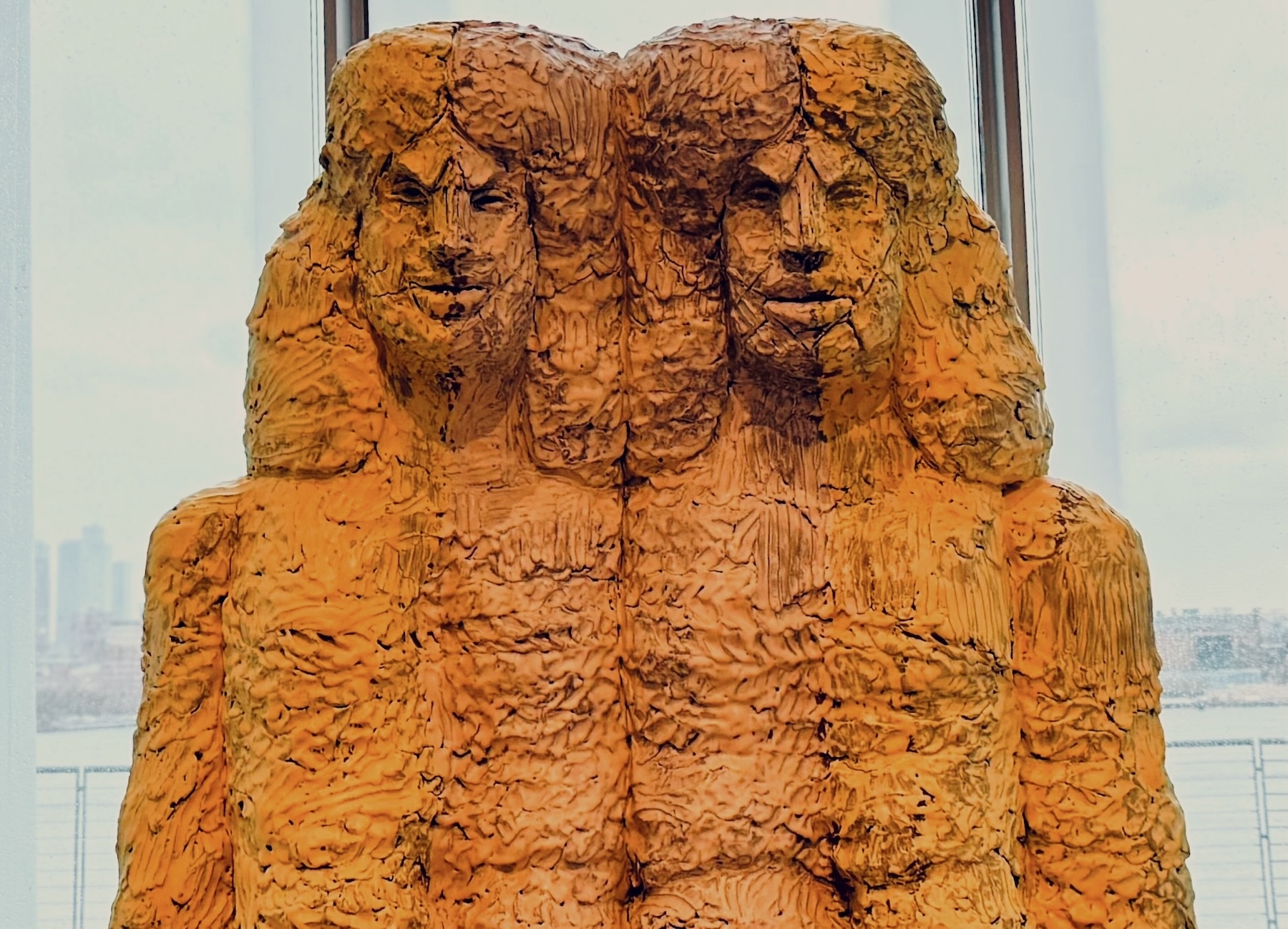
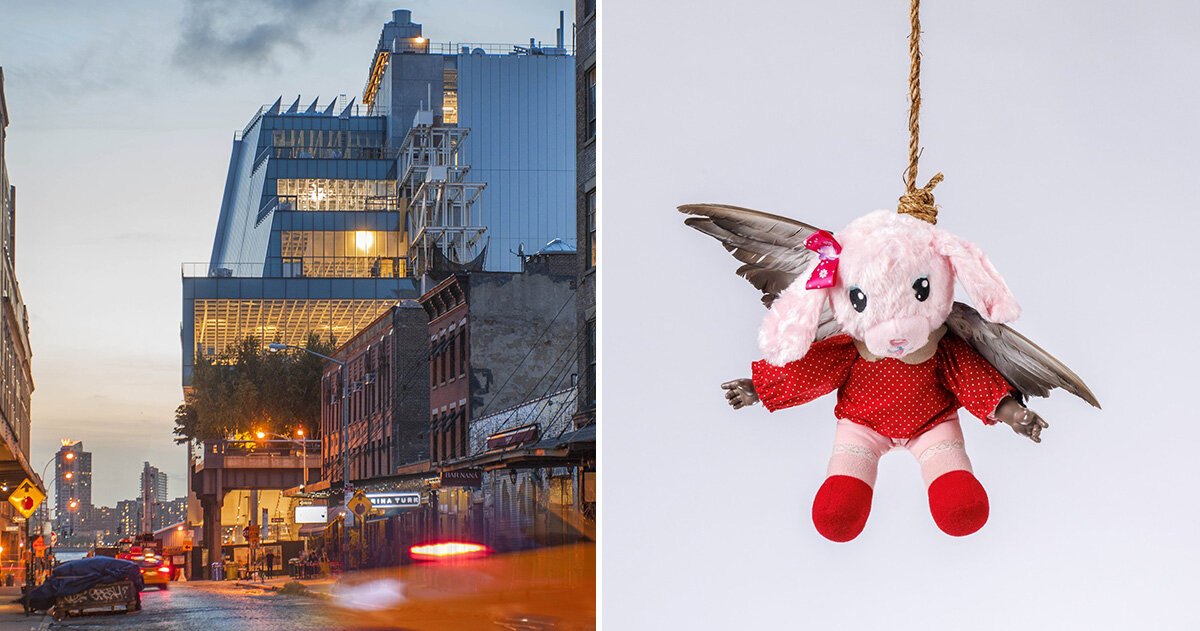
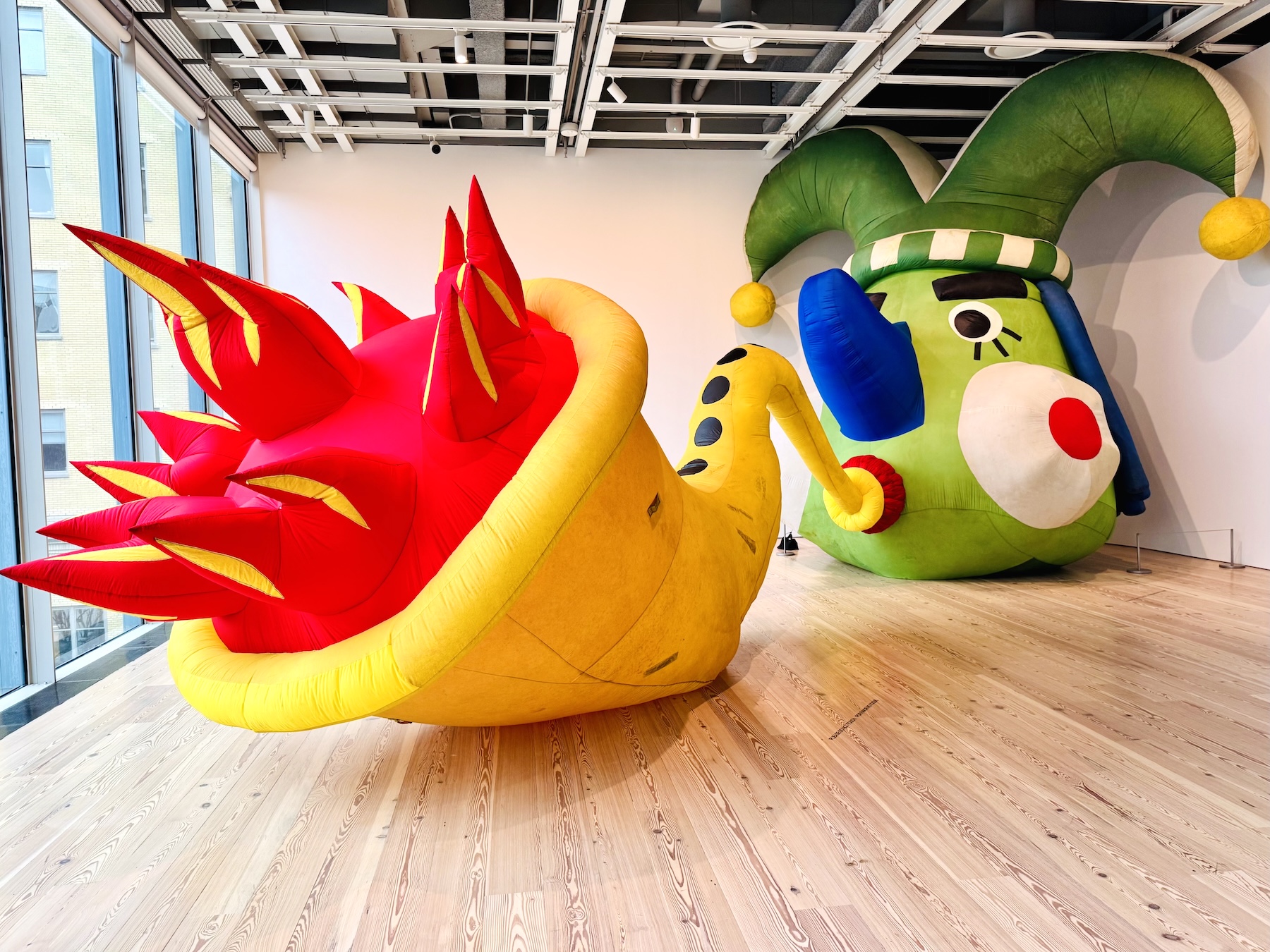
The Whitney Biennial 2026 examines what constitutes American art by featuring artists whose practices connect Indigenous histories, land, migration, institutions, and cultural memory across diverse territories and communities.
fromHyperallergic
1 month agoDavid Driskell's Gifts to Black Art
Driskell started collecting in 1955 after taking a position as an art professor at Talladega College. As he explained in a 2017 lecture at the Whitney Museum of American Art, he put aside a small budget for art each year from his beginning salary of $3,000.
Arts
Arts
fromThe Art Newspaper - International art news and events
2 months agoA gifted colourist and civic-minded storyteller: touring show celebrates US artist Noah Davis
Noah Davis's posthumous survey demonstrates his mastery of color, narrative subtlety, art-historical erudition, and rising market and museum recognition.
Arts
fromThe Art Newspaper - International art news and events
2 months agoAfrican LGBTQ+ art at the Smithsonian, the Iran crisis, Louise Nevelson at Pompidou Metz-podcast
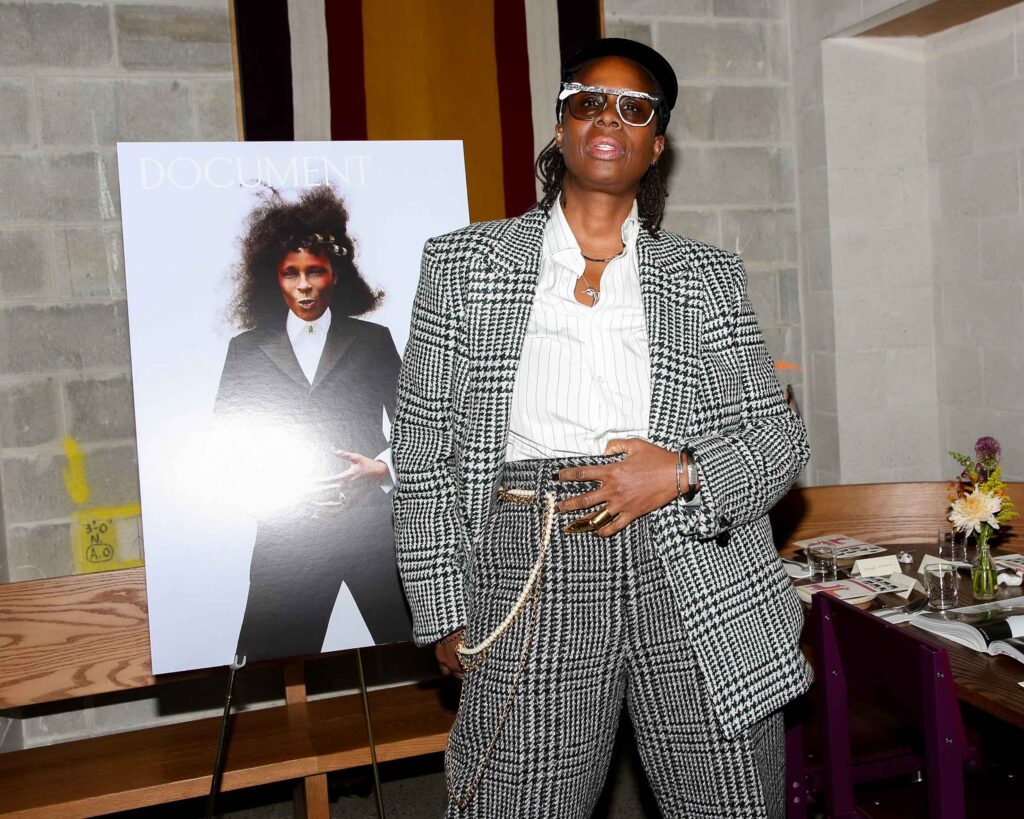
Here: Pride and Belonging in African Art at the Smithsonian showcases LGBTQ+ artists from Africa and its diaspora, with a related book forthcoming.

fromHyperallergic
2 months agoAmy Sherald's Show Sets Visitor Record at Baltimore Museum of Art
According to a BMA spokesperson reached by Hyperallergic, attendance stood at 63,000 as of Monday, February 9, and is expected to peak at 75,000 by the time the show closes on April 5. That makes Sherald's mid-career survey the museum's most-attended show since 2000 - a remarkable feat considering that the BMA was not an original destination on American Sublime's itinerary.
Arts

fromHyperallergic
2 months agoThe African Diaspora Pictures Itself
Walking through Ideas of Africa: Portraiture and Political Imaginationat the Museum of Modern Art, I noticed that the exhibition didn't have definite sections or texts, and the wall labels abstained from naming the nationalities of the photographers. It was an invigorating experience to be in a show that eschews geographic boundaries set up by Western nations, as well as rejects a cause-and-effect narrative that centers Western colonialism as a framework for understanding African aesthetic production.
Arts
fromThe Art Newspaper - International art news and events
1 month ago'If a work is meant to be mine, there's always time': Mashonda Tifrere on the art she collects and why
While taking a break from her musical career, Tifrere founded the nonprofit organisations ArtLeadHER and Art Genesis in 2016. ArtLeadHER provides visual-arts education and exhibition opportunities to women and teenage girls, while Art Genesis helps organise shows for emerging and underrepresented artists.
Arts
[ Load more ]