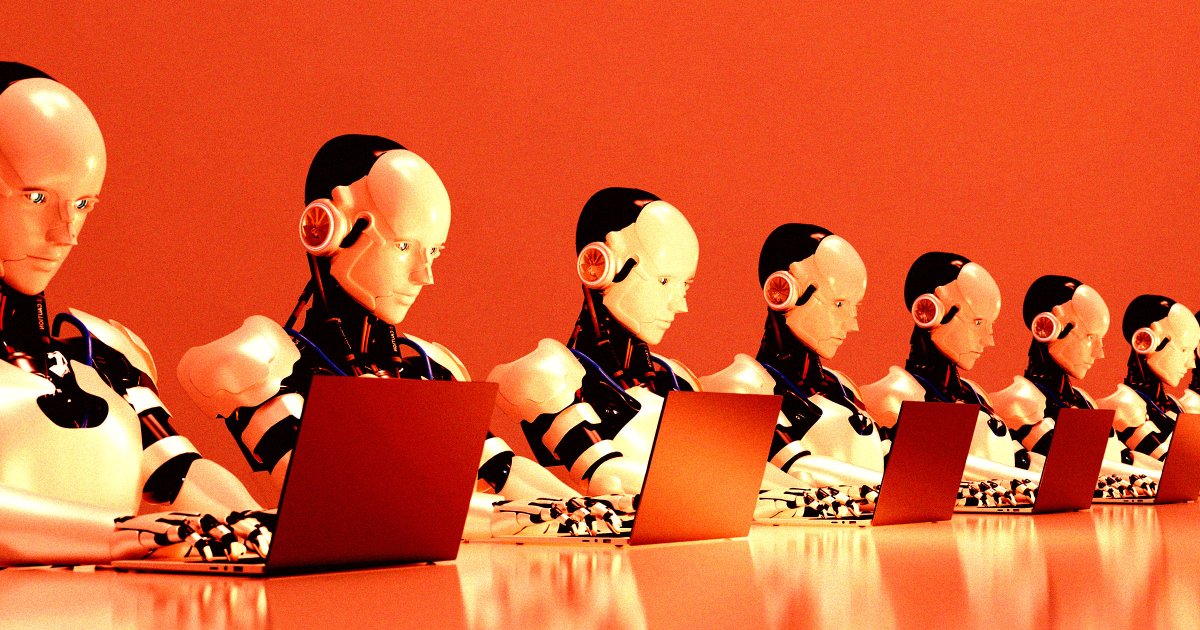
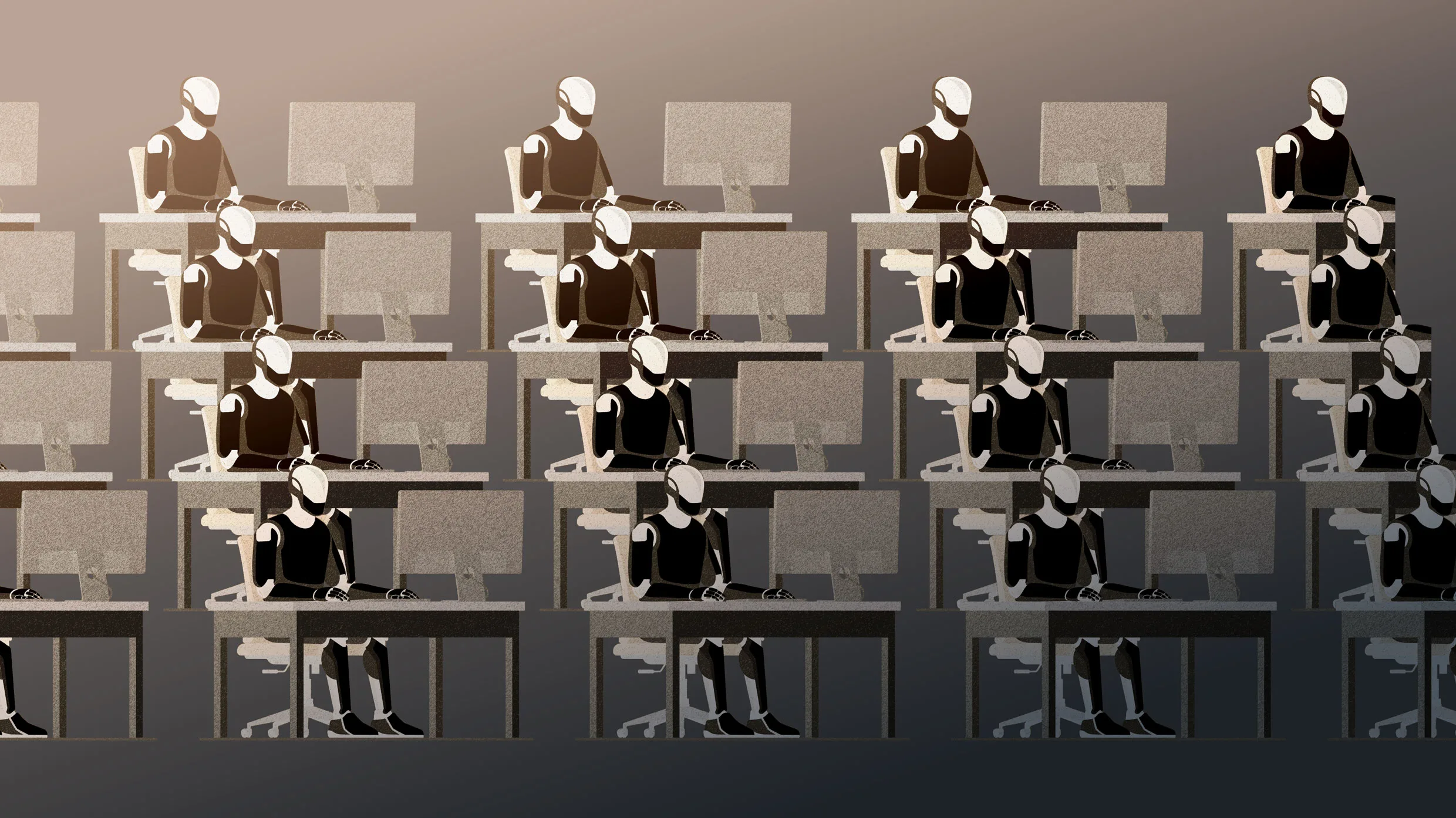
No doubt you've noticed it-along with millions of others who now rely on AI for everything from planning product launches and rewriting emails to turning their beloved pets into cartoons. The adoption speed has been remarkable. In just a few years, AI has gone from a buzzword to a daily fixture in countless workplaces. And for many, it's already hard to remember what work looked like without it.
That doesn't mean a jobs cliff is imminent, said James Ransom, a research fellow at University College London, who studies the impact of AI on work. But it does mean the rules of entry into the job market are changing fast - and the smartest move isn't to chase prestigious titles, he said, but to understand the tasks inside those jobs, then show how you can supervise and scale AI to do them more effectively.
Markets got a shock in late August from an unlikely place: a survey by MIT finding that 95% of generative AI pilots at large companies were failing. That prompted a tech sell-off and talk of whether AI was forming into a stock-market bubble. And another piece of the puzzle just fell into view: the Census Bureau finds that AI adoption rates are starting to decline among major firms.